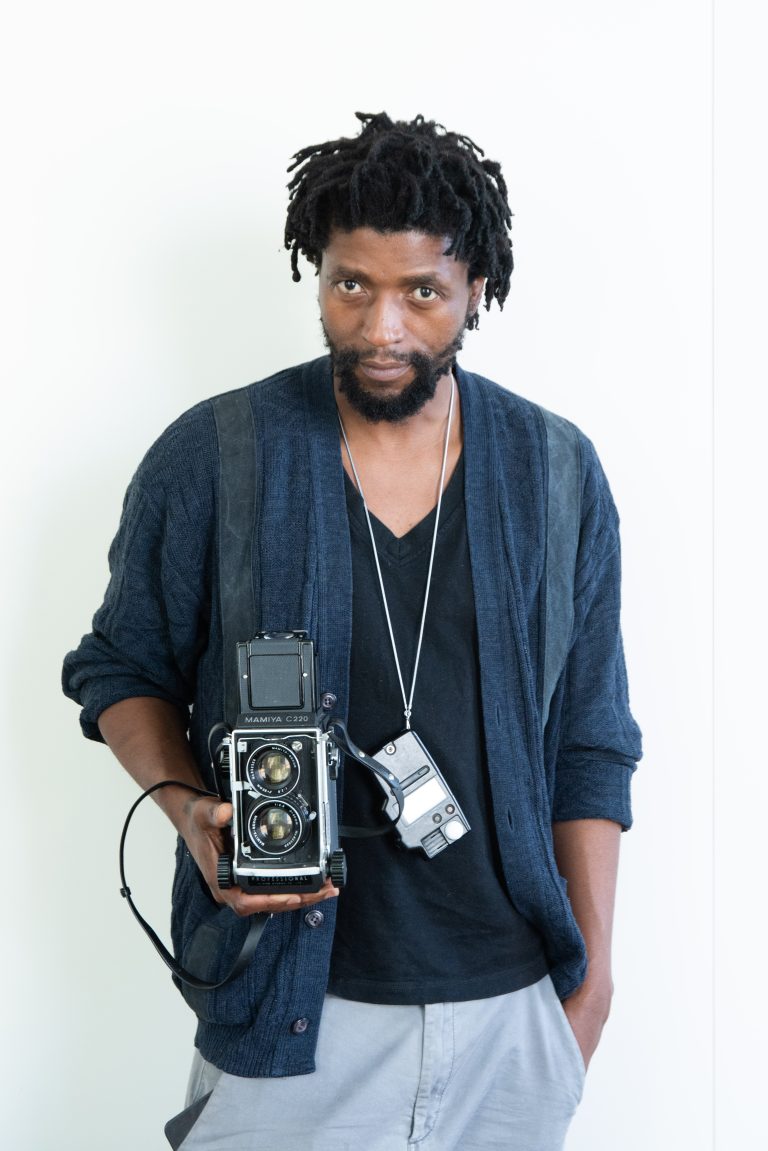
by Mandisa Buthelezi
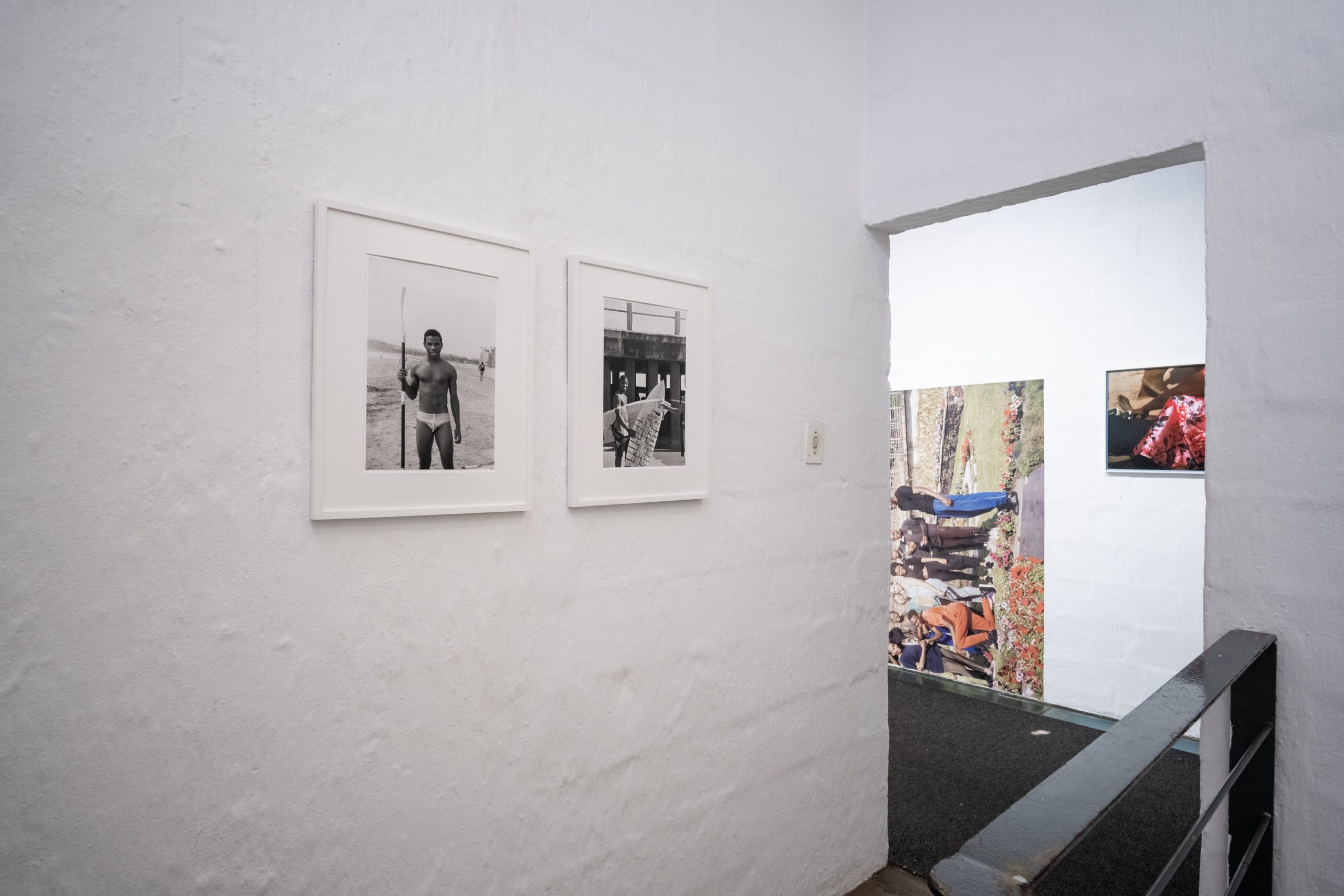
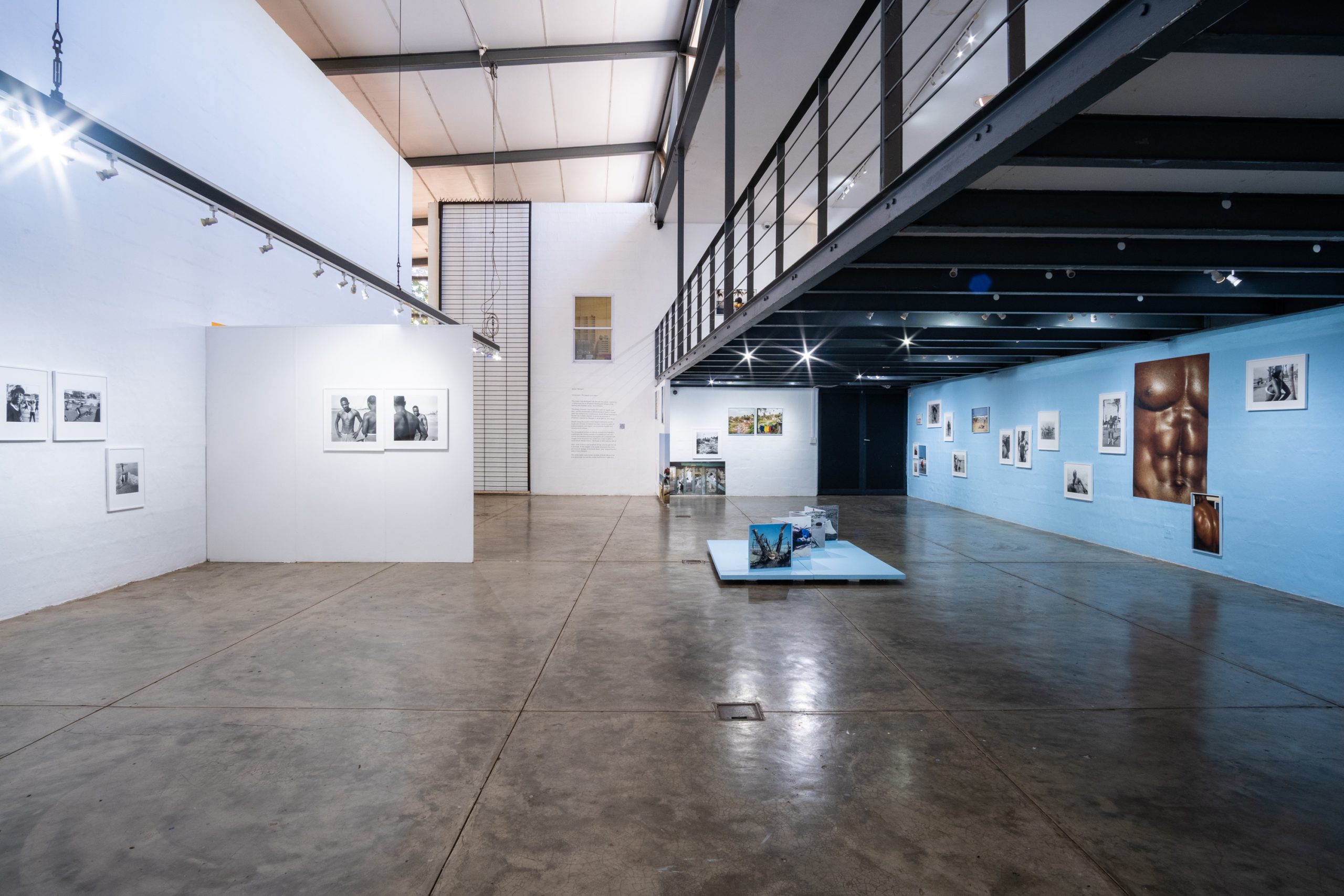
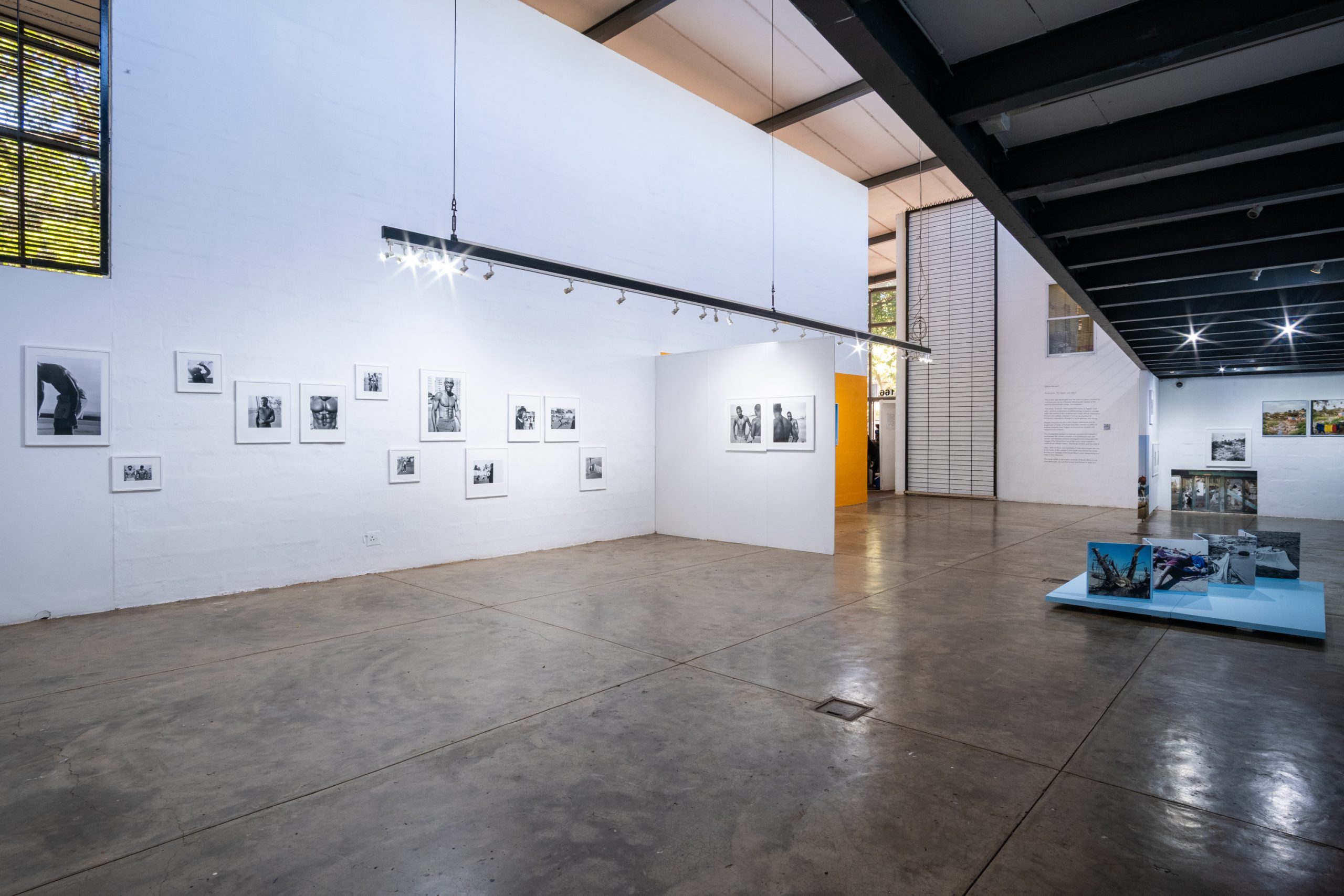
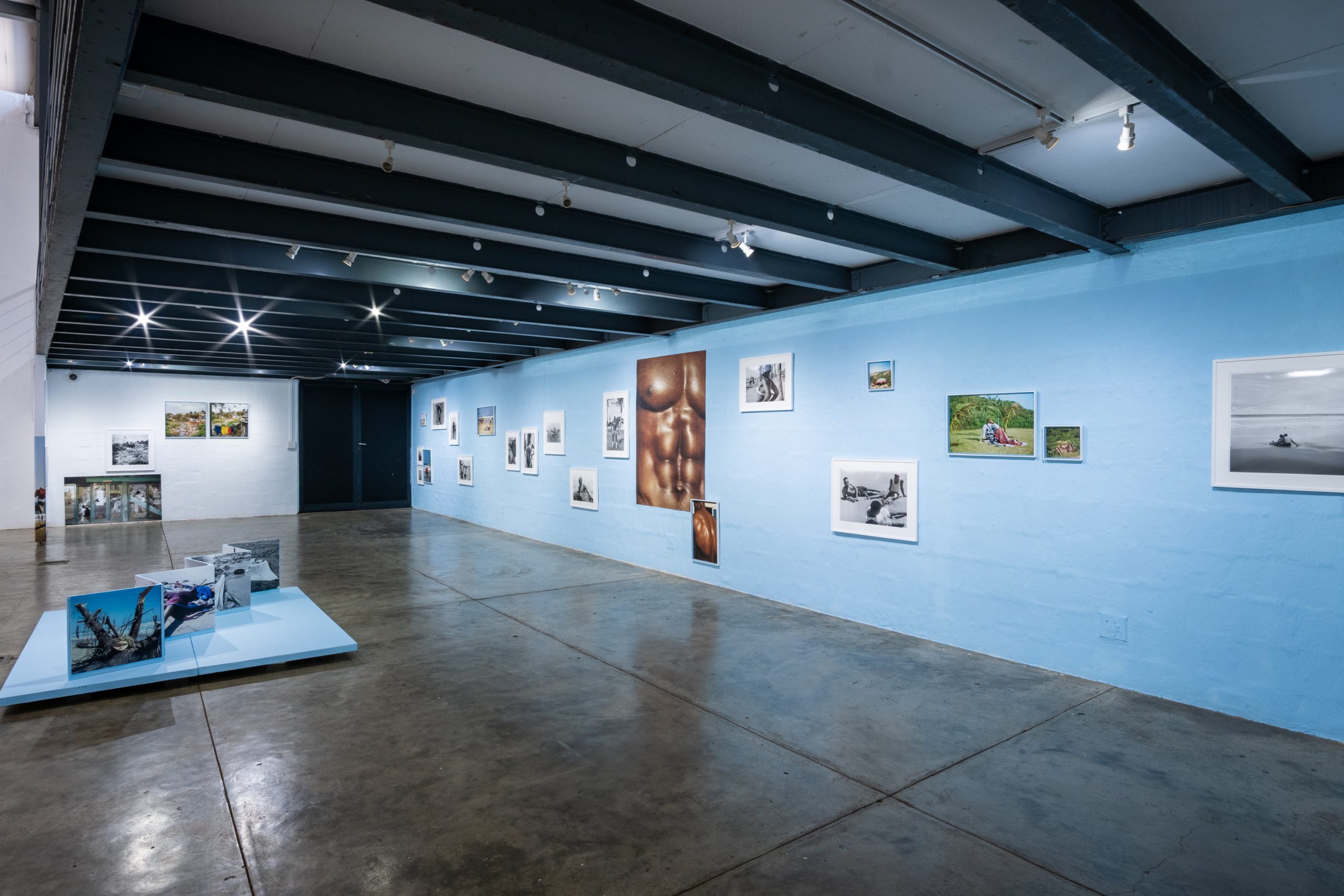
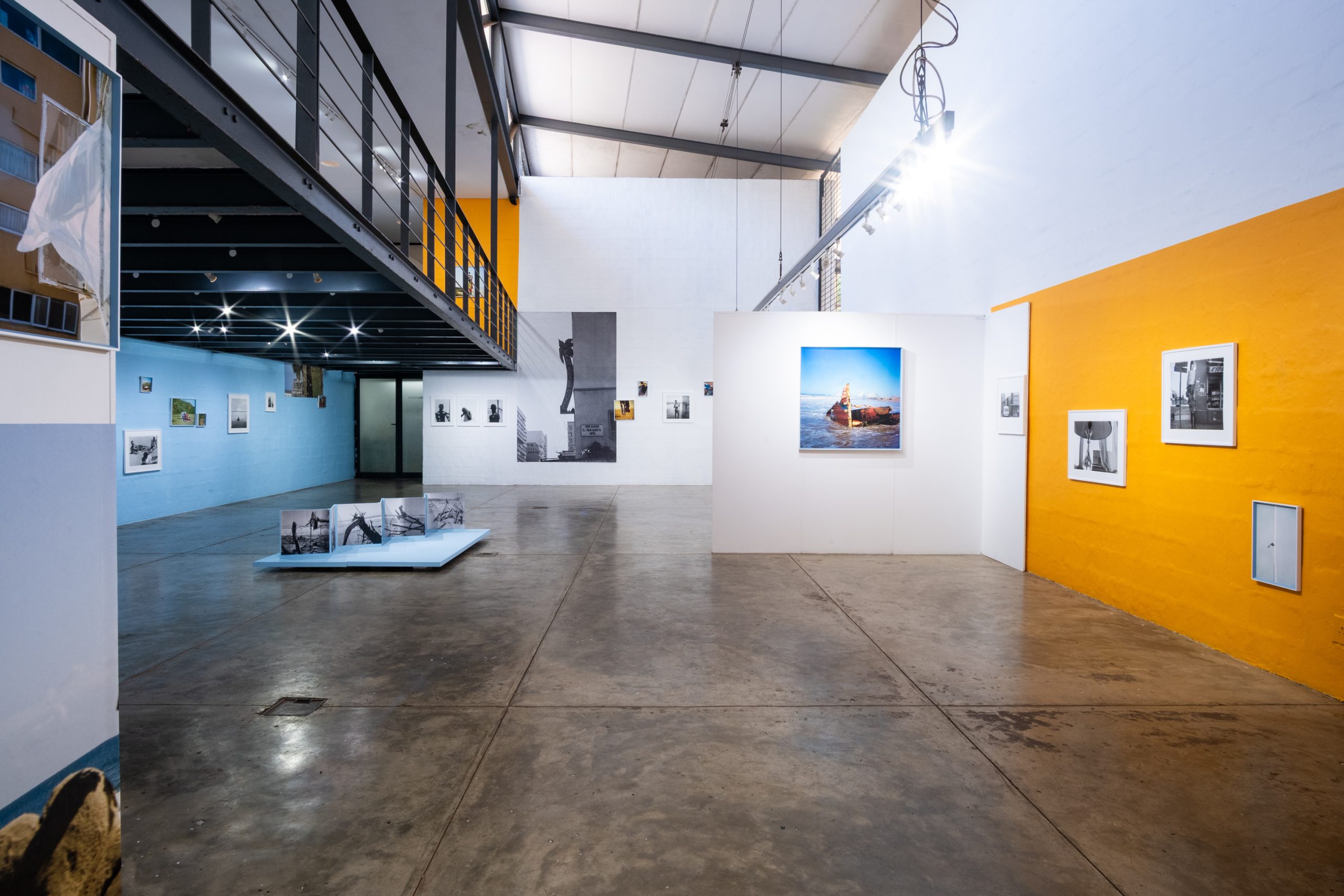
Honeymoon. The happily ever after? — Mlangeni Mlangeni
It feels special to be standing here in Durban tonight and greater pleasure to be here tonight, and
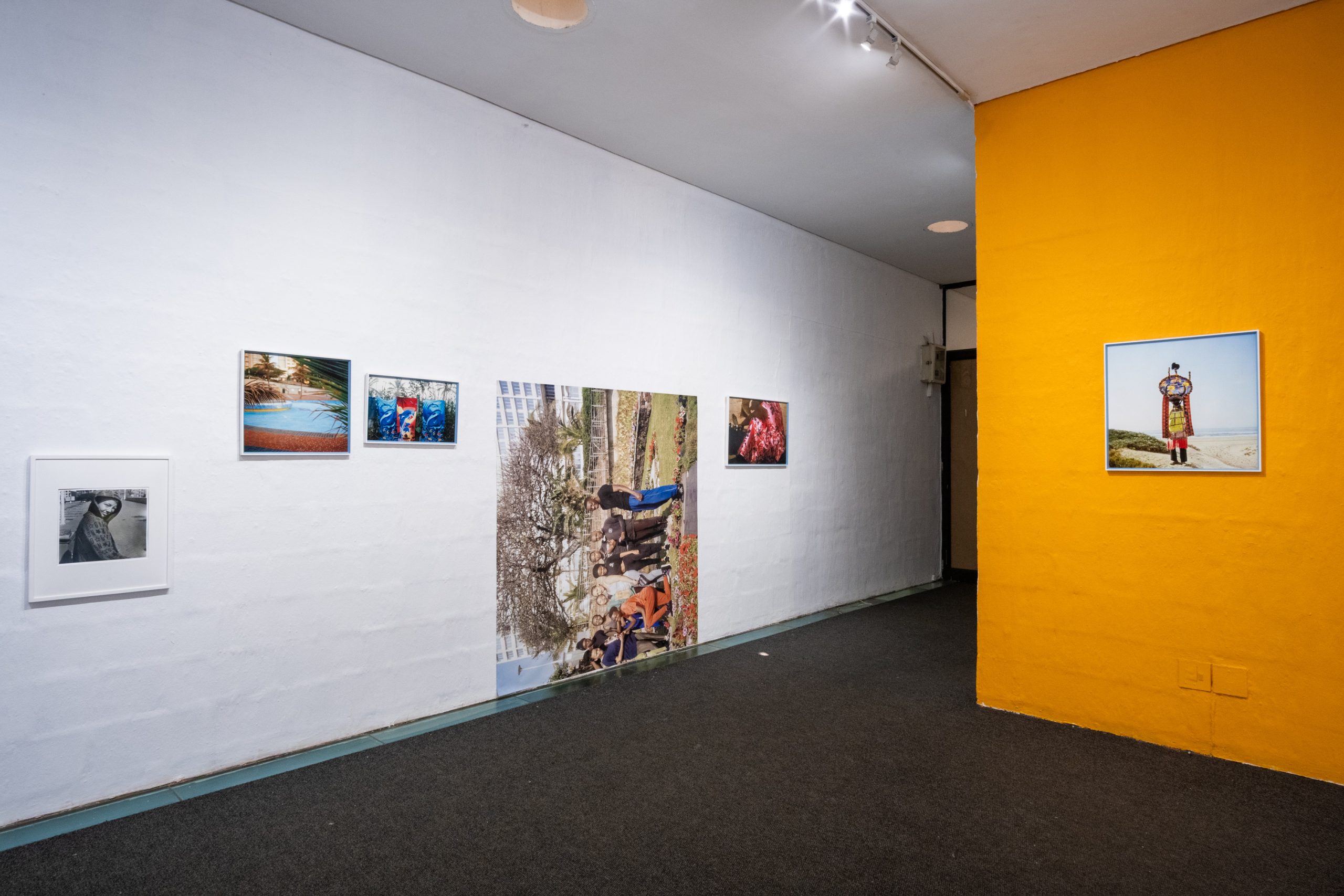
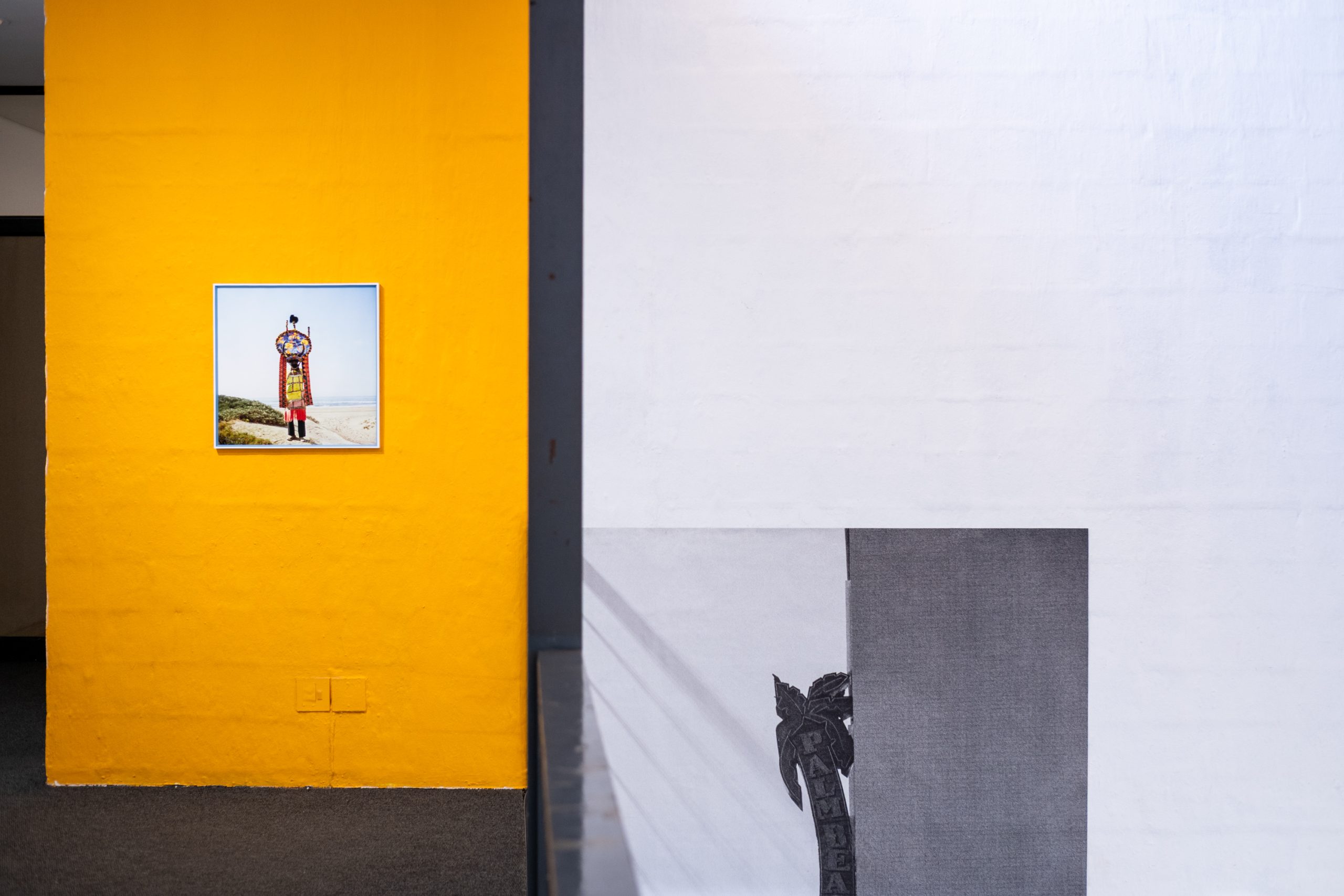
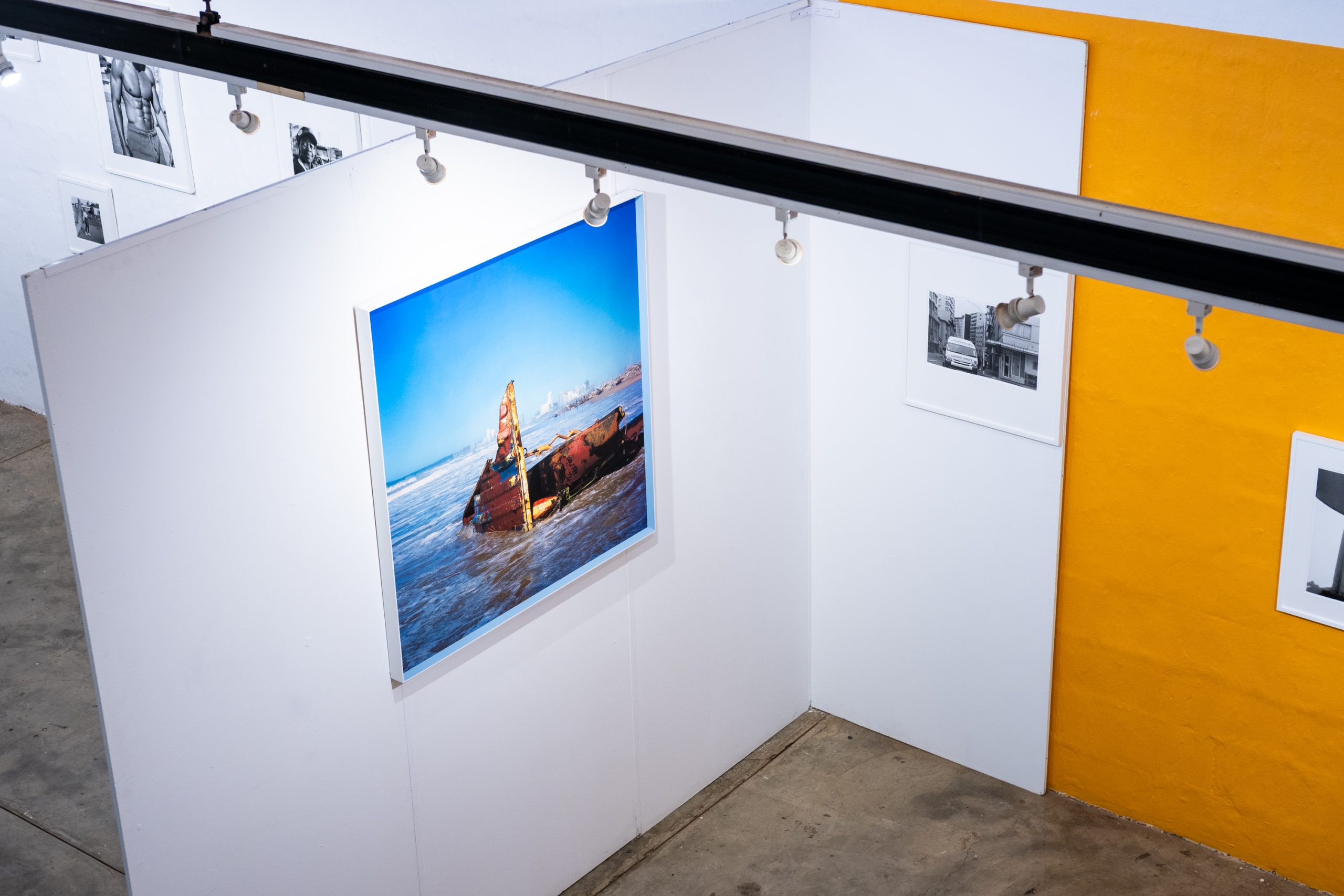
particularly meaningful to be opening Mlangeni Mlangeni’s Honeymoon. The happily ever after?
Photography, in the Durban context specifically, reminds me of the rich histories that have been
constructed here by people who understood that making photographs is not only about people who
make us pay attention to our environments but who also made us understand the relationship we have
with the world better. I think of Omar Badsha and his work surrounding working-class communities and
of the important role photography has played in documenting lives and heritage that too often goes
unseen. I also think of Peter McKenzie, whose contribution to photographic education and mentorship
in KwaZulu-Natal helped create opportunities for other photographers, like myself, through the
photography collective, Durban Centre for Photography.
There is also Malume Rafs Mayet, who also happens to be here with us today; a photographer who has
spent decades documenting Durban and its communities, from the political and social life of the city to
its music and everyday spaces.
This strong history and legacy is significant to me because it acts as a constant nudge that photography
is not just about the photograph. It’s about who gets to create them, whose stories are told and the
connections that allow us to see each other in new ways.
So, standing here tonight, I am interested in what Mlangeni brings to this history and in what his
photographs ask of us as viewers.
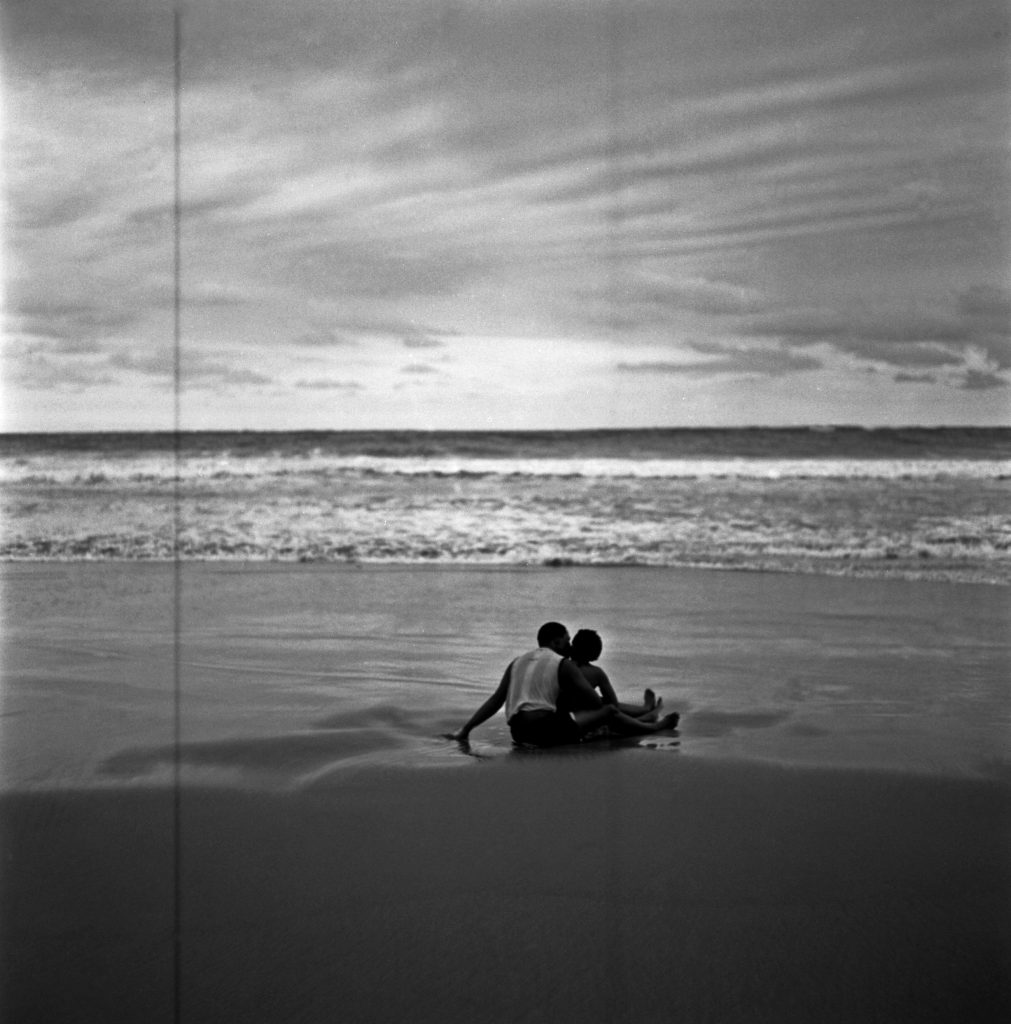
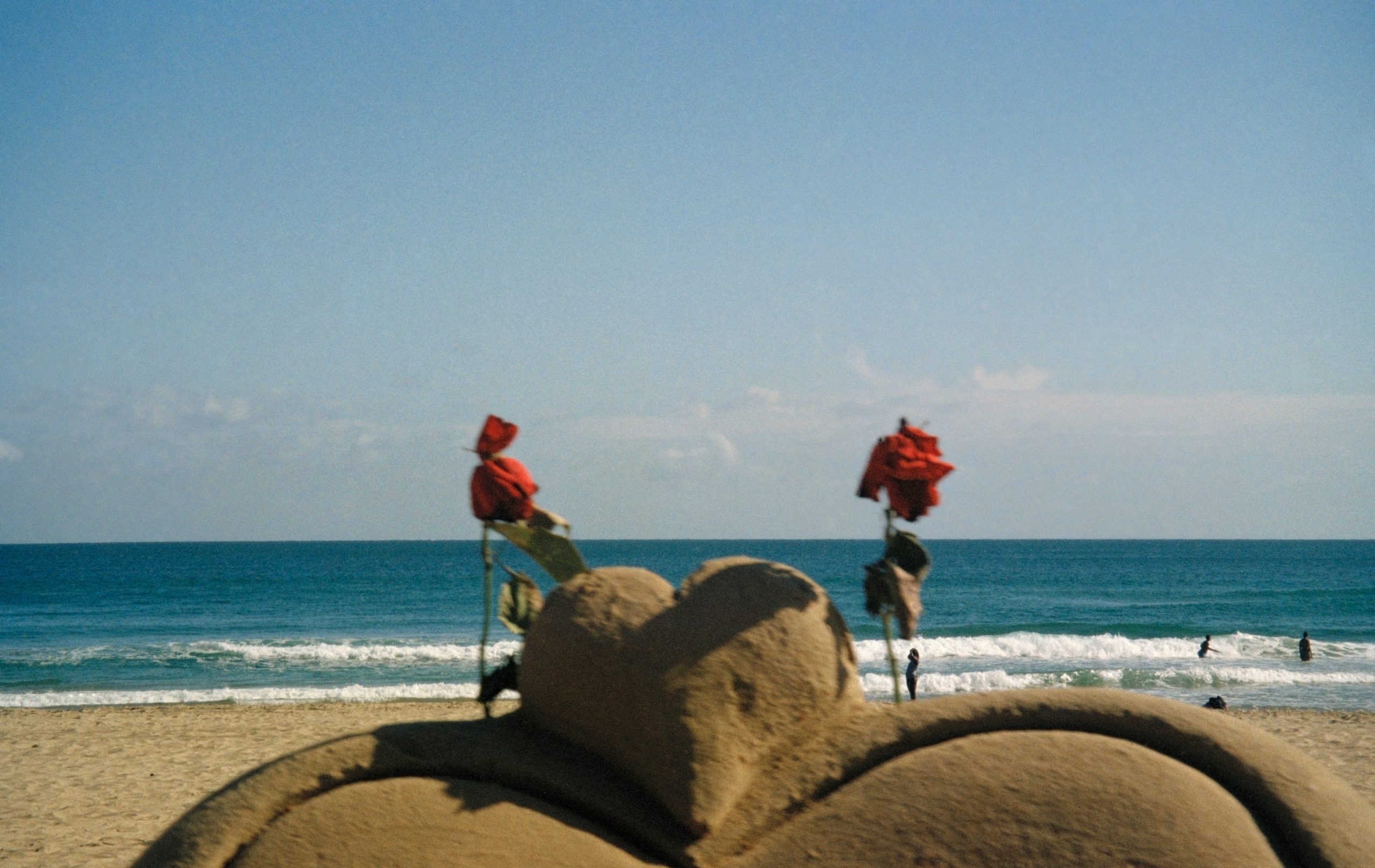
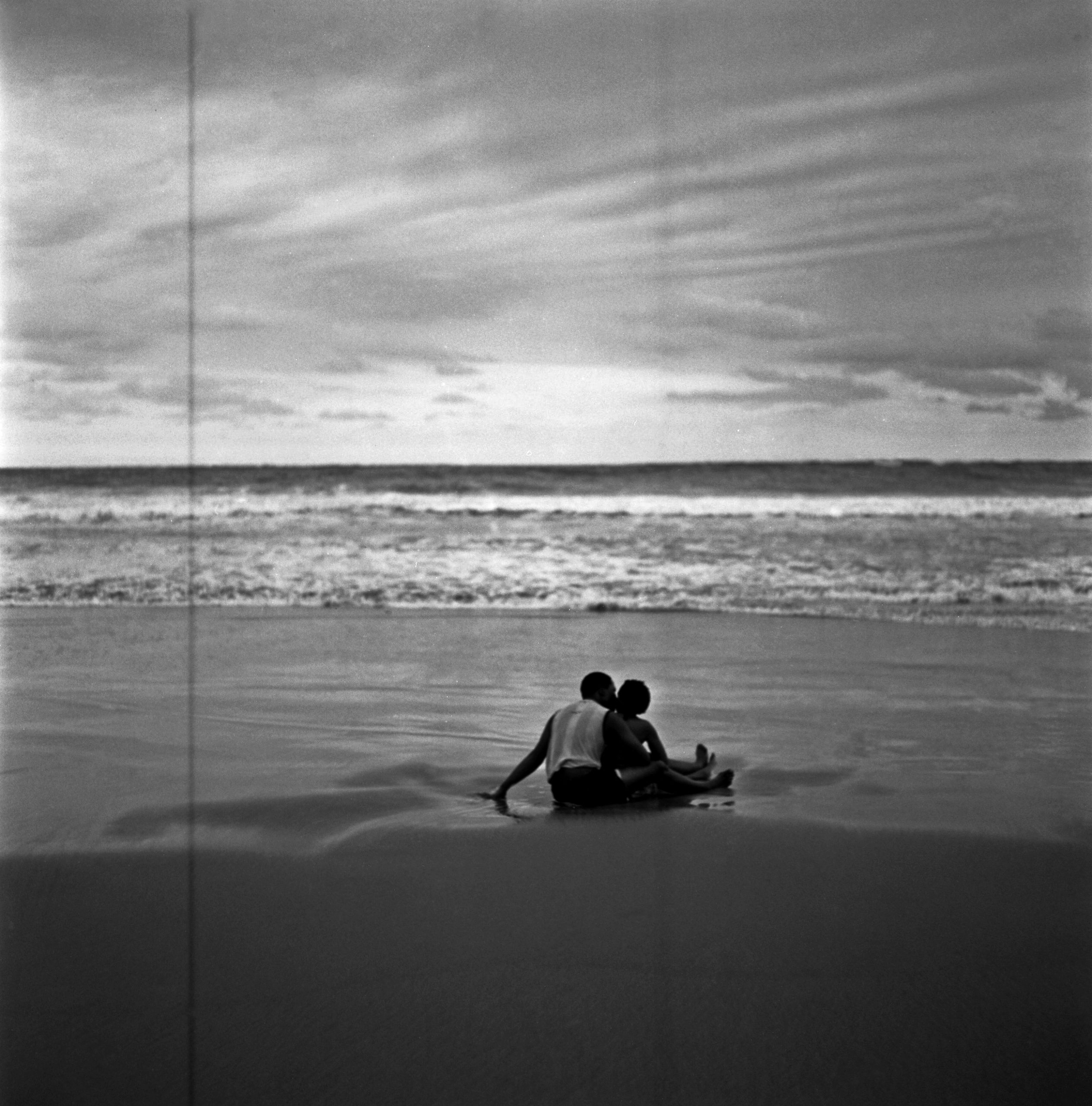
The title, Honeymoon. The happily ever after? Already has some connotations to romance, happiness,
intimacy and hope for a happy and desirable ending. But that question mark makes us pause. It asks us
to consider what happens after the idealised moment, when we return to everyday life and have to live
with all its contradictions.
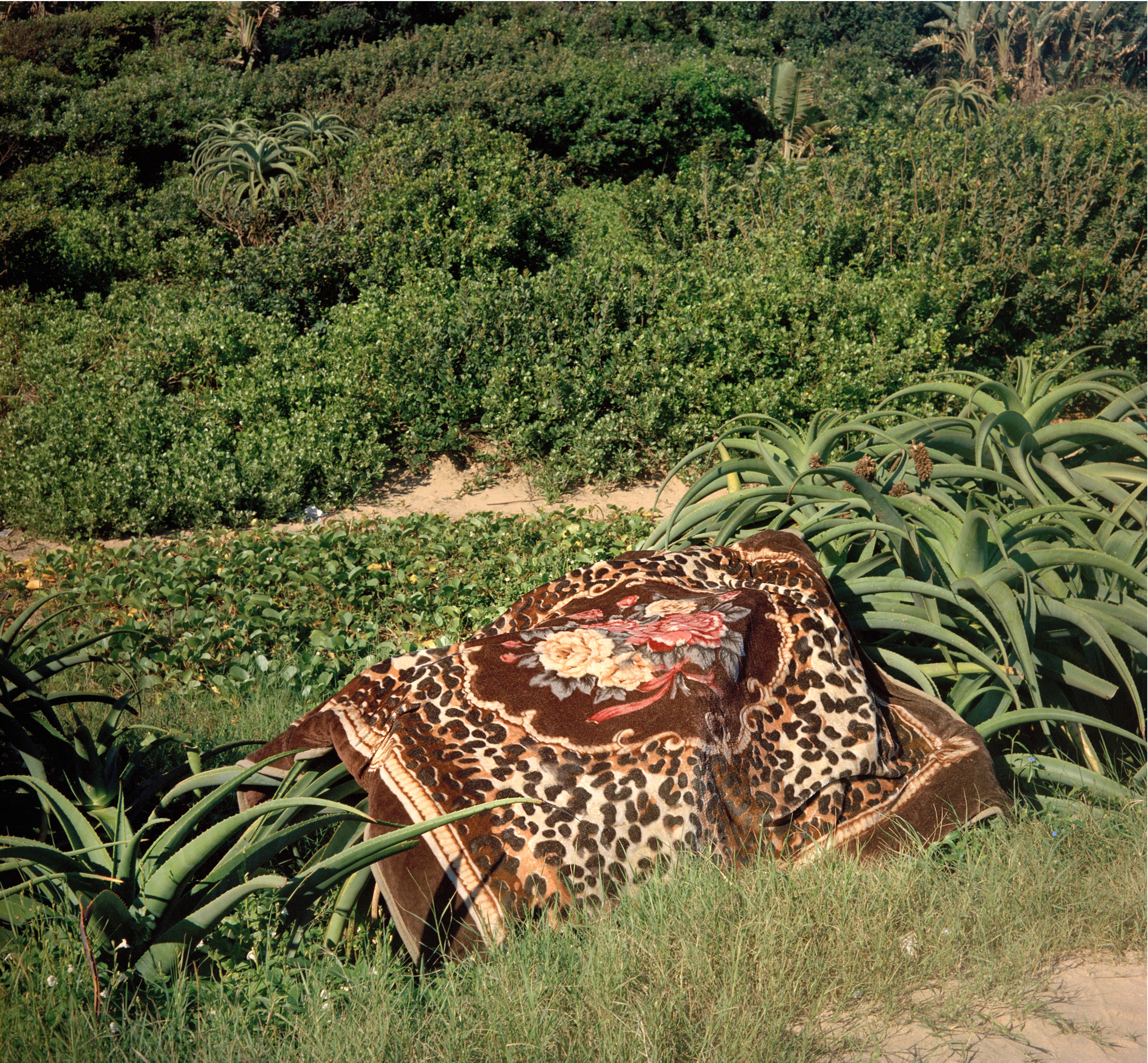
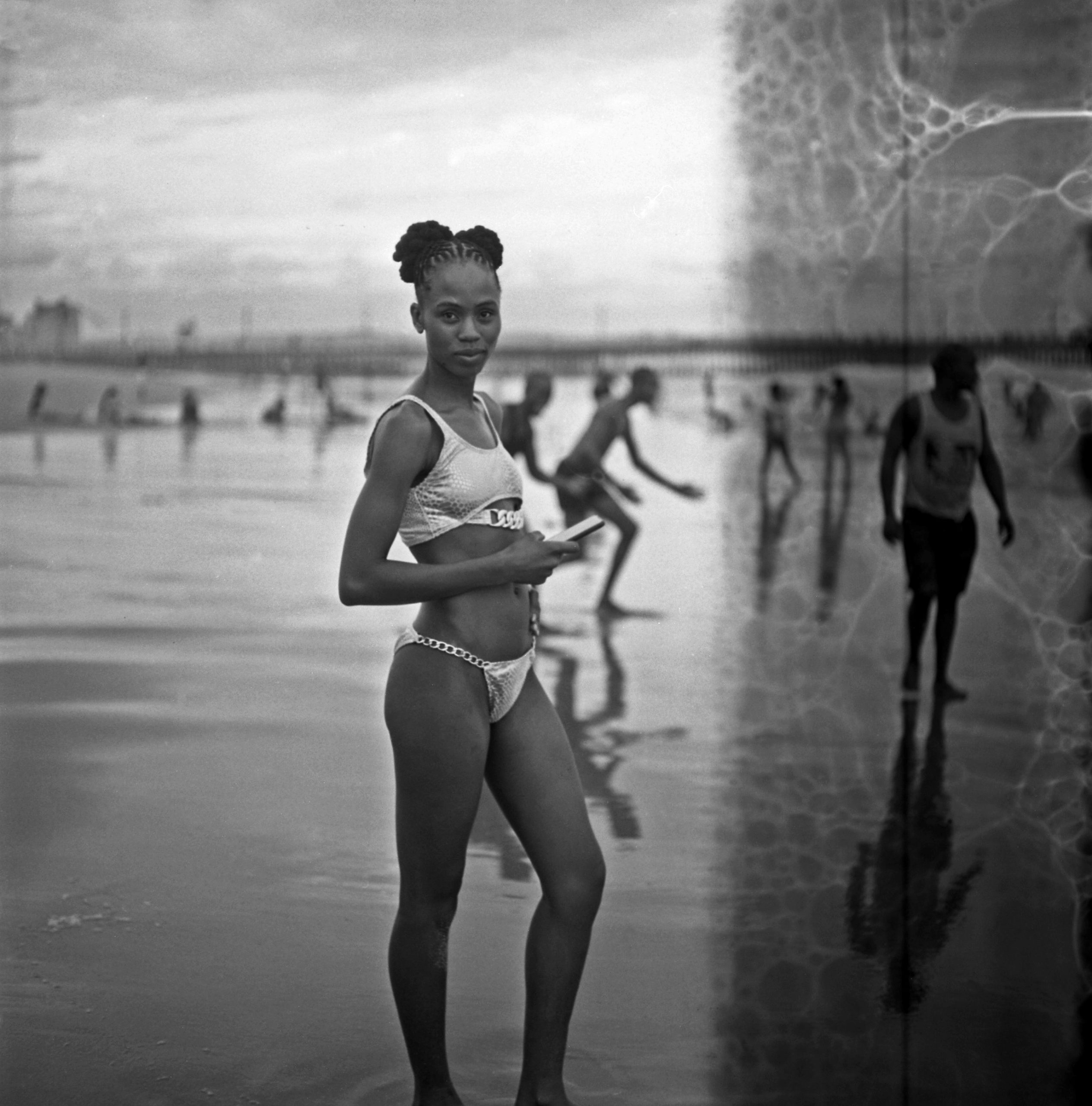
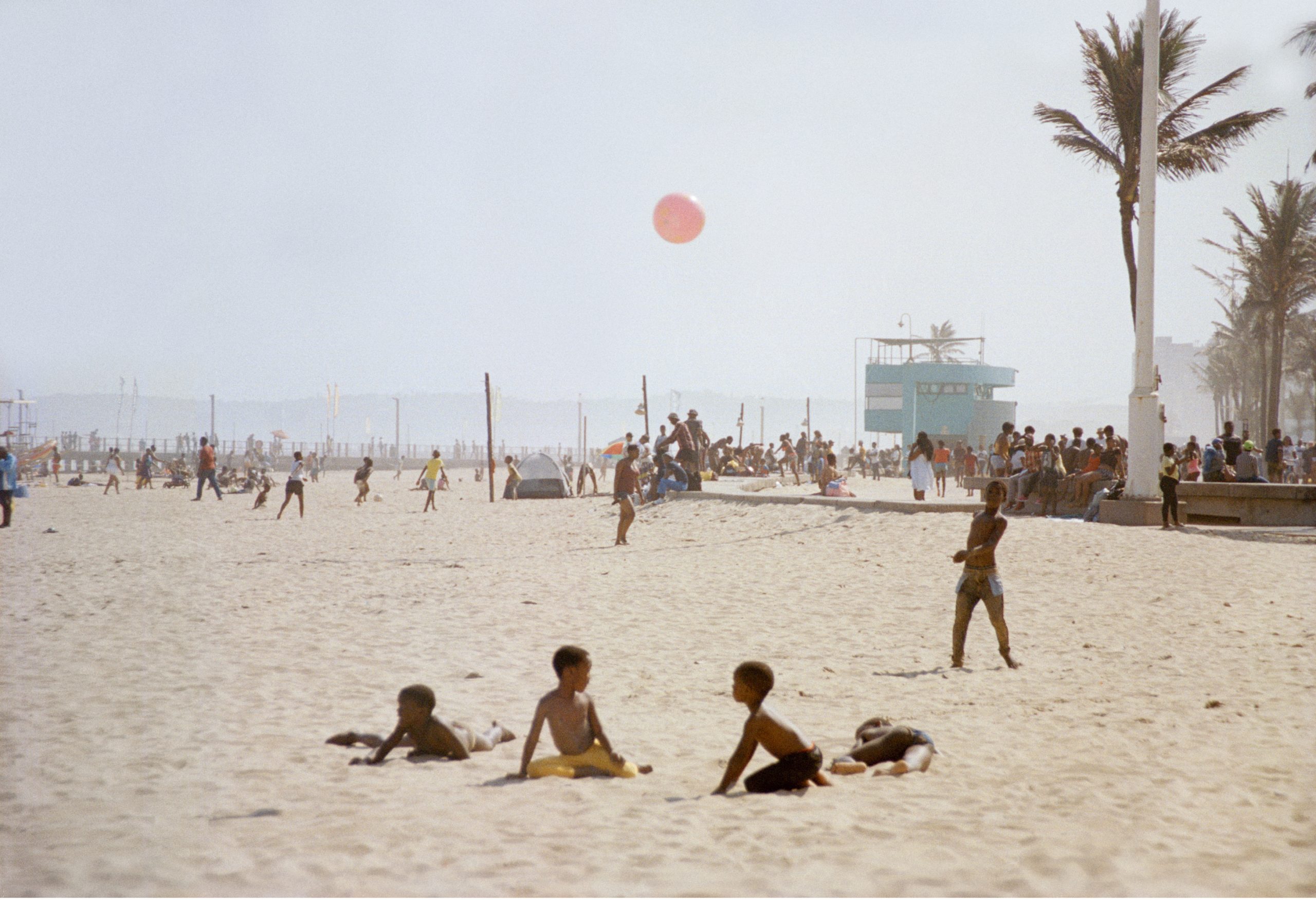
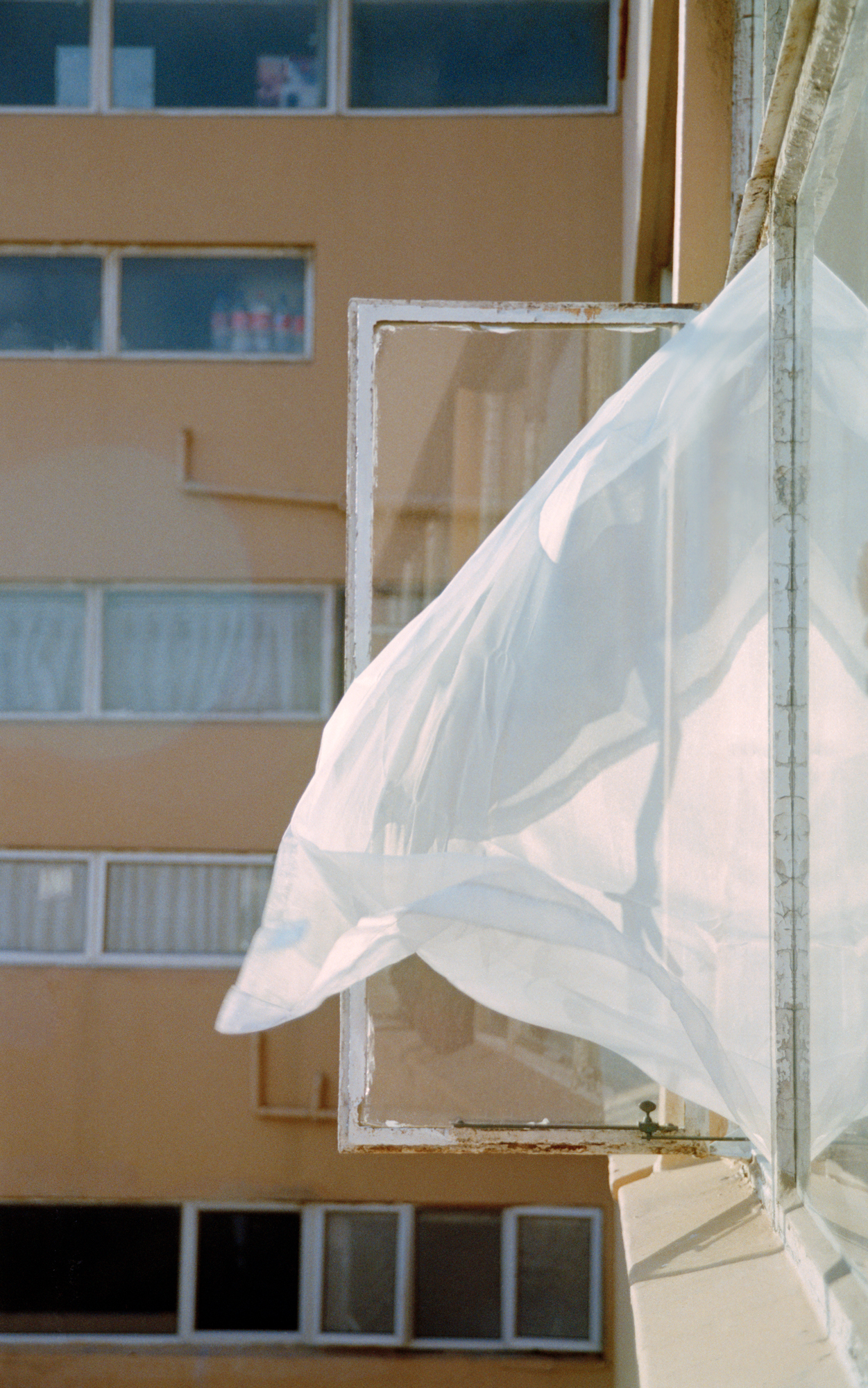
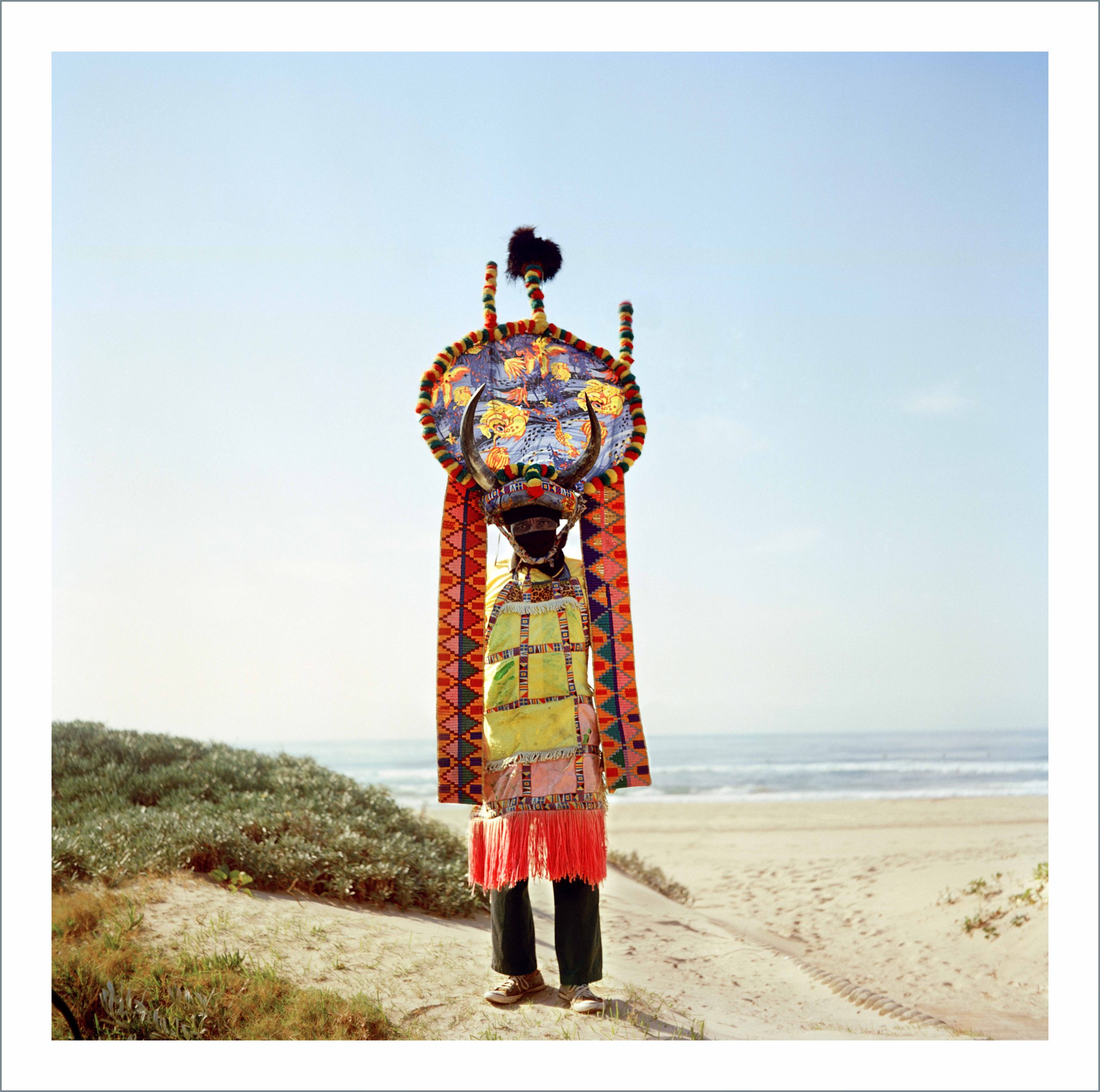
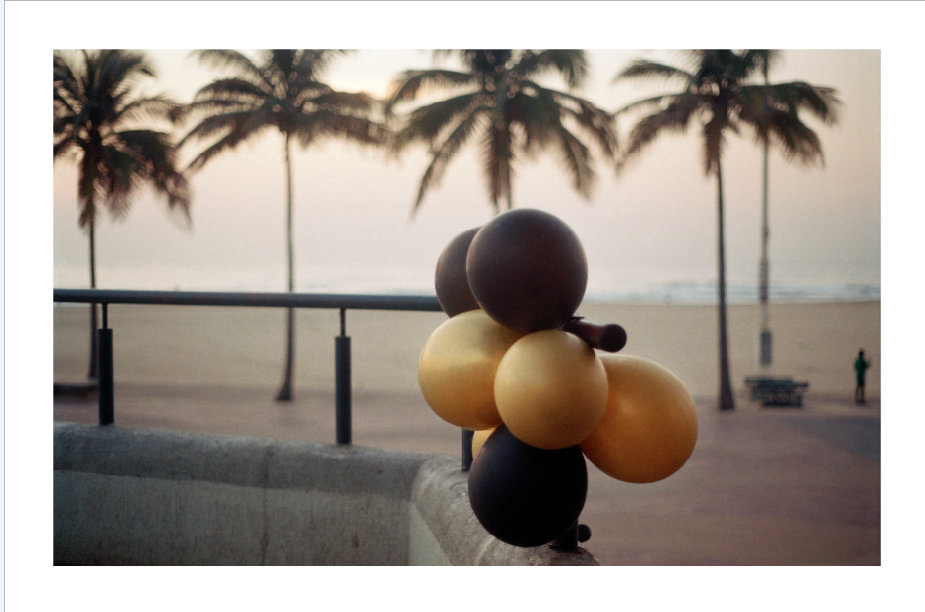
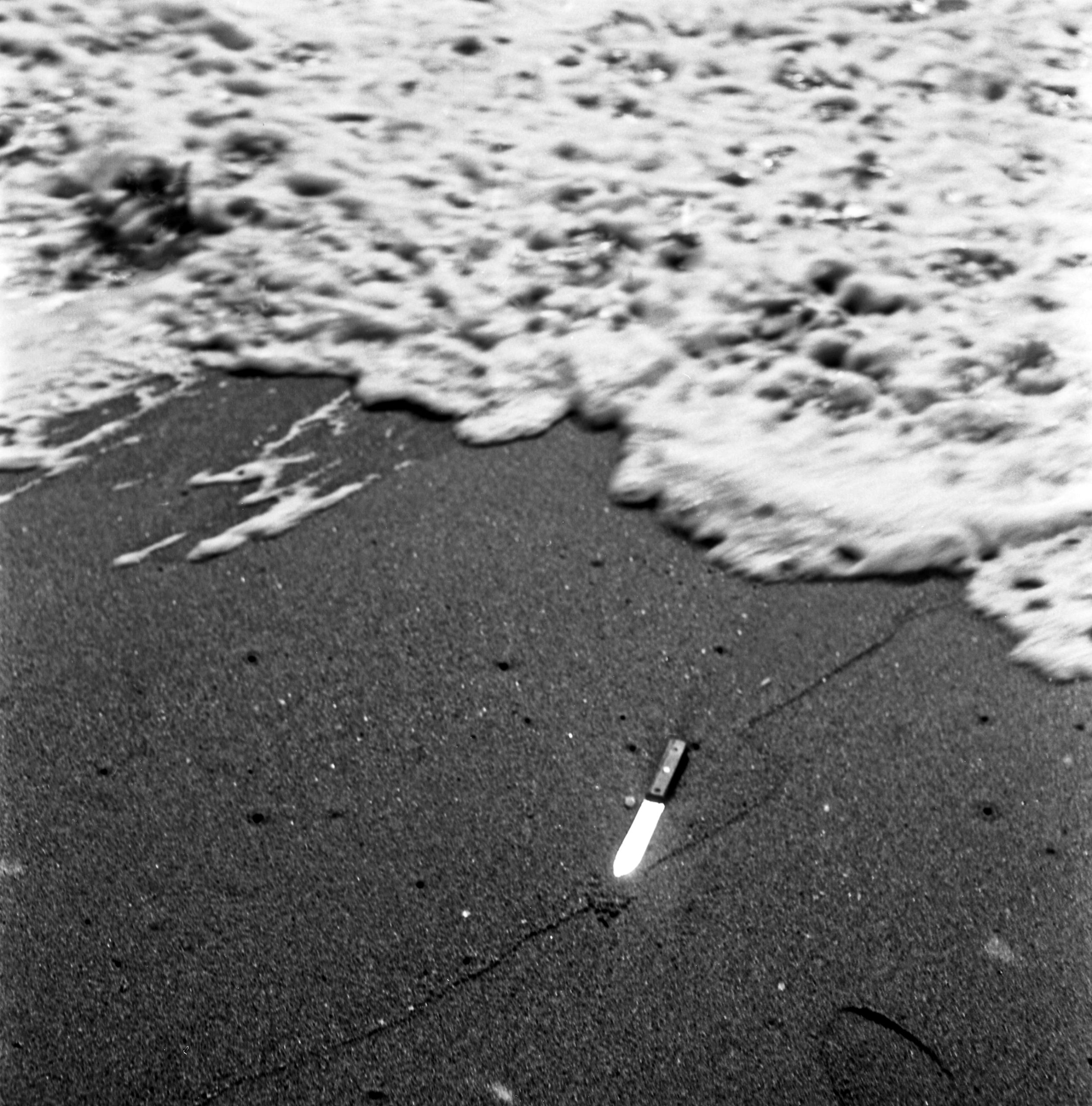
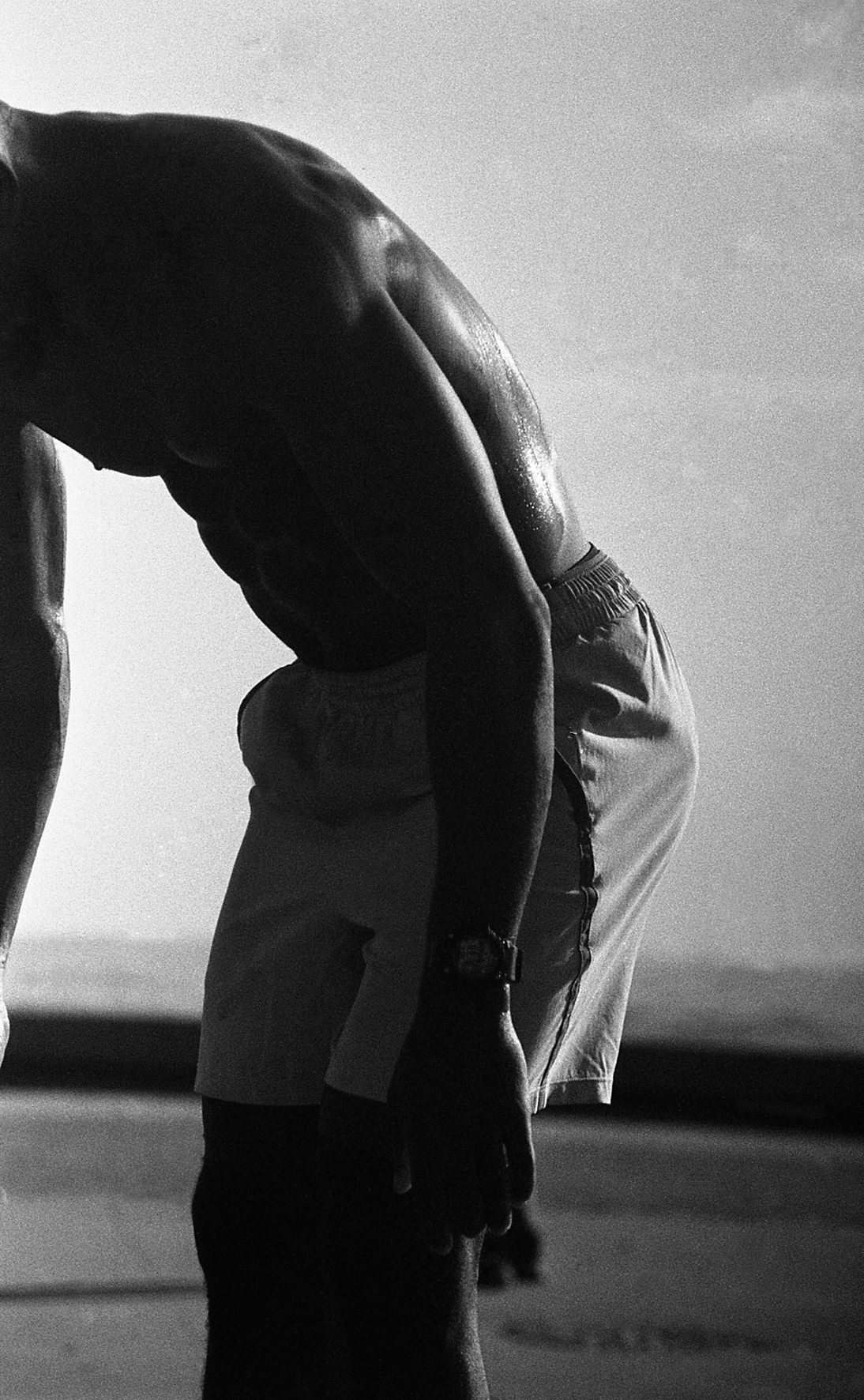
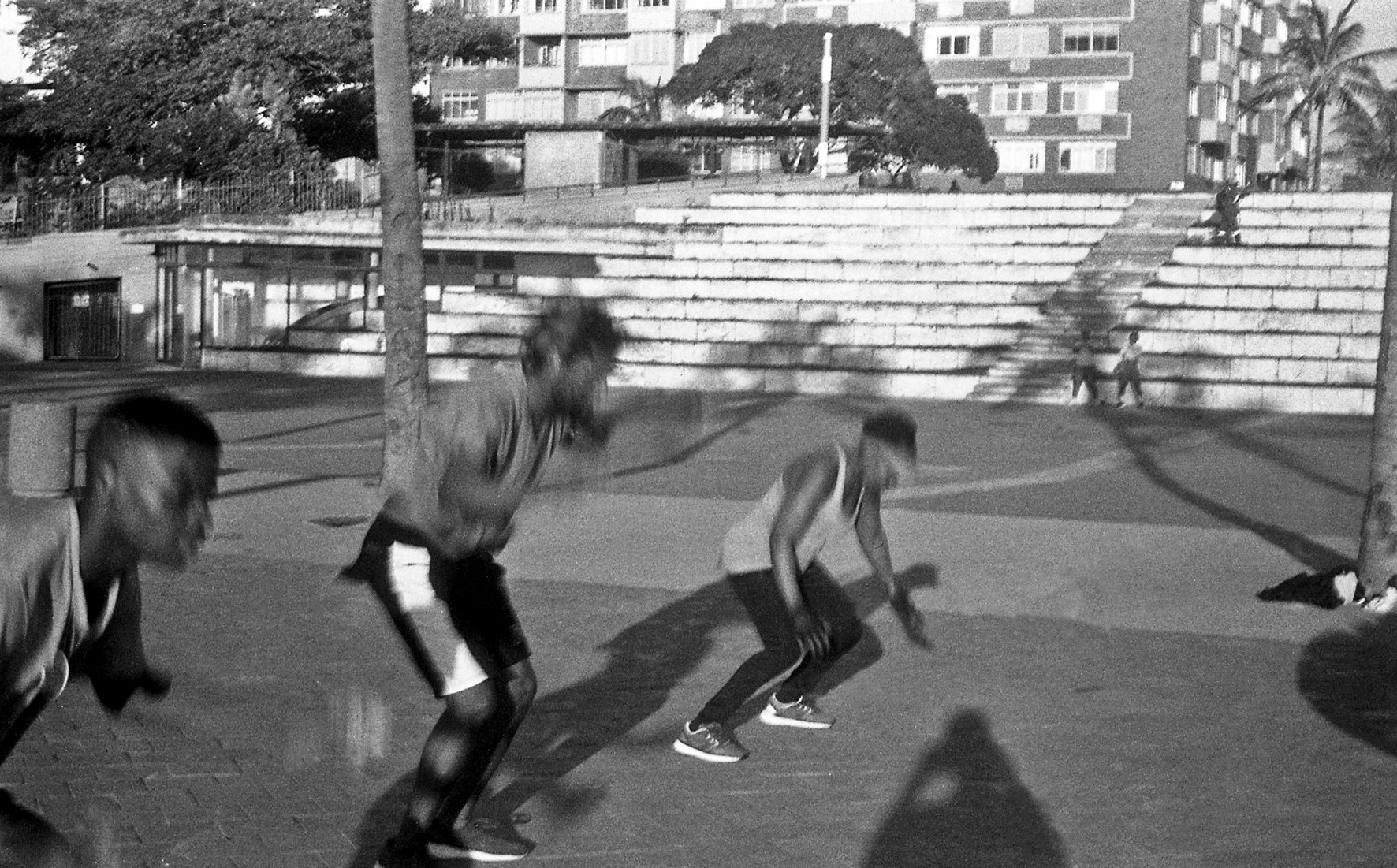
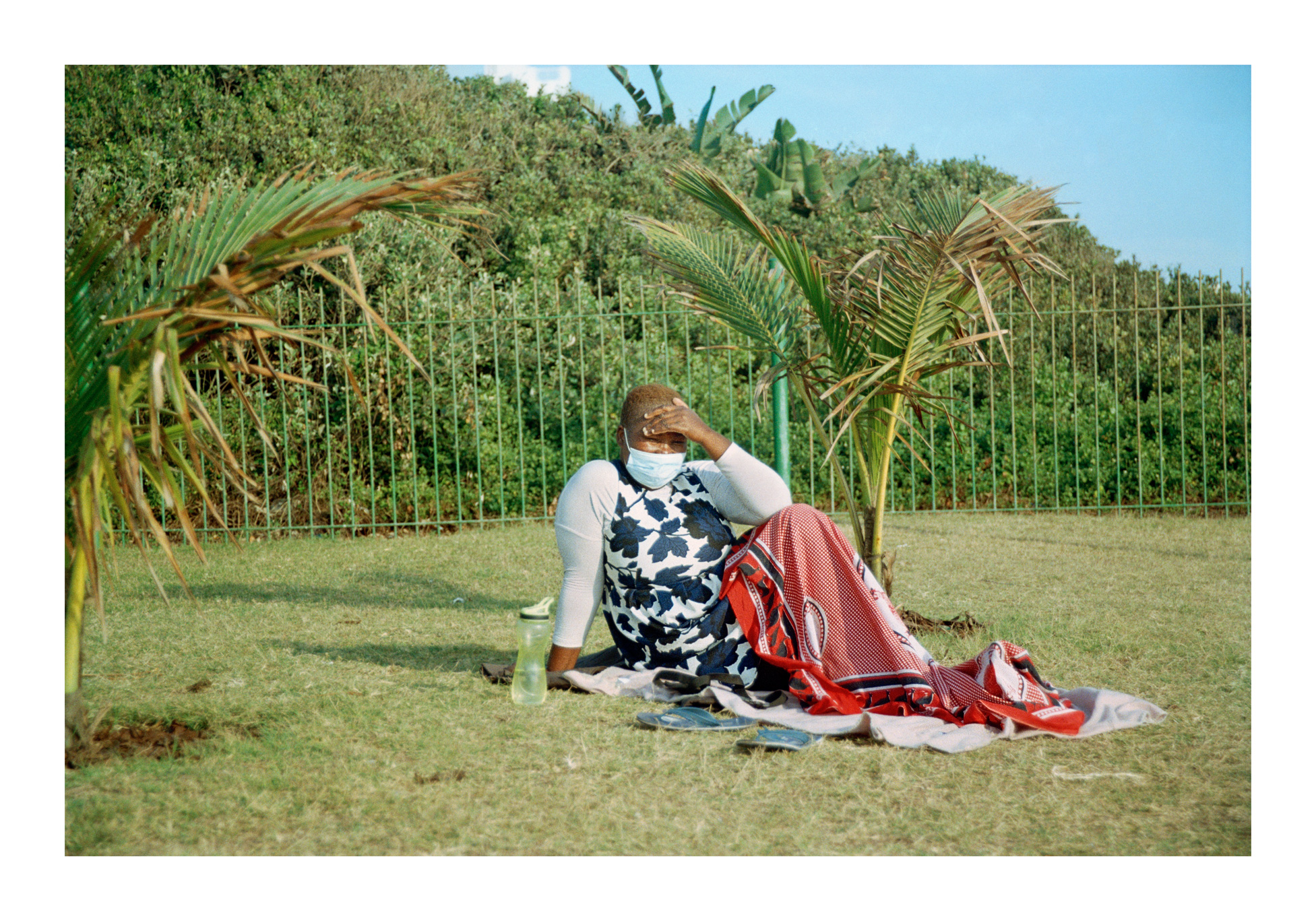
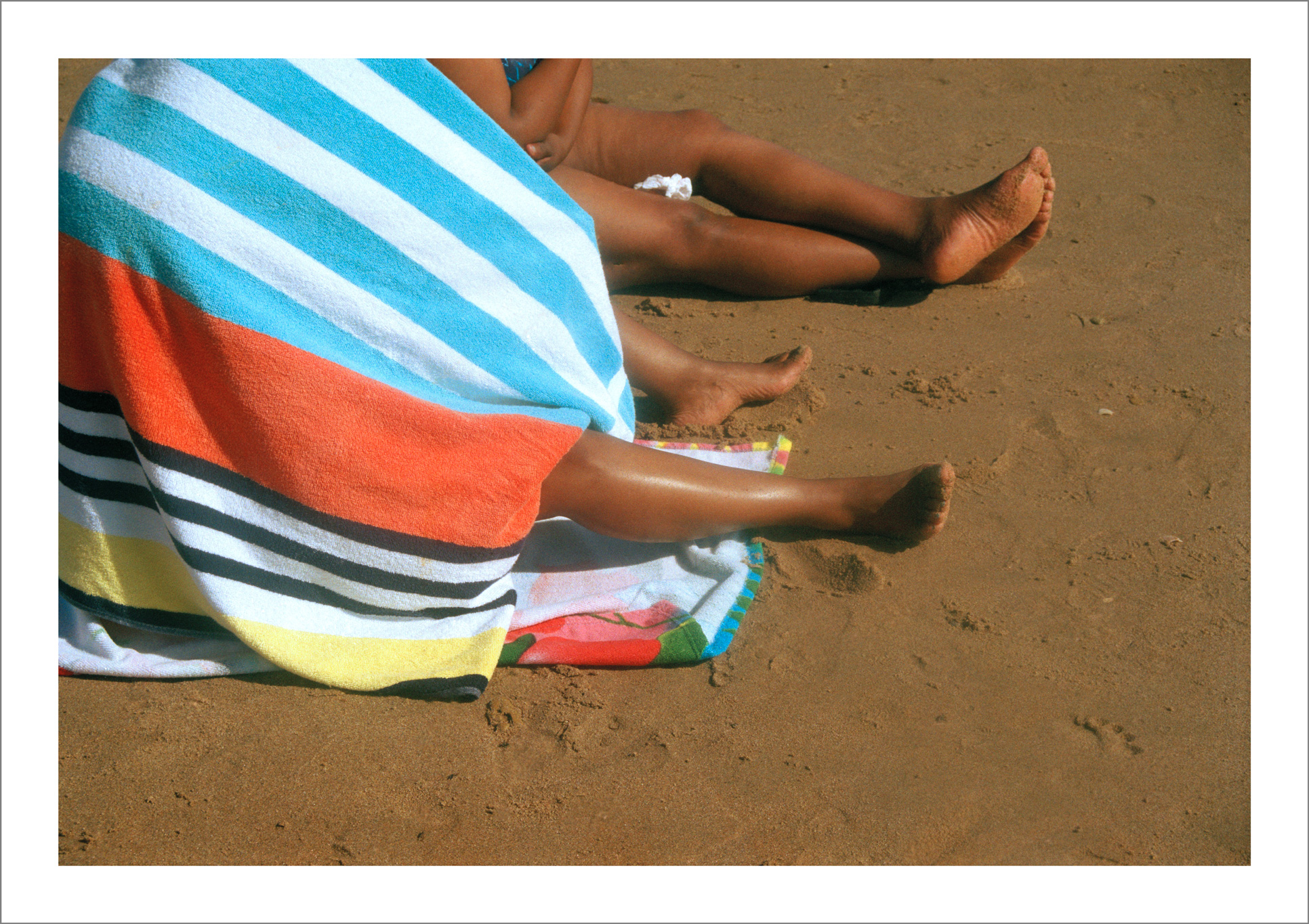
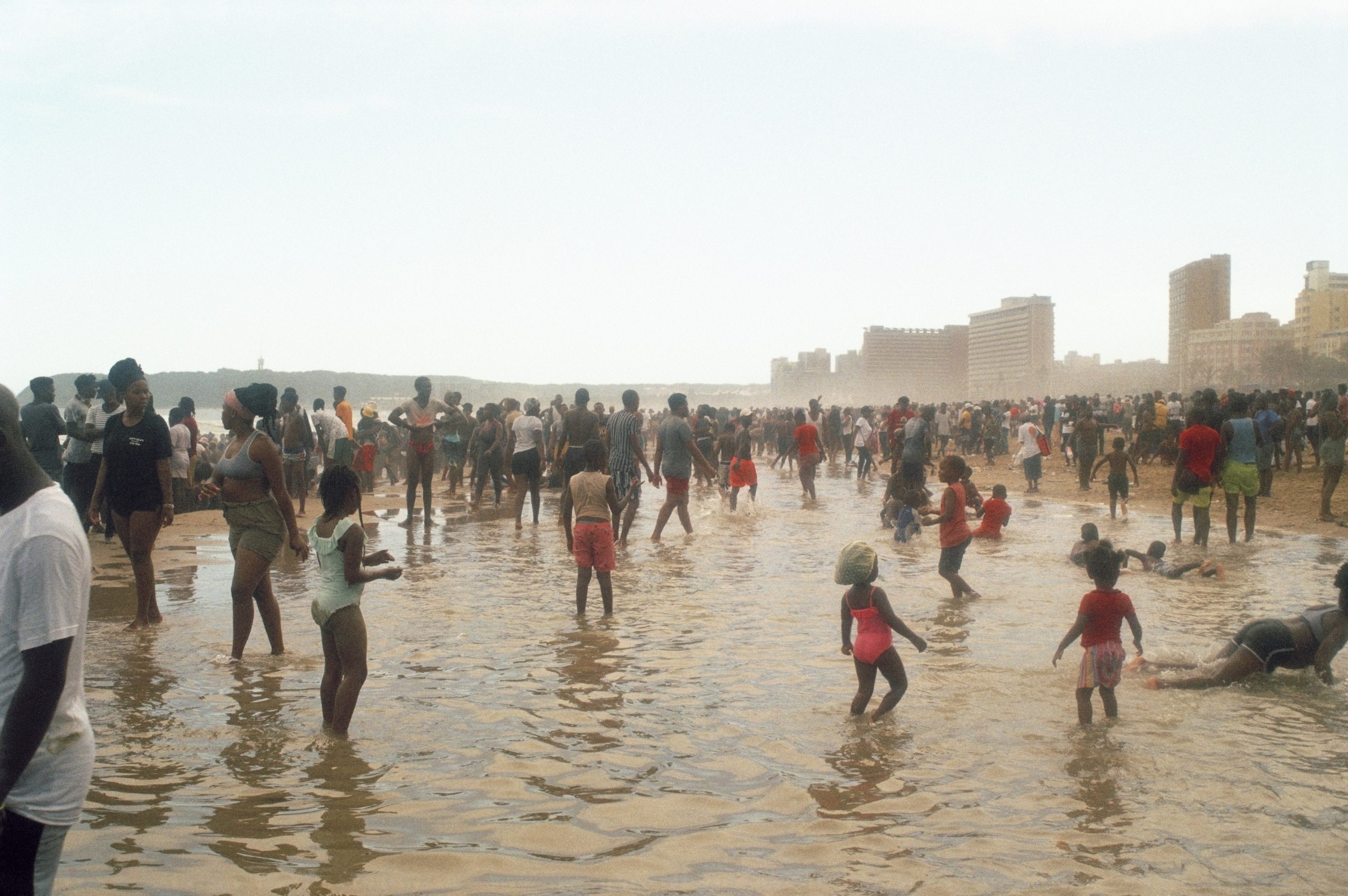
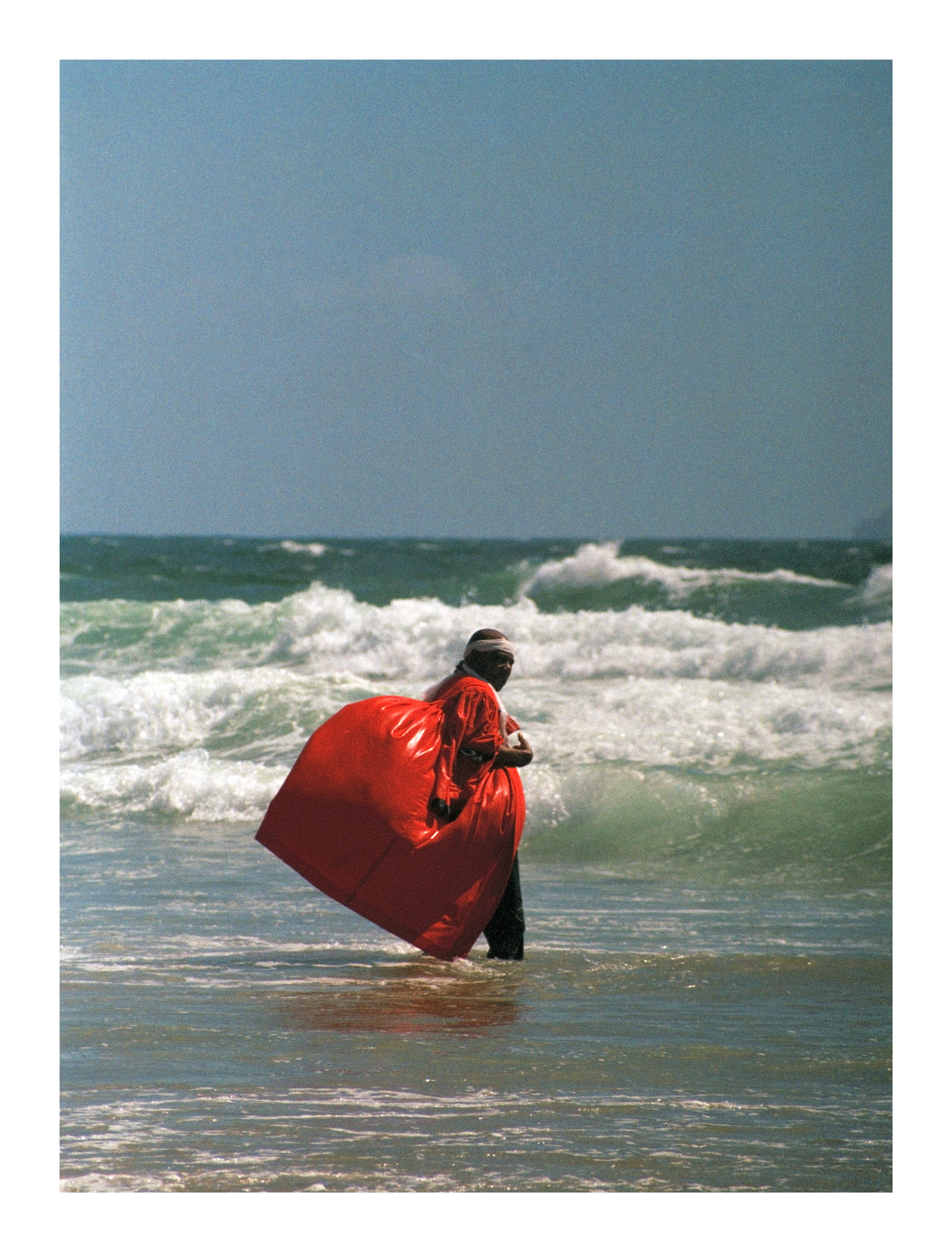
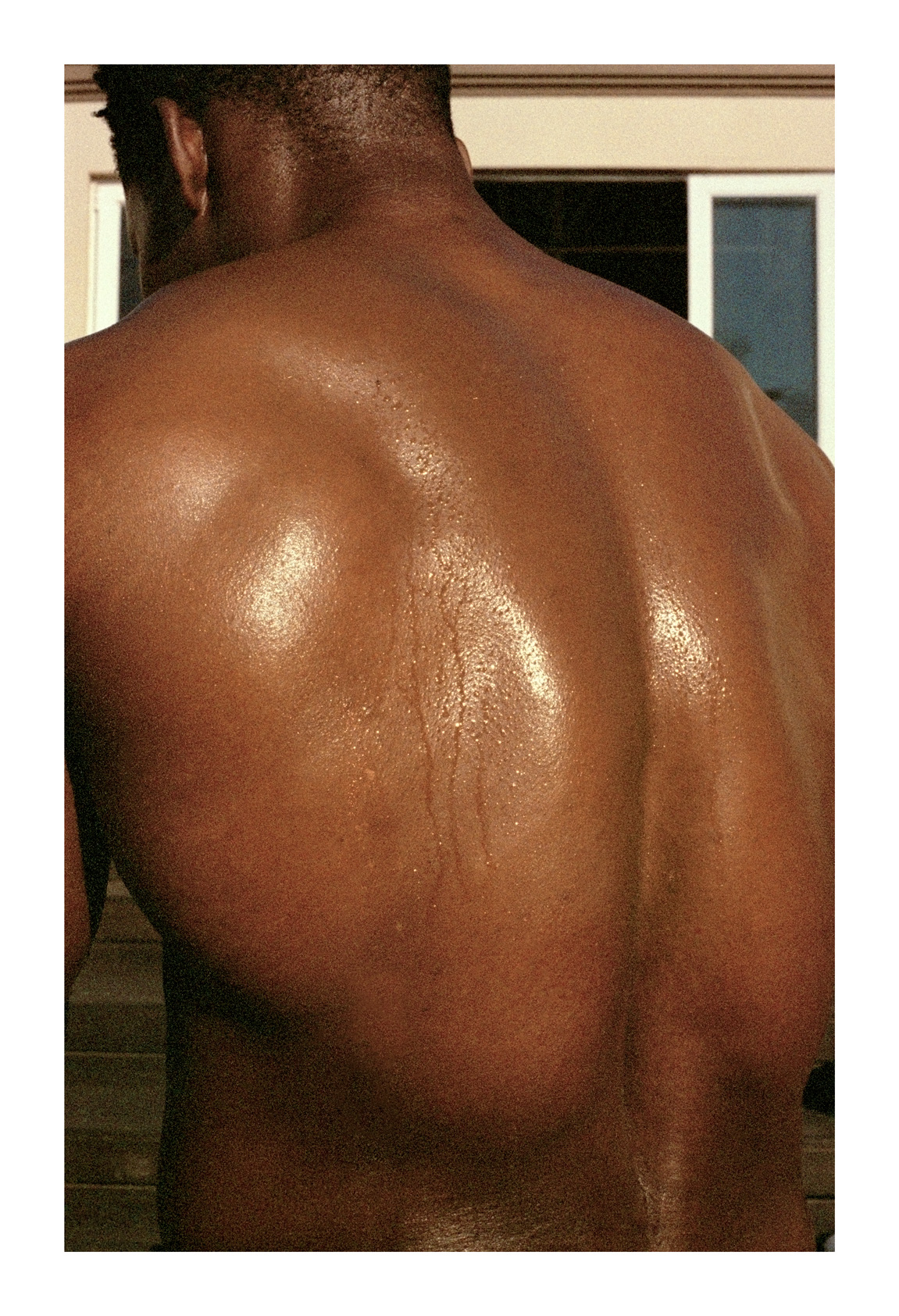
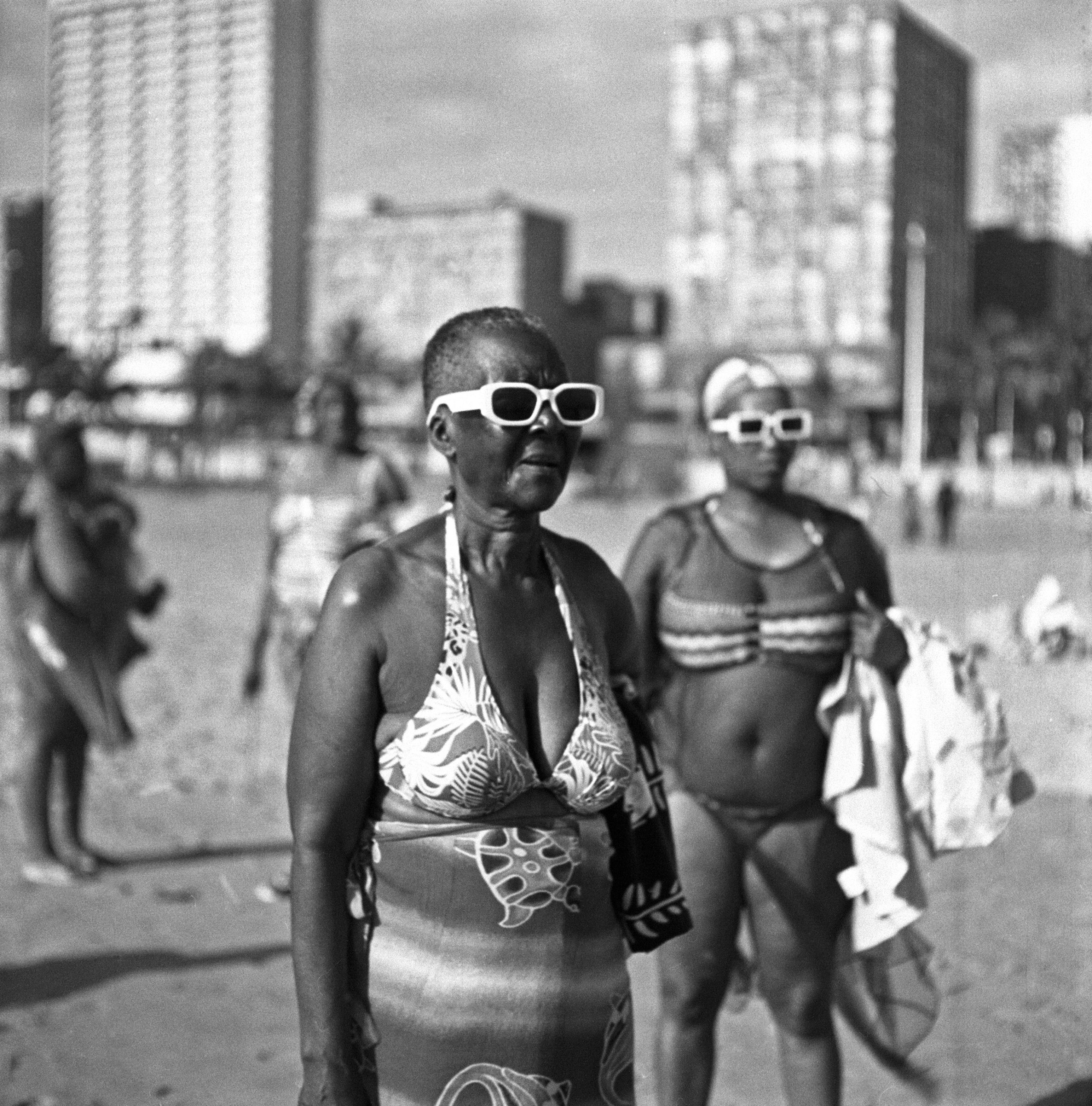
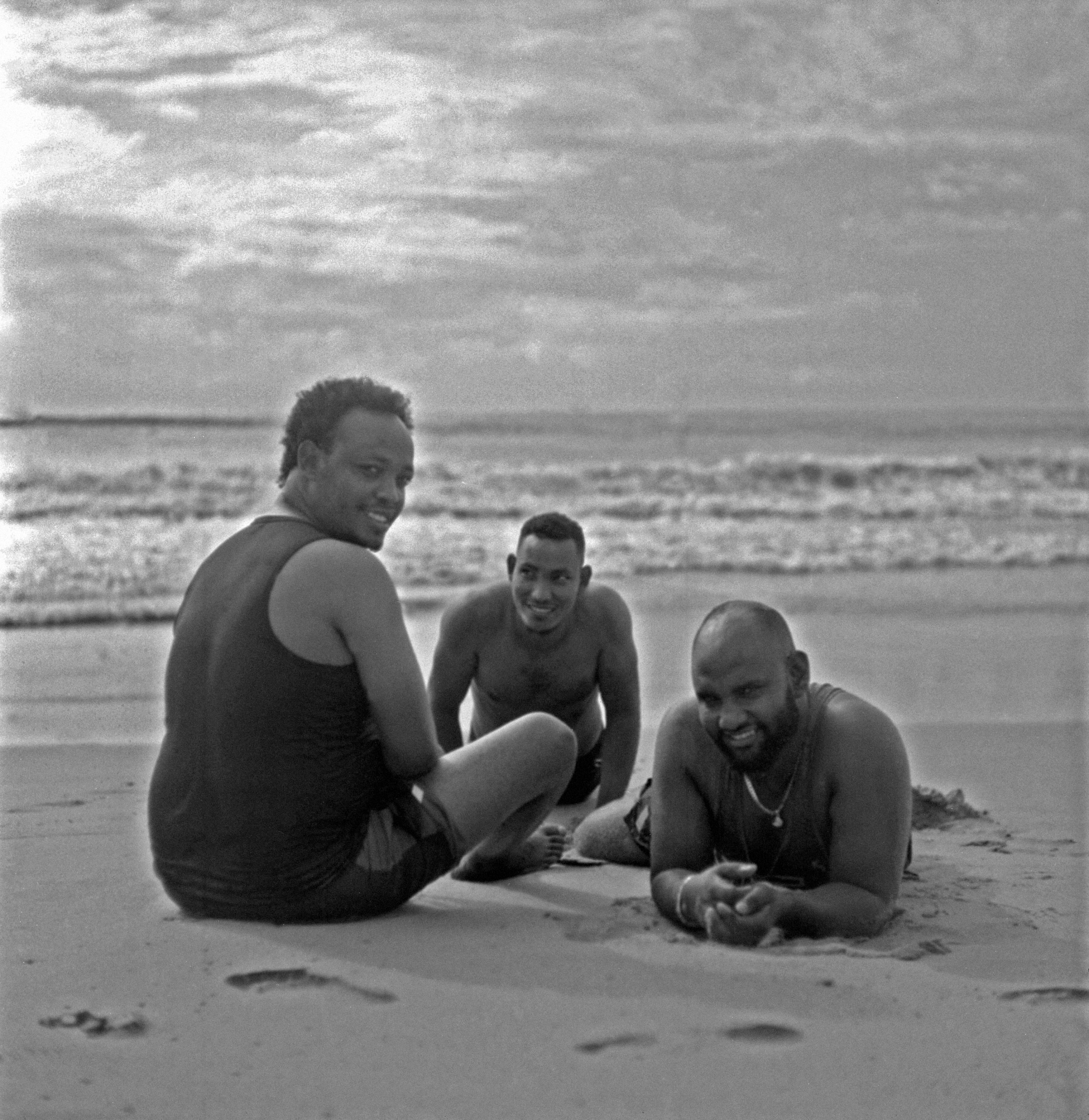
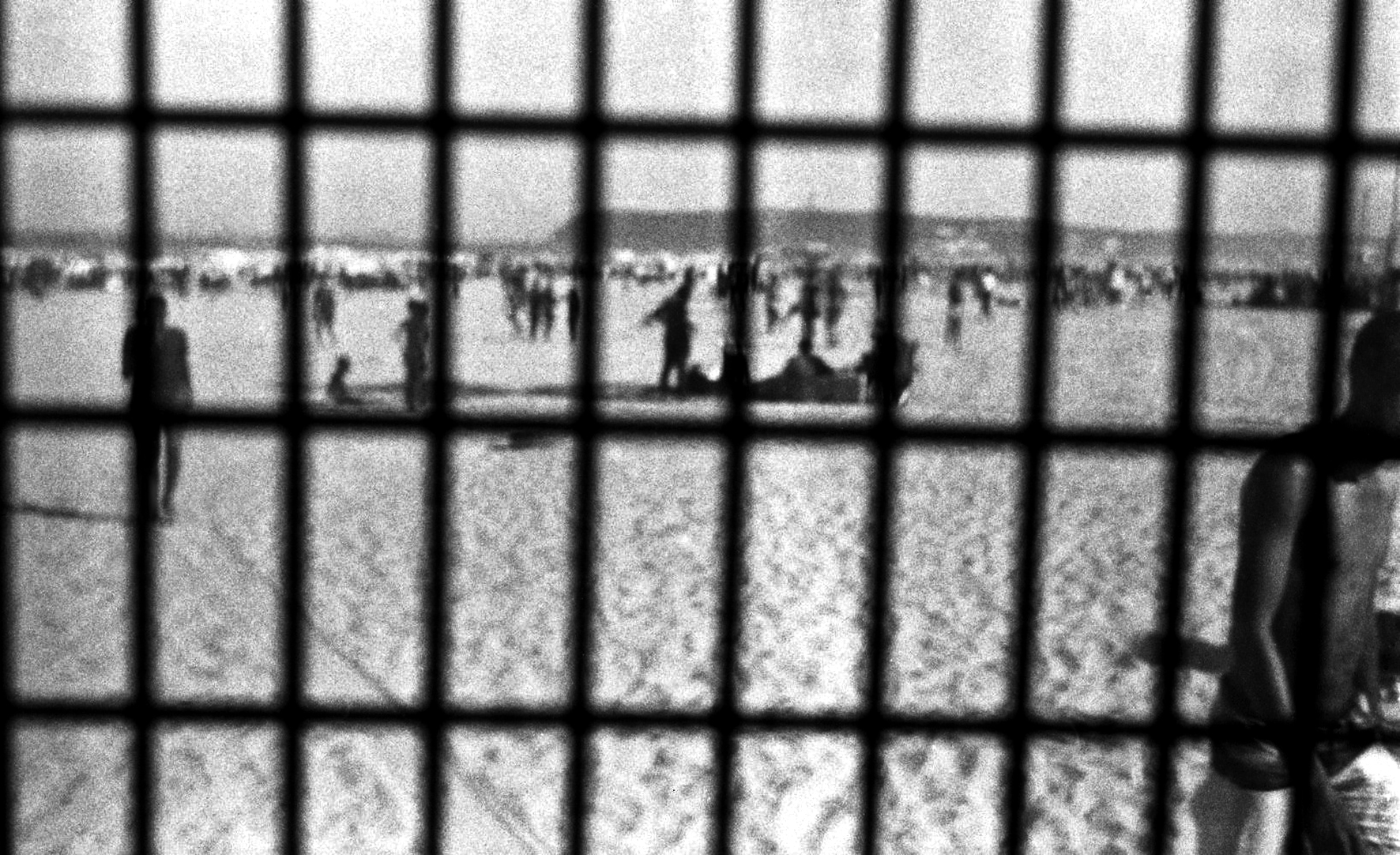
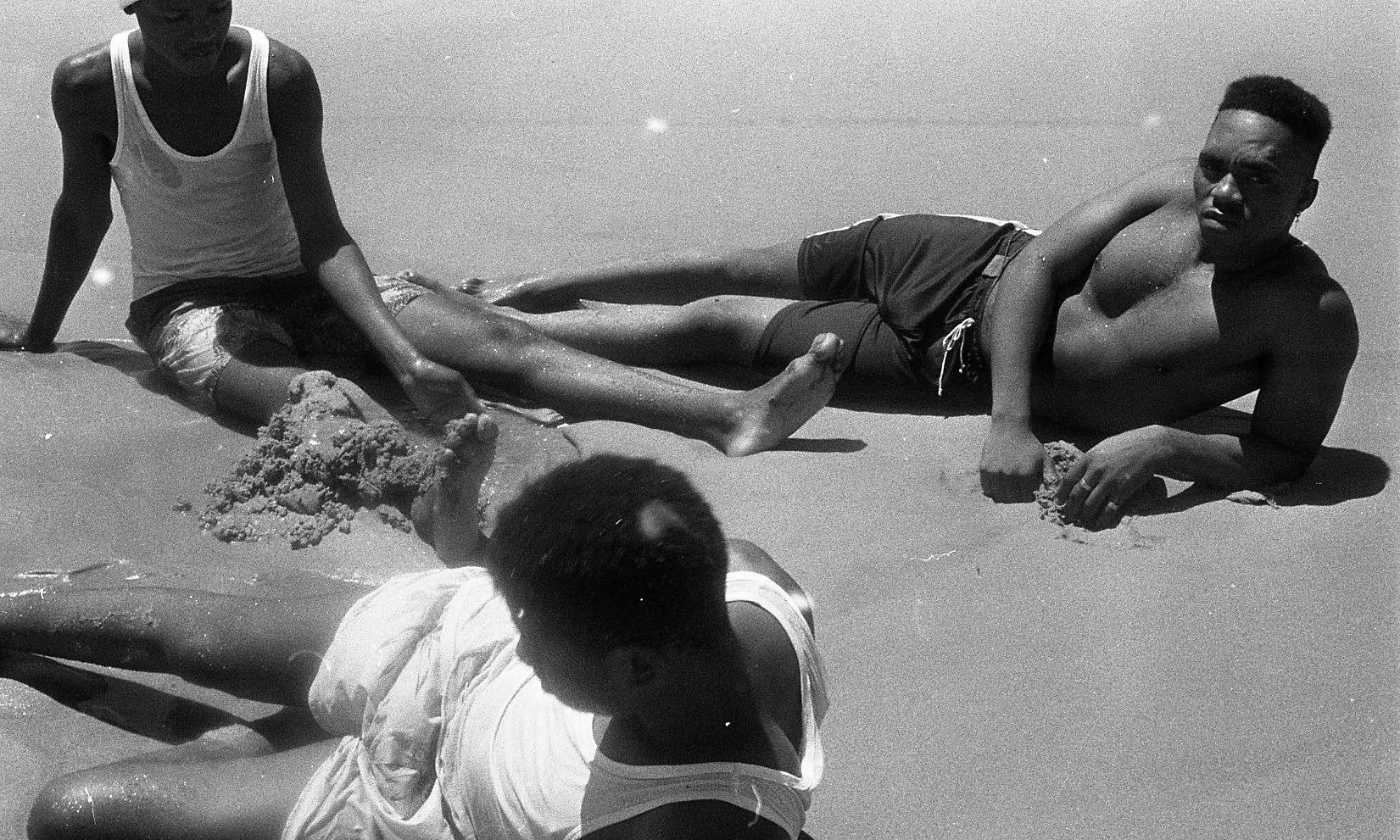
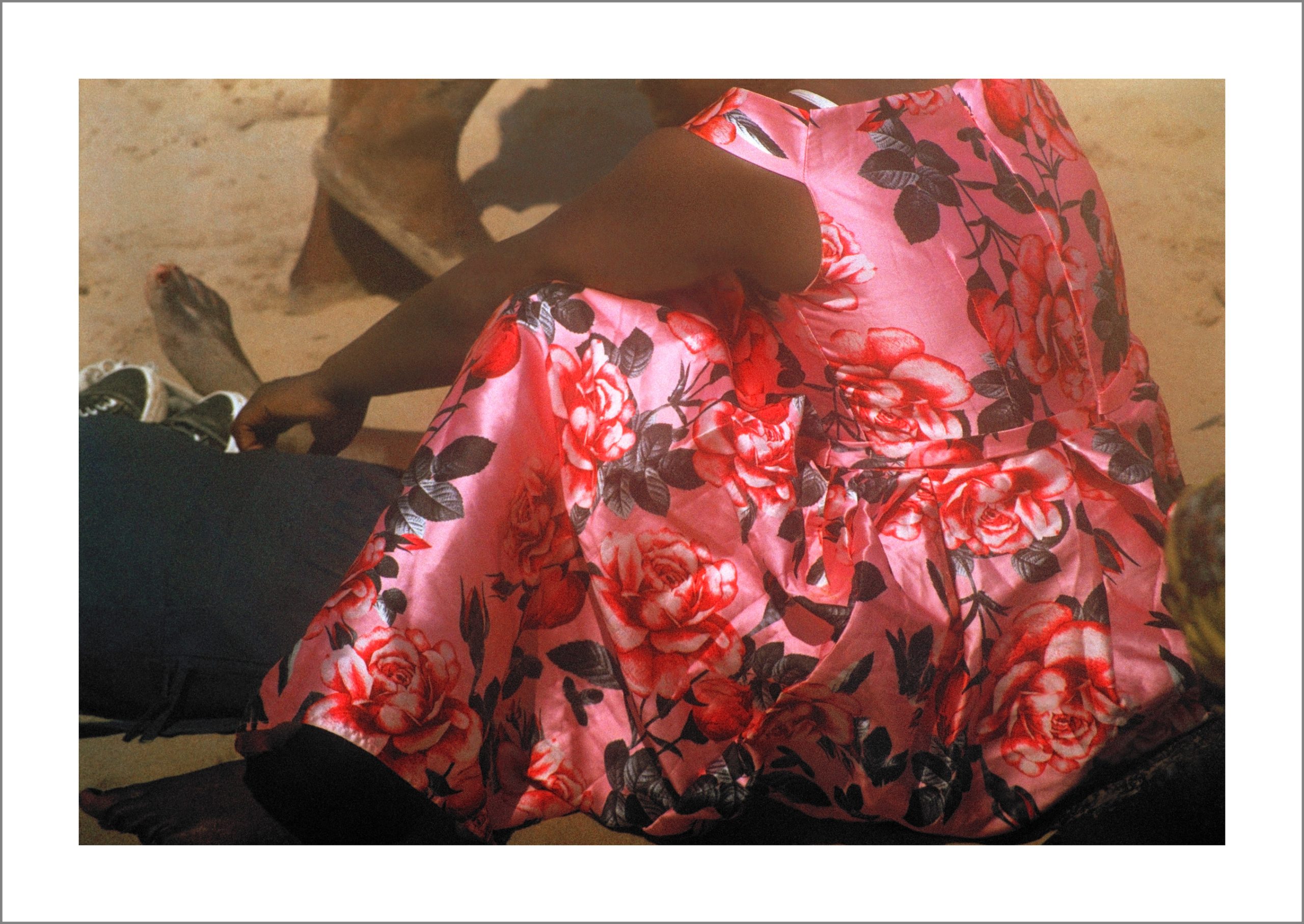
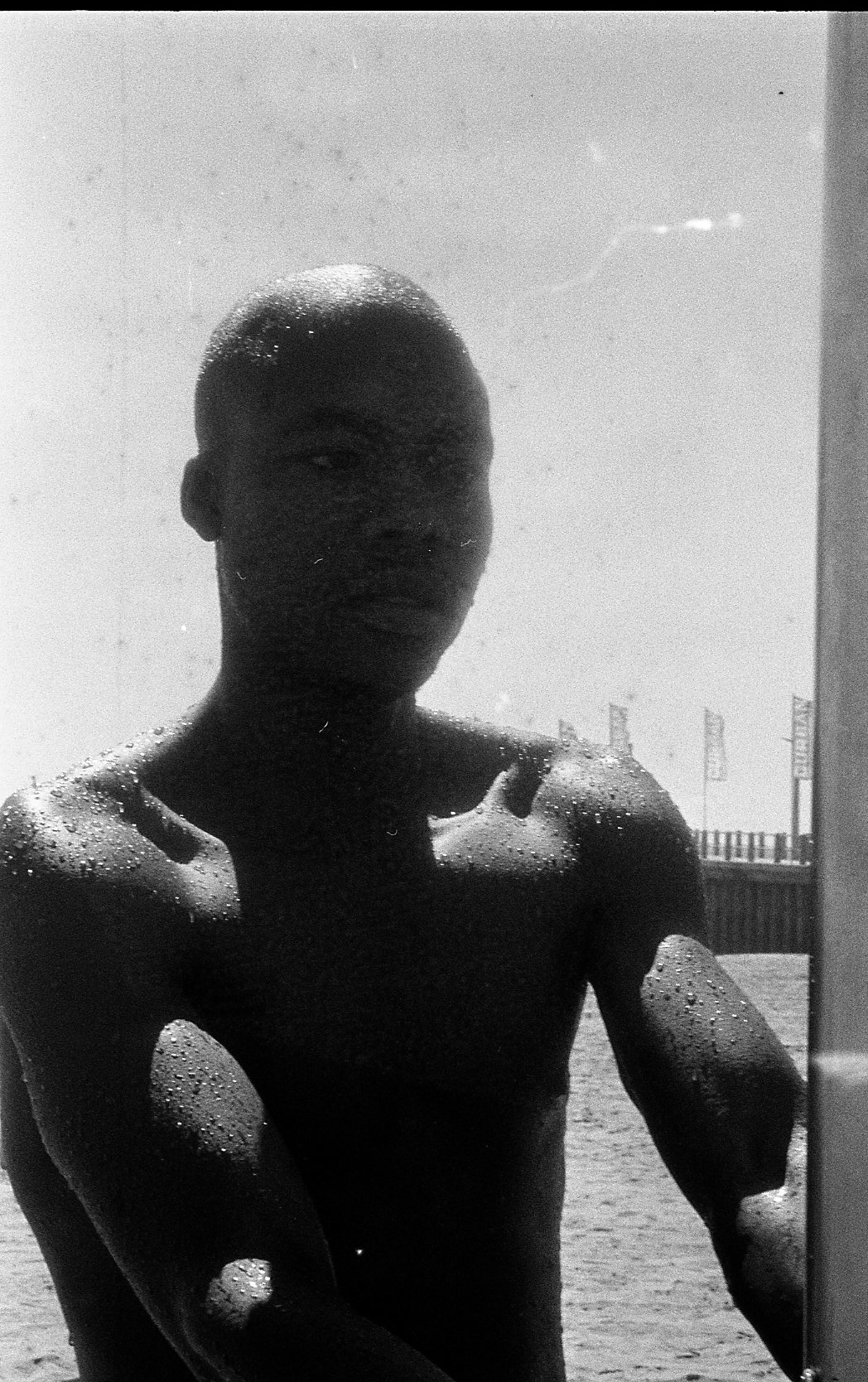
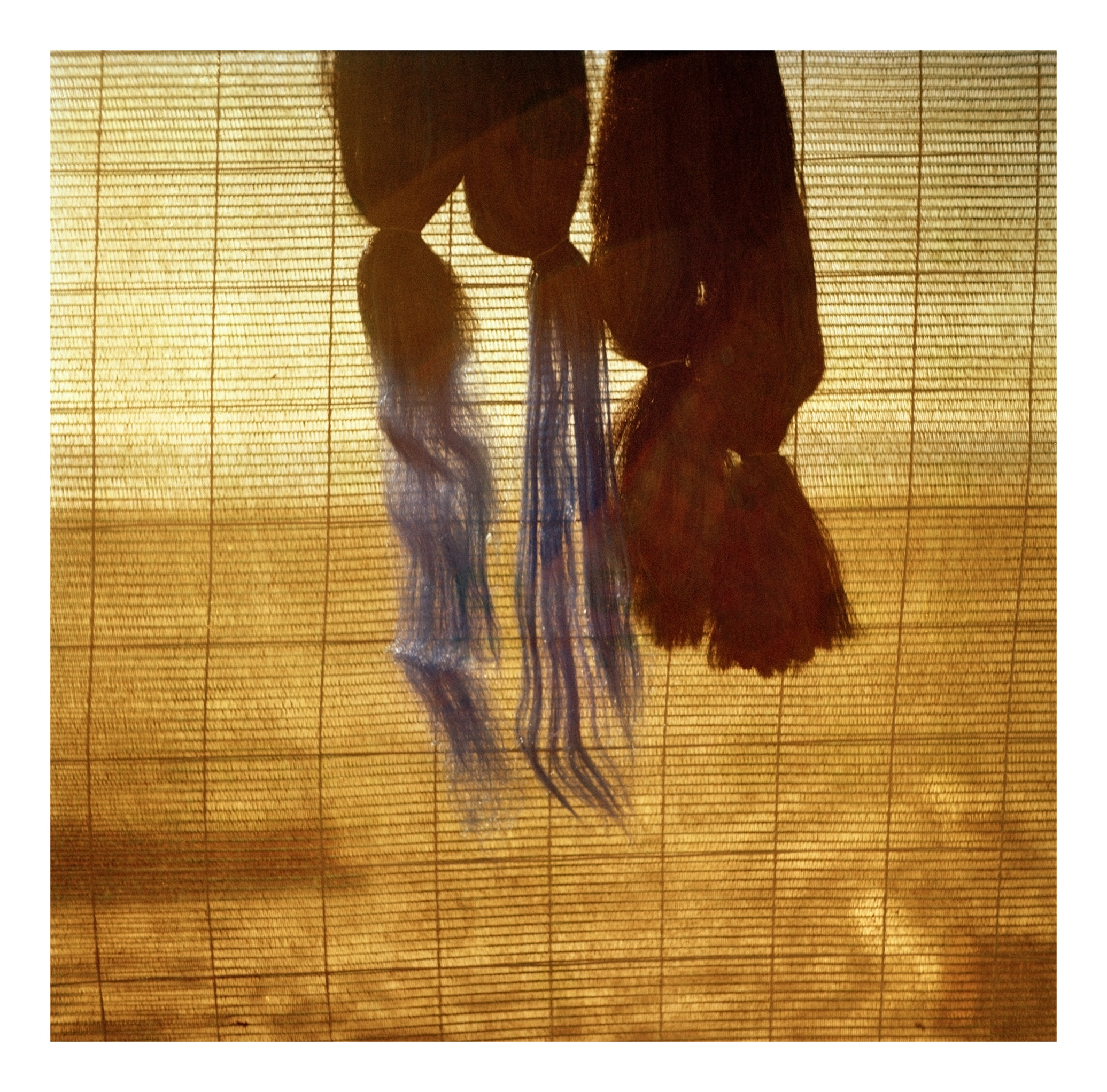
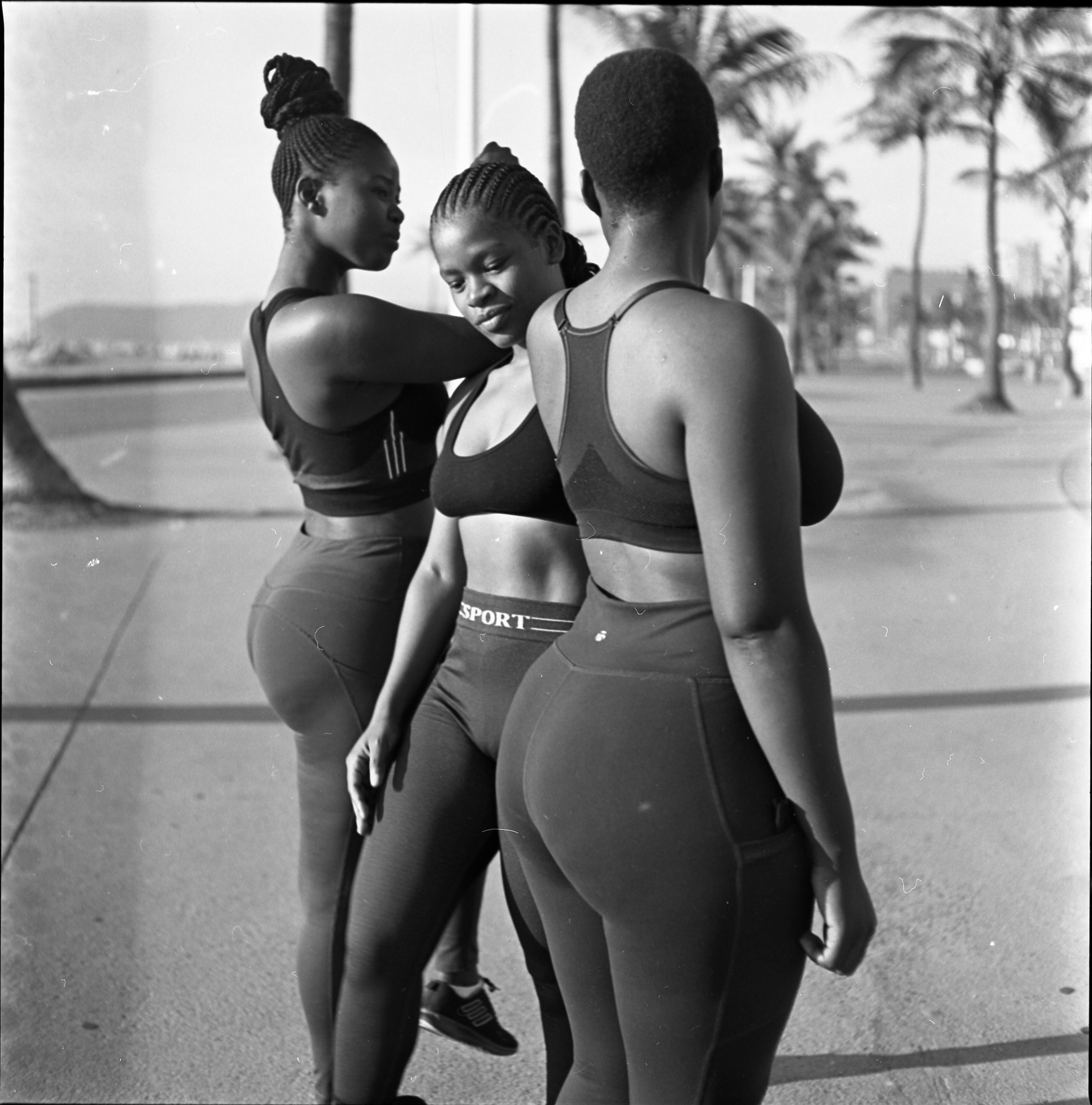
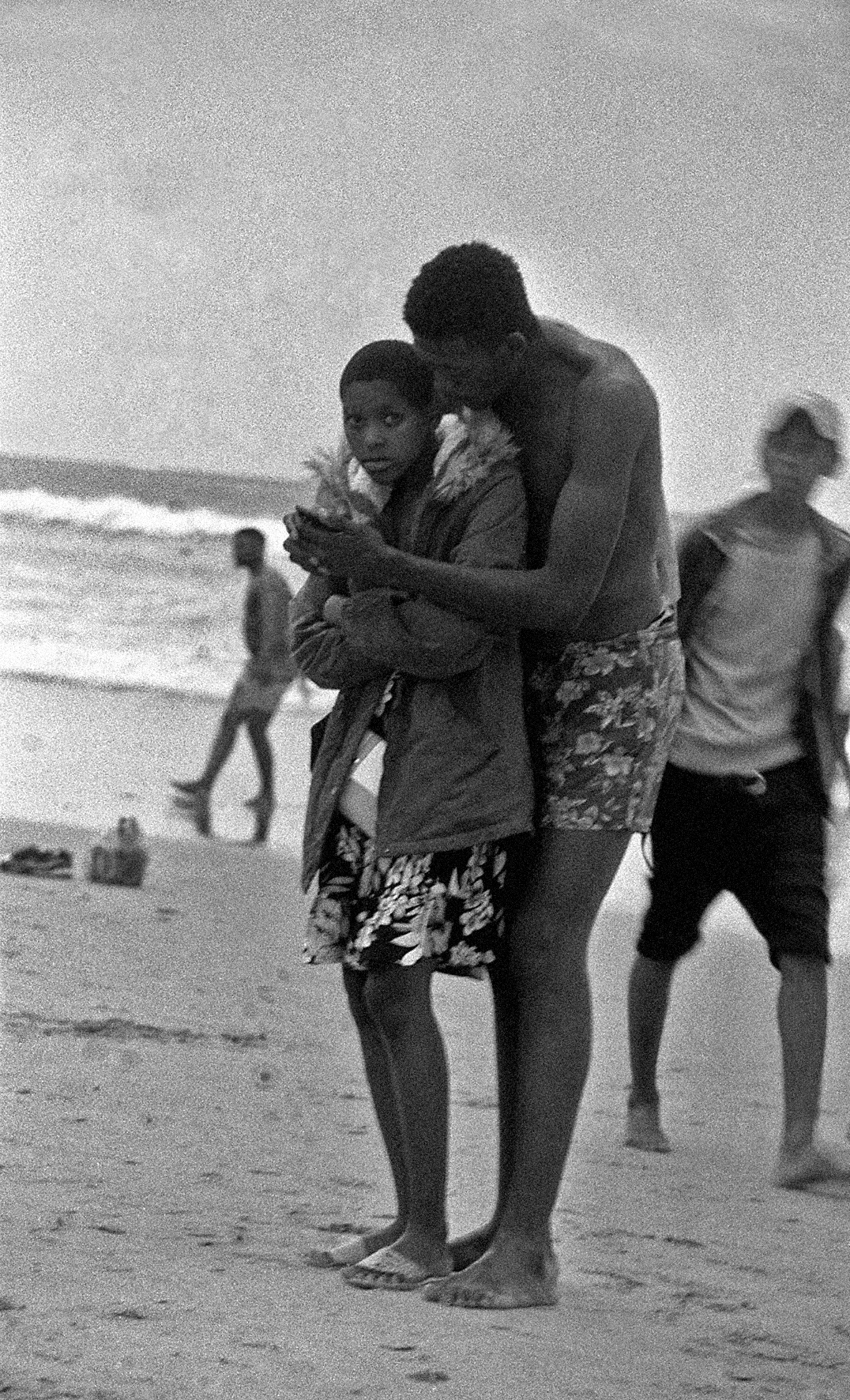
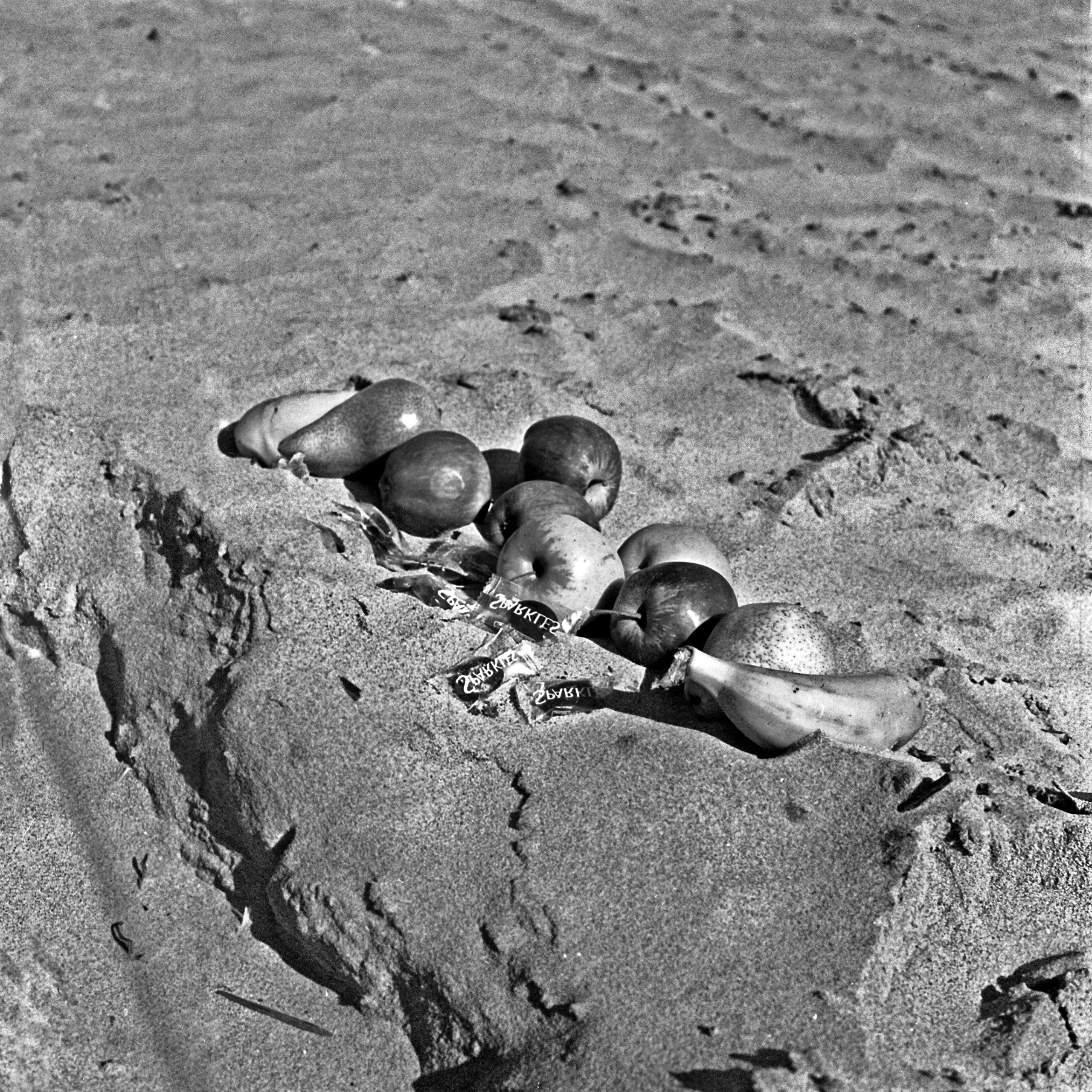
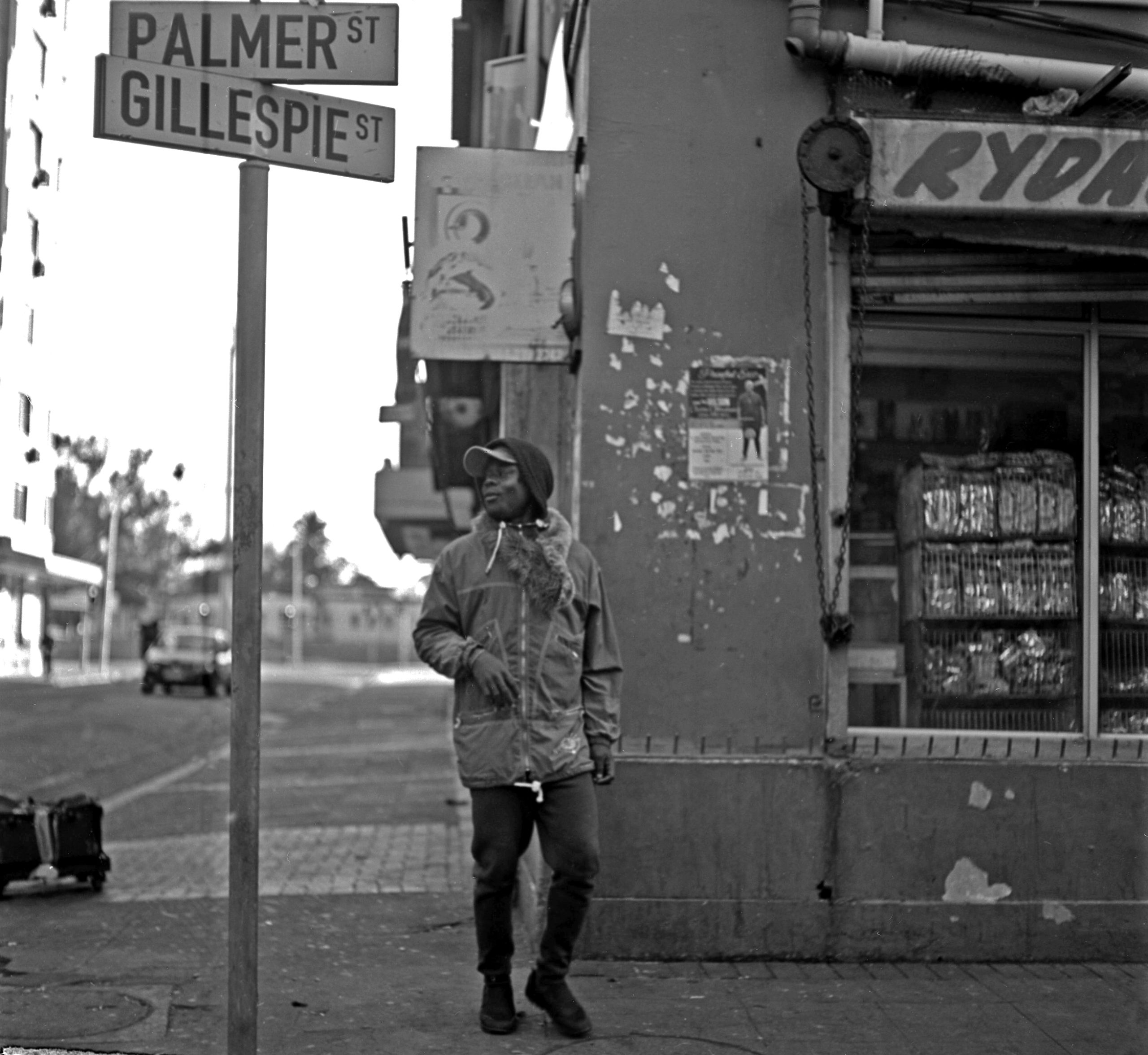
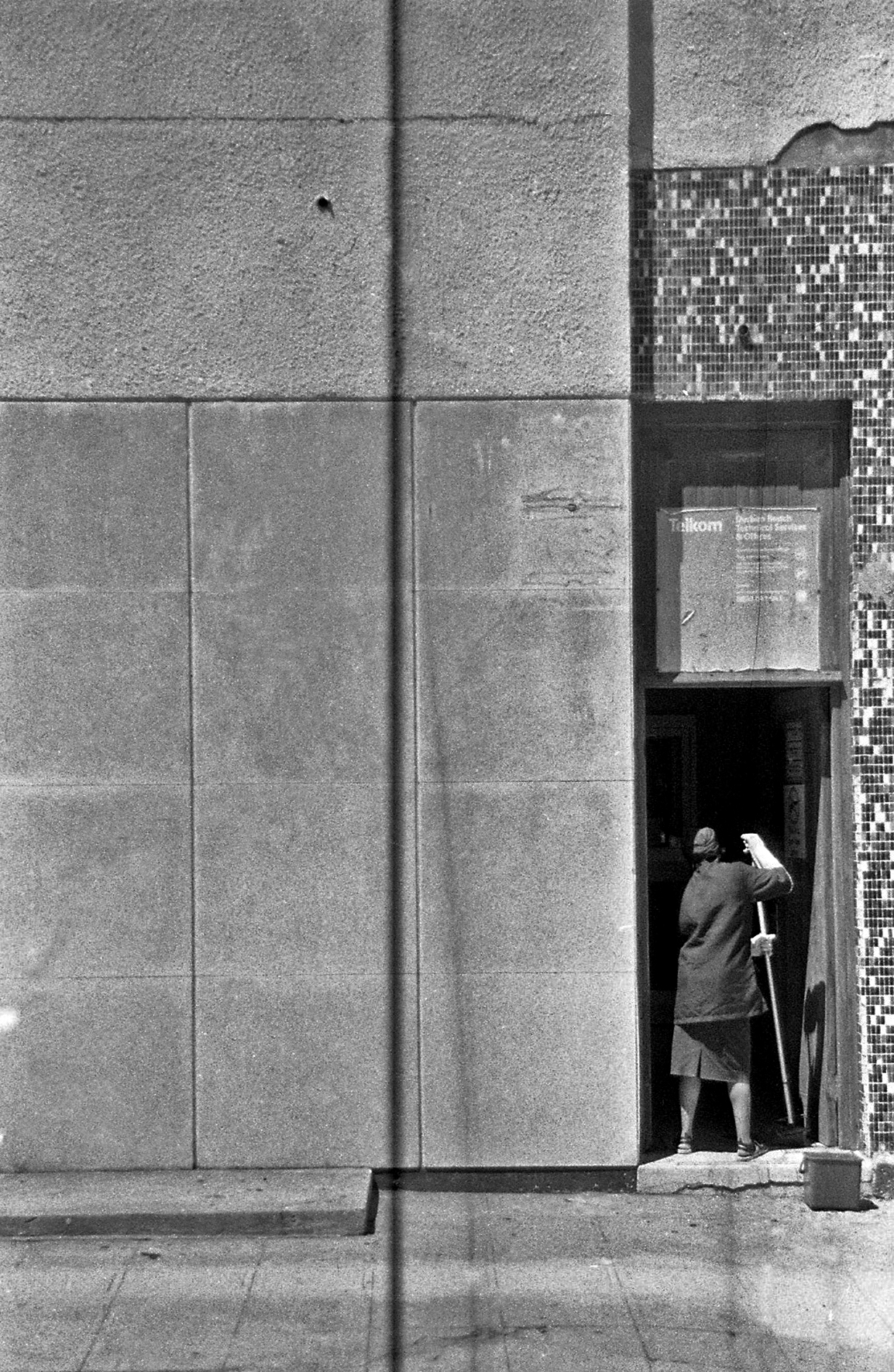
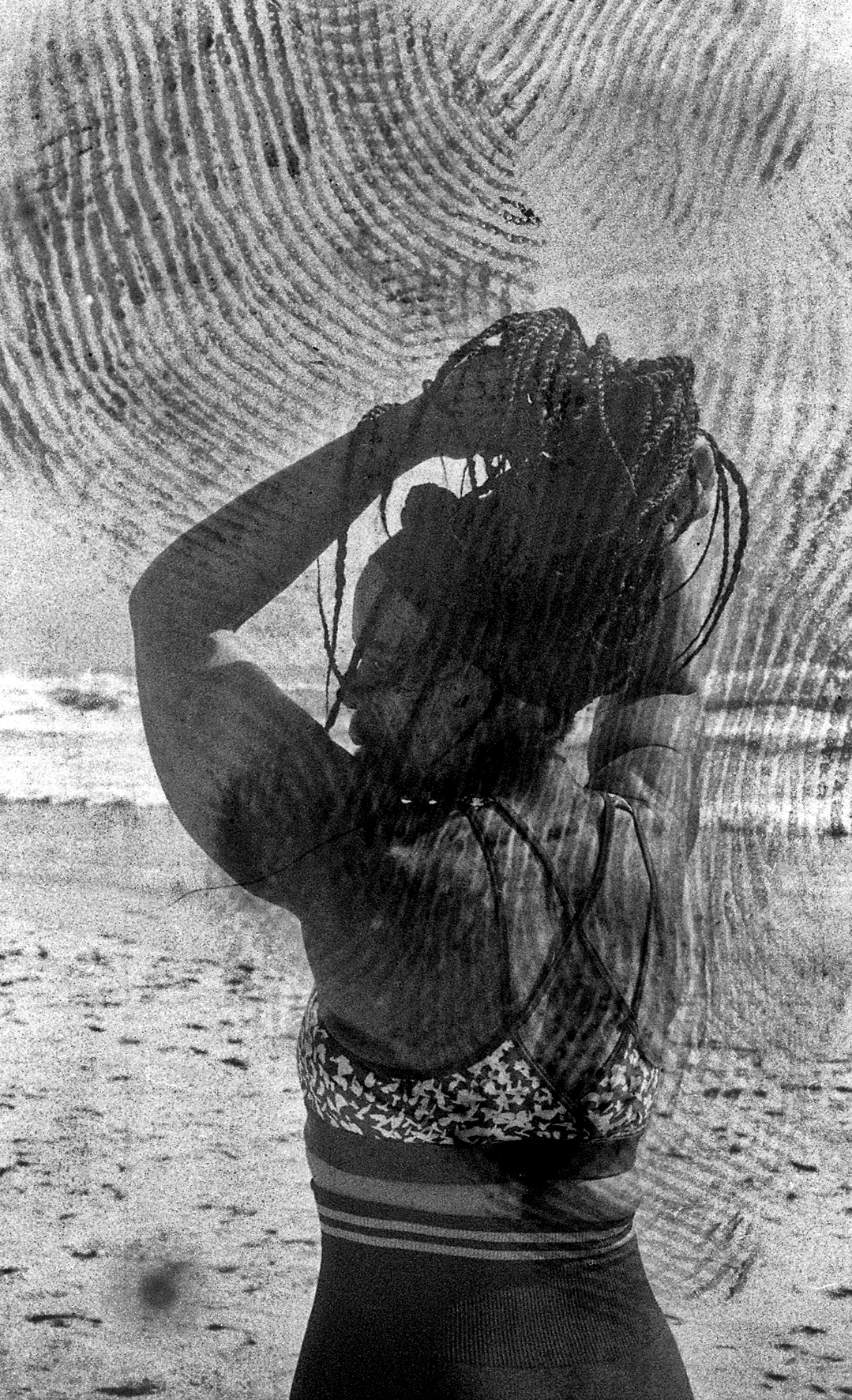
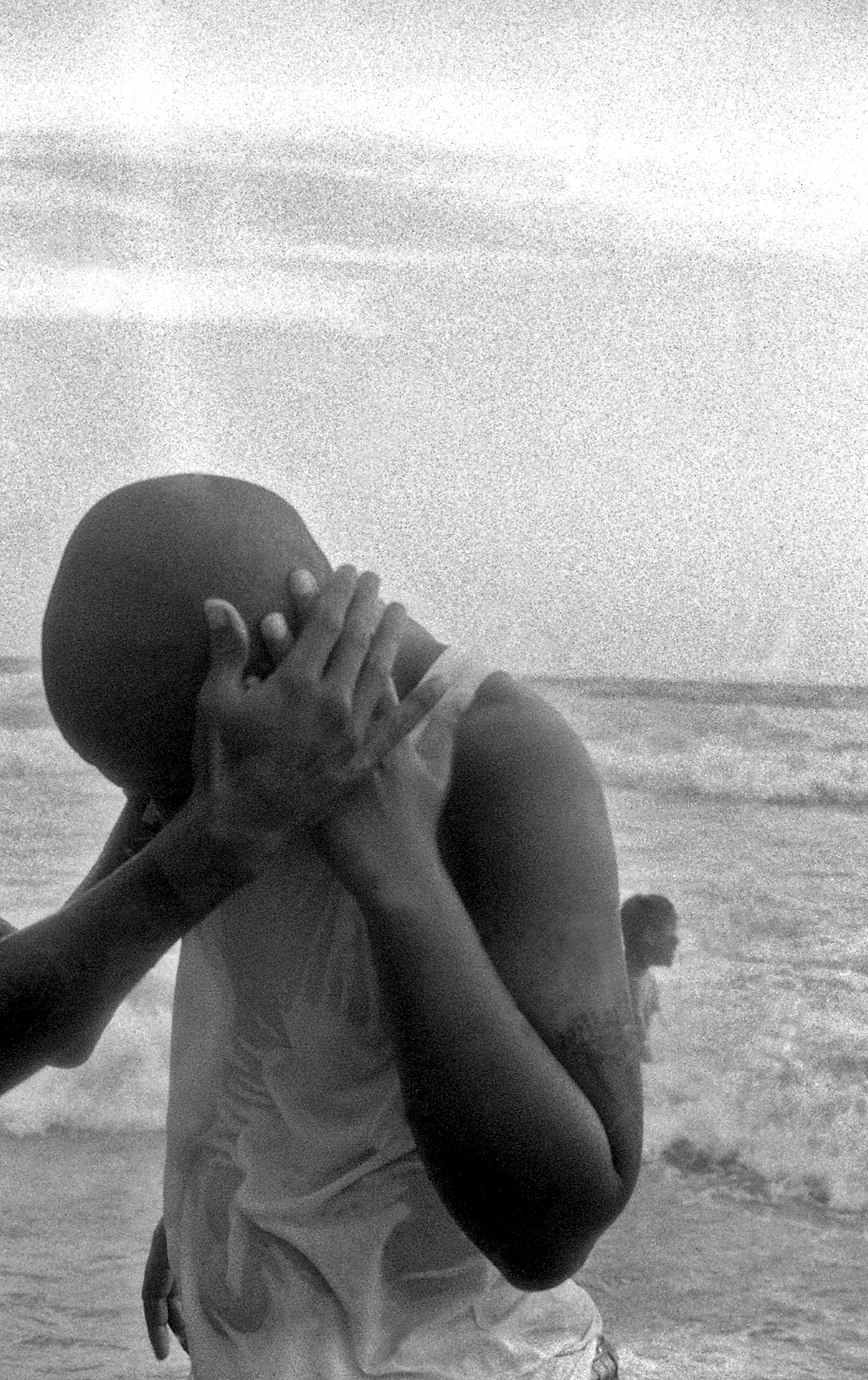
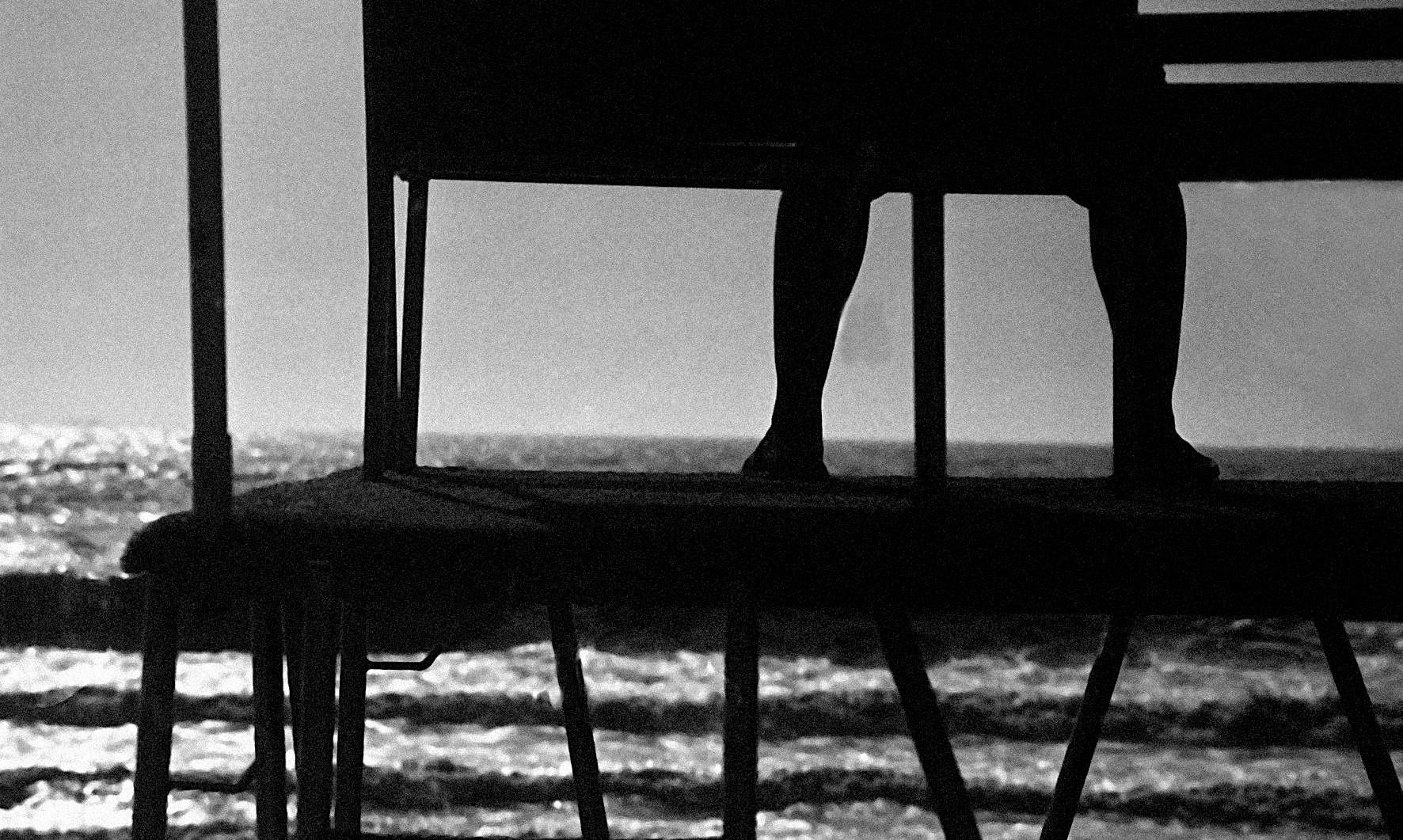
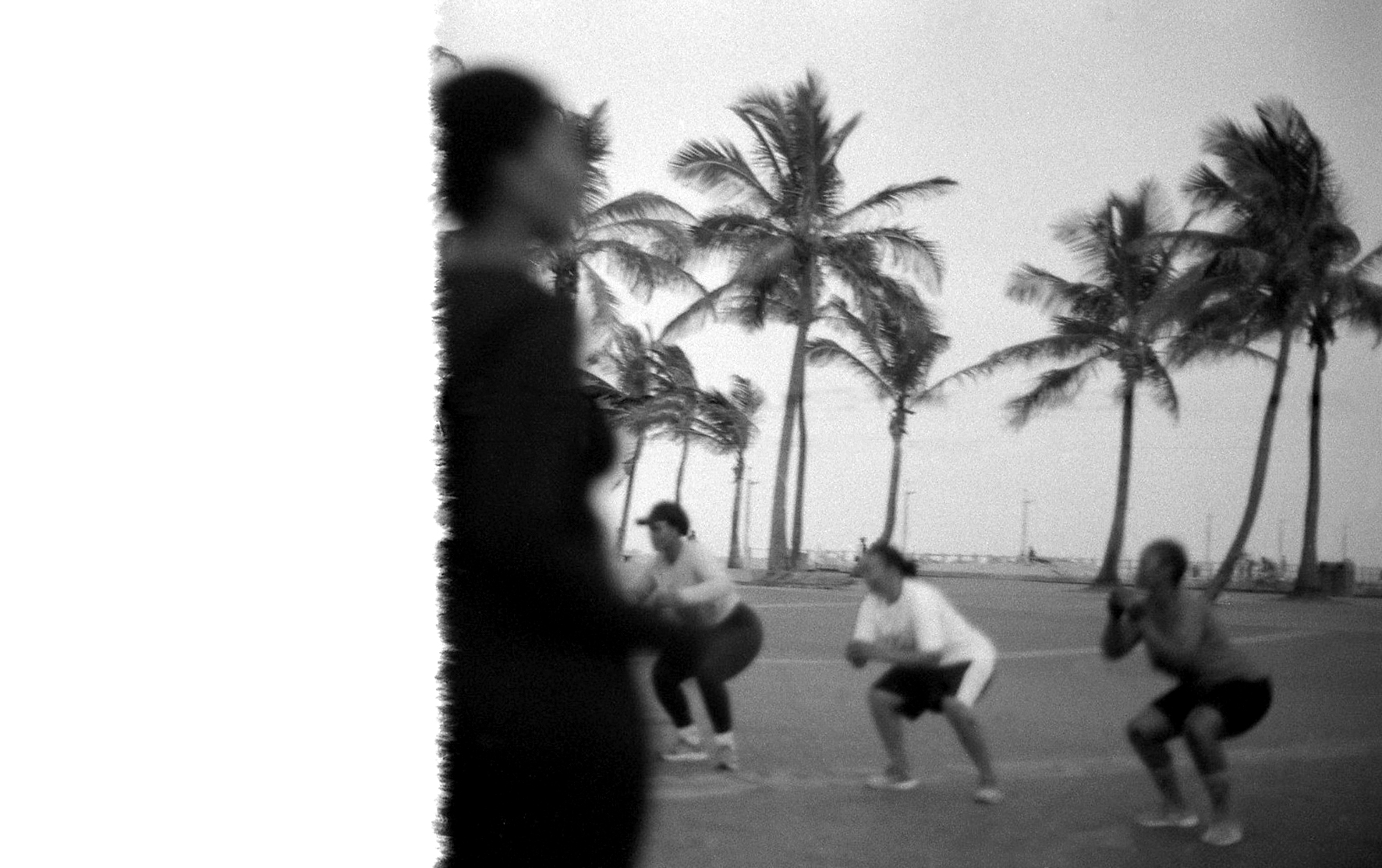
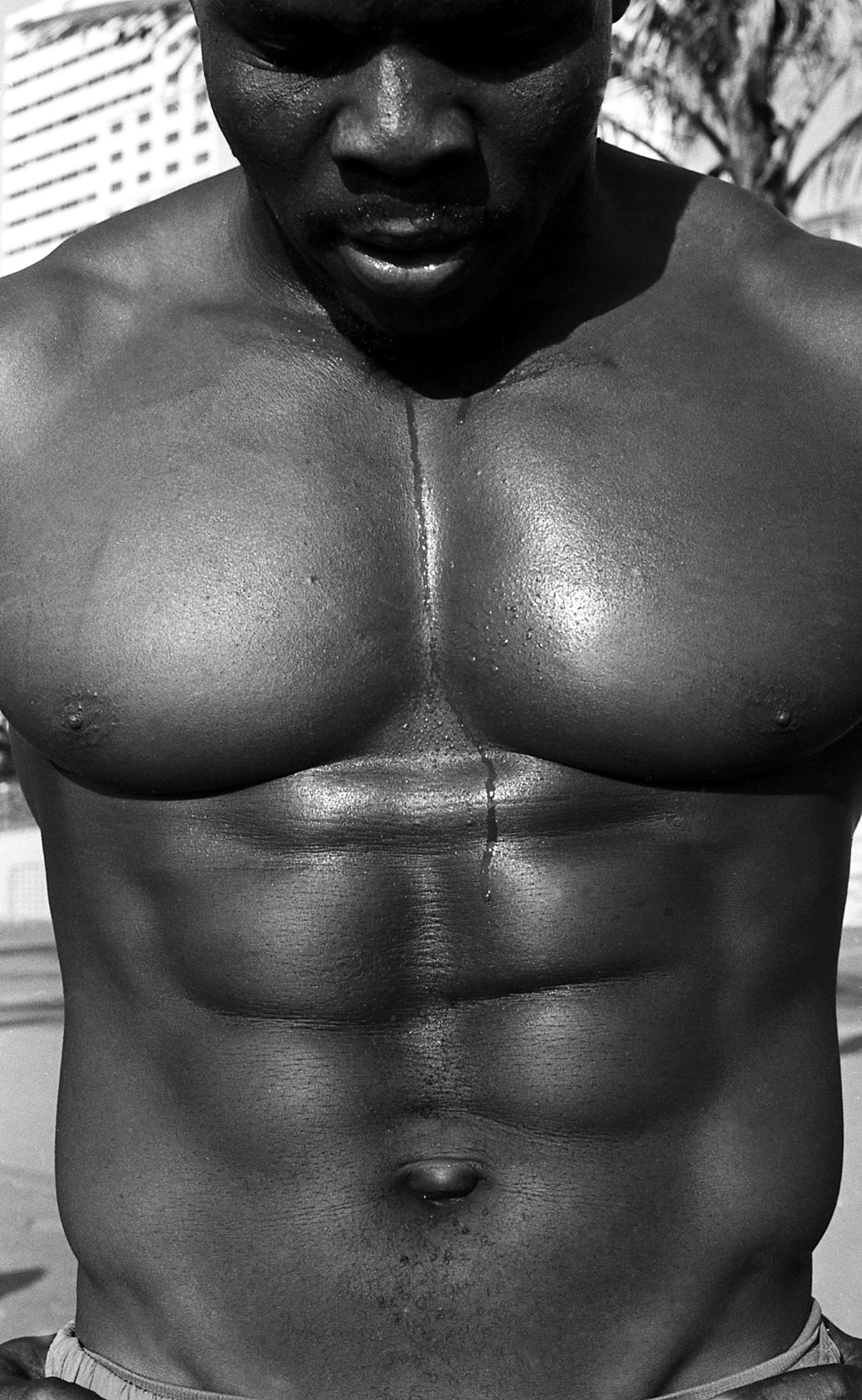
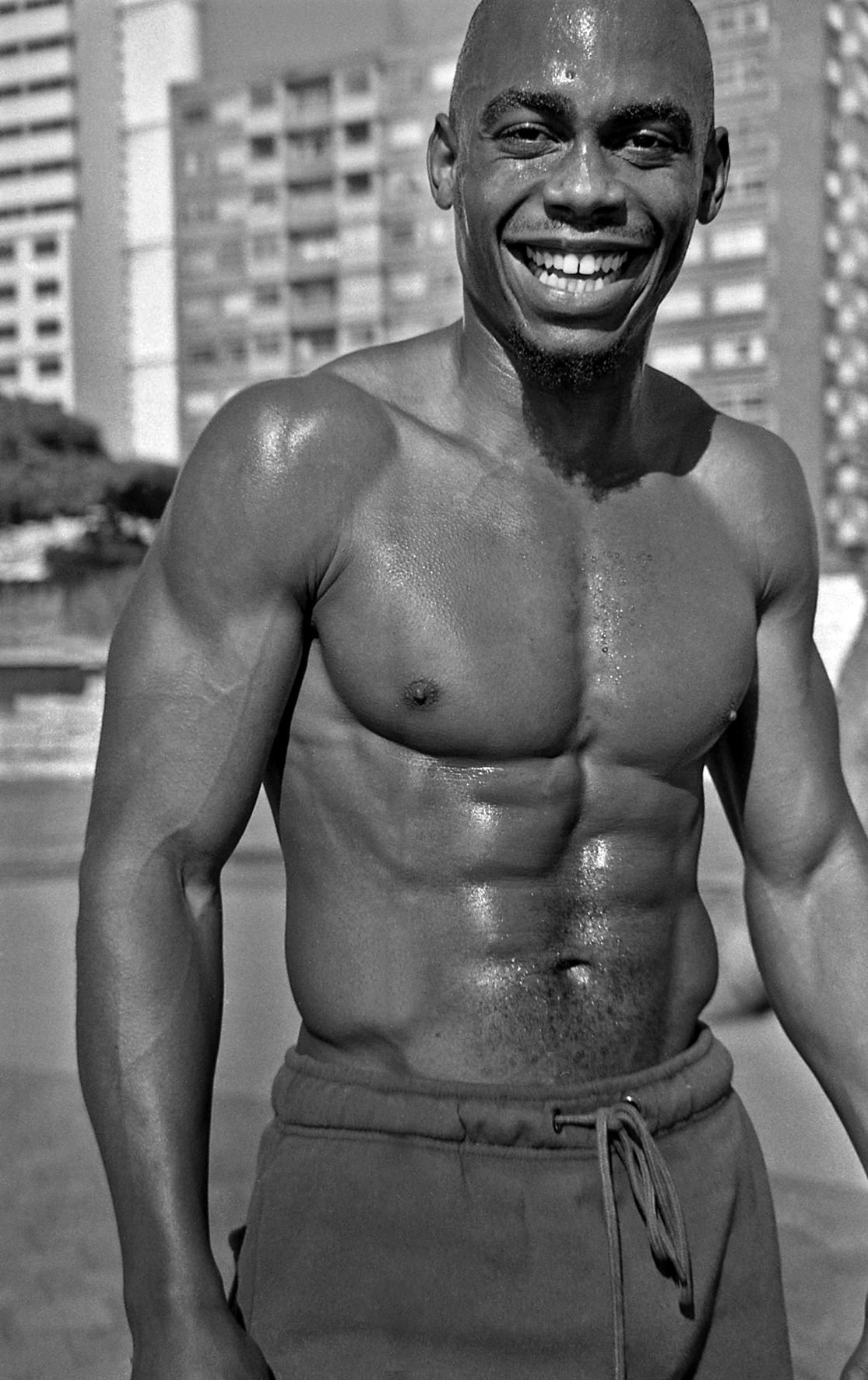
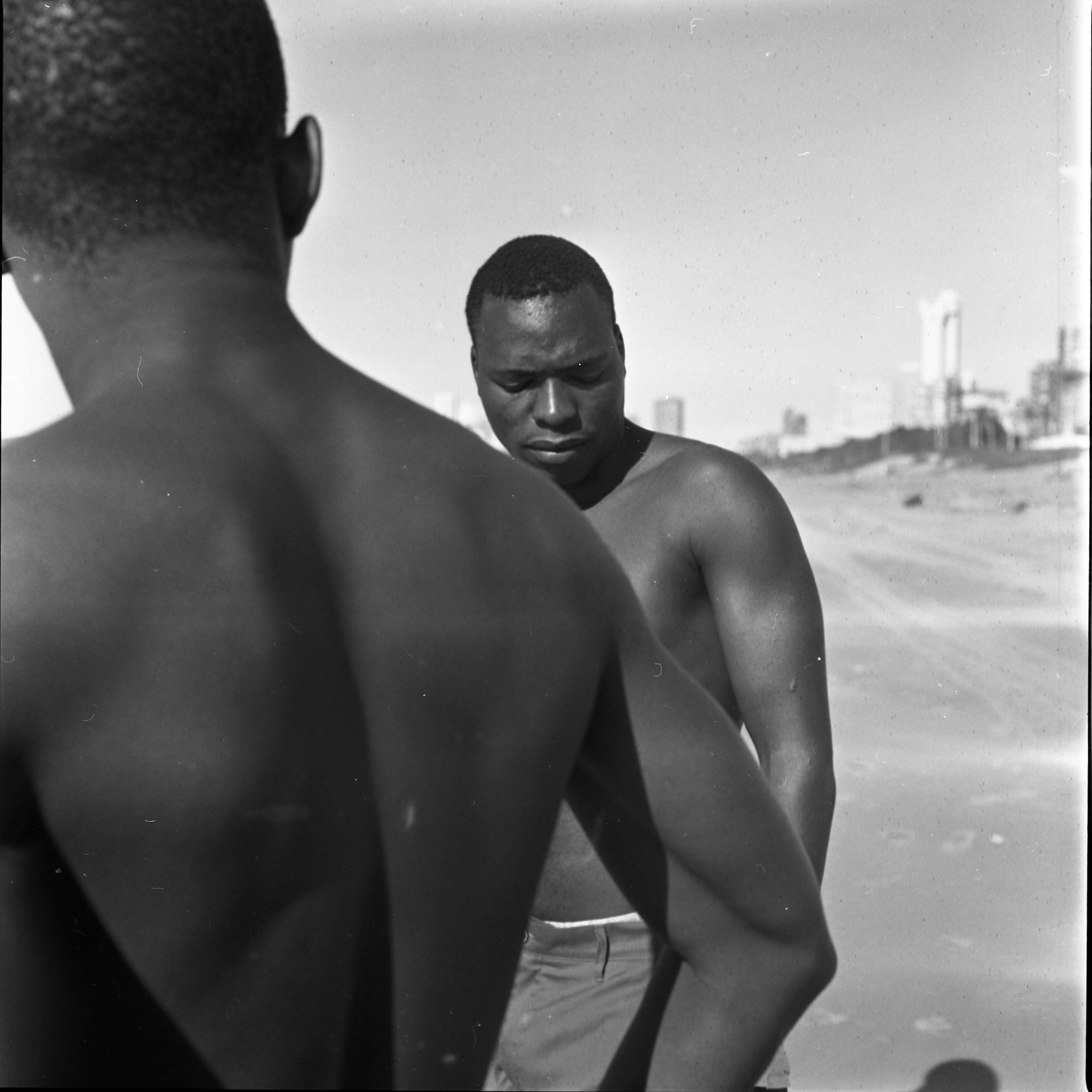
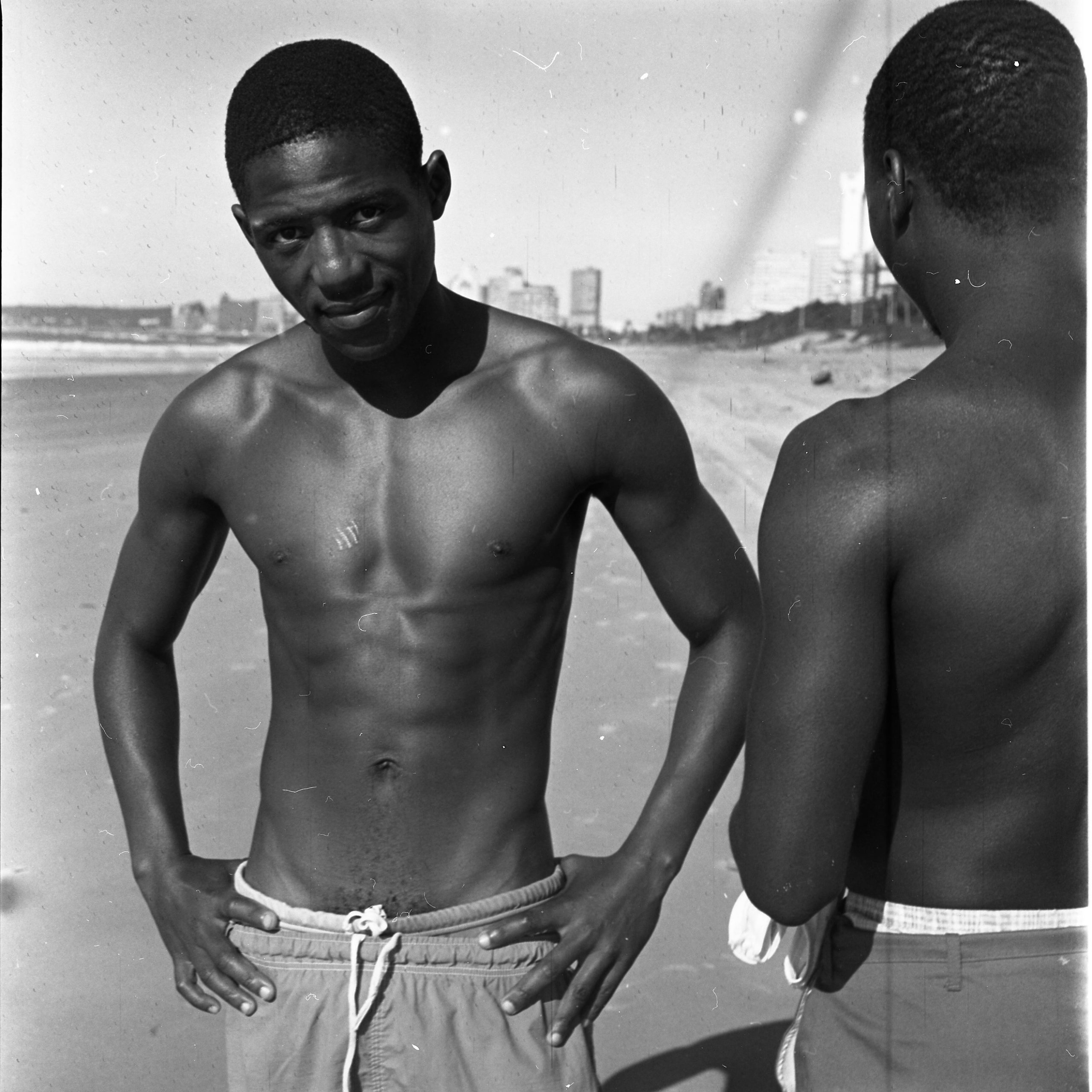
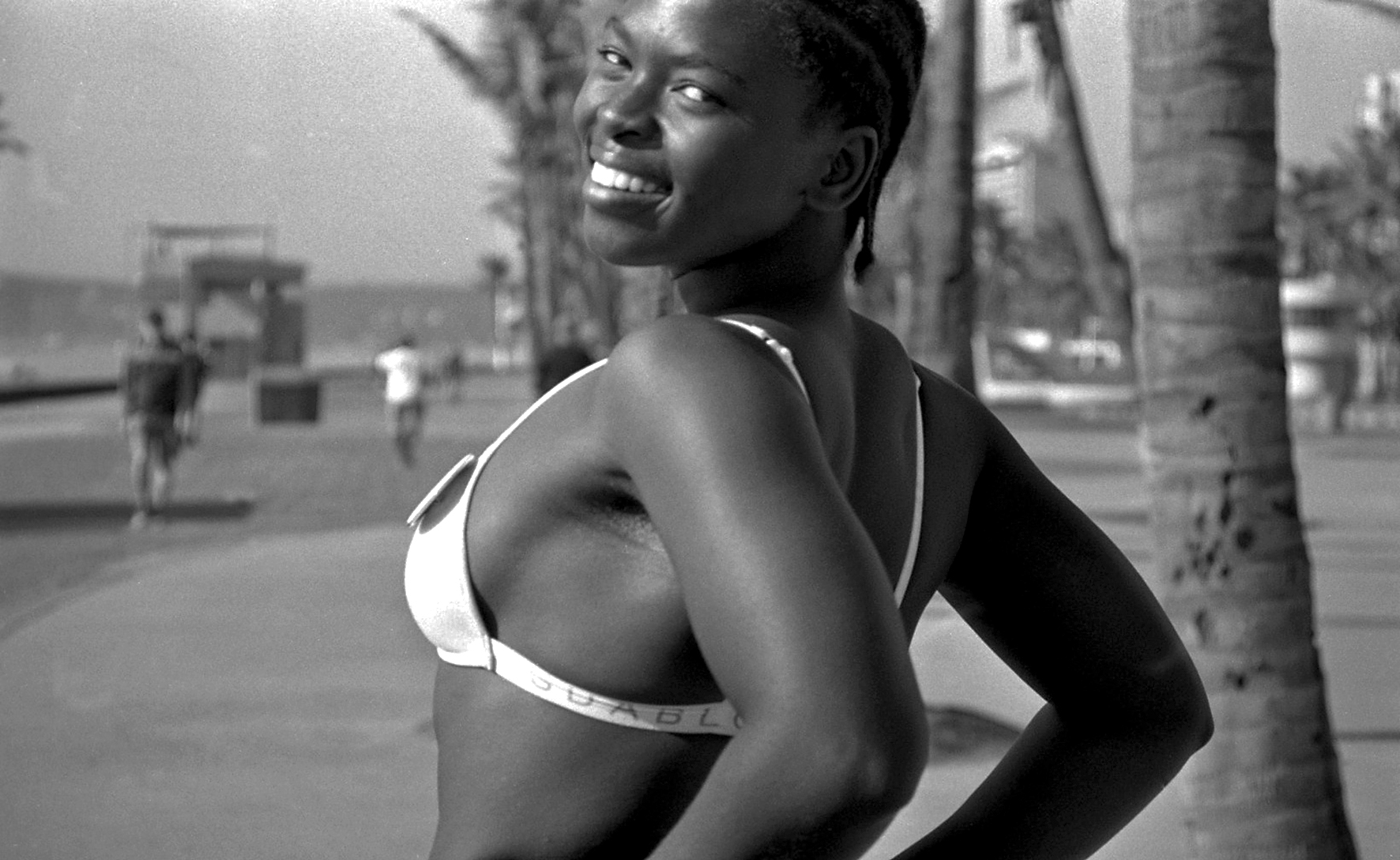
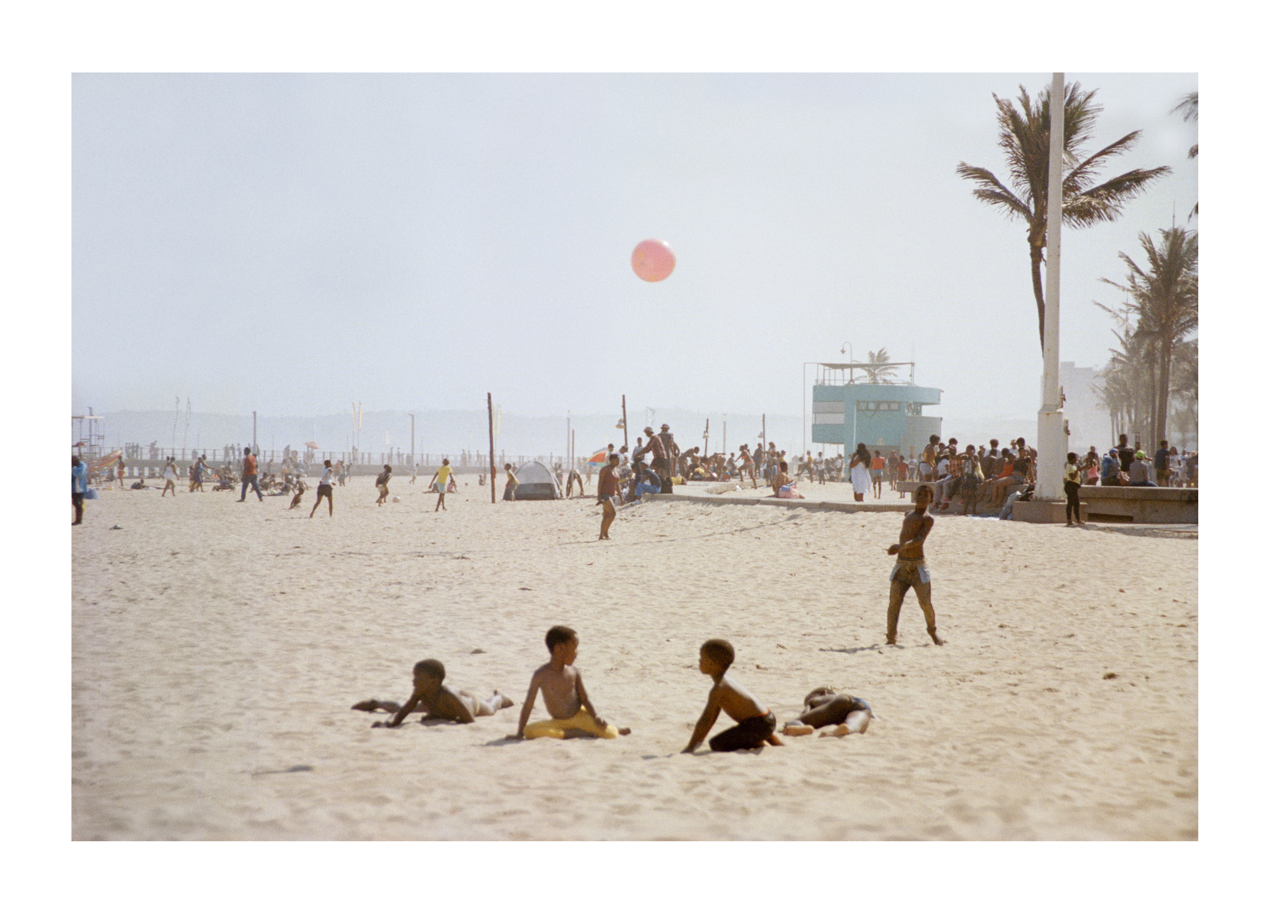
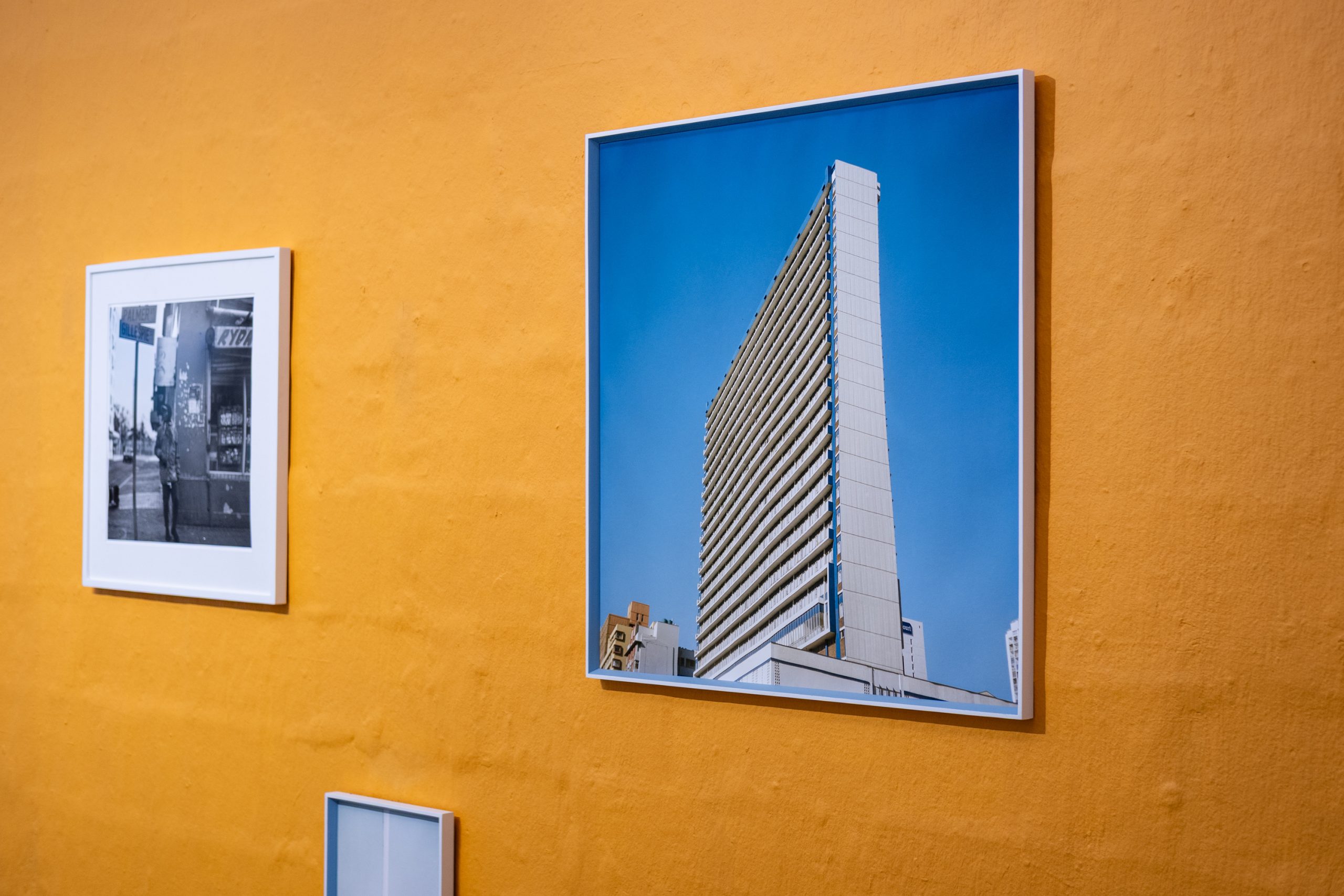
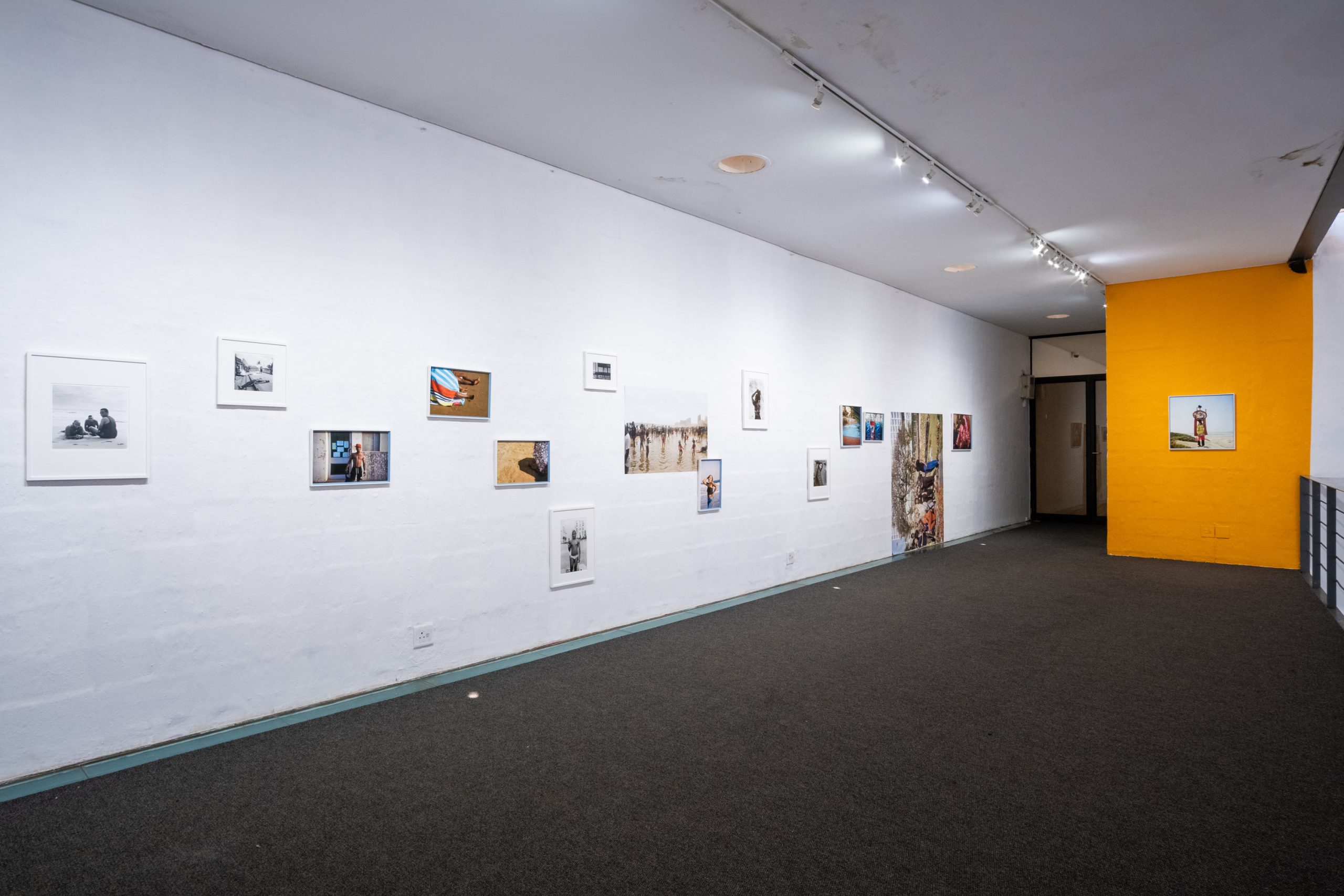
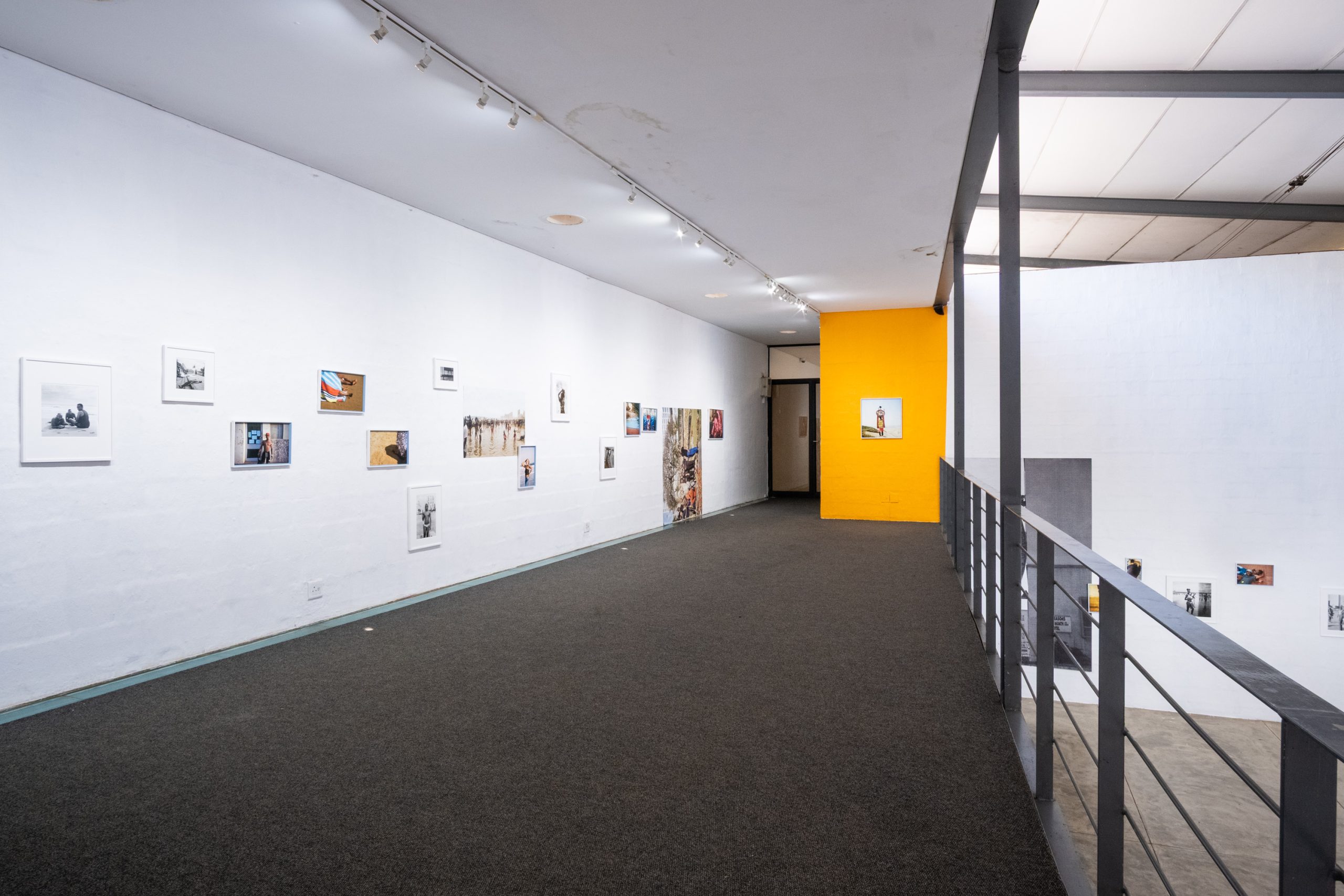
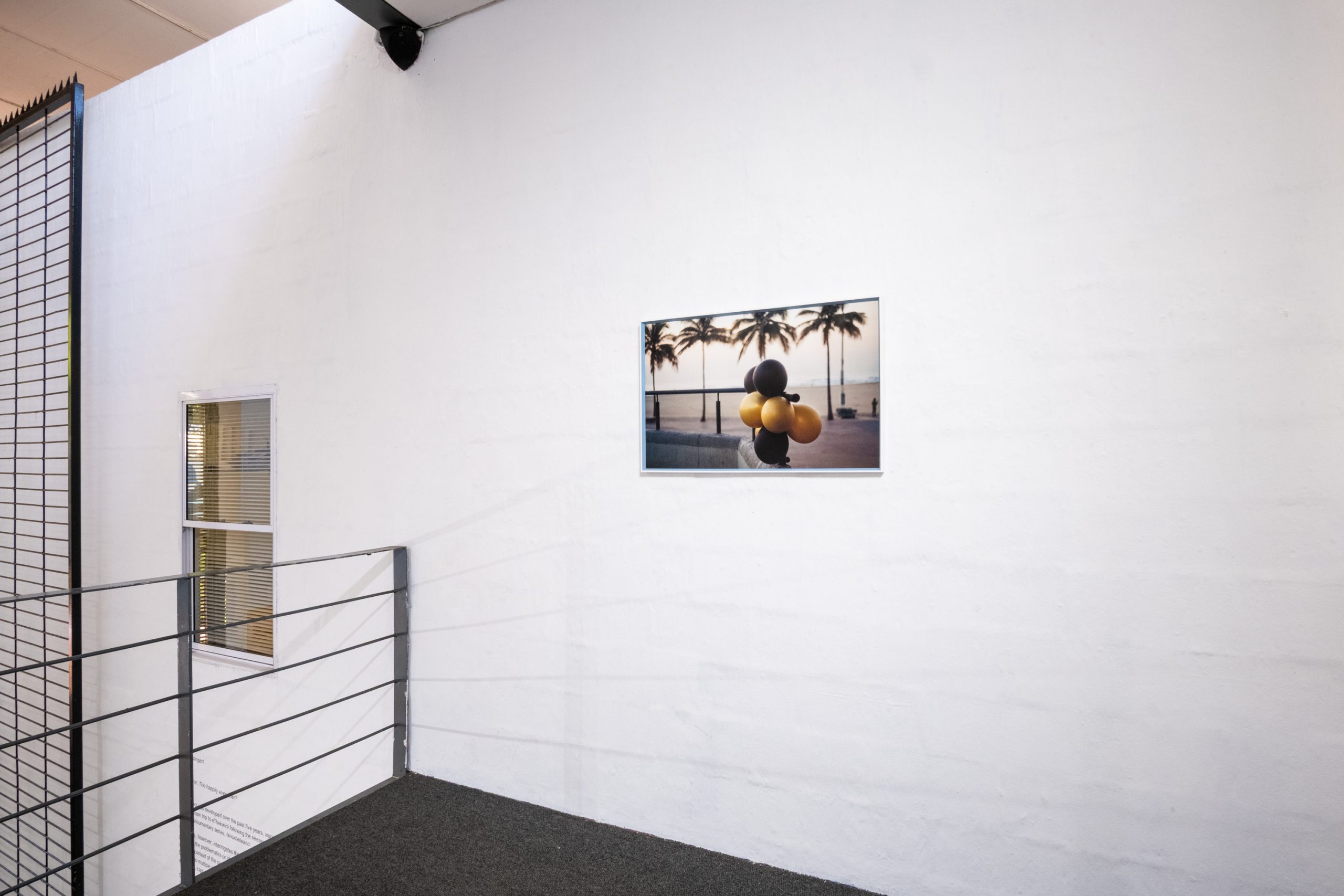
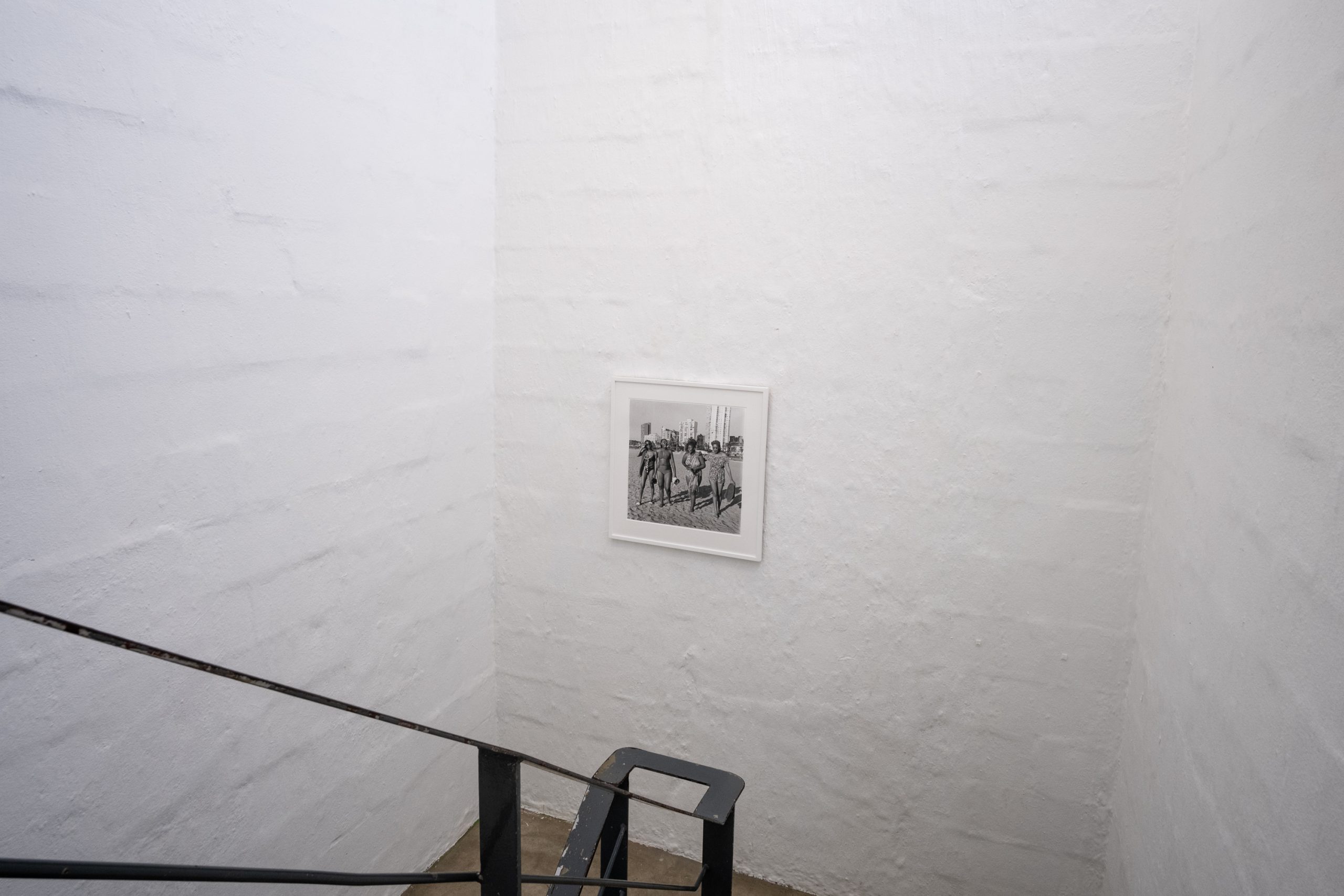
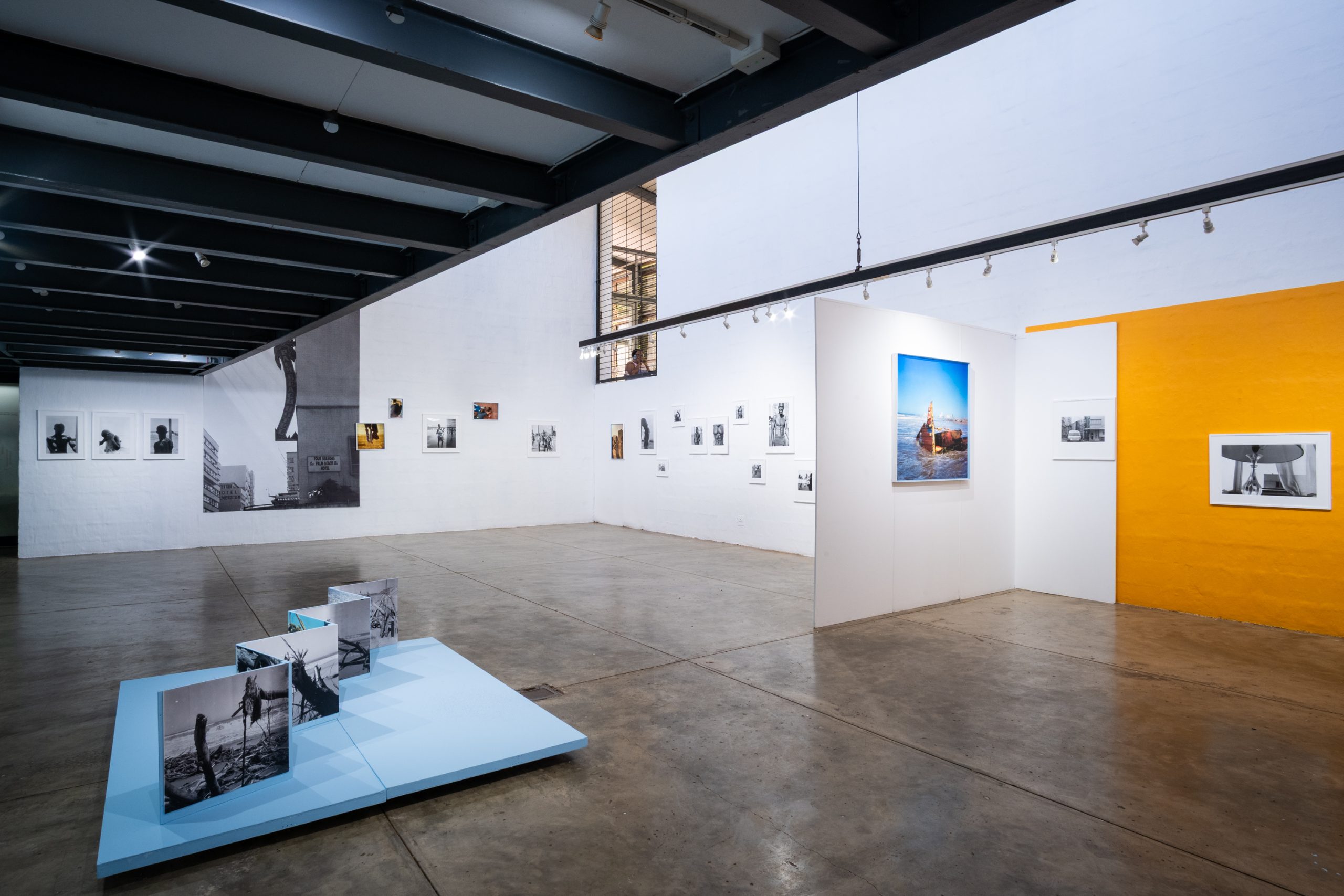
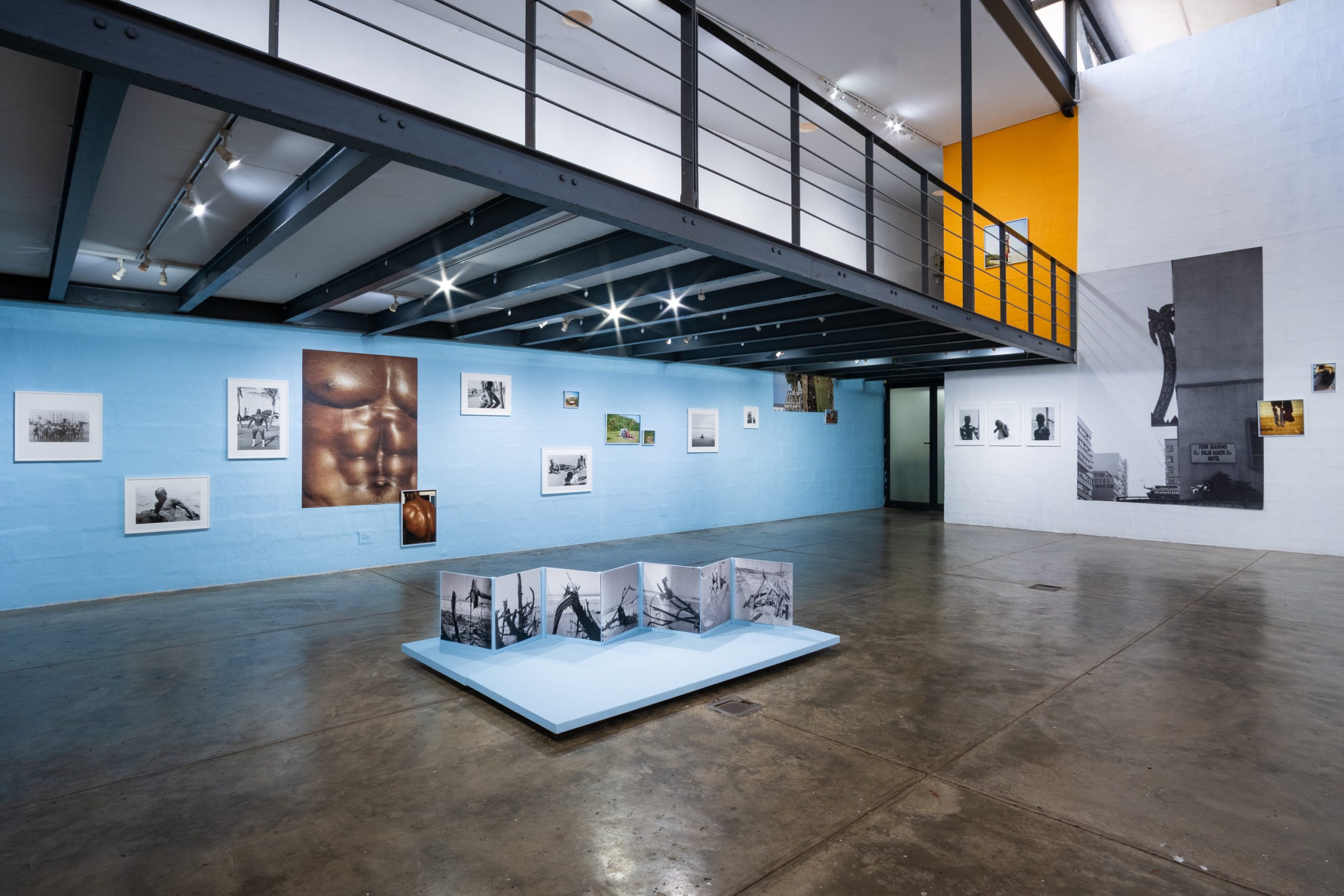
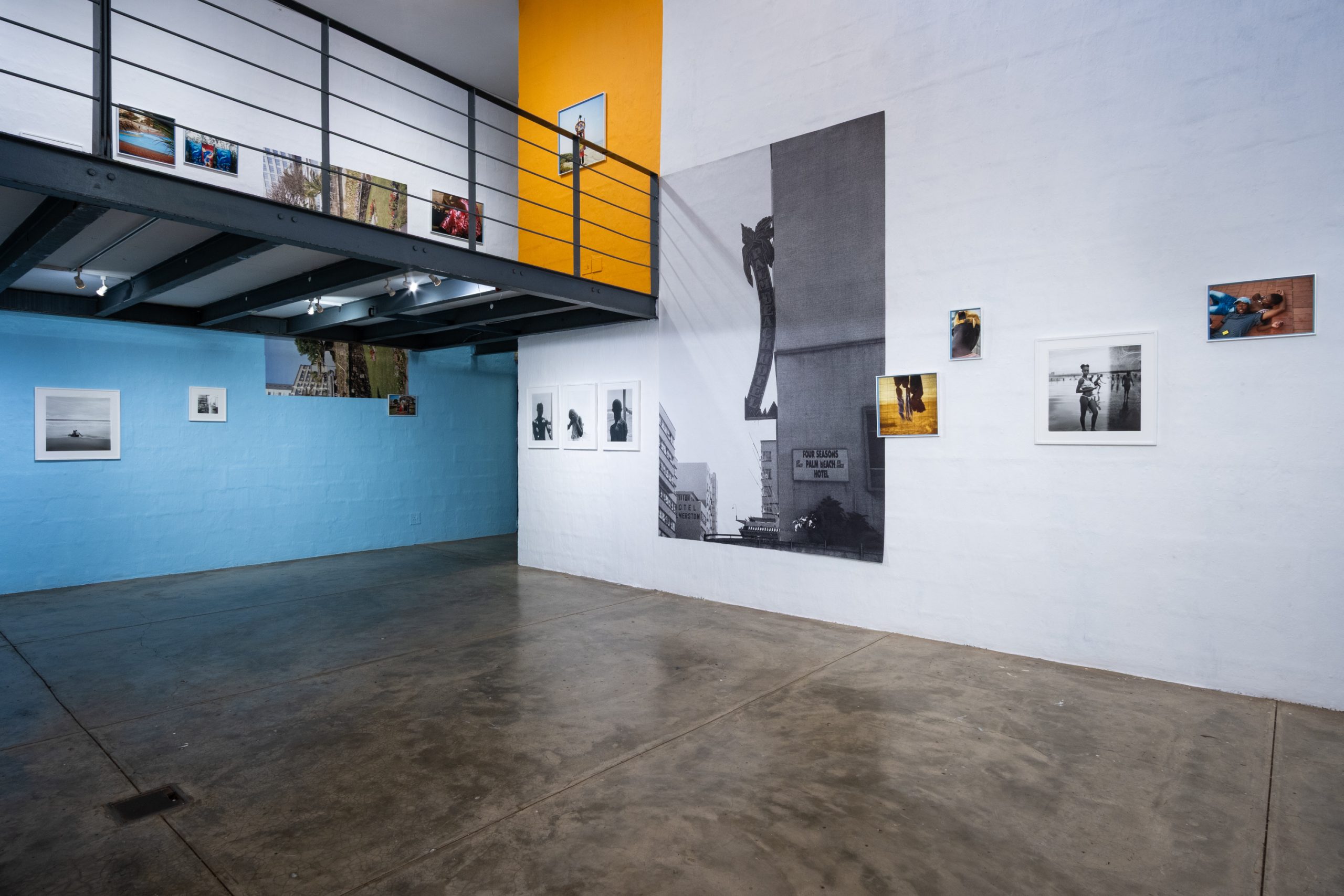
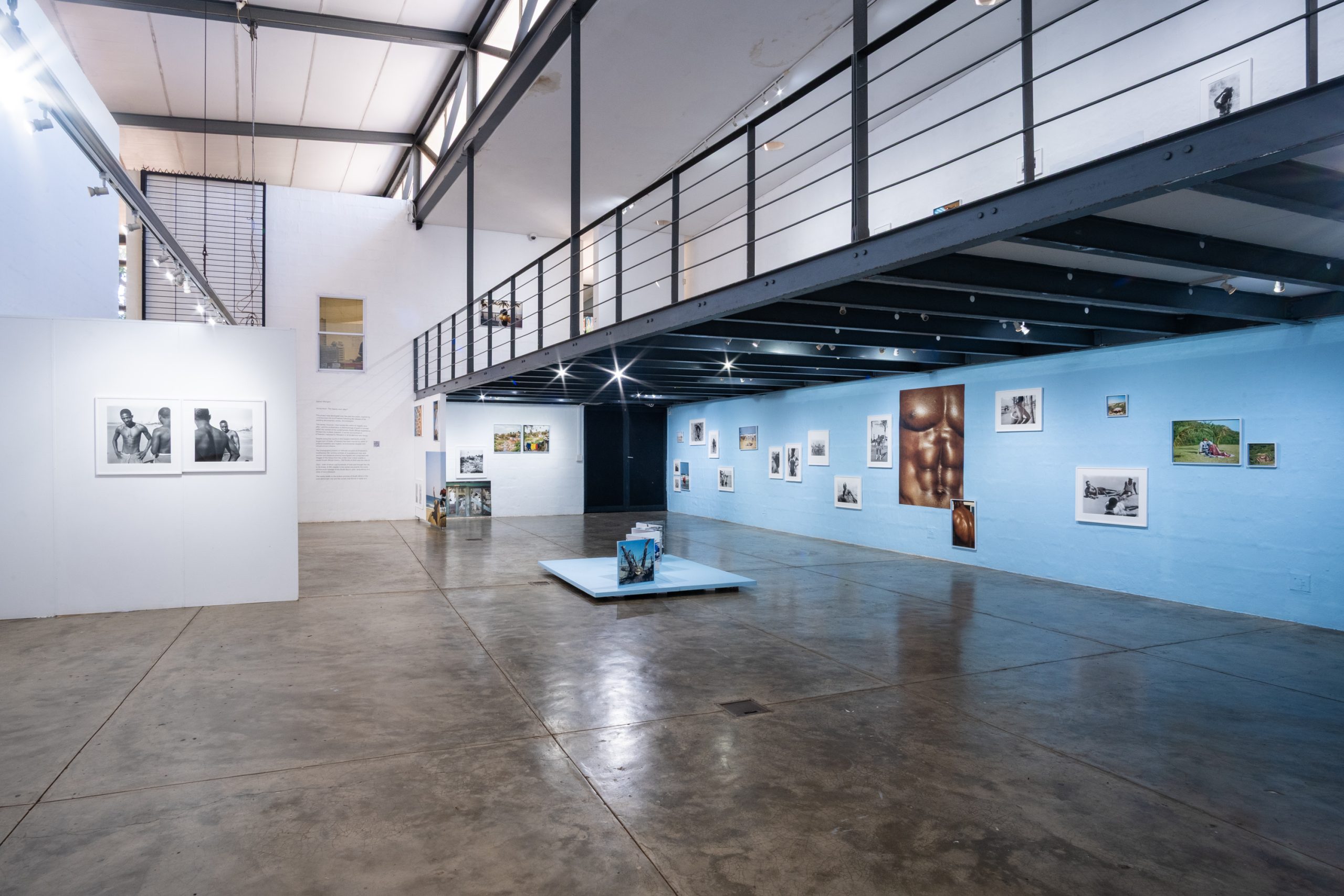
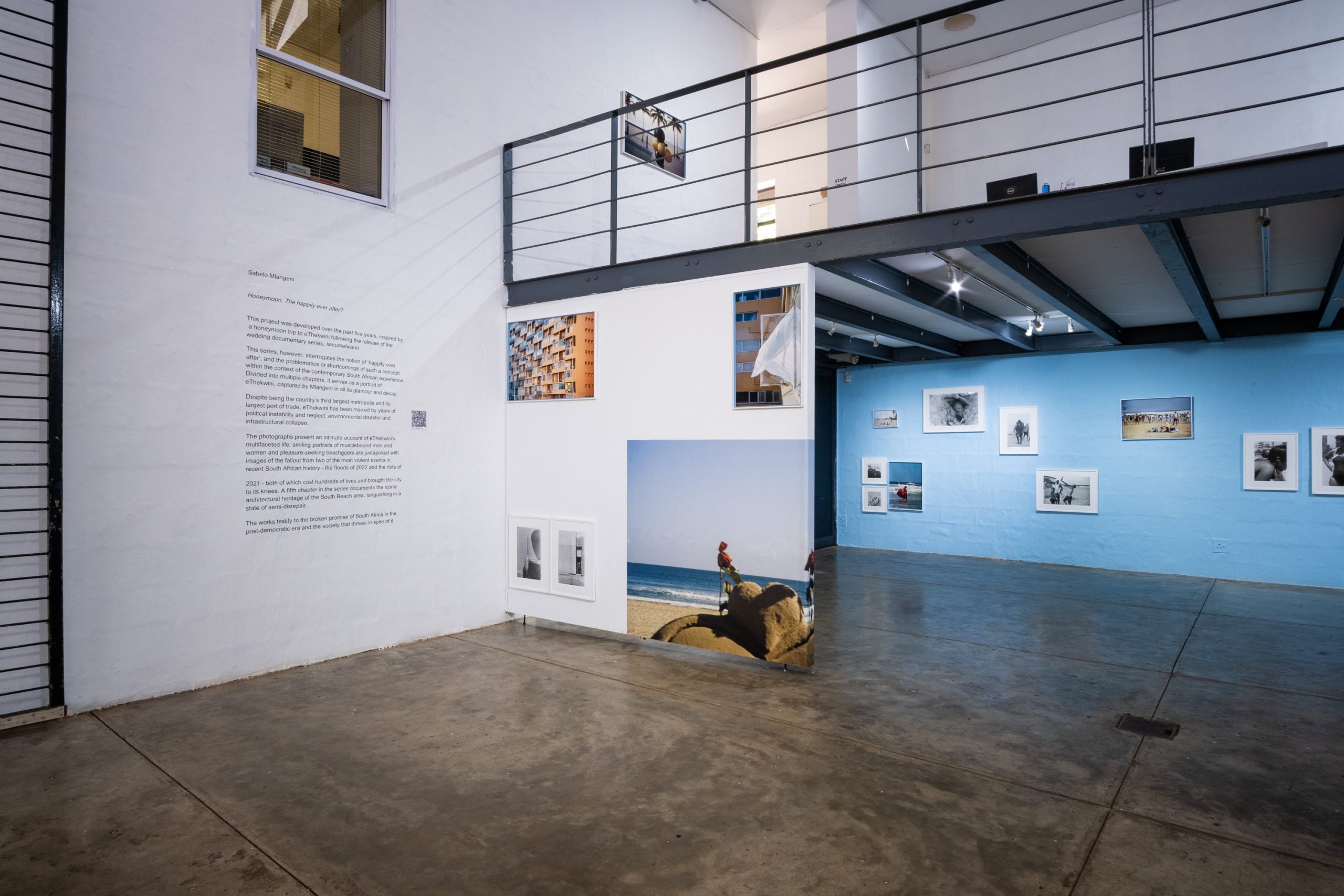
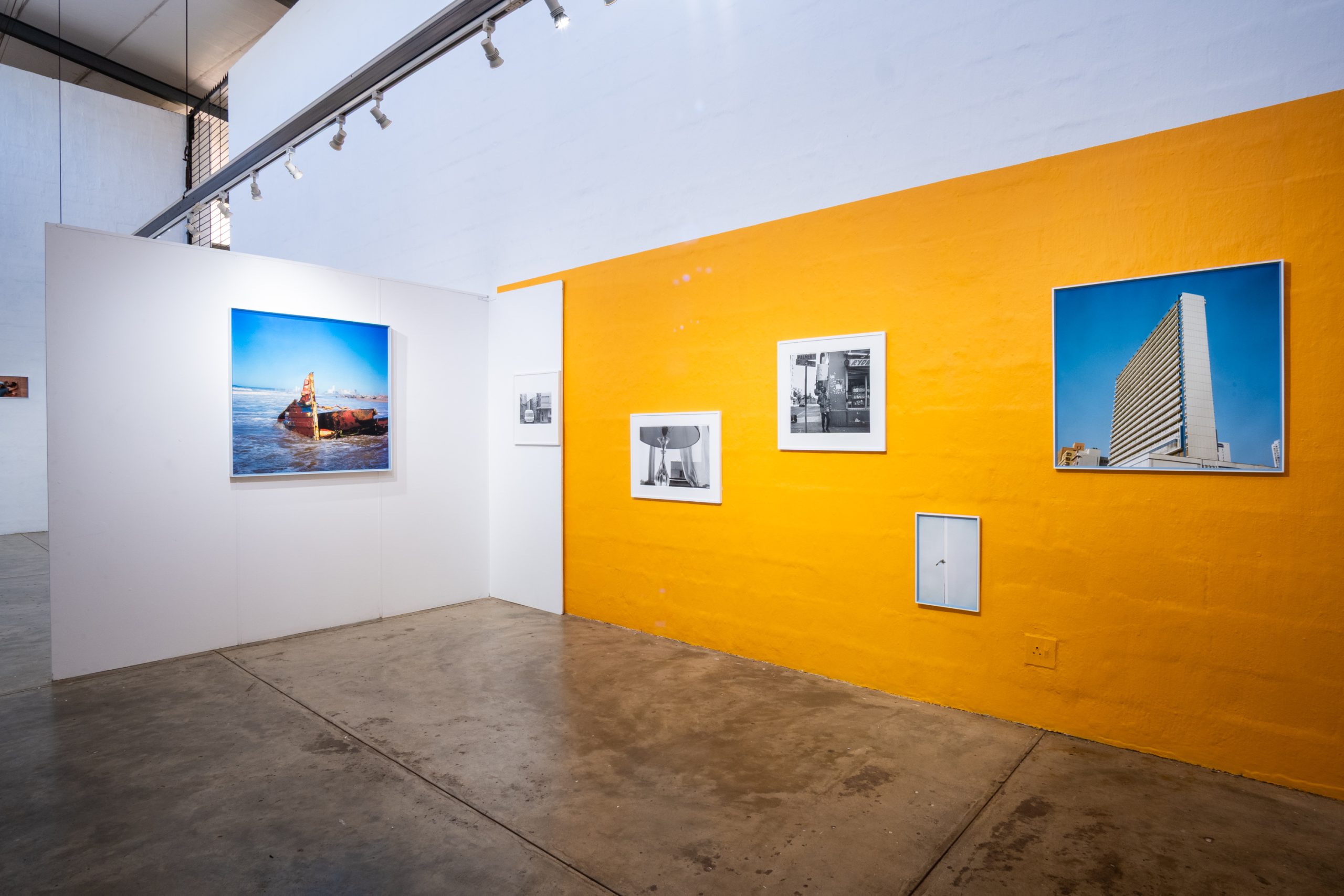
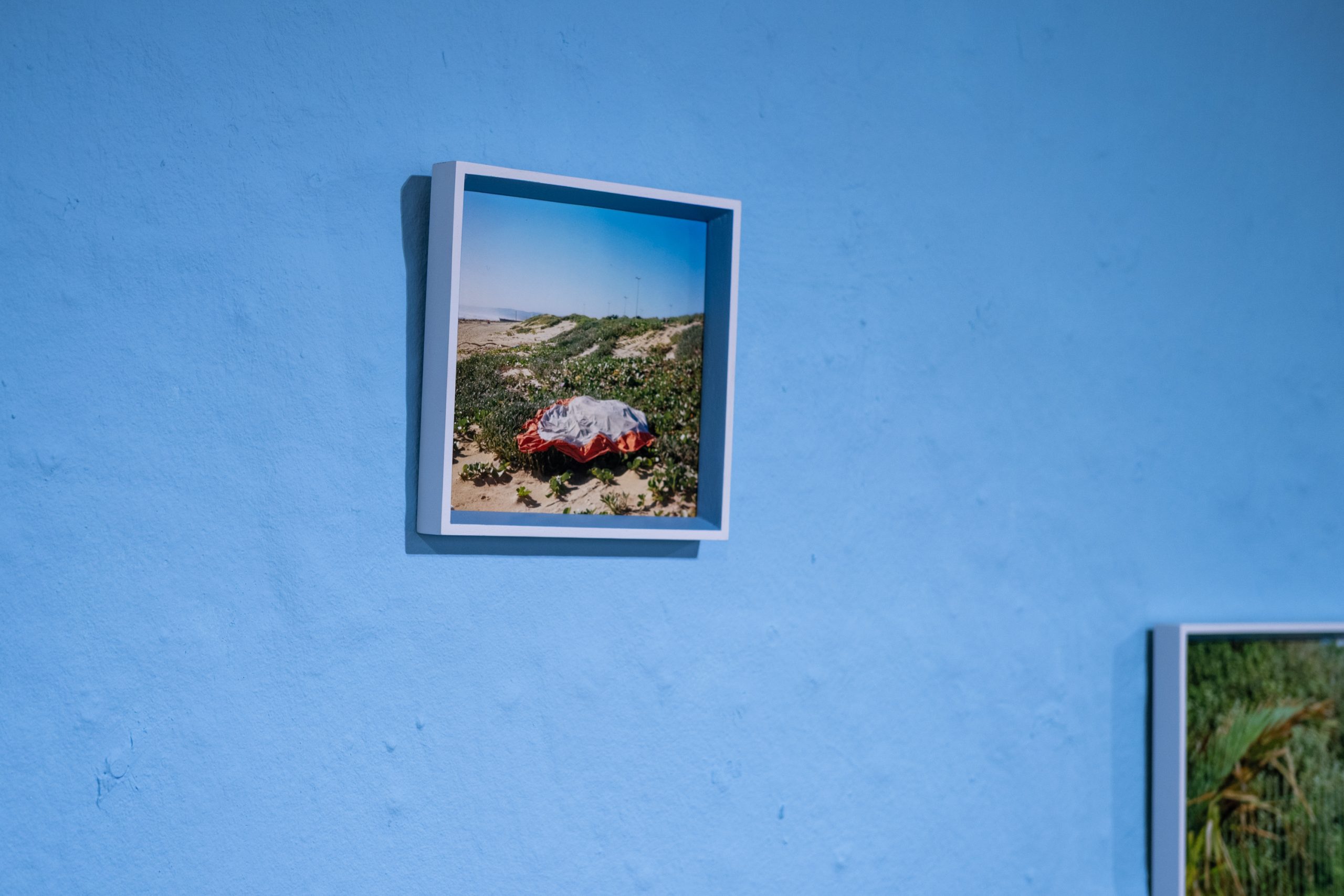
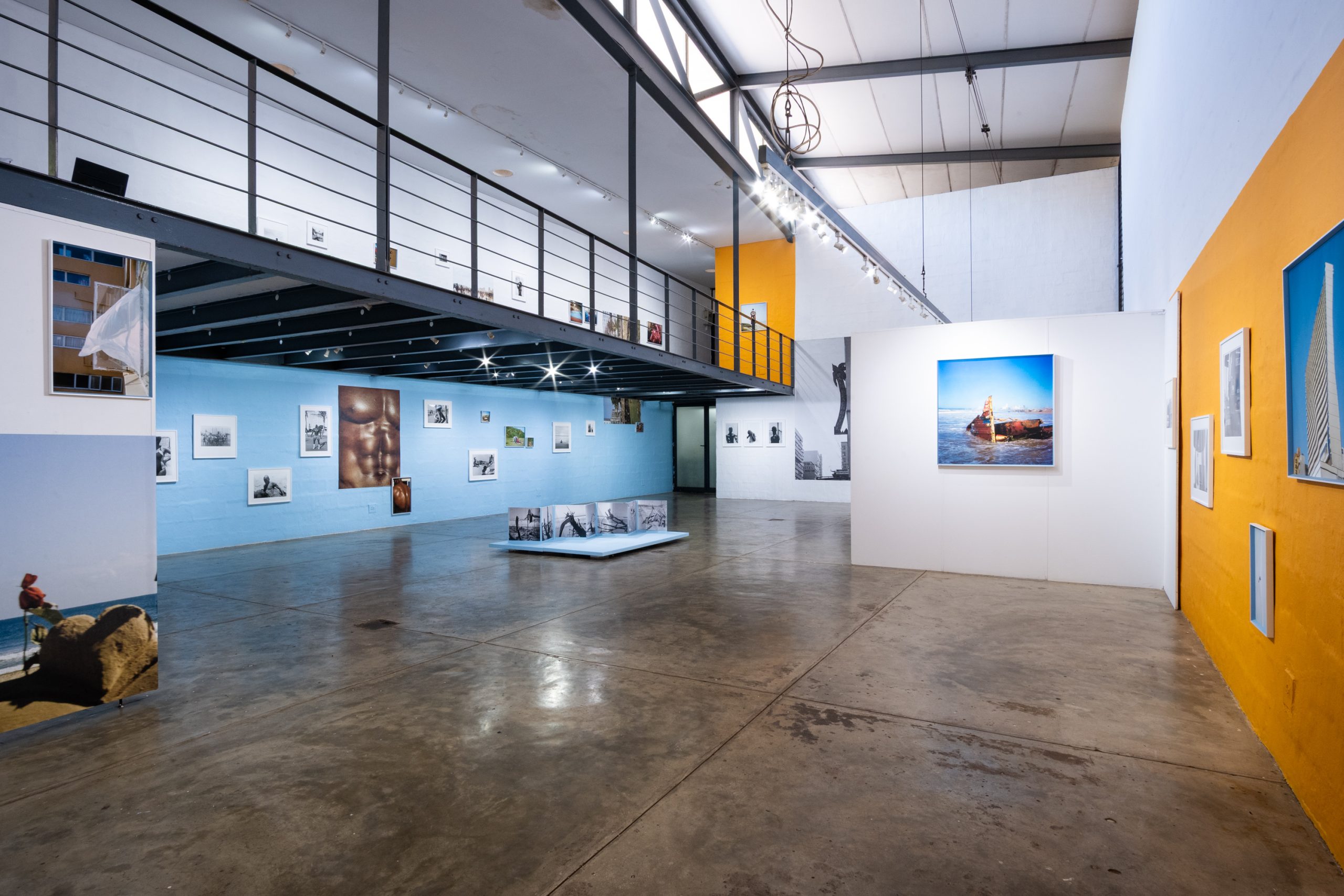
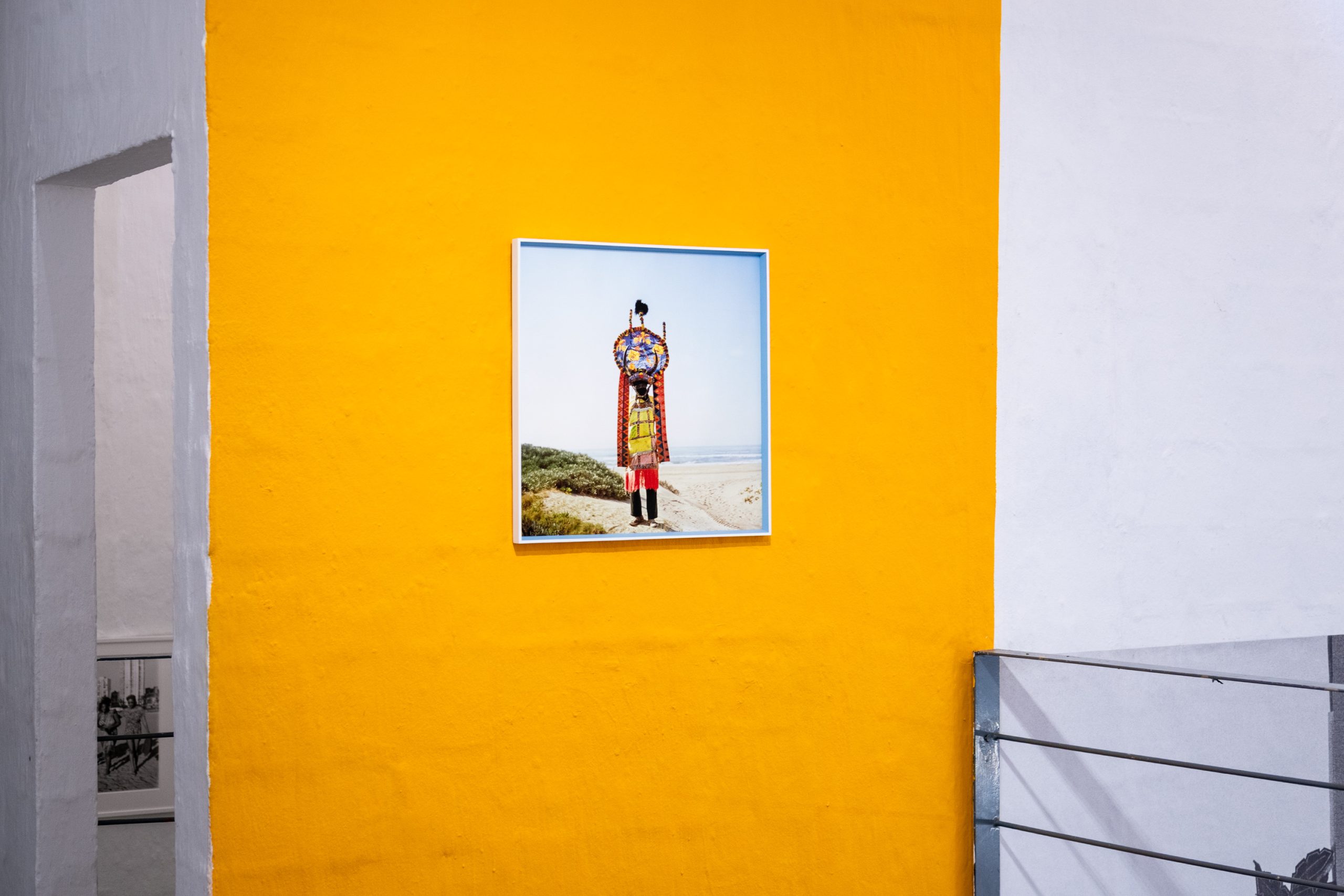
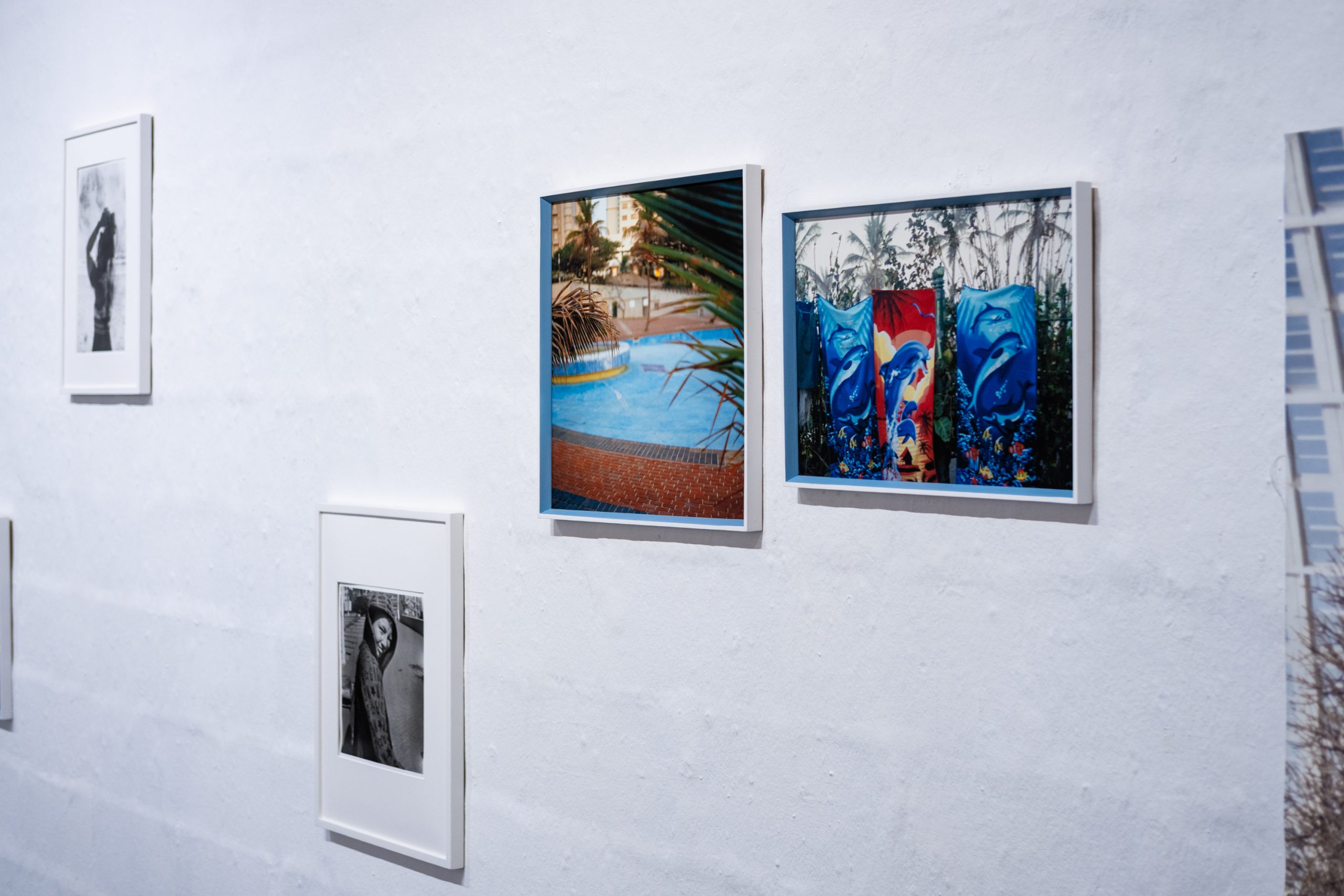
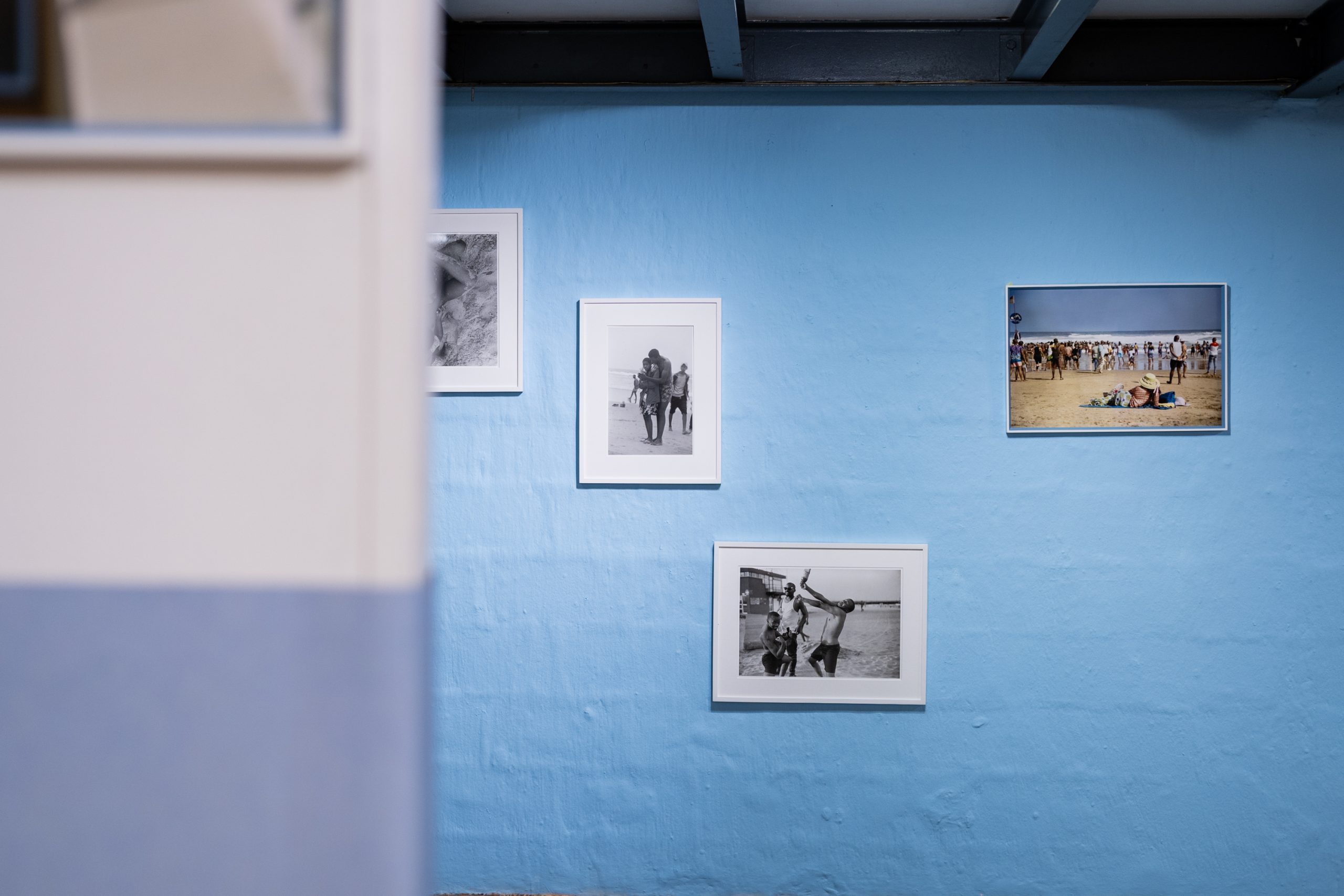
This exhibition is the result of five years of Mlangeni engaging with eThekwini. Over that time, Durban
became more than simply the setting for the work. He built a relationship with the environment and it
became a place of observation and a place of return. Through that sustained engagement, the city
emerges not as a single story, but as a collection of experiences, encounters and everyday realities.
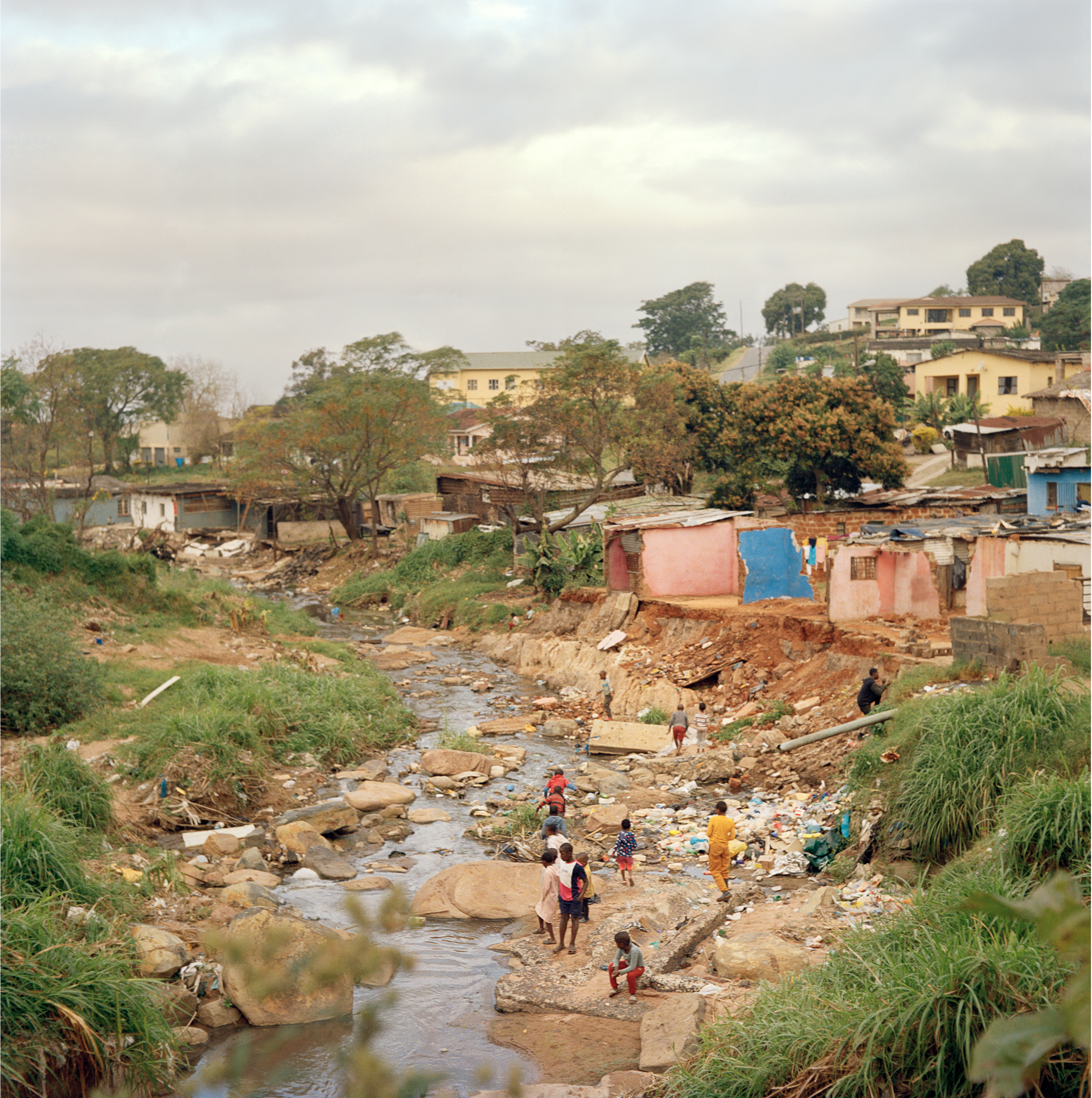
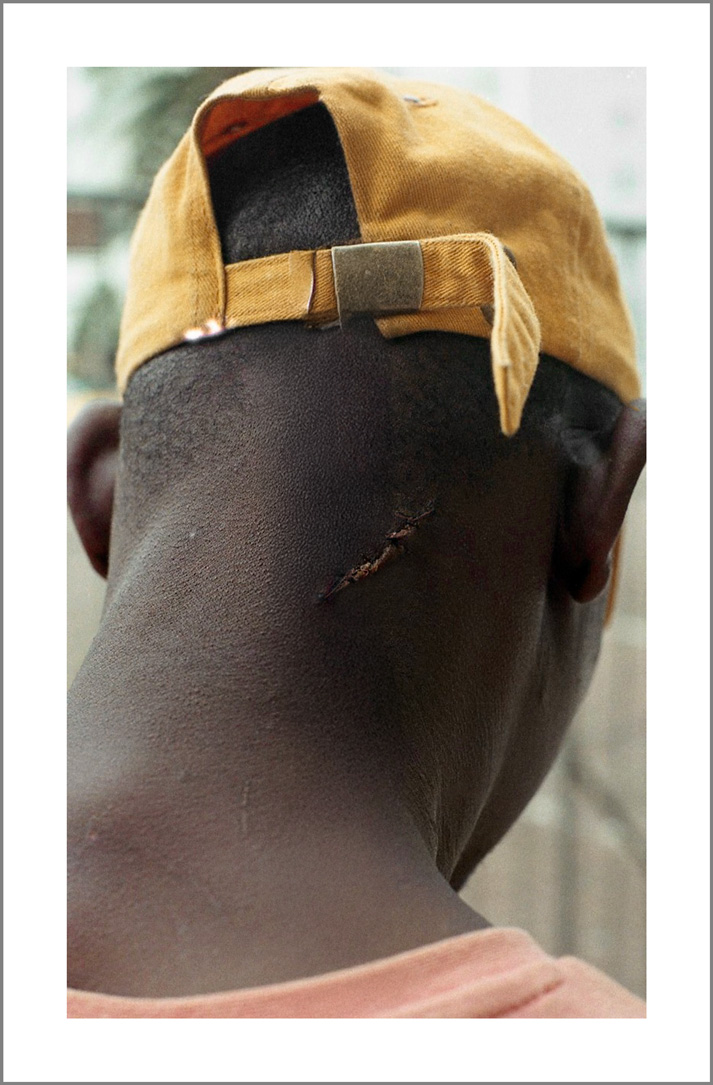
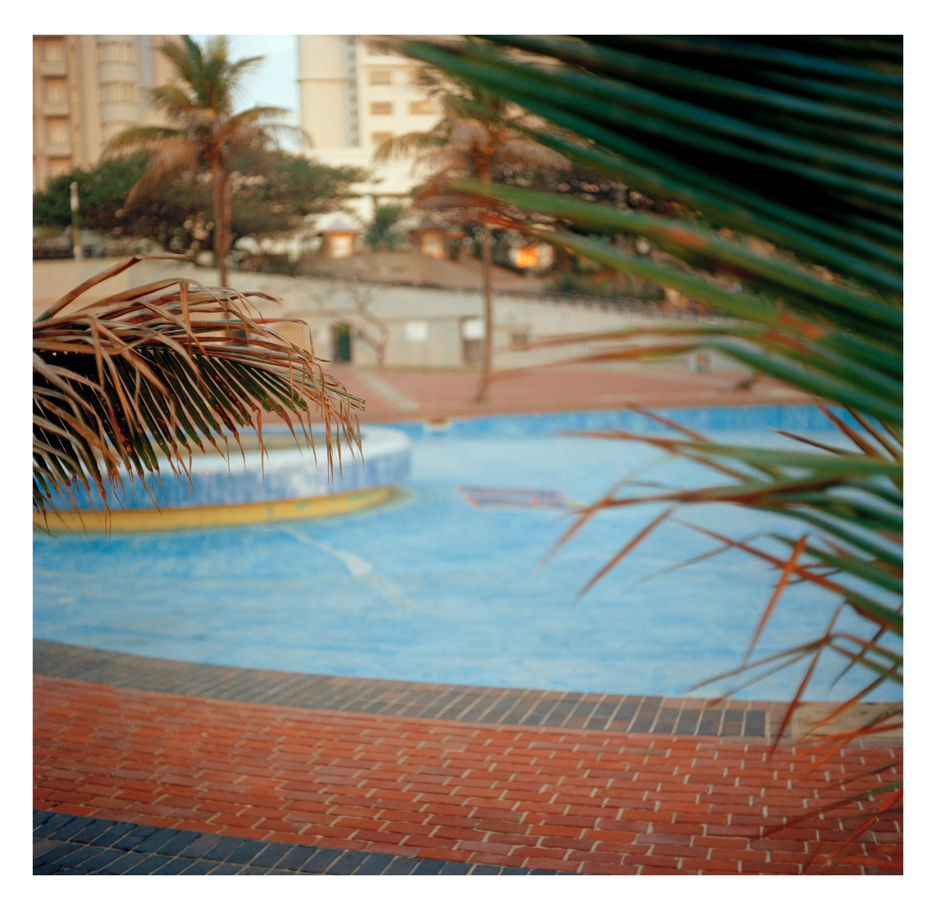
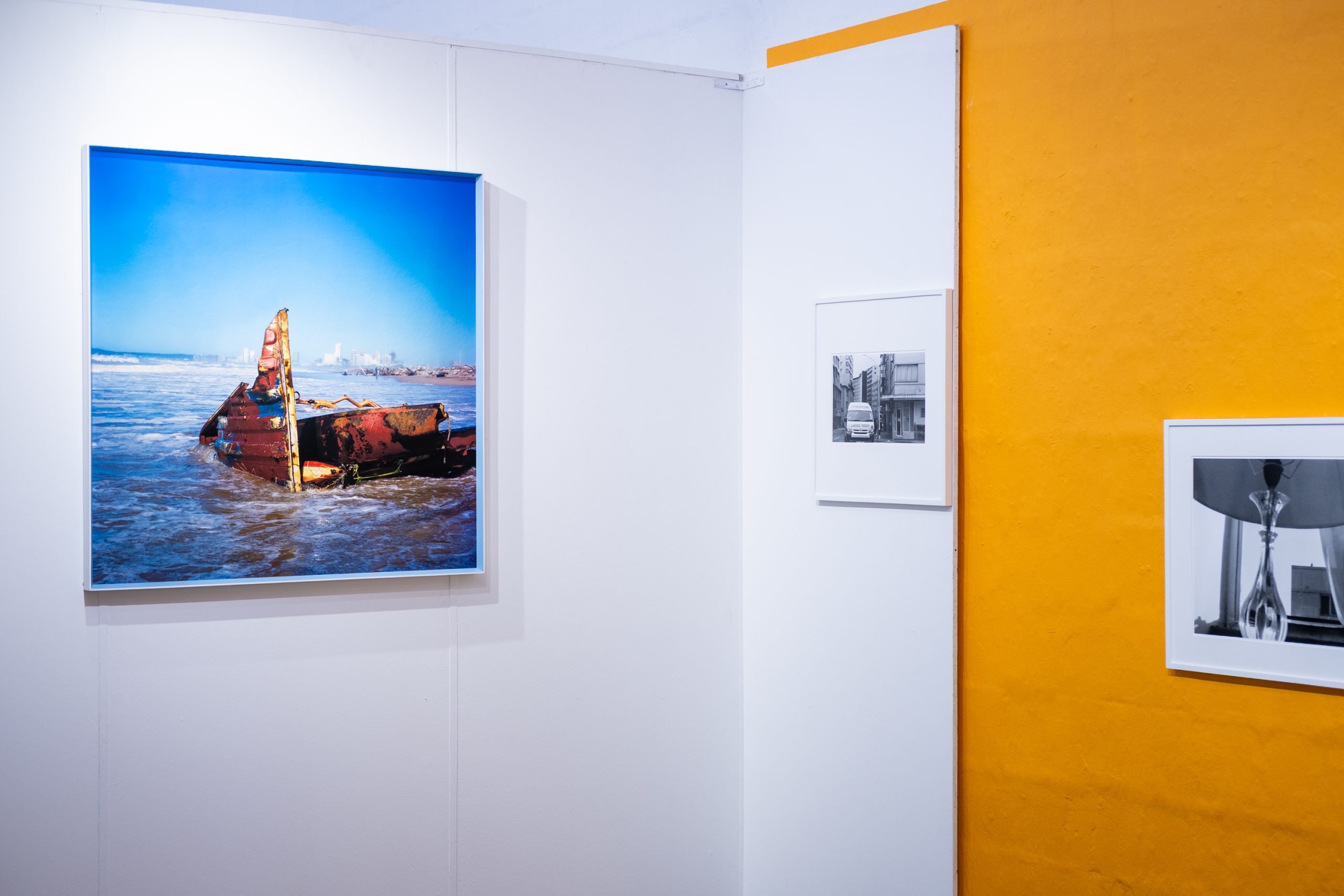
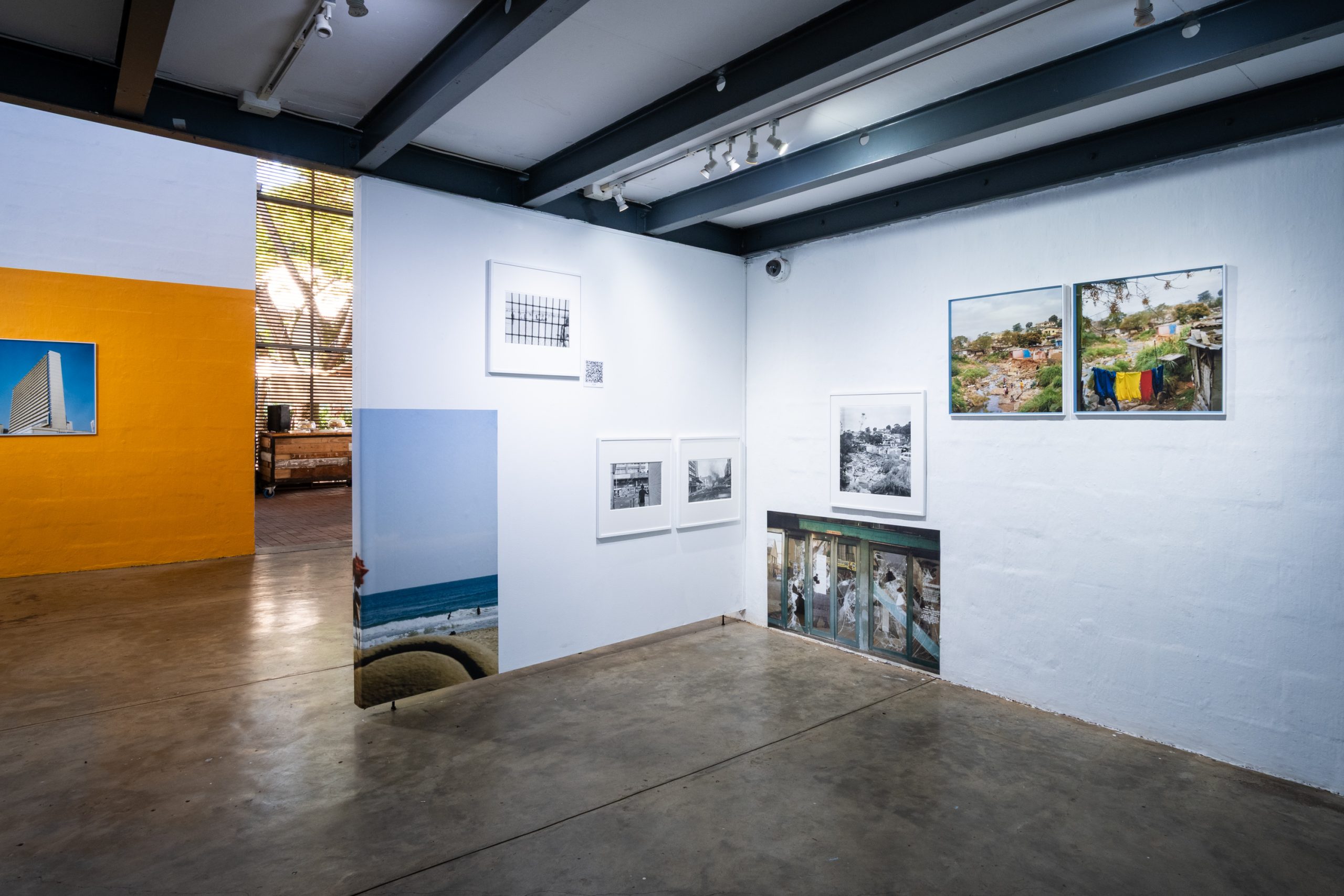
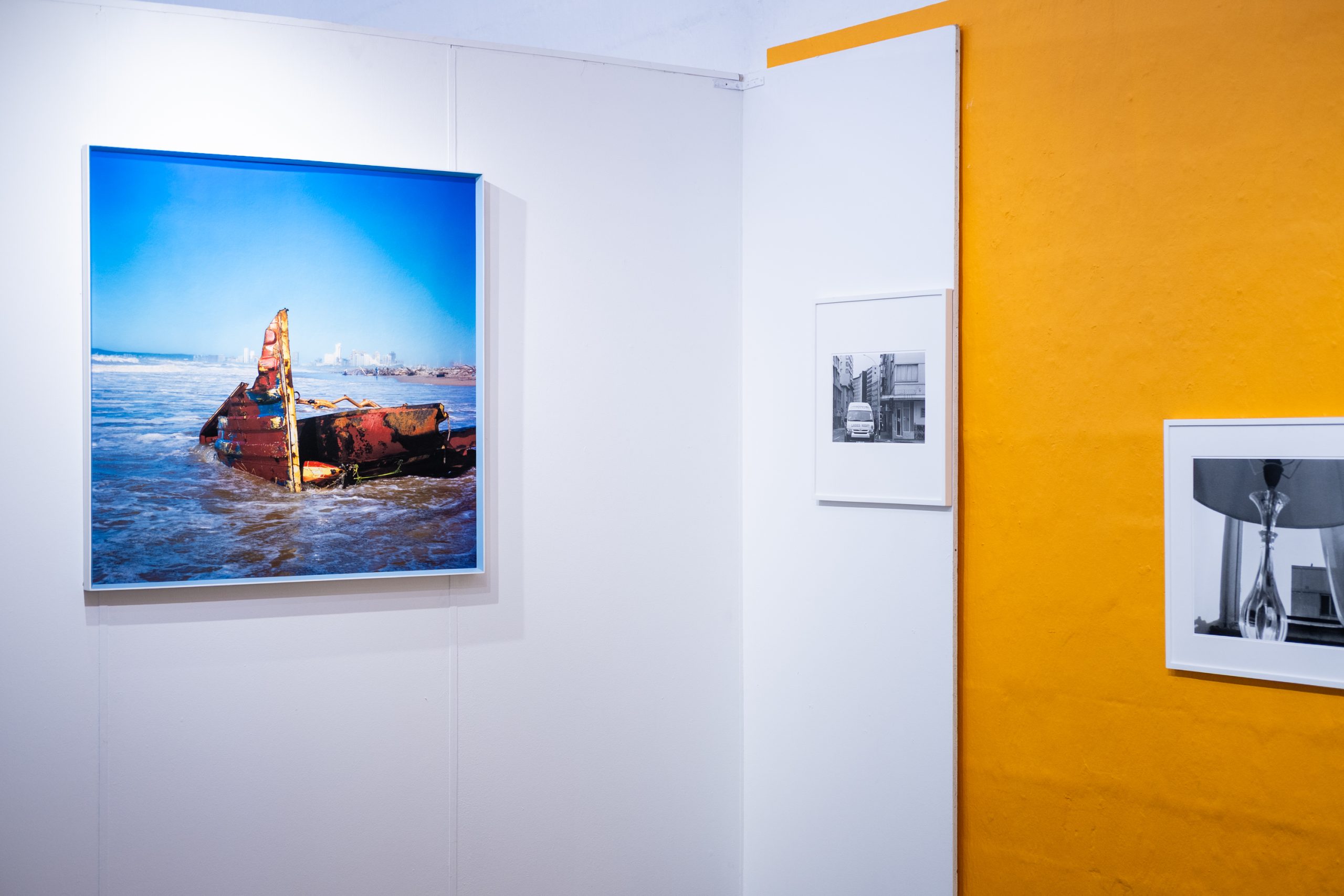
I think that question is particularly interesting in relation to Durban, a city that can be presented as a
place of beauty, relaxation and leisure, but which is where one can also be exposed to inequality,
infrastructure decay, municipal challenges and red-tape. What we experience is not just human
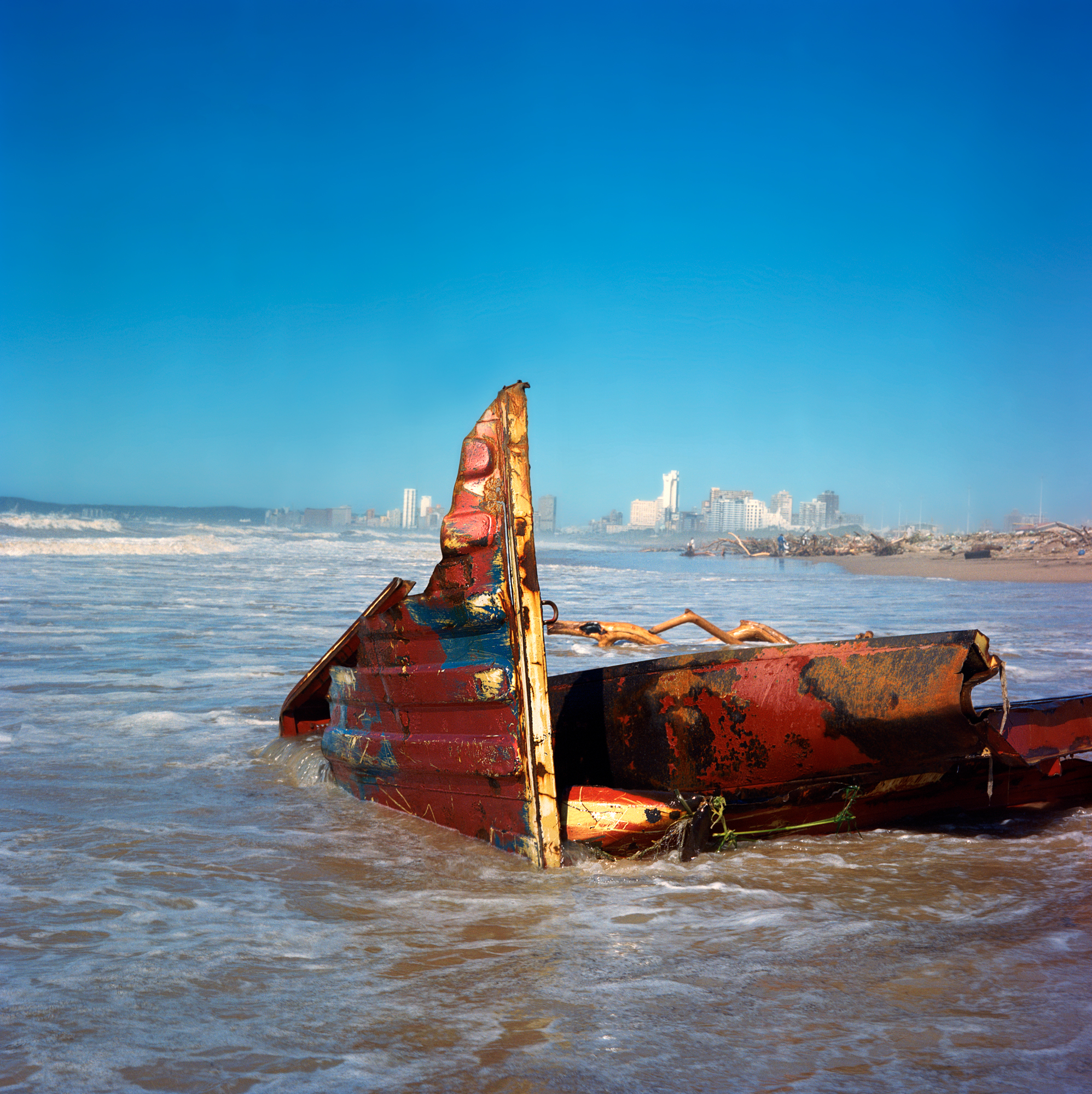
generated challenges, mother nature is also giving it to us. On the one side it is the July 2021 unrest, on
the other it is the devastating floods of 2022. And the two major blows I have just mentioned are part
of our most recent catastrophes, I haven’t even gone pre-Covid. They have affected how people live in
the city, how people experience and navigate the city and how the city is perceived.
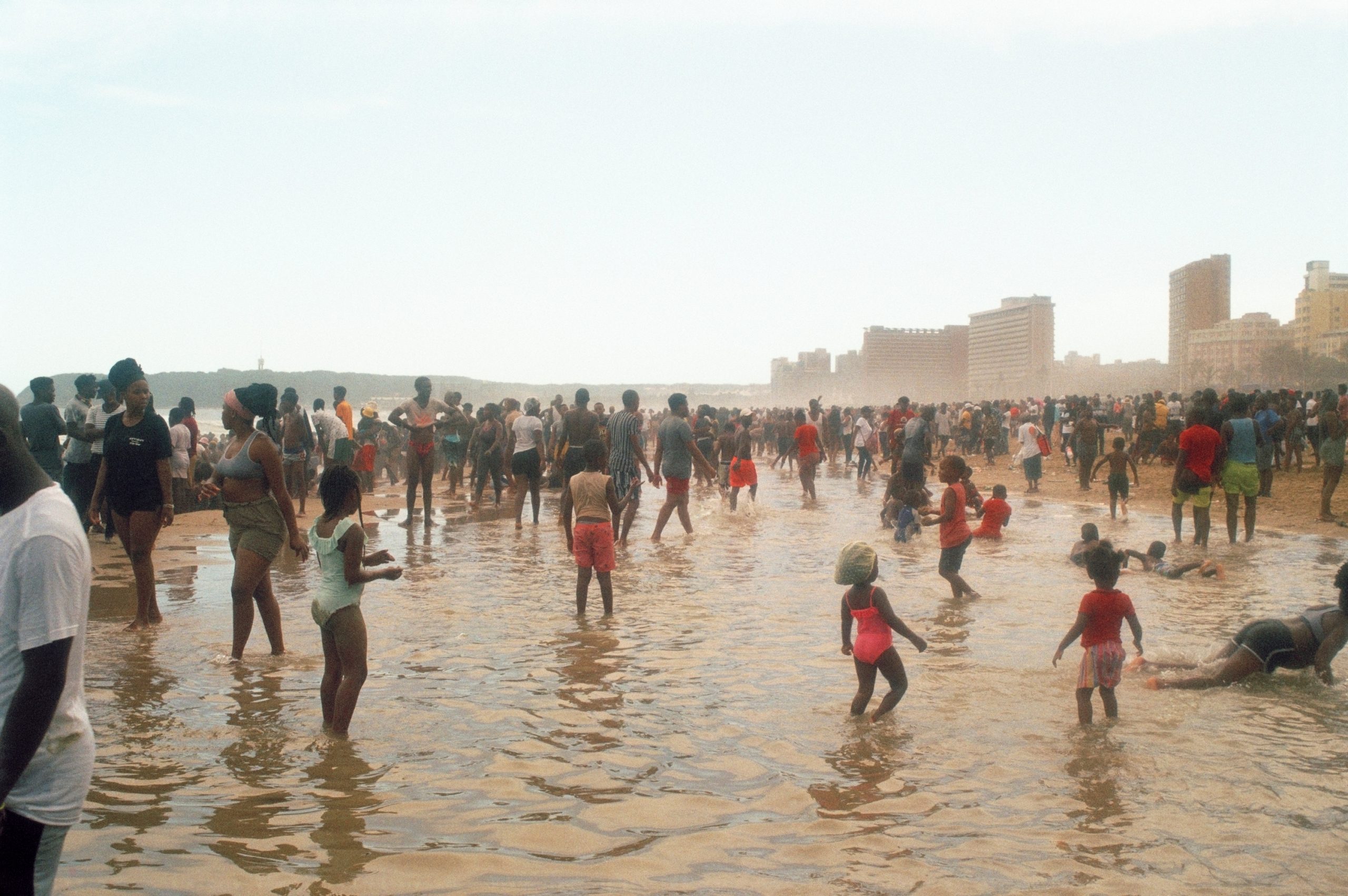
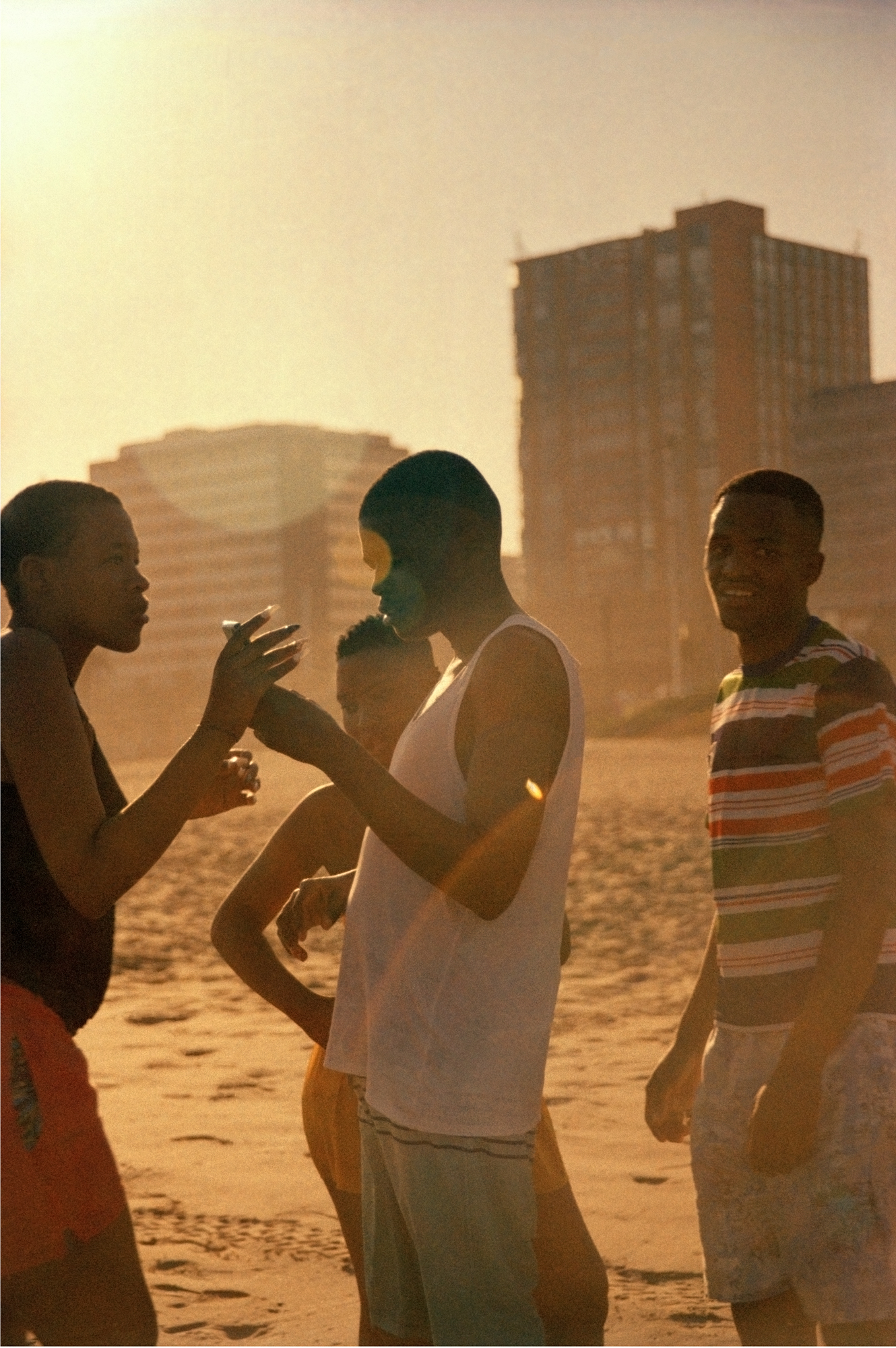
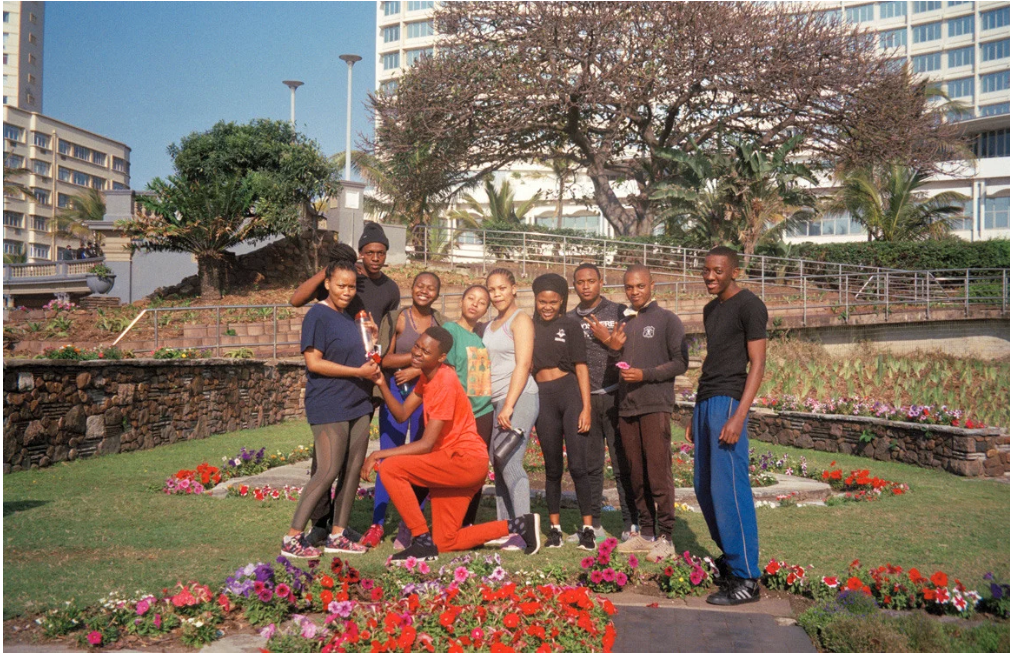
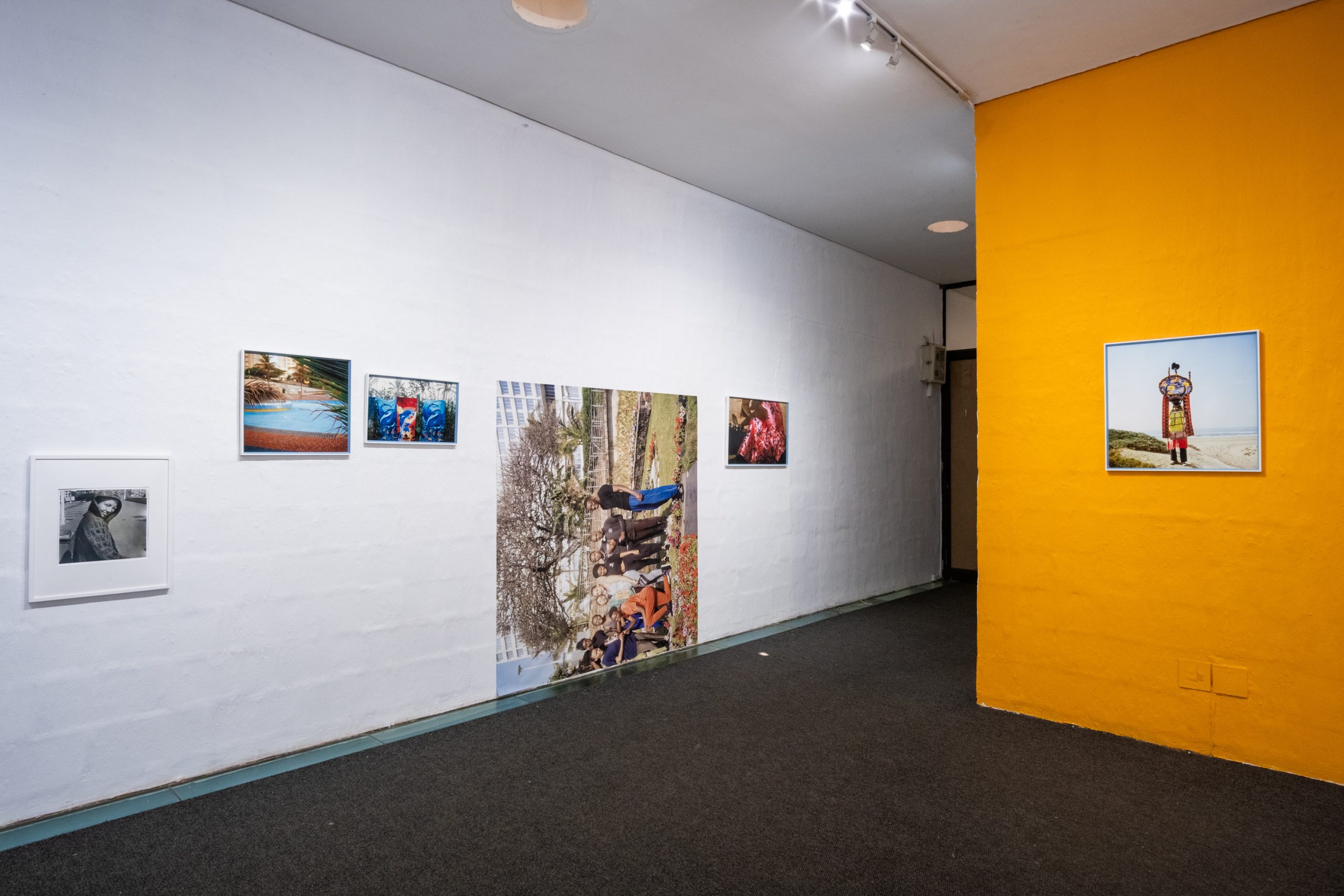
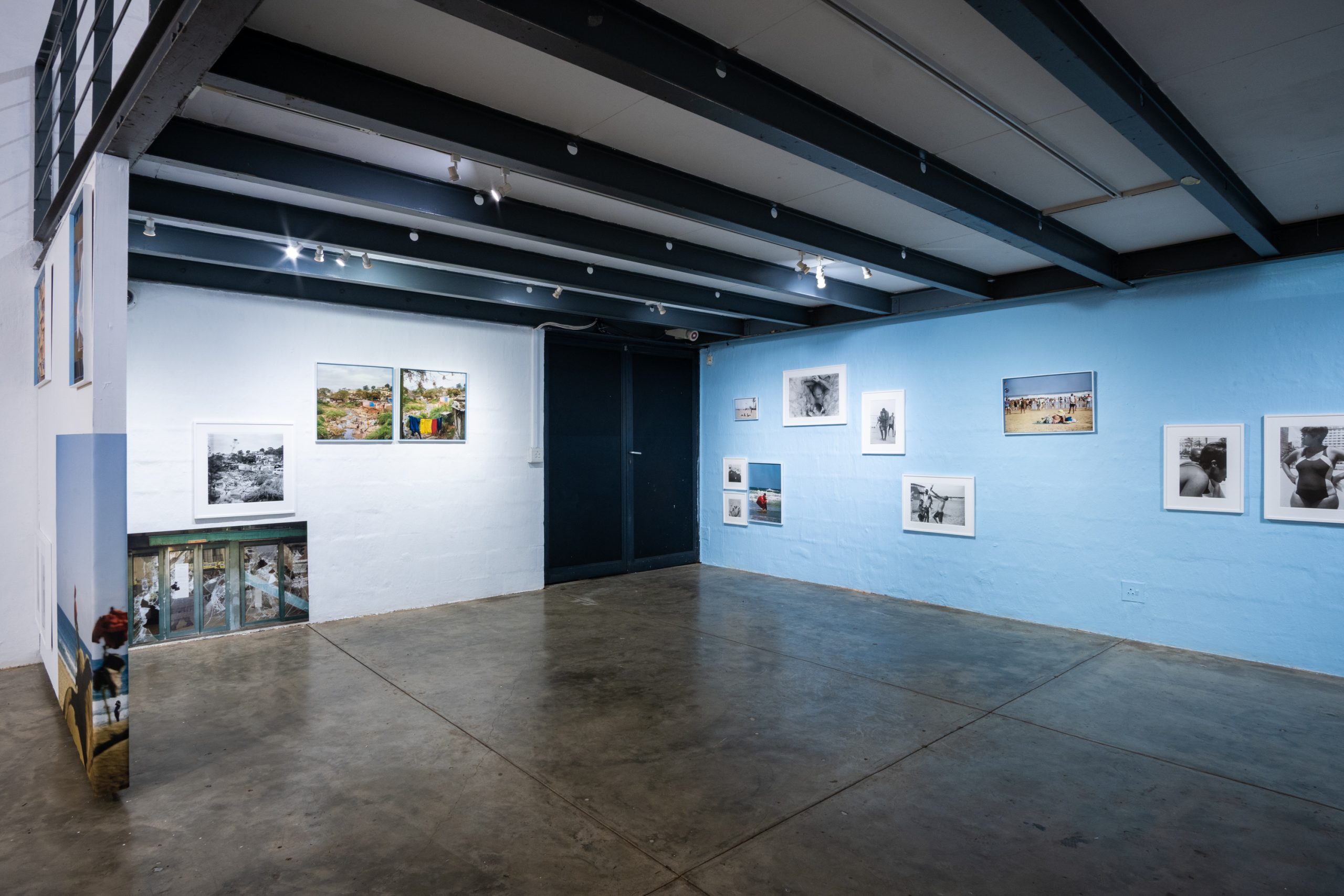
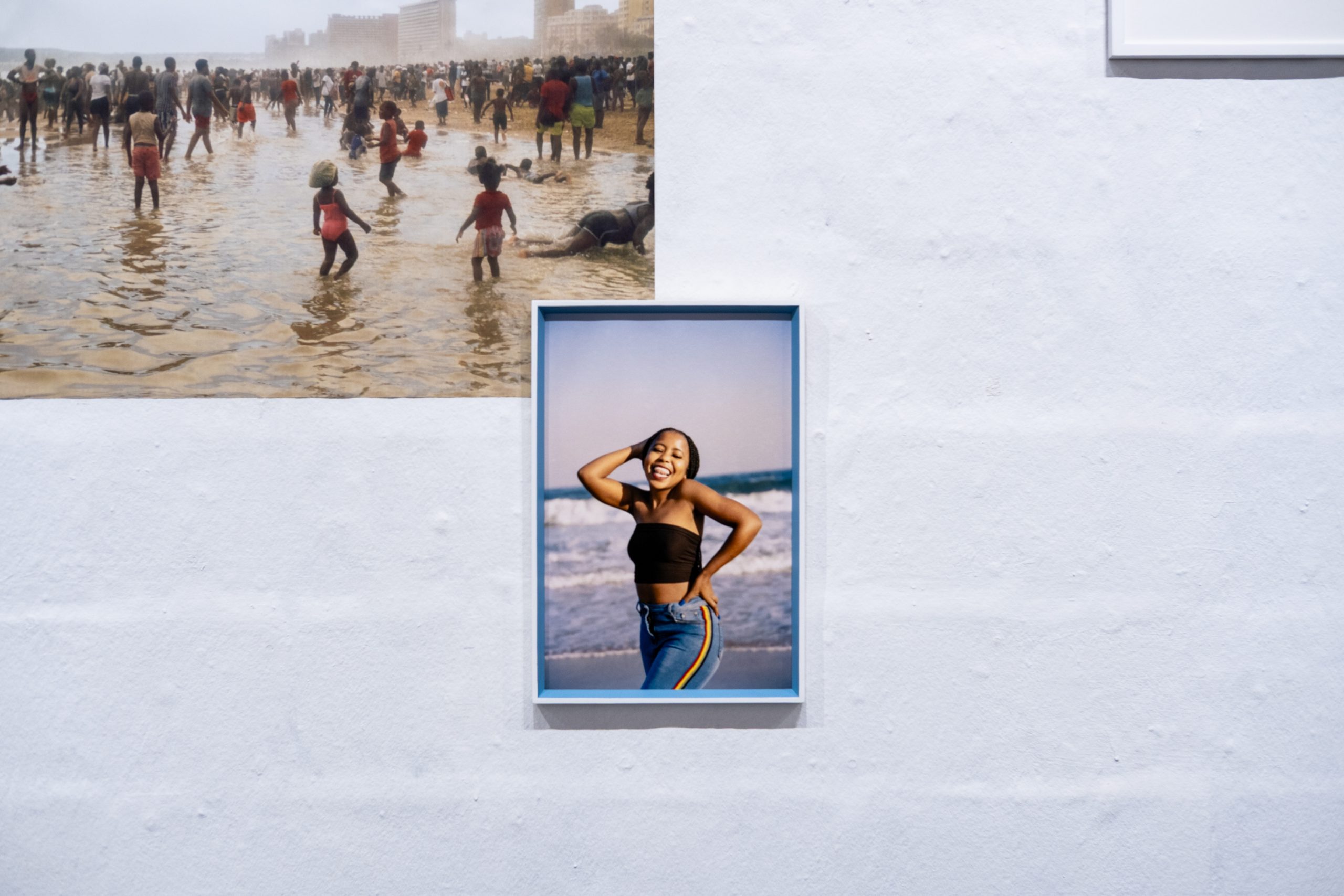
What I love about Mlangeni’s work is that he doesn’t let these events define Durban. He engages with
the city beyond the headlines and pays close attention to the lives continuing around them. People still
gather, celebrate, fall in love, go to church or for cleansings and spend time with loved ones.
How do we photograph a place without reducing it to its problems? How do we acknowledge hardship
without allowing it to define the people who experience it?
These are questions that we see run through Mlangeni’s wider photographic body of work.
If we look at his photographic series, Country Girls, he photographed queer life in rural Mpumalanga
and allows us to encounter friendship, intimacy and self-expression through the lens. The people in
these photographs are not presented simply the community’s struggles, rather we see their full lives
and their unique ways of engaging with the world.
We see another dimension of Mlangeni’s approach in Men Only, where he spent an extended period
around a Johannesburg hostel before photographing inside it. He took time to establish relationships
and gradually introduced the camera into that environment.
That process tells us something important about how he works. He is not simply interested in arriving
somewhere, making an image and leaving with a story already decided. The relationship comes first.
The photograph develops through that relationship and the time spent with people becomes part of
what the image carries.
The question of access is also important when we think about Mlangeni’s own photographic education.
Before the Market Photo Workshop, Mlangeni’s first real encounter with photography happened in
Driefontein through Cynthia Mavuso. His earliest photographic education was not necessarily formal;
it happened through being integrated in community practice.
But I think Cynthia’s importance goes beyond simply being the person who first introduced Mlangeni
to photography. She herself was deeply embedded in the life of documenting, photographing families,
weddings, children, community events and everyday life over many years. Mlangeni has spoken about
the breadth and depth of her archive, including mentioning how under recognised her contribution to
conventional histories of South African photography has been.
That is significant because it highlights that photographic knowledge does not only come from
institutions. It also comes from communities, from local photographers and from people who have
been documenting their own environments for generations.
And for me, that makes the question of access particularly important: who gets access to photographic
education and institutions, but also whose photographs are preserved, exhibited and remembered as
part of our photographic history?
This history is particularly meaningful because I also came into photography through this KZN
photographic community and through the Durban Centre for Photography. I know how important those
spaces of learning and exchange can be, especially when you are still working out what your practice
might become and you are finding and refining your visual language.
Mlangeni’s work belongs to this wider history, but it also has a very distinct approach to what it means
to photograph people. He has spoken about photography as performative, recognising that the camera
changes a situation simply by being present. People know they are being photographed. They might
pose, withdraw, perform, become more conscious of themselves, or simply carry on with what they
were already doing. The photographer is not an invisible observer standing outside the situation. Their
presence becomes part of it.
This connects closely to something Dr Kholeka Shange has written about in relation to the Ngoni word
ukuthwebula. The word refers to the act of photographing or making an image, but Shange also draws
attention to its associations with capturing something that belongs to another person, including, in
some interpretations, their power.
This gives us another way to think about the act of photographing. Who is photographing whom? What
is being photographed? What happens to the image once it leaves the space in which it was made? And
what responsibility does the photographer have towards the person whose image they carry into the
world?
These questions are particularly important in a country with a long and complicated history of
photographing lives, particularly Black lives, often without consent, context or consideration for how
images might be used. They remind us that representation is not simply about what appears in the
frame. It is also about the relationship between the person making the image and the person being
photographed.
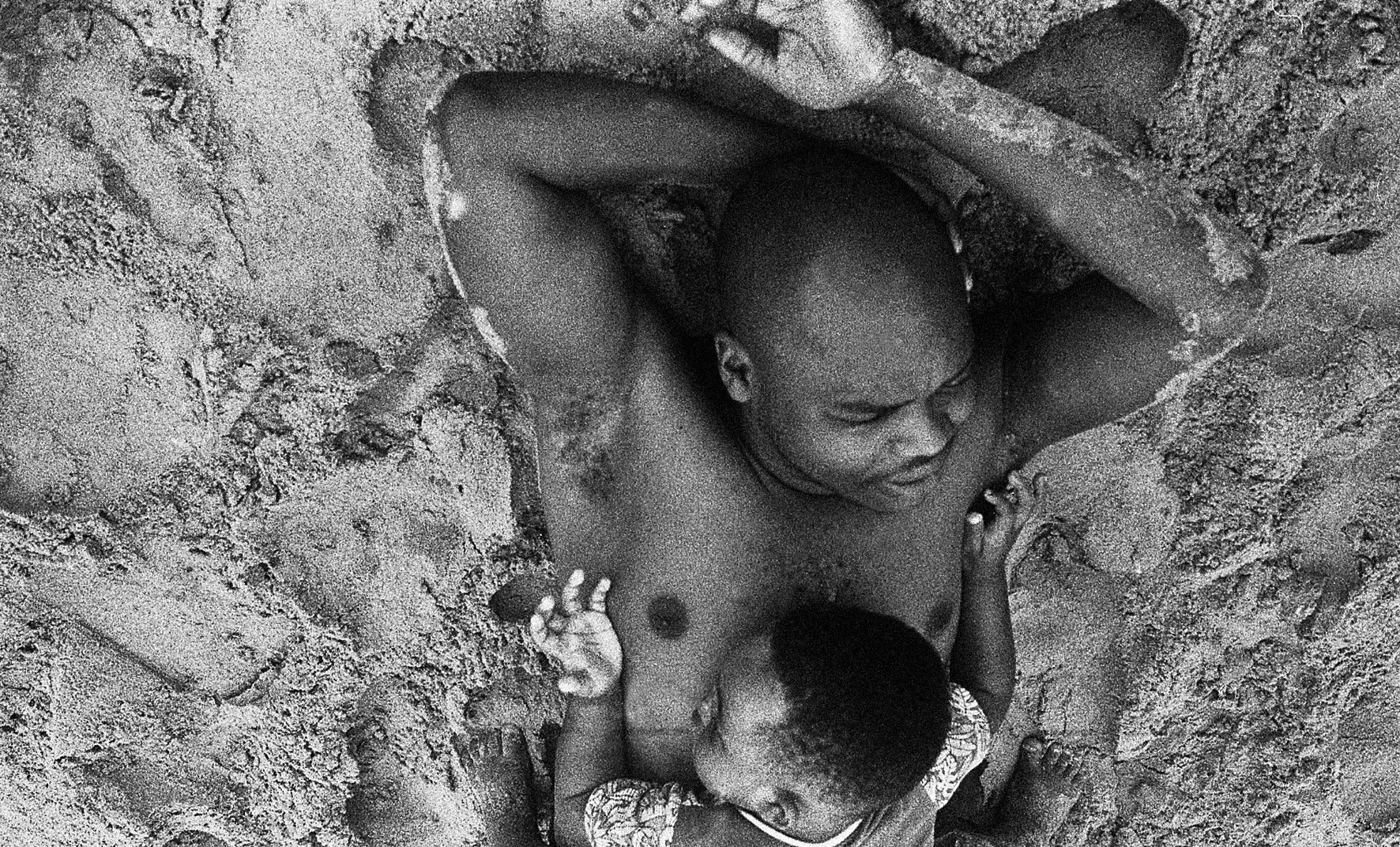
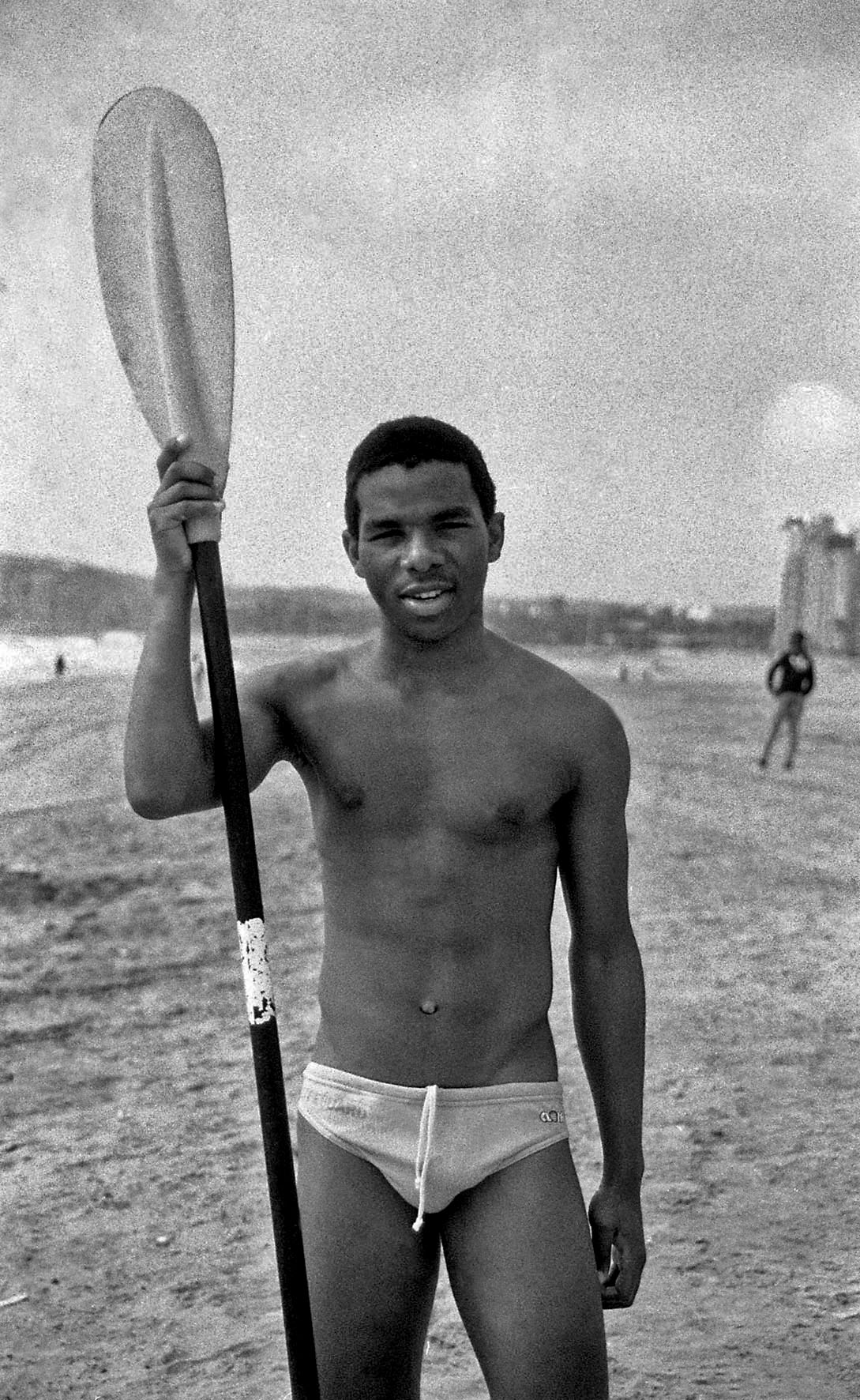
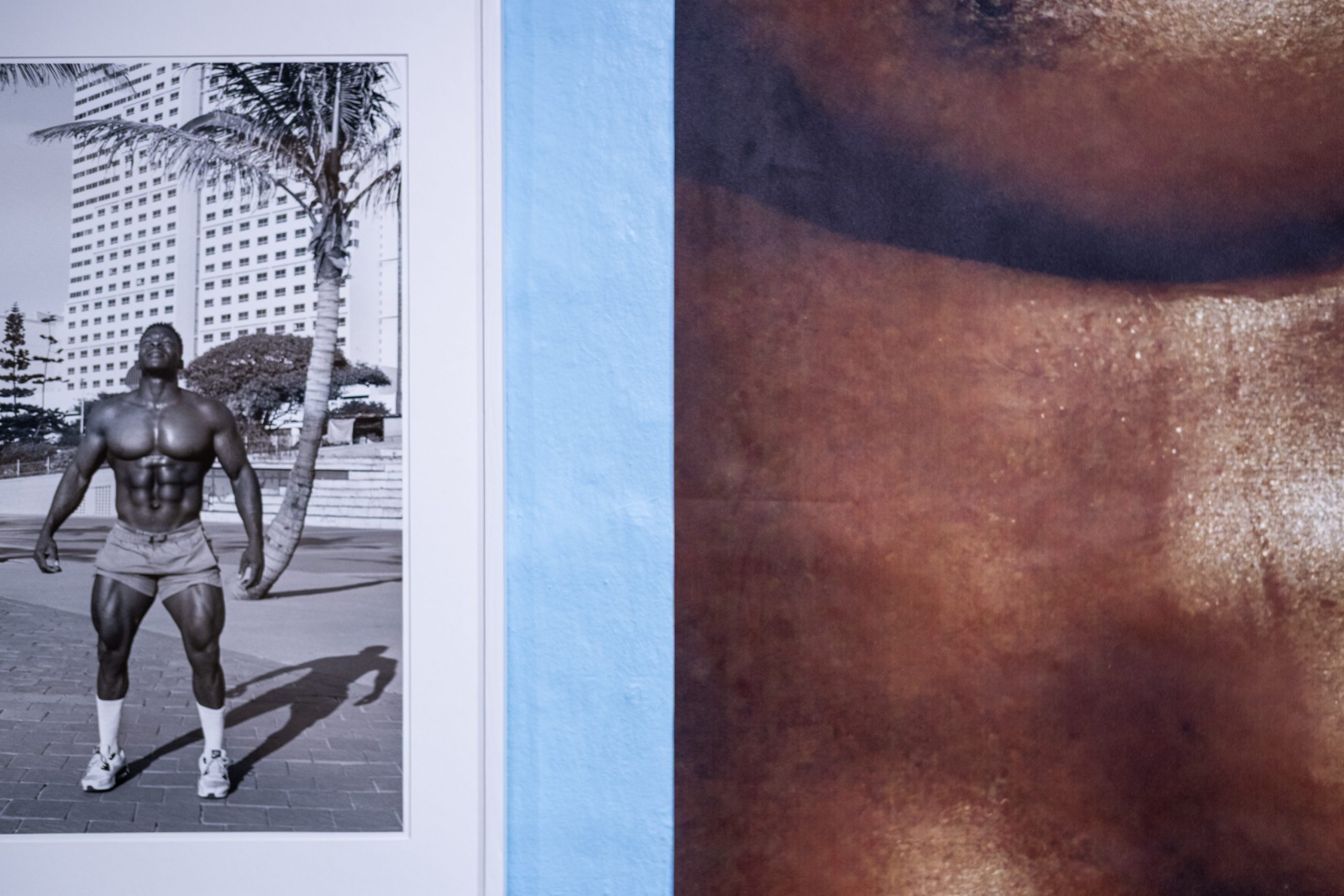
I think Mlangeni’s mindfulness around the camera is important here. His photographs can feel intimate,
but they rarely feel intrusive. There is a sense that the people in his photographs remain participants in
an encounter rather than simply becoming subjects for the photographer’s gaze. That feeling comes
from time, trust and an awareness of the photographer’s own position within the situation.
He does not romanticise people, but he also refuses to reduce them to their hardships. He gives them
their complexity.
And perhaps this is where Honeymoon. The happily ever after? becomes particularly interesting in
relation to Durban. The exhibition does not ask us to choose between the beautiful city and the difficult
city. The intimate and the public. The personal and the political. Celebration and uncertainty. Belonging
and displacement. Love and disappointment. The ordinary and the extraordinary.
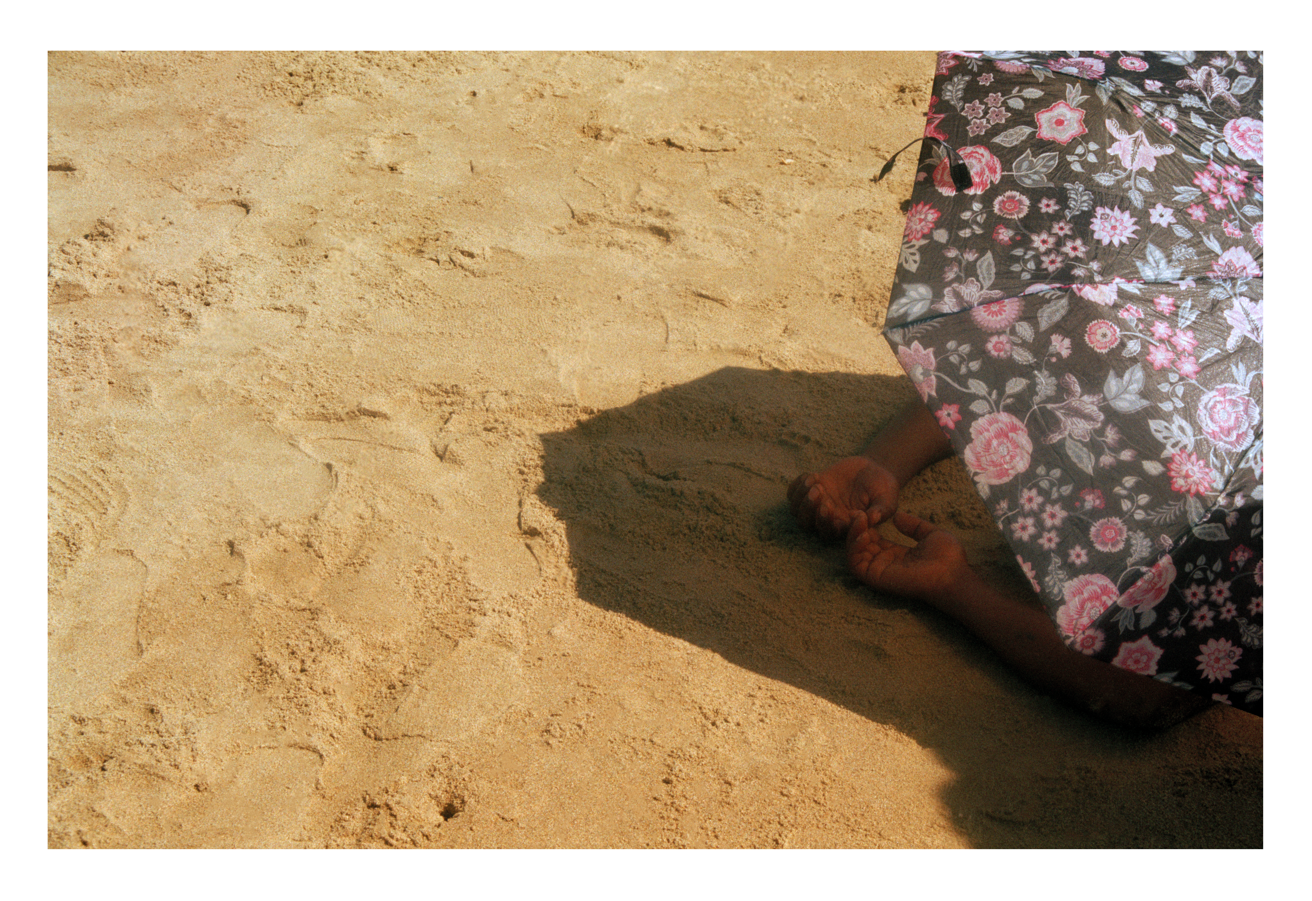
These things can exist in the same place, sometimes in the same photograph. The promise of a happily
ever after does not mean that difficulties disappear. Maybe, just maybe it means learning to understand
how tenderness, joy and connection continue to exist alongside uncertainty.
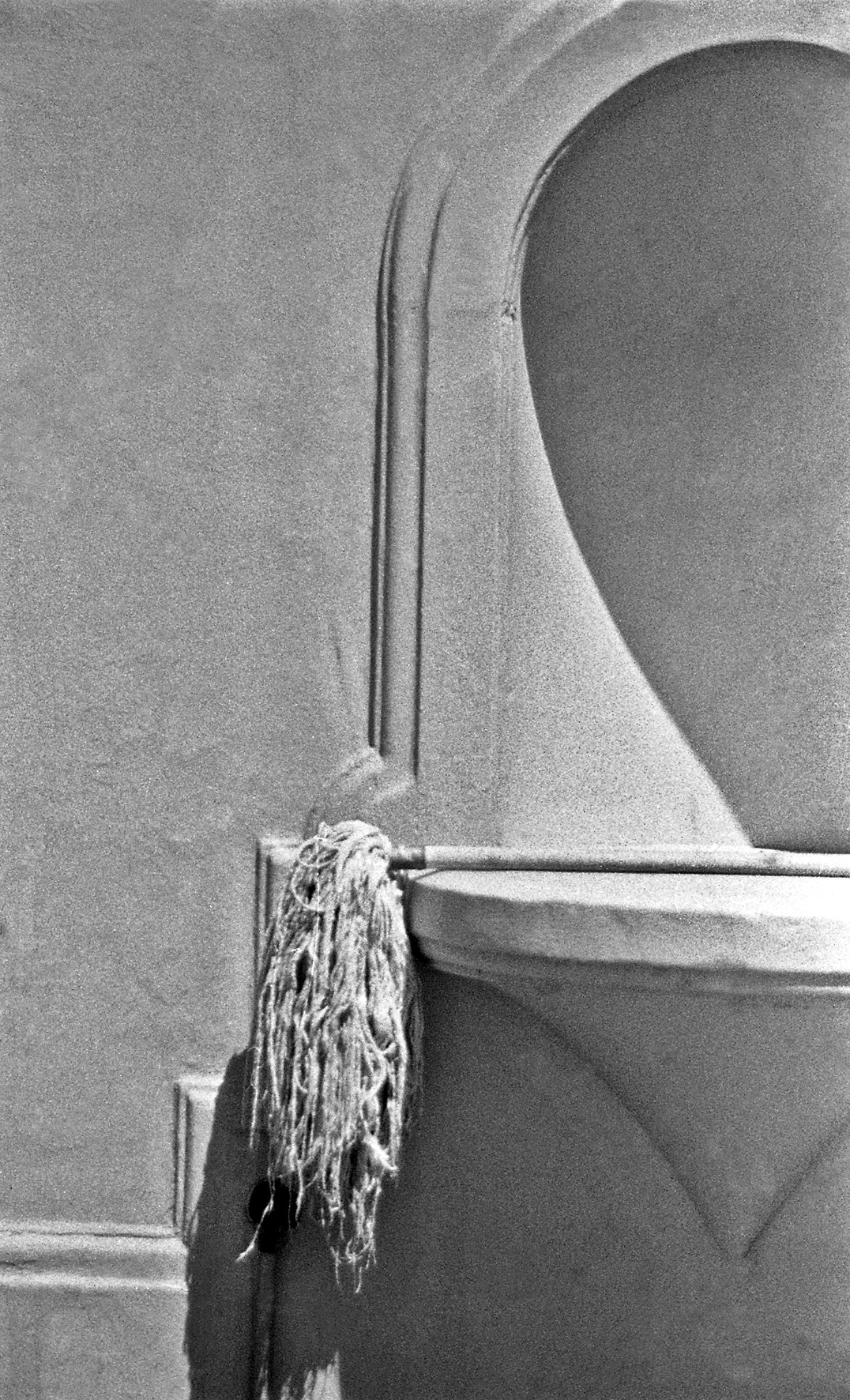
One of the strengths of Mlangeni’s practice is that he gives us photographs that ask us to stay with a
situation a little longer. To look beyond the obvious, pay attention to the people within the frame, and
to consider the relationship between the photographer, the person photographed and the place they
occupy together.
So, as we open Honeymoon. The happily ever after? tonight, I would like to return to that question
mark in the title. Mlangeni’s photographs do not necessarily give us an answer. They offer us
encounters, fragments and moments to consider for ourselves. They ask us to look carefully, to resist
easy conclusions, and to recognise the complexity of the lives unfolding around us.
Congratulations, Mlangeni, on this important body of work. Thank you for allowing us to encounter
Durban, and the people who inhabit it, through your way of looking. Nxese, bhuti, about your vehicle.
It seems the exhibition has, without your permission, done a live demonstration of what these
complexities look like in reality. But all is well and the beauty is us being here, right now.
And thank you to KZNSA Gallery for bringing this work into a space where we can gather, look together
and continue these conversations.
It is a privilege to welcome Honeymoon. The happily ever after? here in Durban, the city that has been
at the centre of this work.
Thank you.