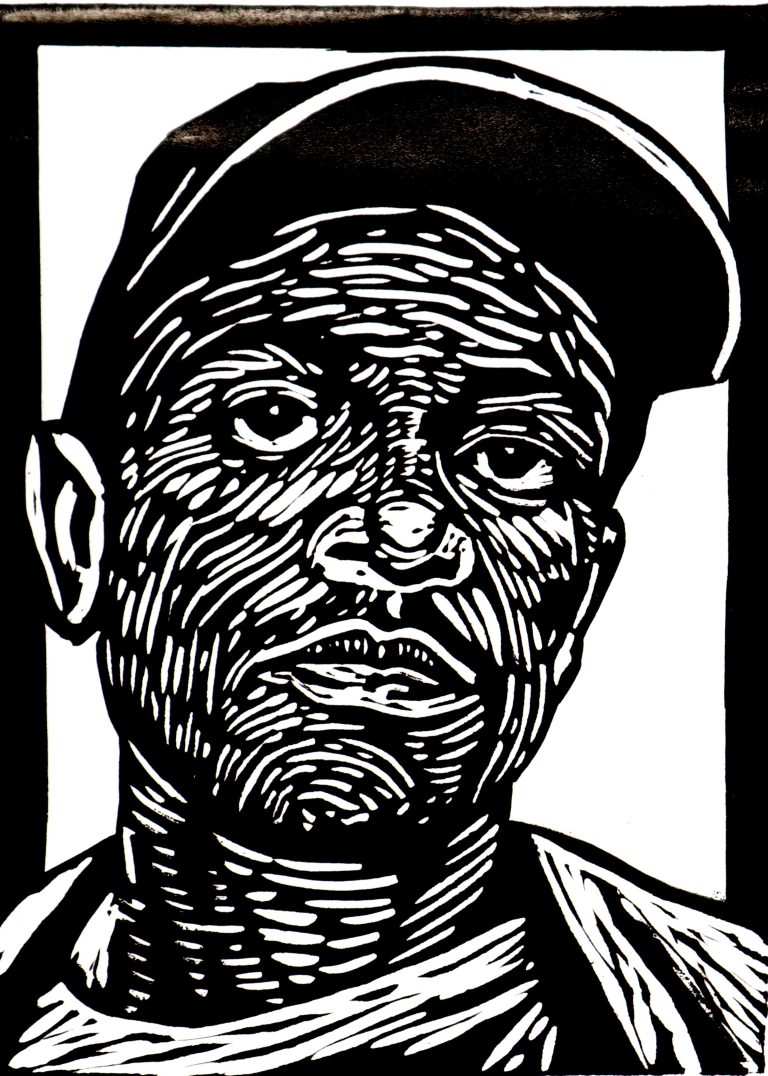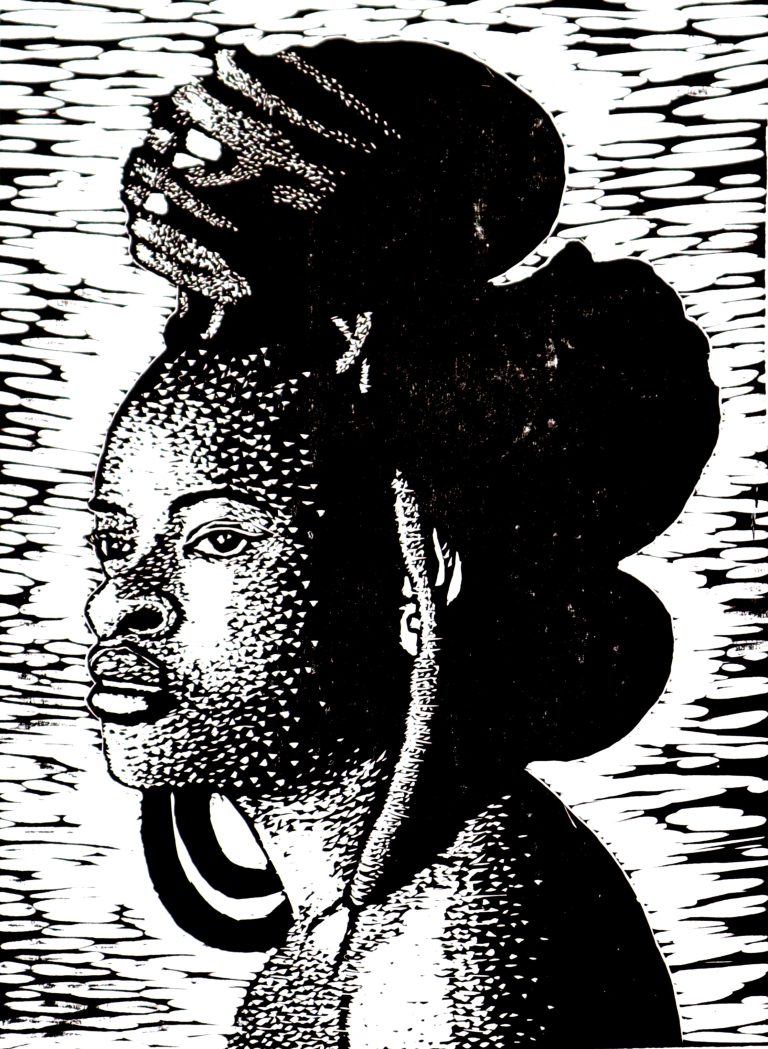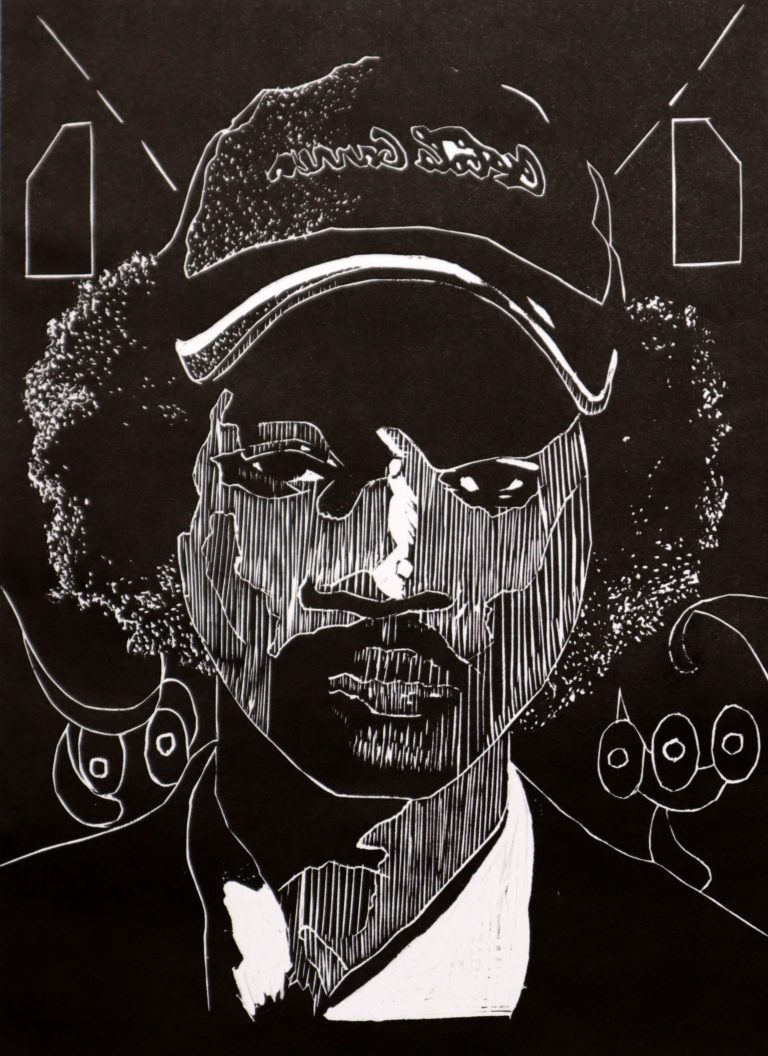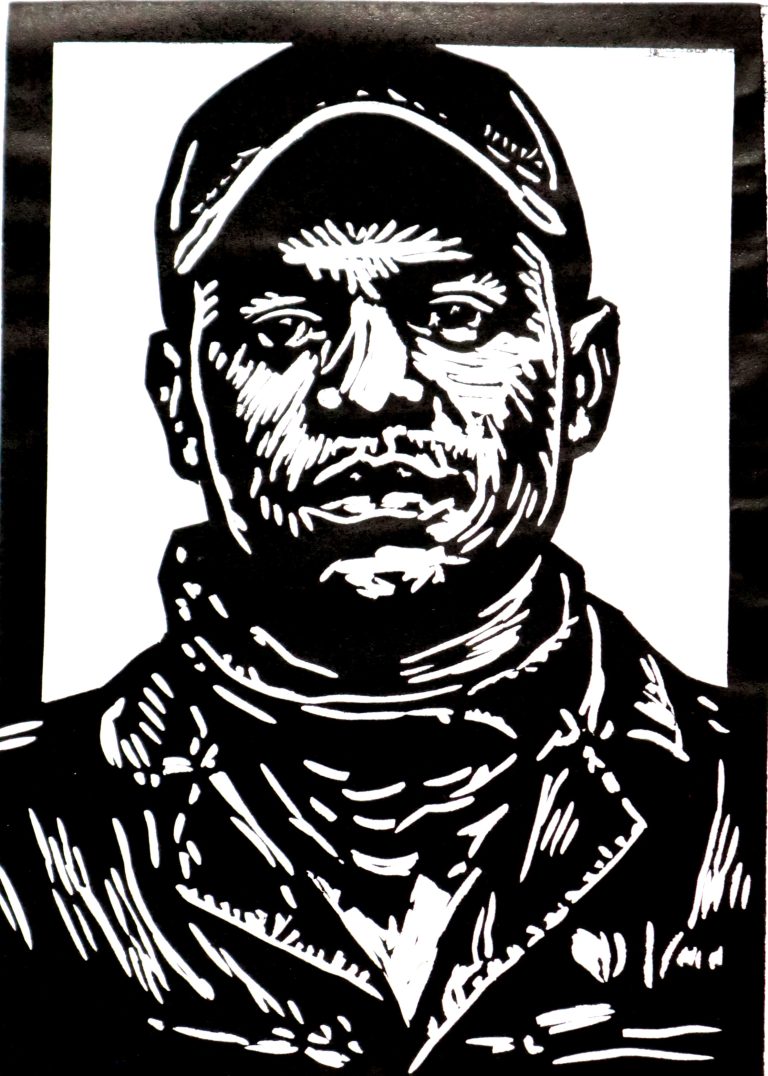
35 Years of Artist Proof Studio: A legacy in Printmaking
Date
Artists
A selection of artists.
For more Info, contact us on: gallery@kznsagallery.co.za
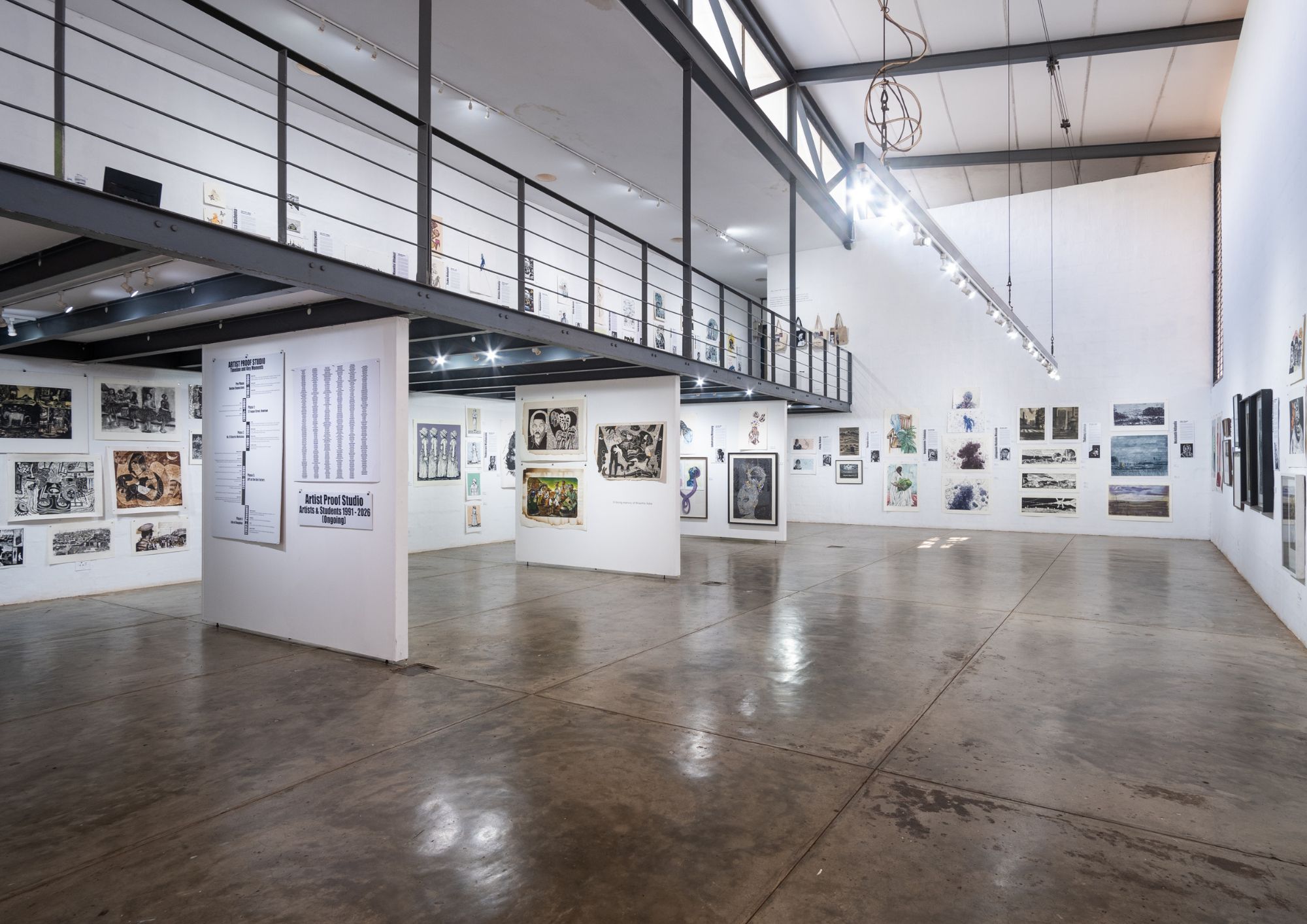
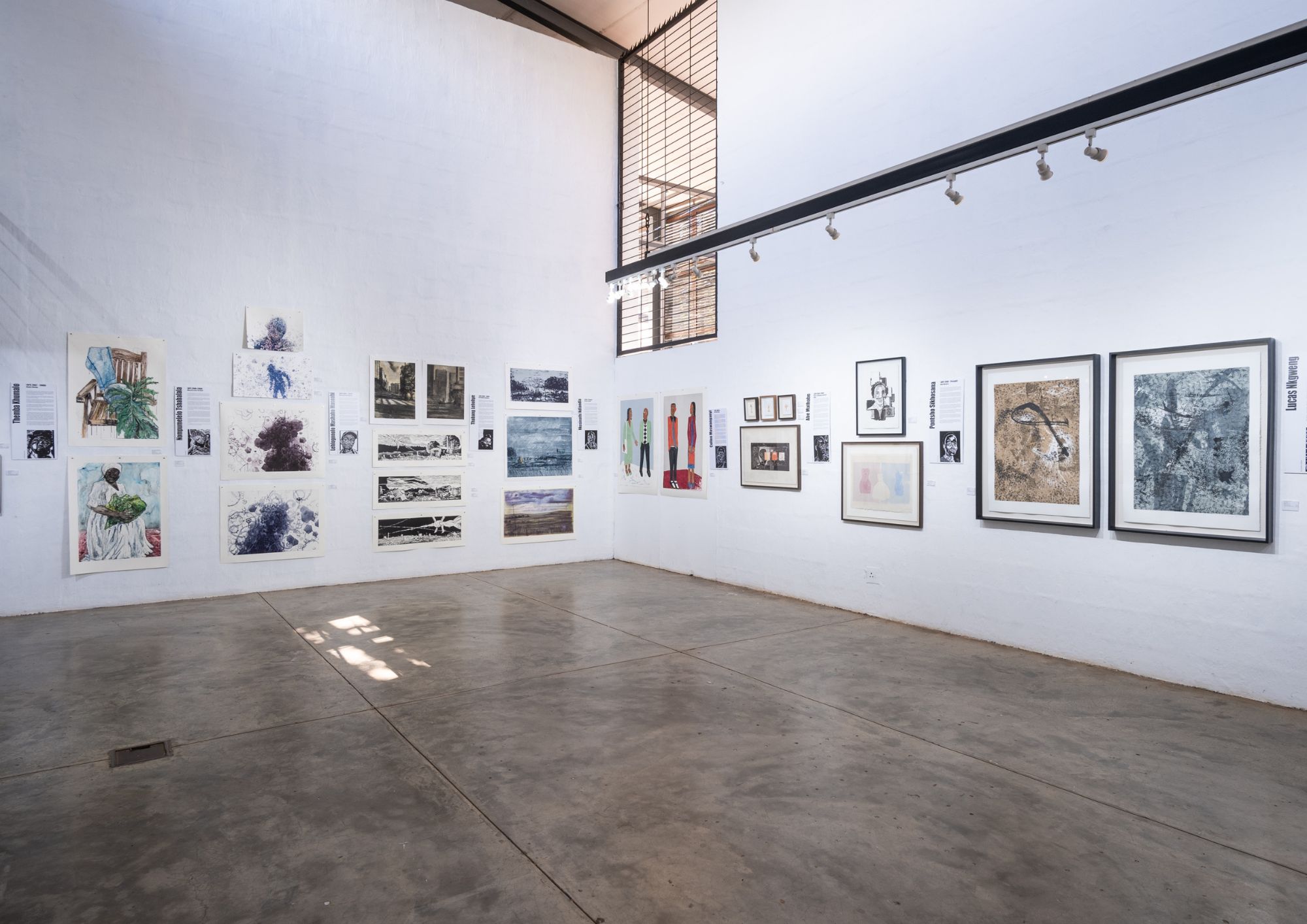
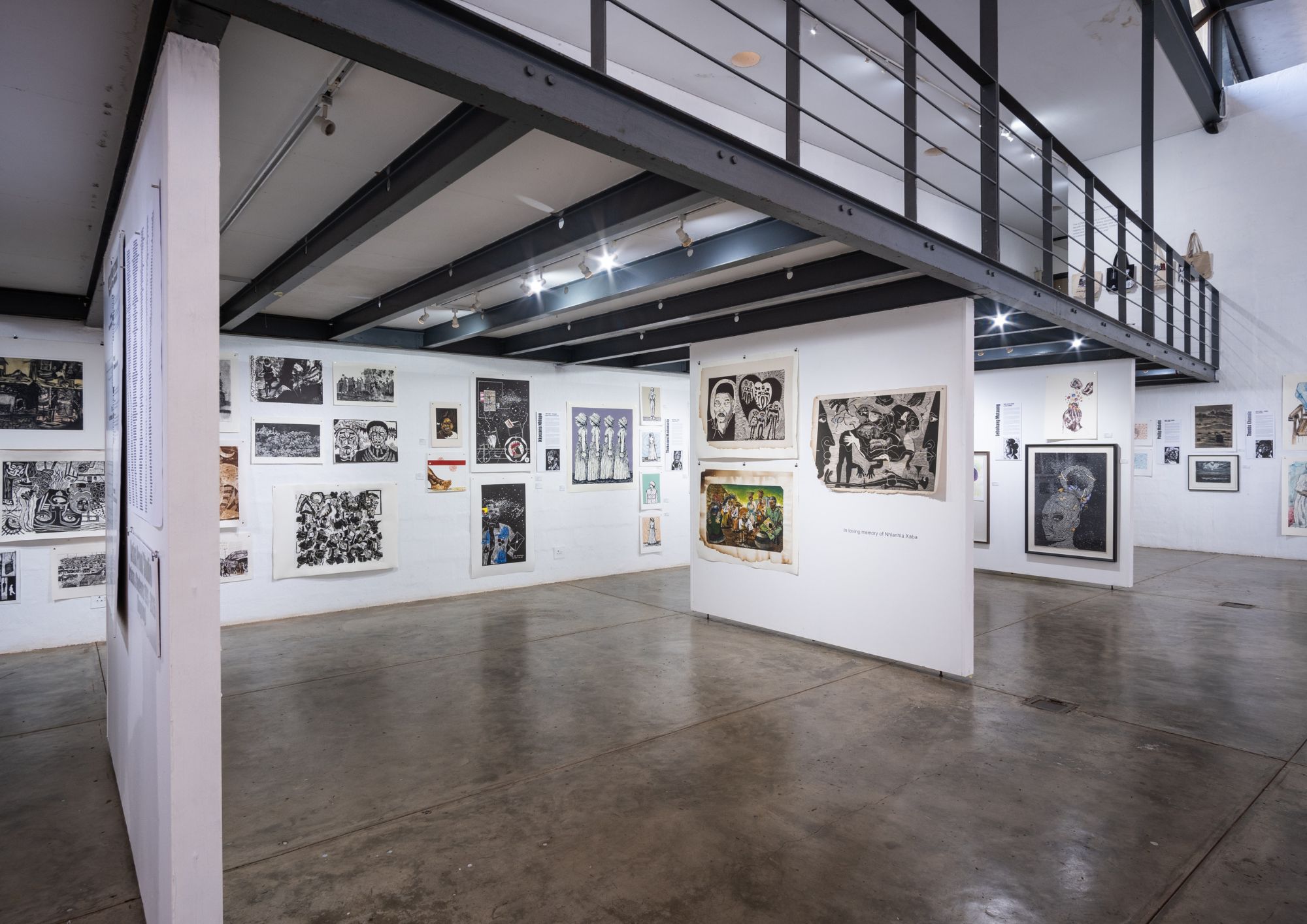
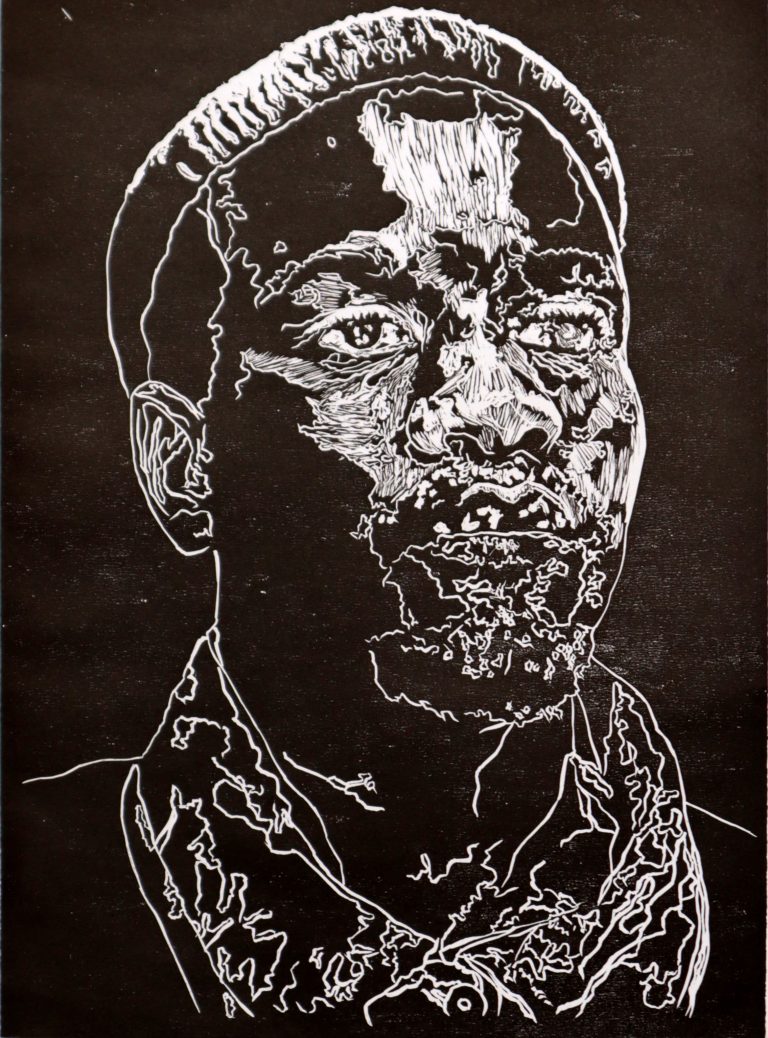
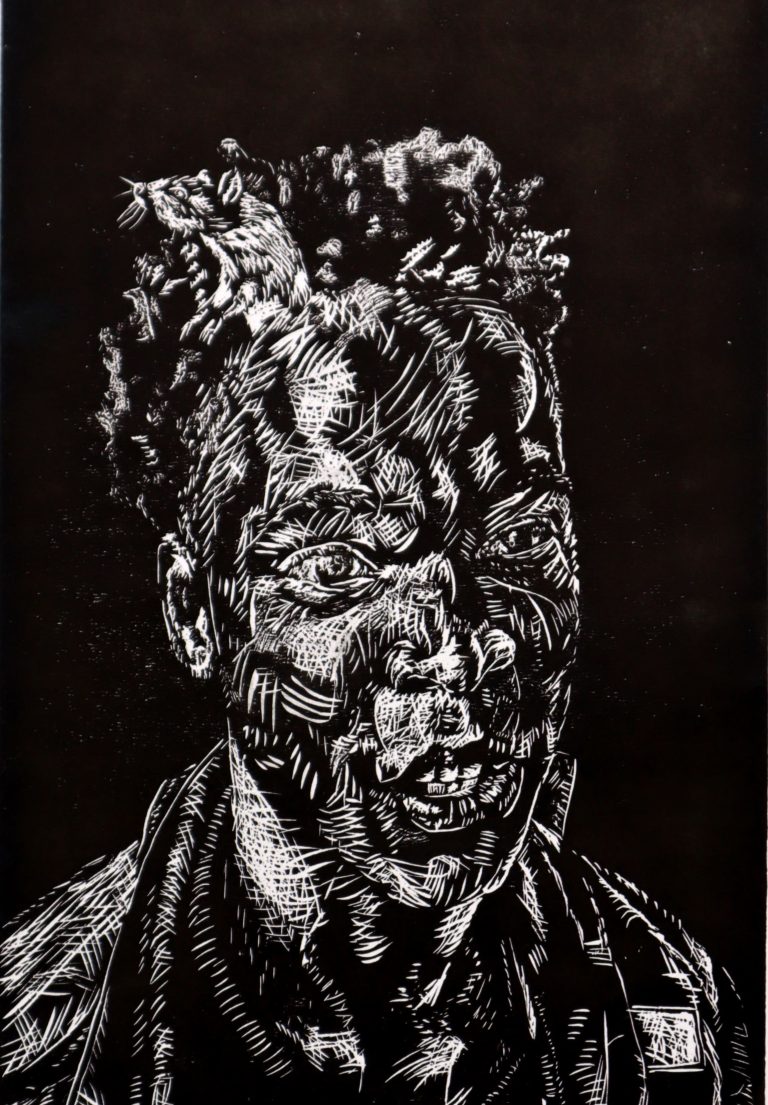
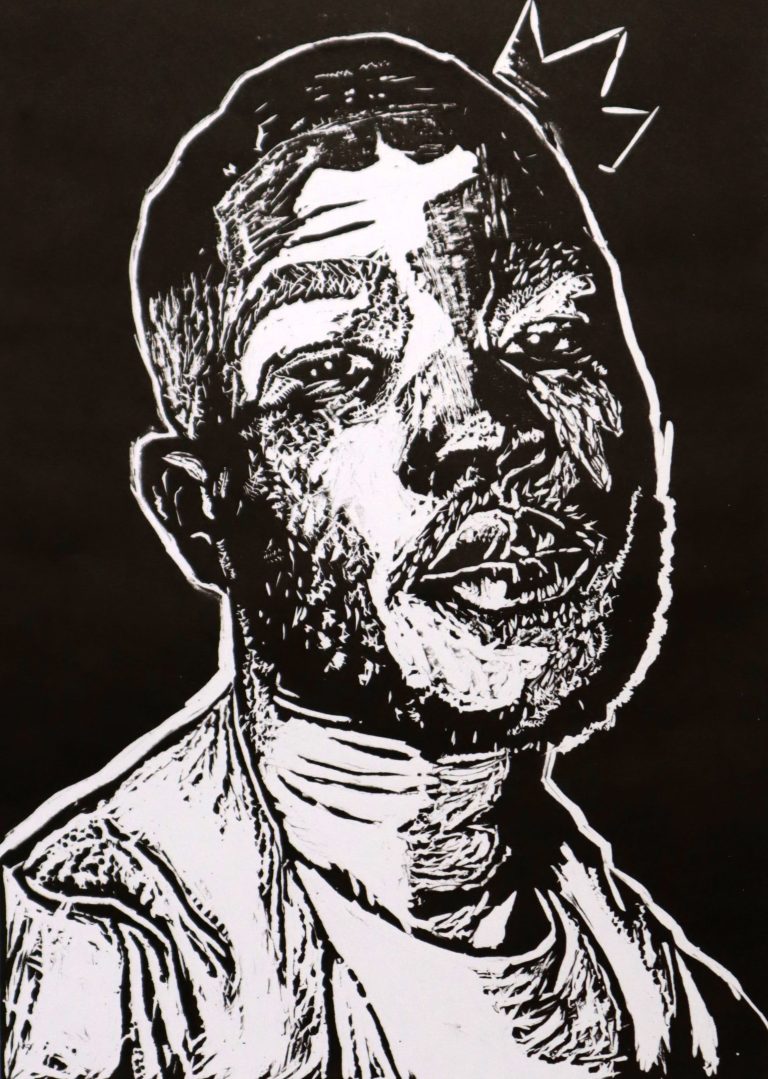
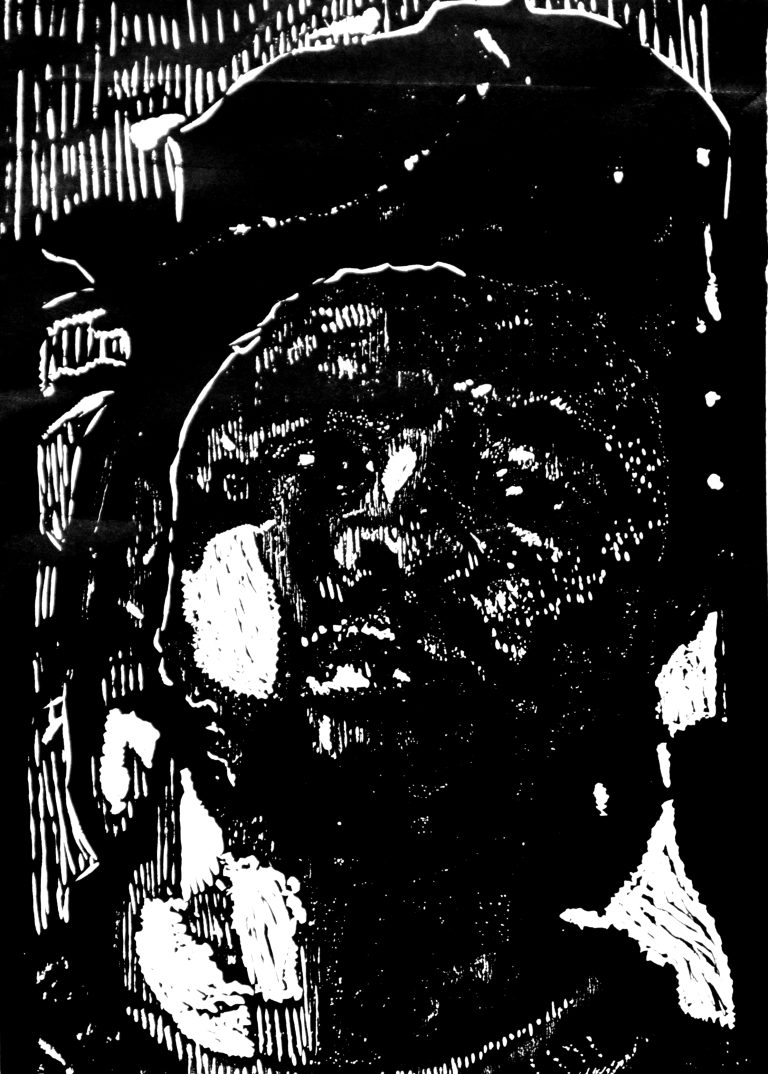
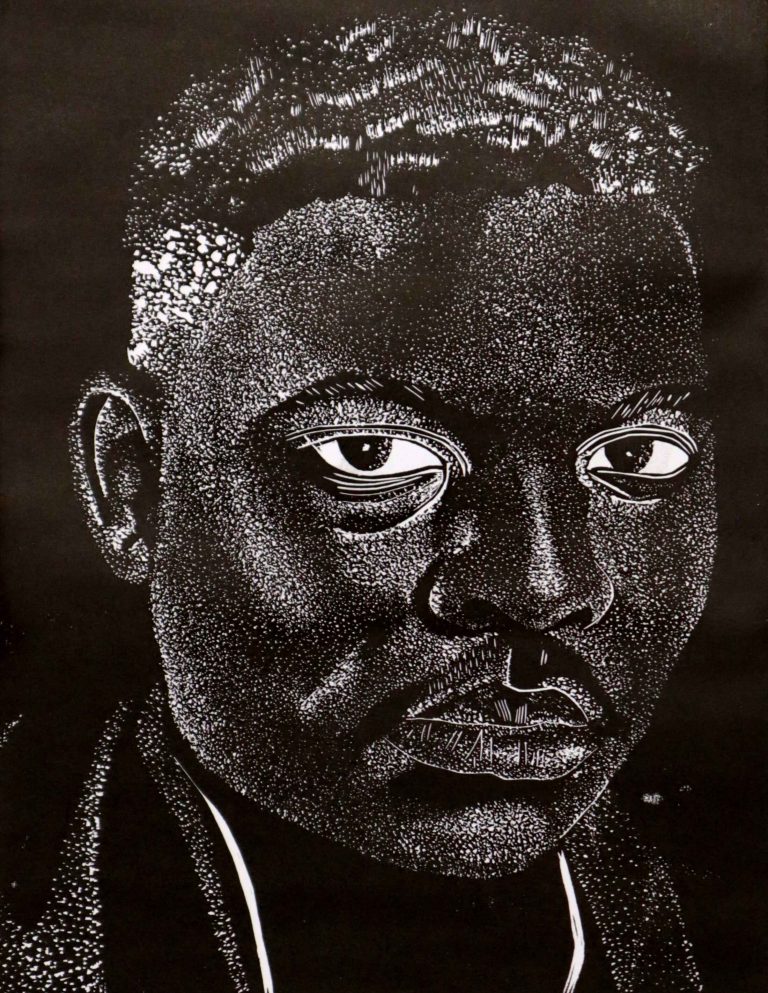
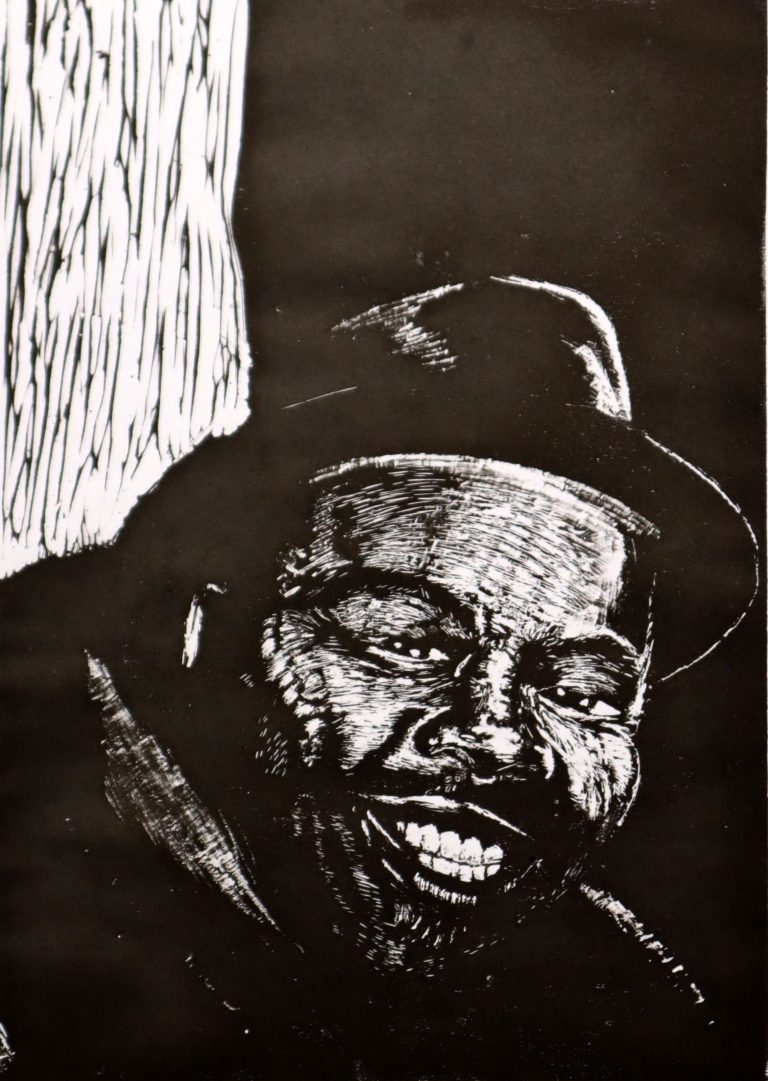
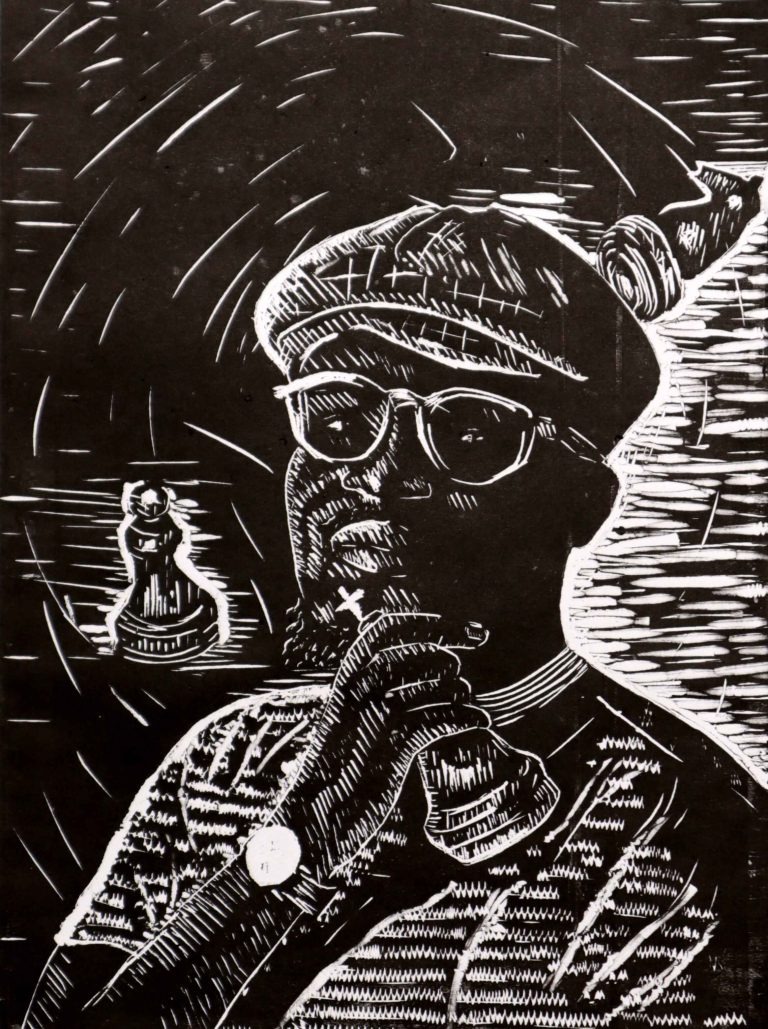
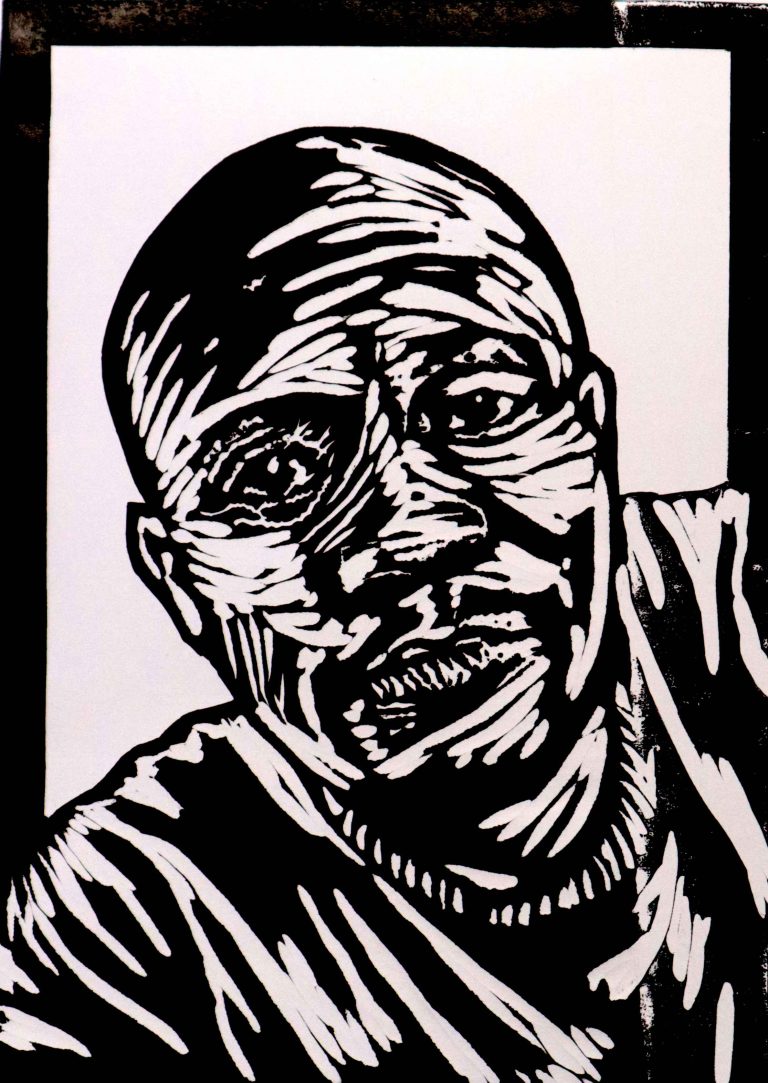
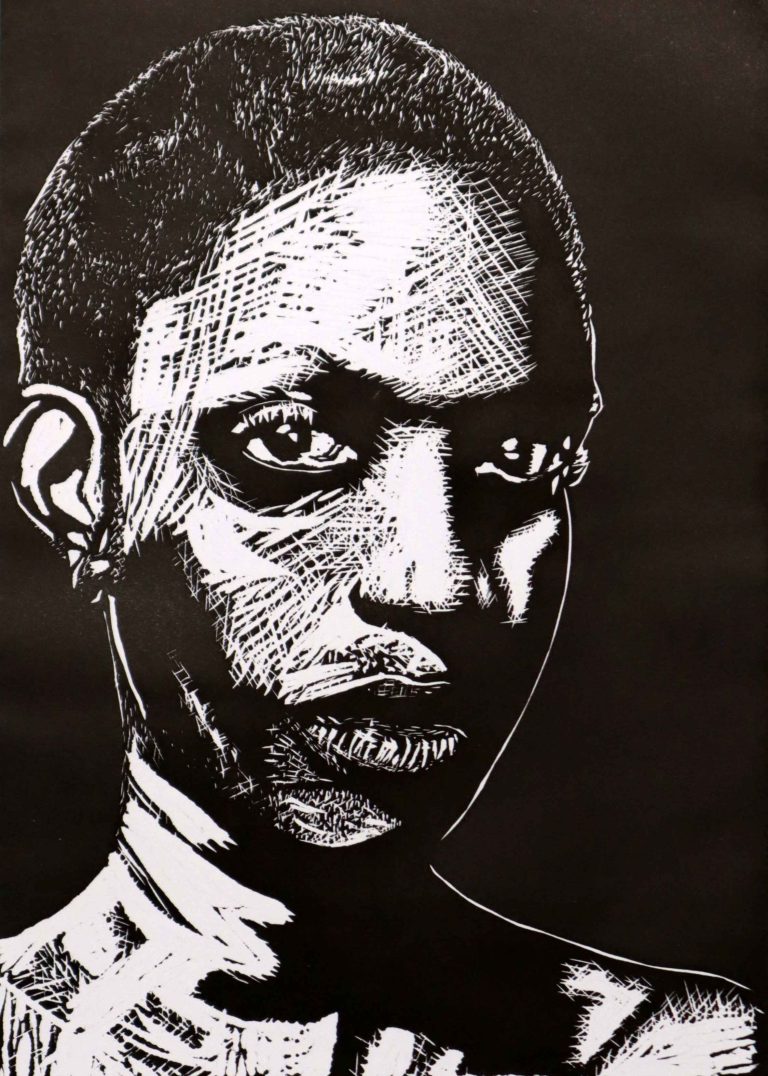
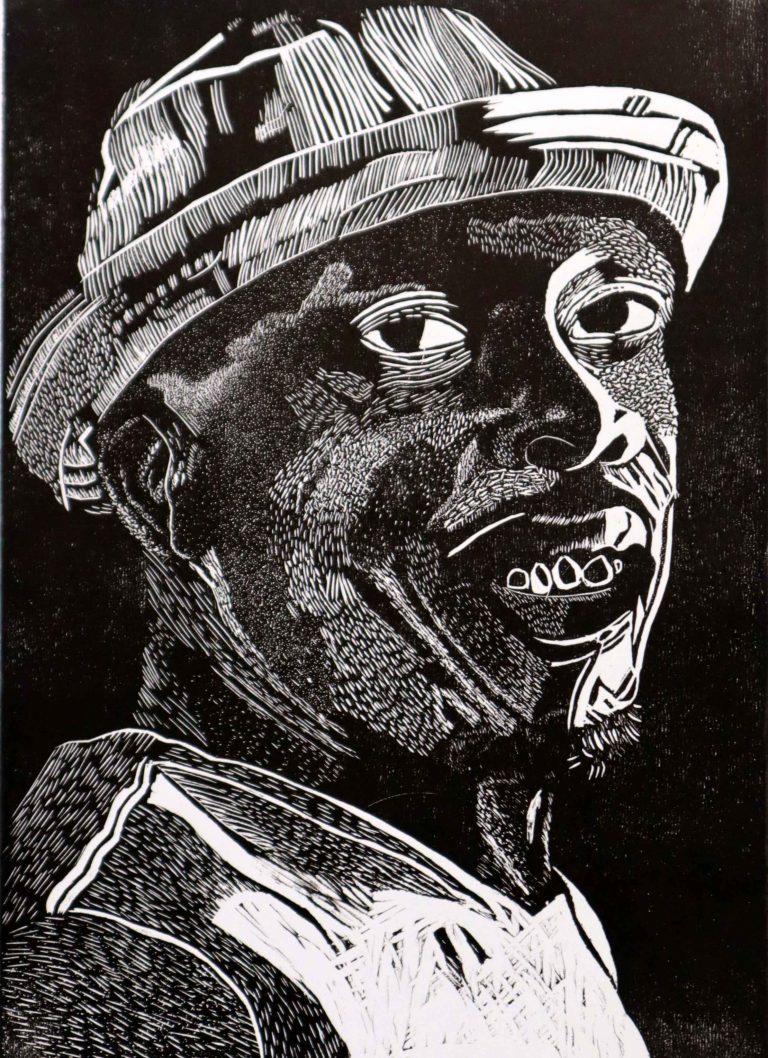
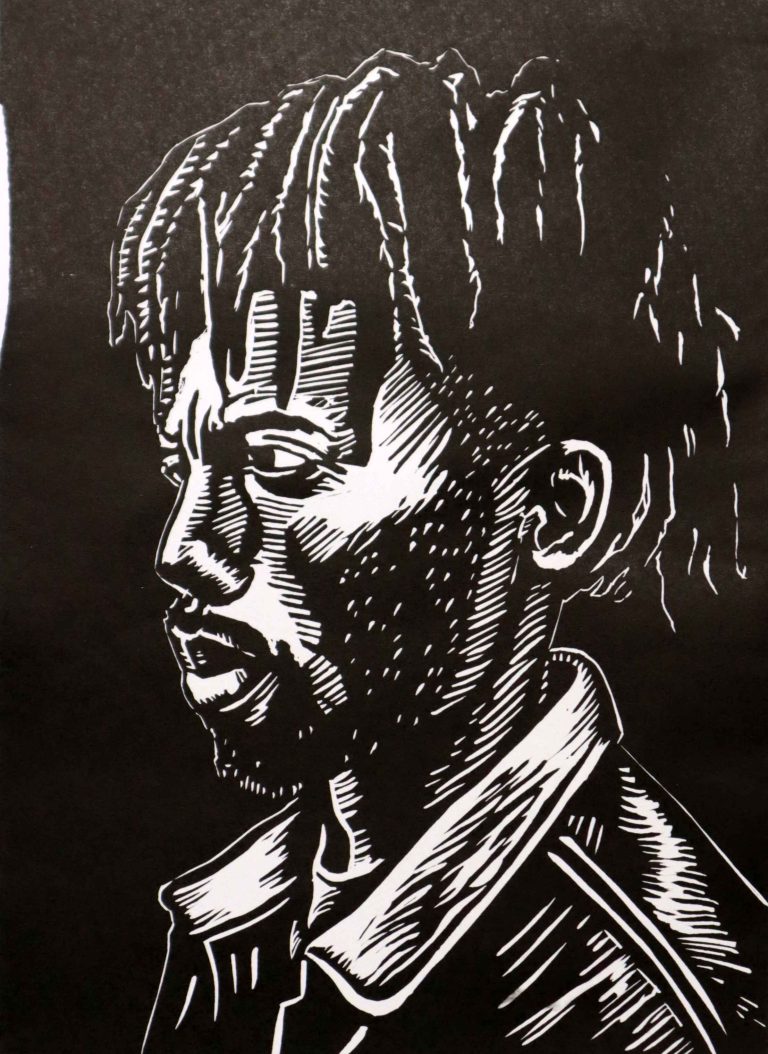
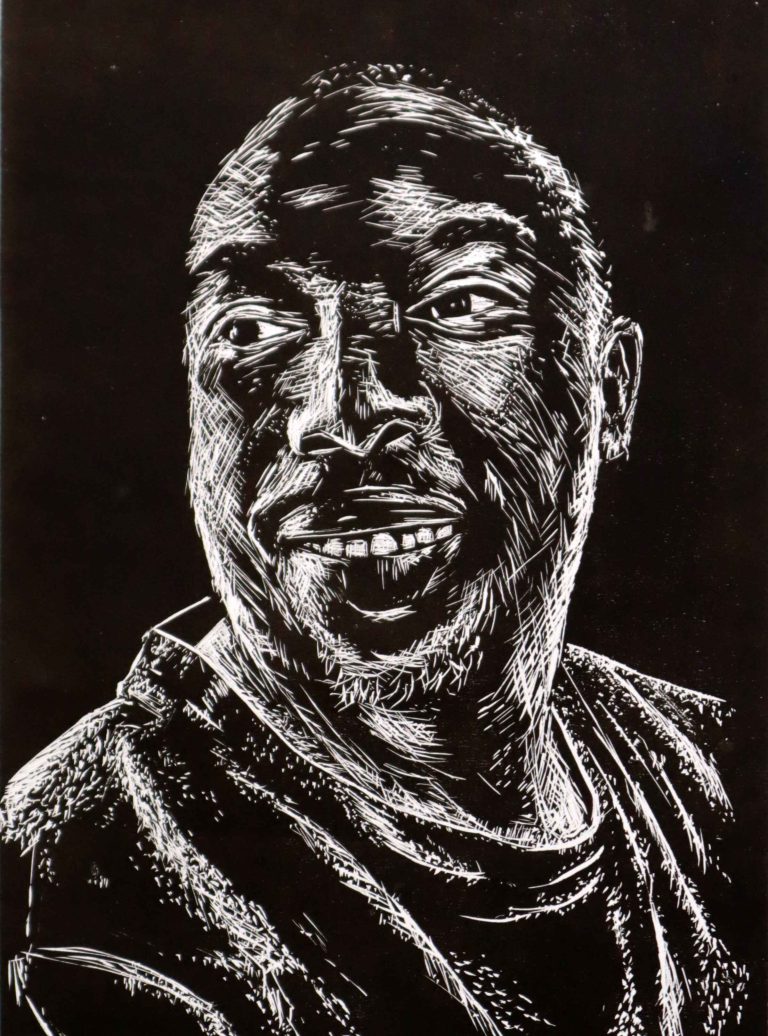
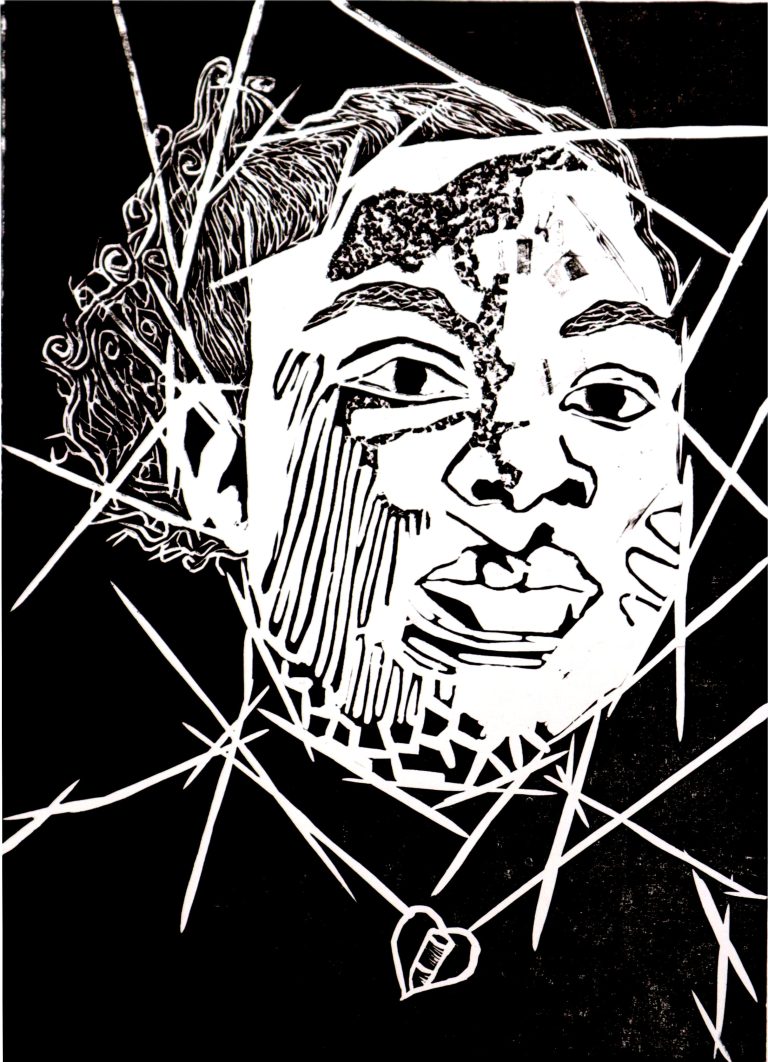
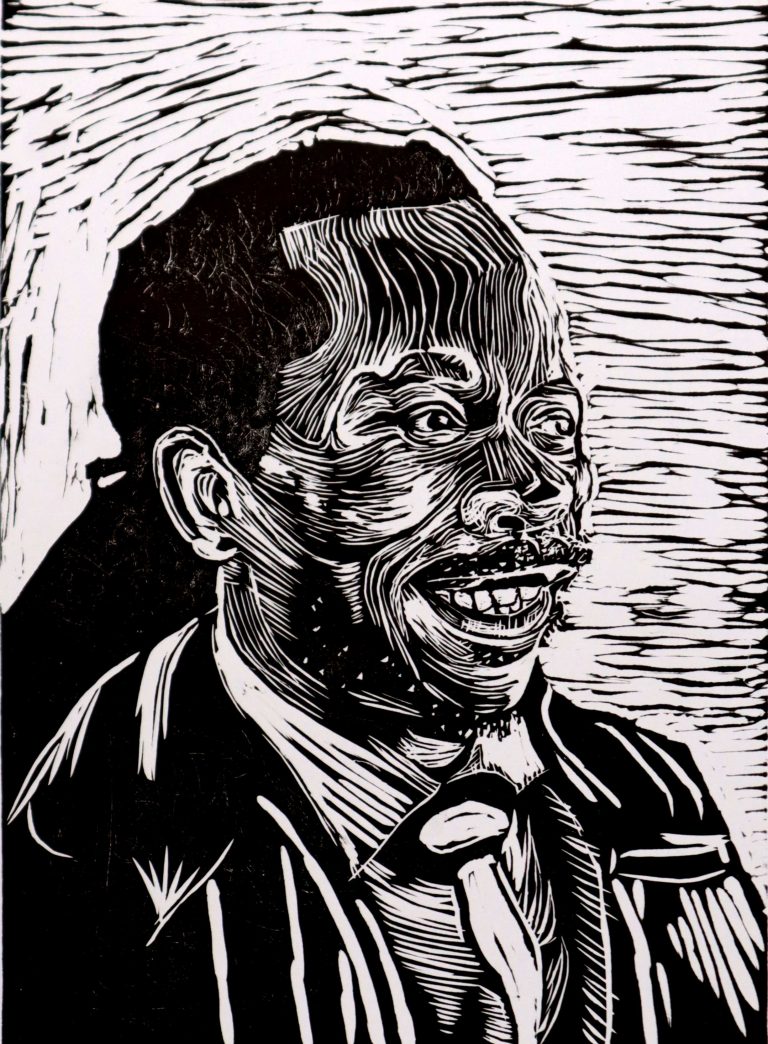
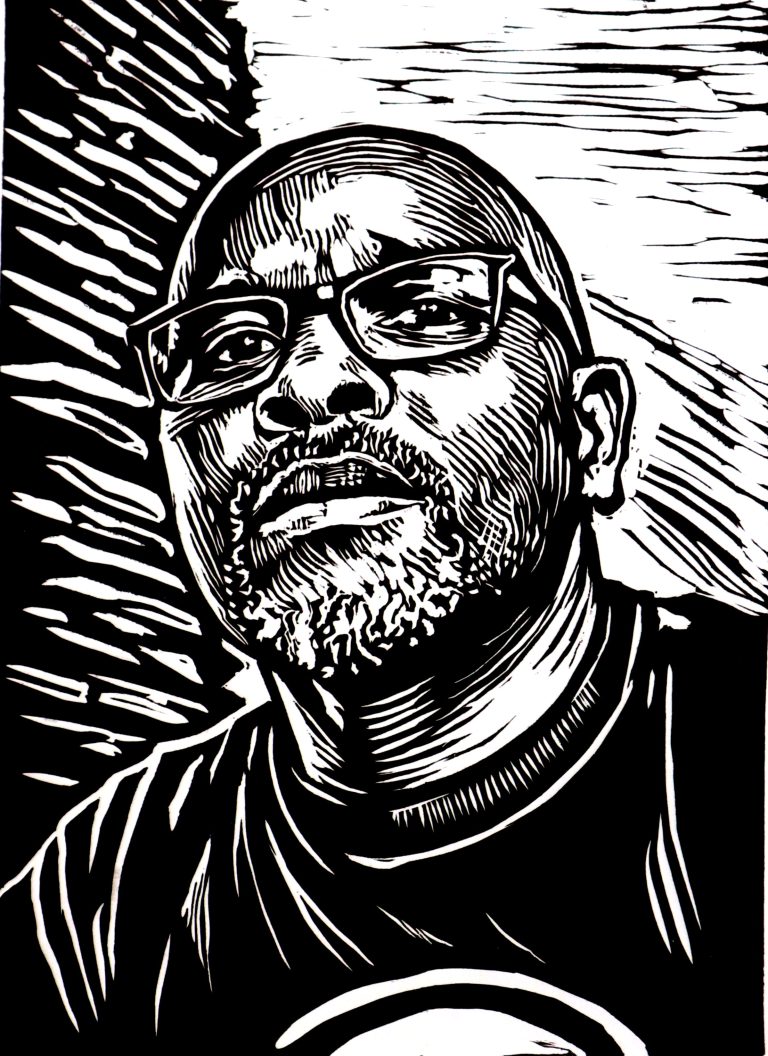
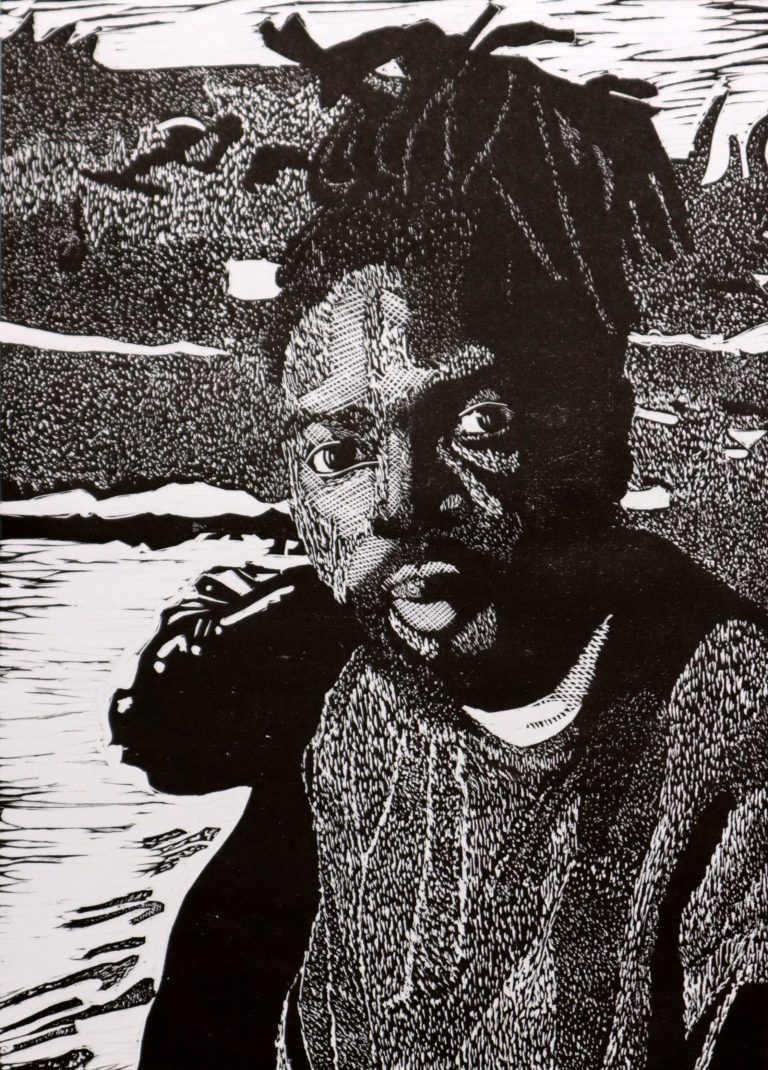
The KZNSA Gallery is proud to host 35 Years of Artist Proof Studio, a landmark exhibition celebrating one of South Africa’s most influential centres of printmaking excellence.
Founded in 1991, Artist Proof Studio (APS) has become a leader in fine art printmaking, known for its commitment to training, collaboration, and community engagement. Over three decades, APS has nurtured generations of artists, providing a platform for graduates and alumni to thrive locally and internationally. Their work has been showcased at major art fairs, represented in leading galleries, and created in collaboration with some of South Africa’s most prominent artists.
This exhibition honours APS’s enduring vision: to cultivate artistic excellence rooted in Ubuntu, and to empower artists to transform talent and passion into sustainable practice. Visitors will encounter a rich selection of prints that trace the studio’s journey — from its beginnings as a community‑centred initiative to its role today as a hub of innovation and collaboration.
Join us in celebrating 35 years of artistry, resilience, and shared humanity through the medium of print.
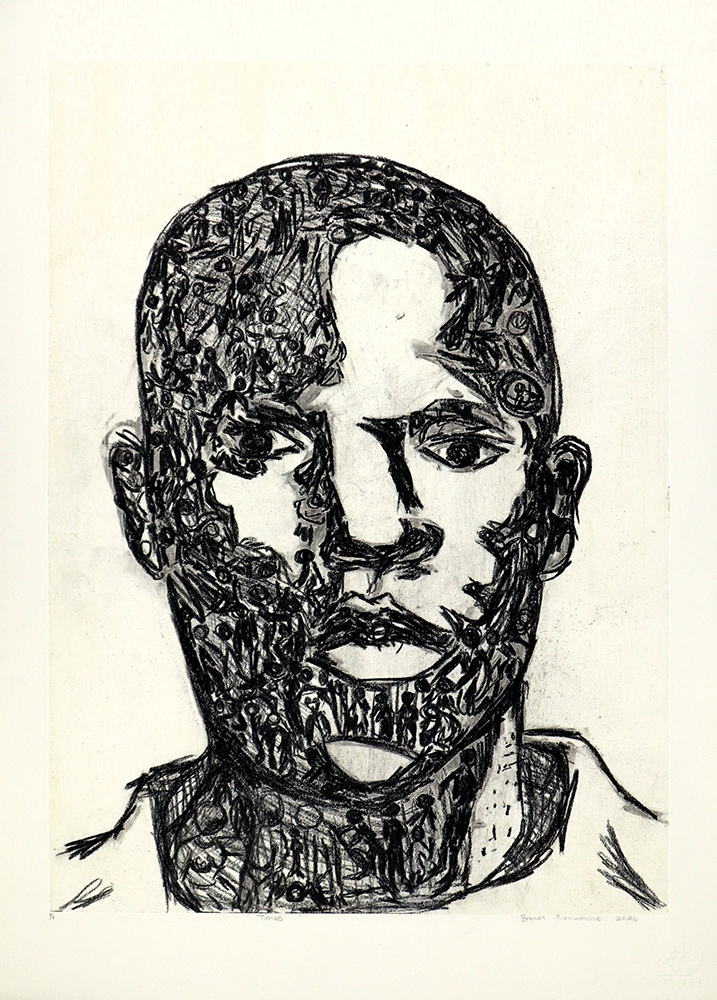
Time
Drypoint on Linocut
68 x 49 cm
Edition 1.1
2026
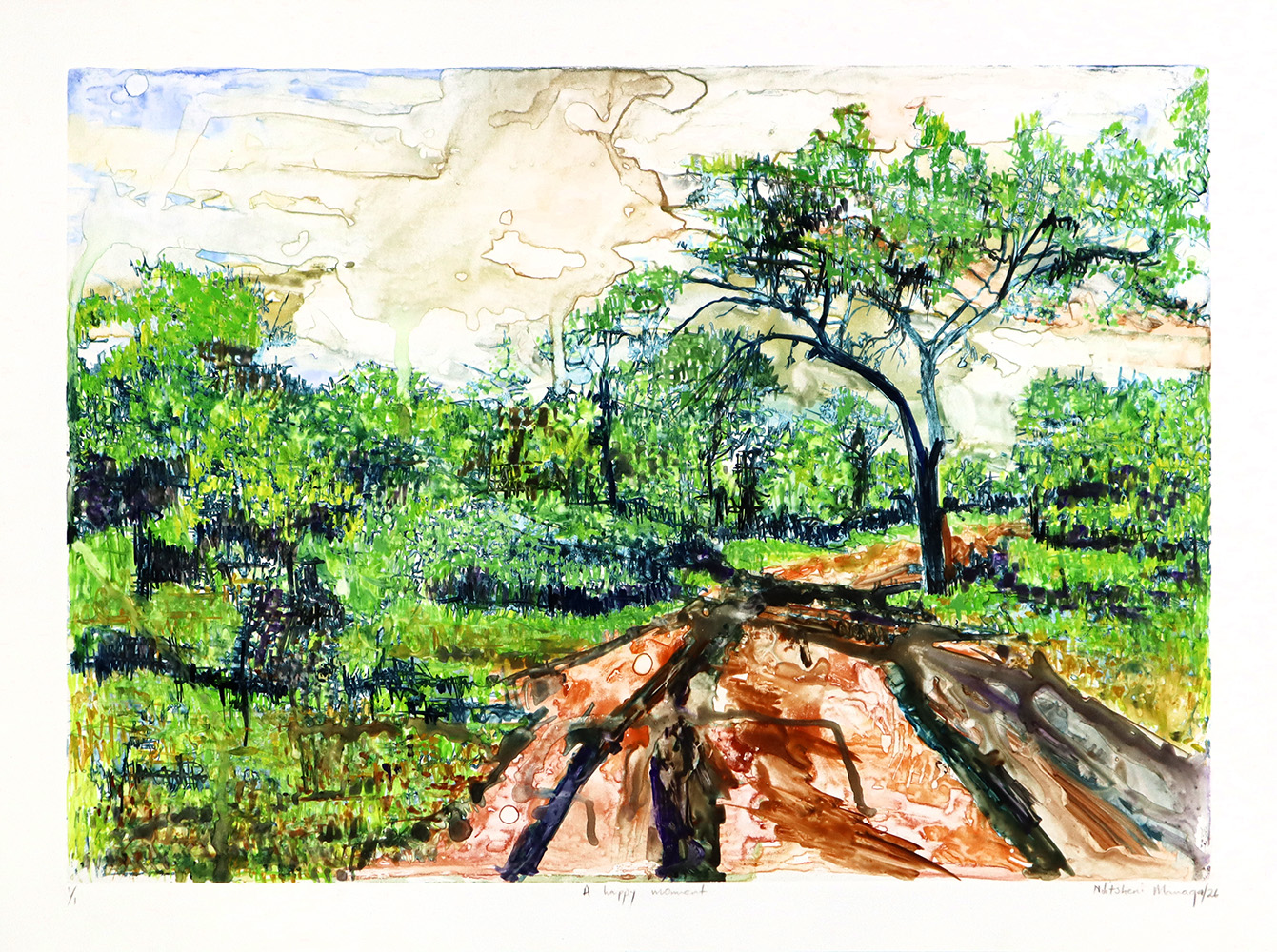
A happy home
Watercolor Mono
49 x 65.7cm
2026
Edition 1 of 1
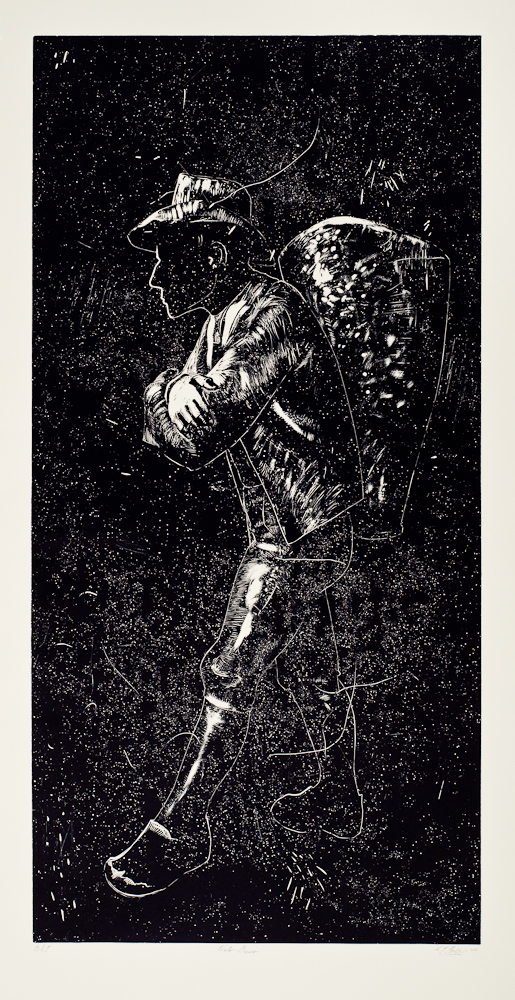
Water Bearer
2012
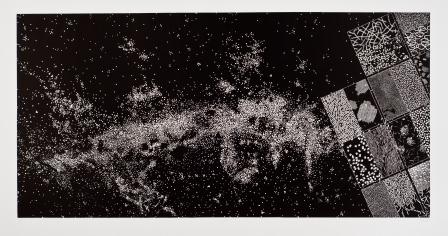
Core
Linocut
2012
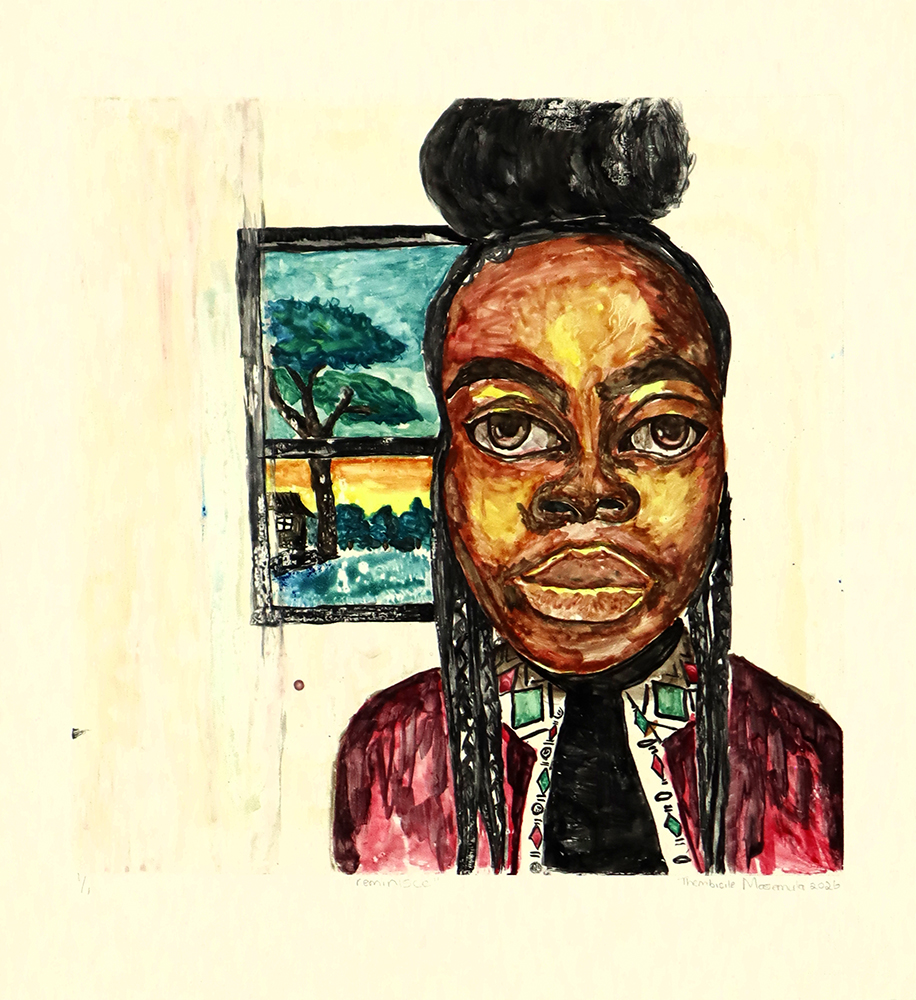
Reminisce
Watercolor Mono
36 x 33.2cm
2026
Edition 1 of 1
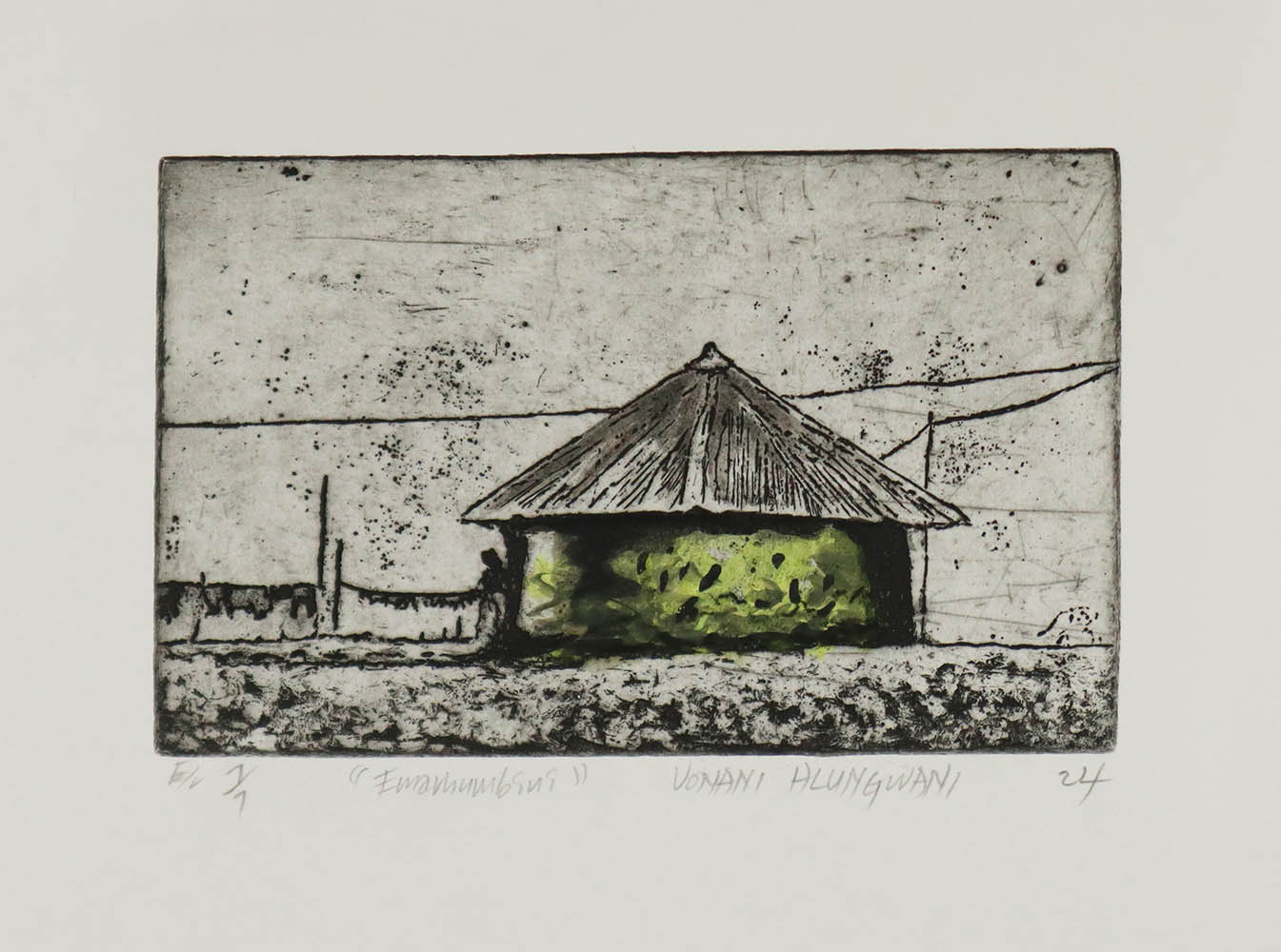
Emarhumbini
317cm x 239cm
2024
Edition 7.7 ev
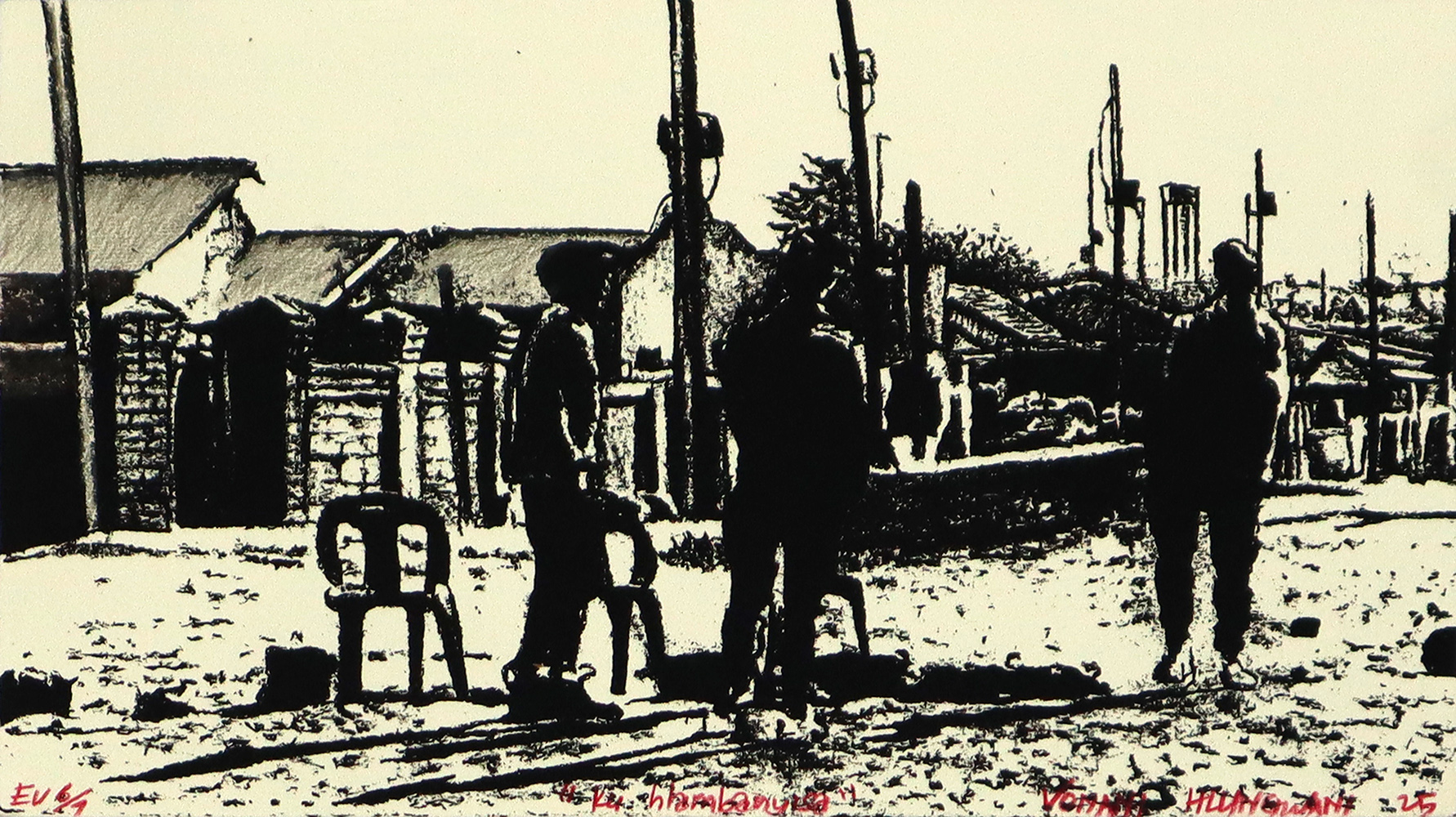
Ku Hlambanyisa
Screenprint
19.8 x 34.5cm
2025
Edition 6.7 EV
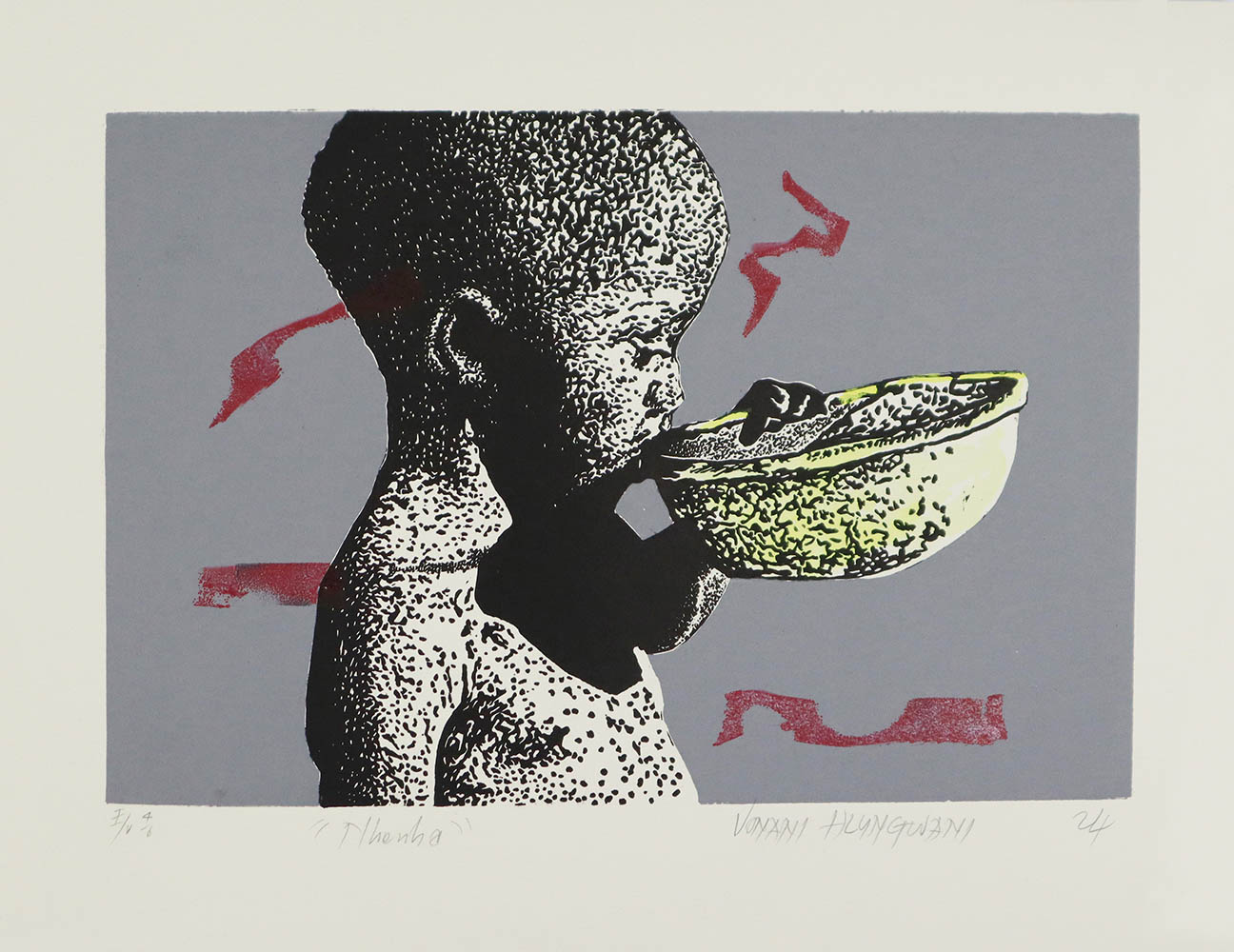
Nhenha
39cm x 50.5cm
2024
Edition 4.6 ev
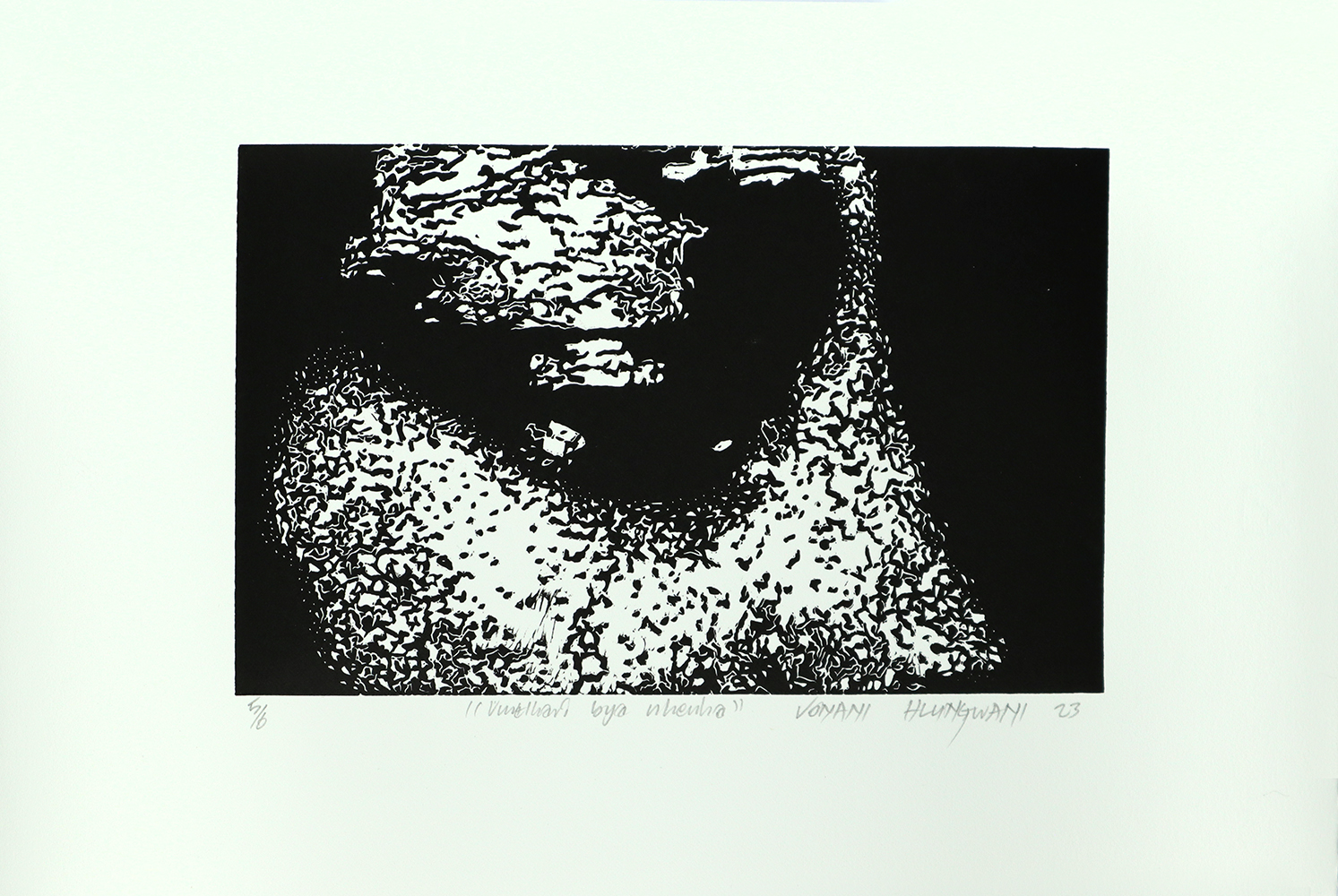
Vuntlhari Bya nhenha
Linocut
255cm x 388cm
2023
Edition 5.6
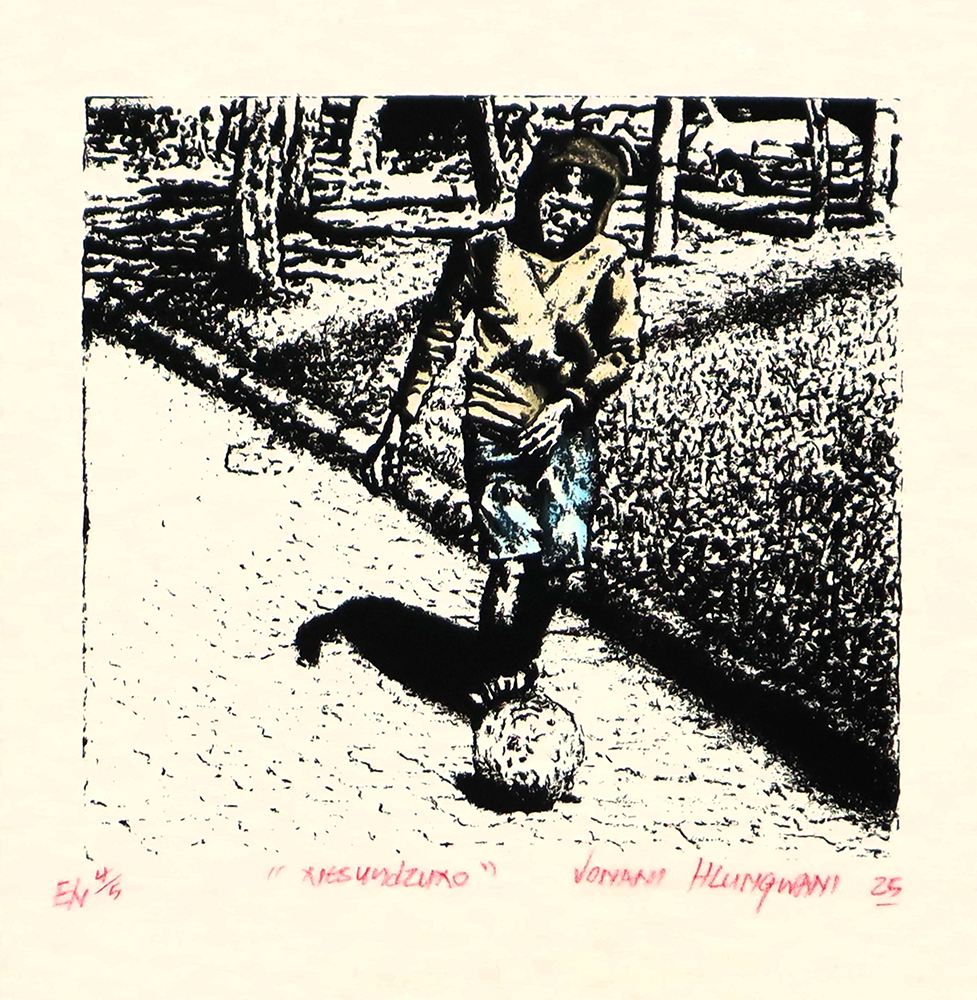
Xitsundzuxo
Screenprint
24.5 x 23.8cm
2025
Edition 4.5 EV
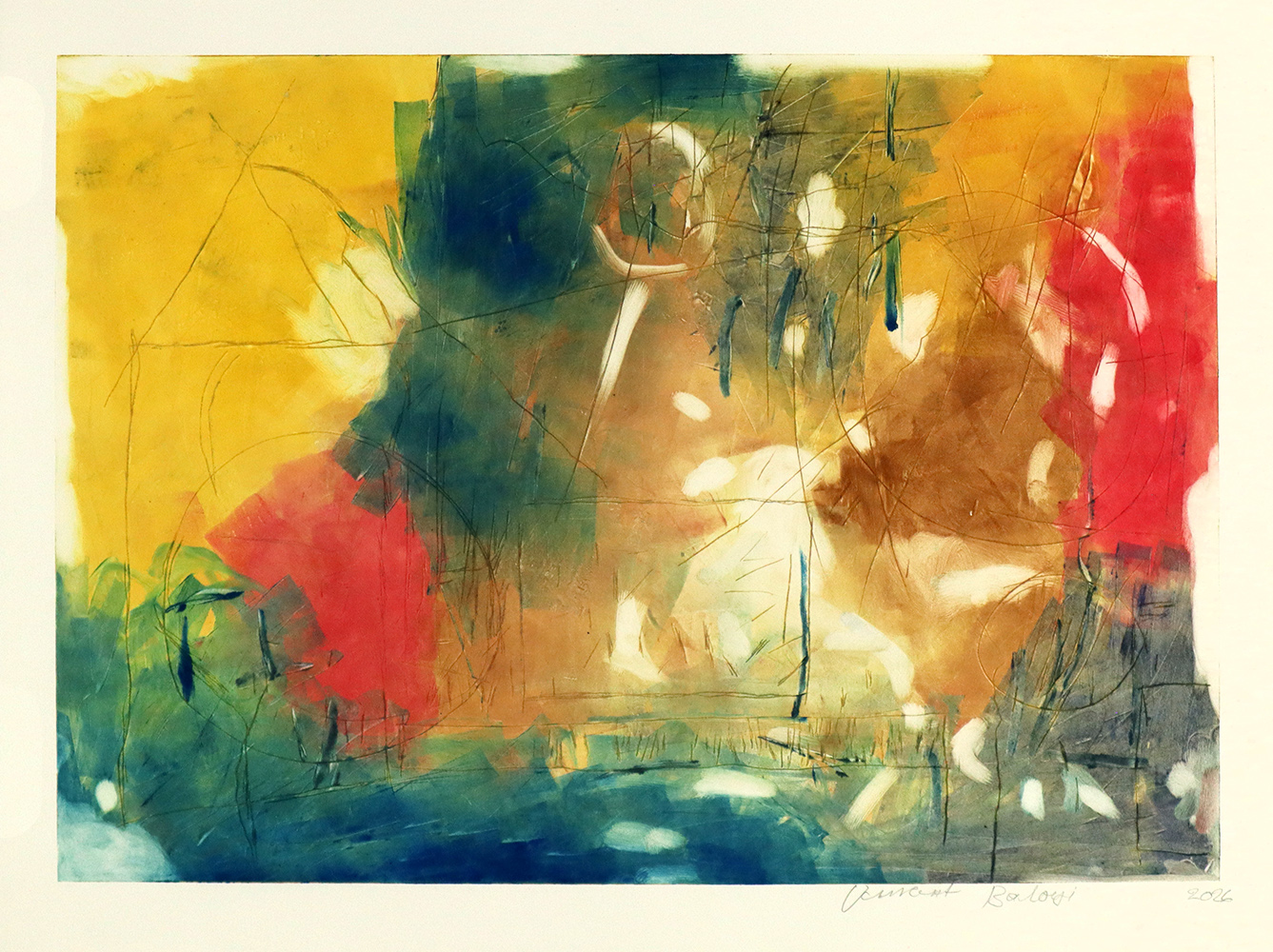
Genesis 3
Monotype
48.7 x 63cm
2026
Edition 1 of 1
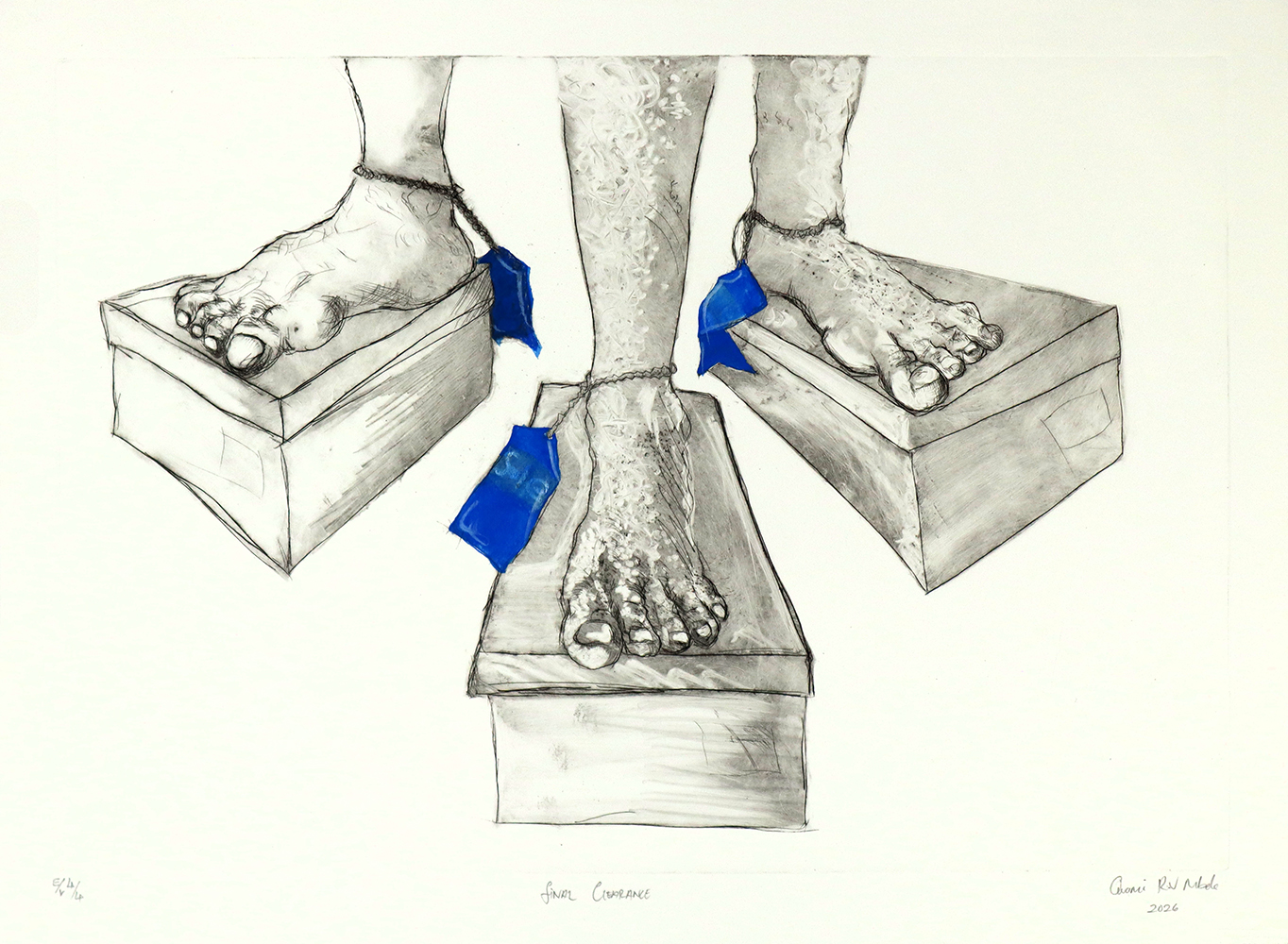
Final clearance
48.9 x 64.7cm
Edition 4.4
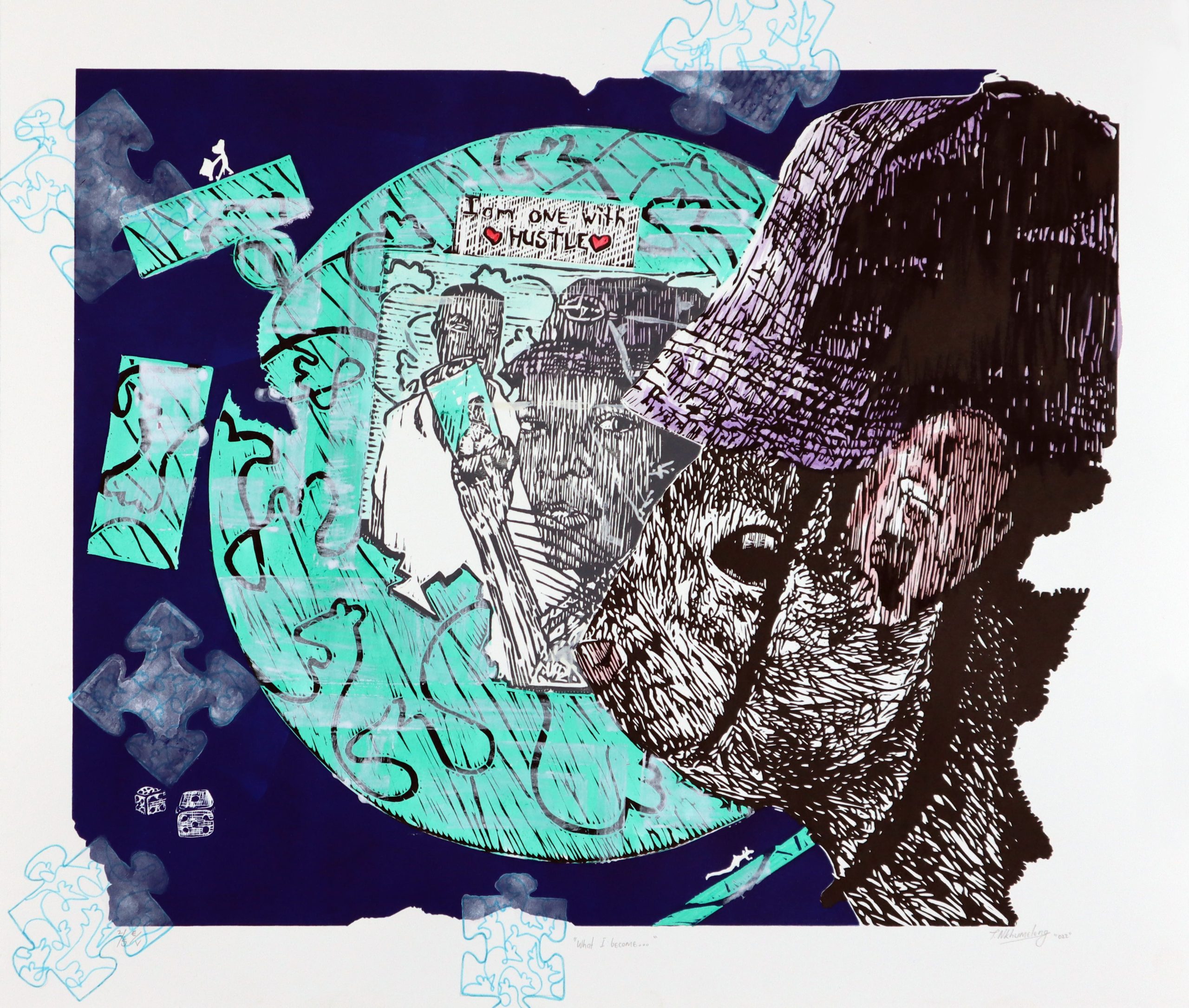
what i become.
Linocut and Watercolour
48.5x57cm
2022
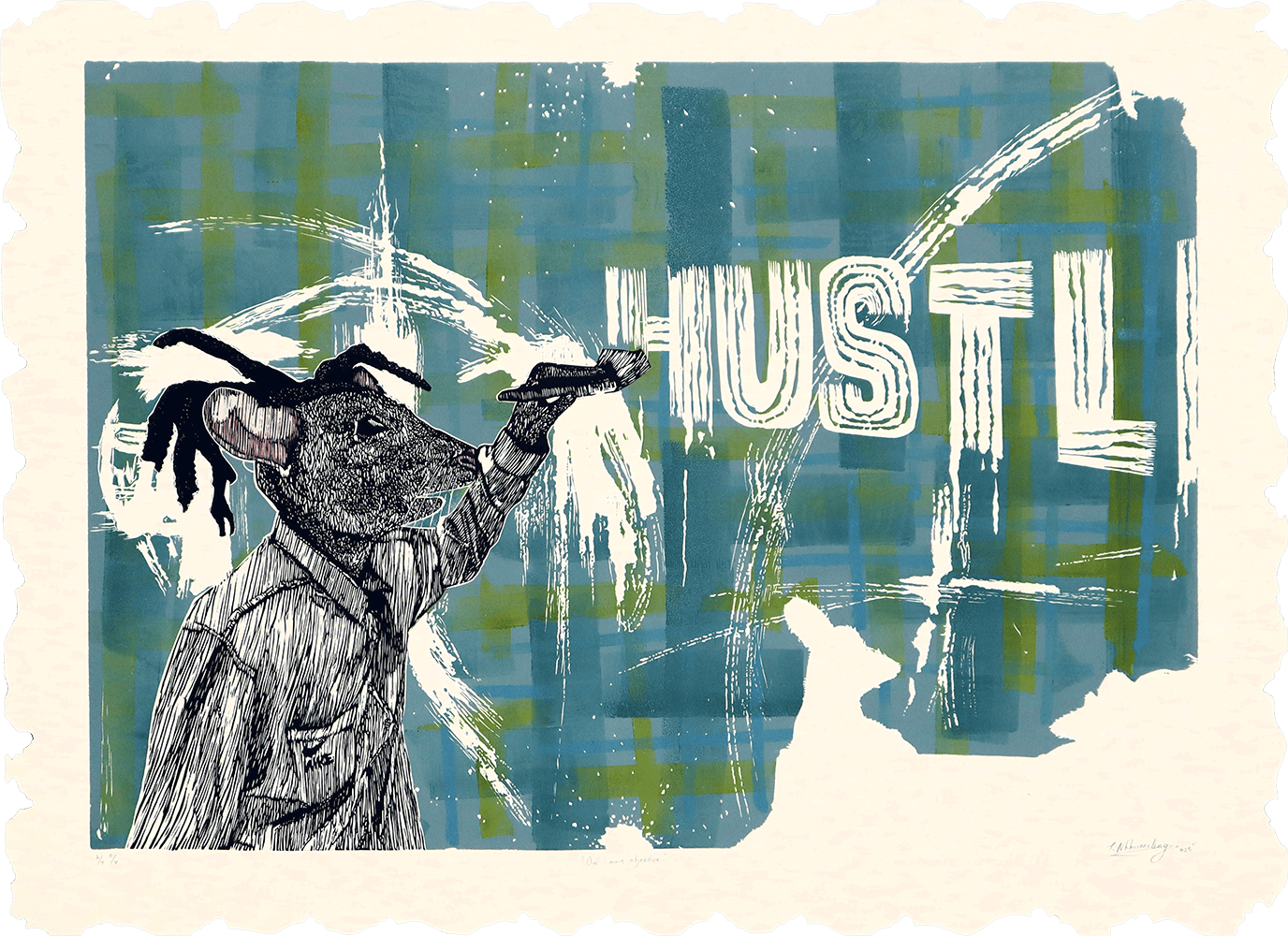
Our Main Objective
Linocut
49.7 x 68.5cm
2025
Edition 2.7 EV
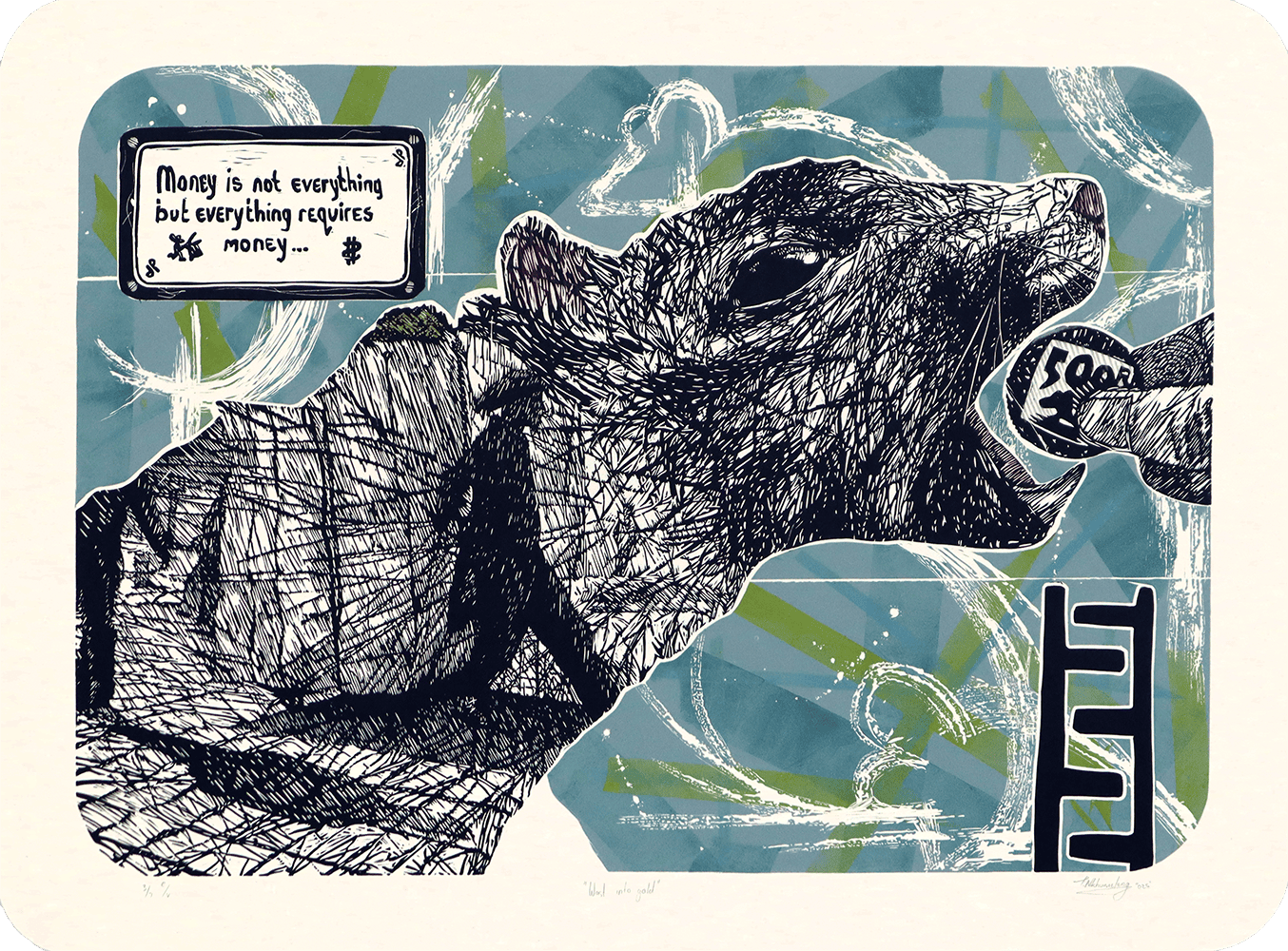
Waste Into Gold
Linocut
48 x 65cm
2025
Edition 3.7 EV
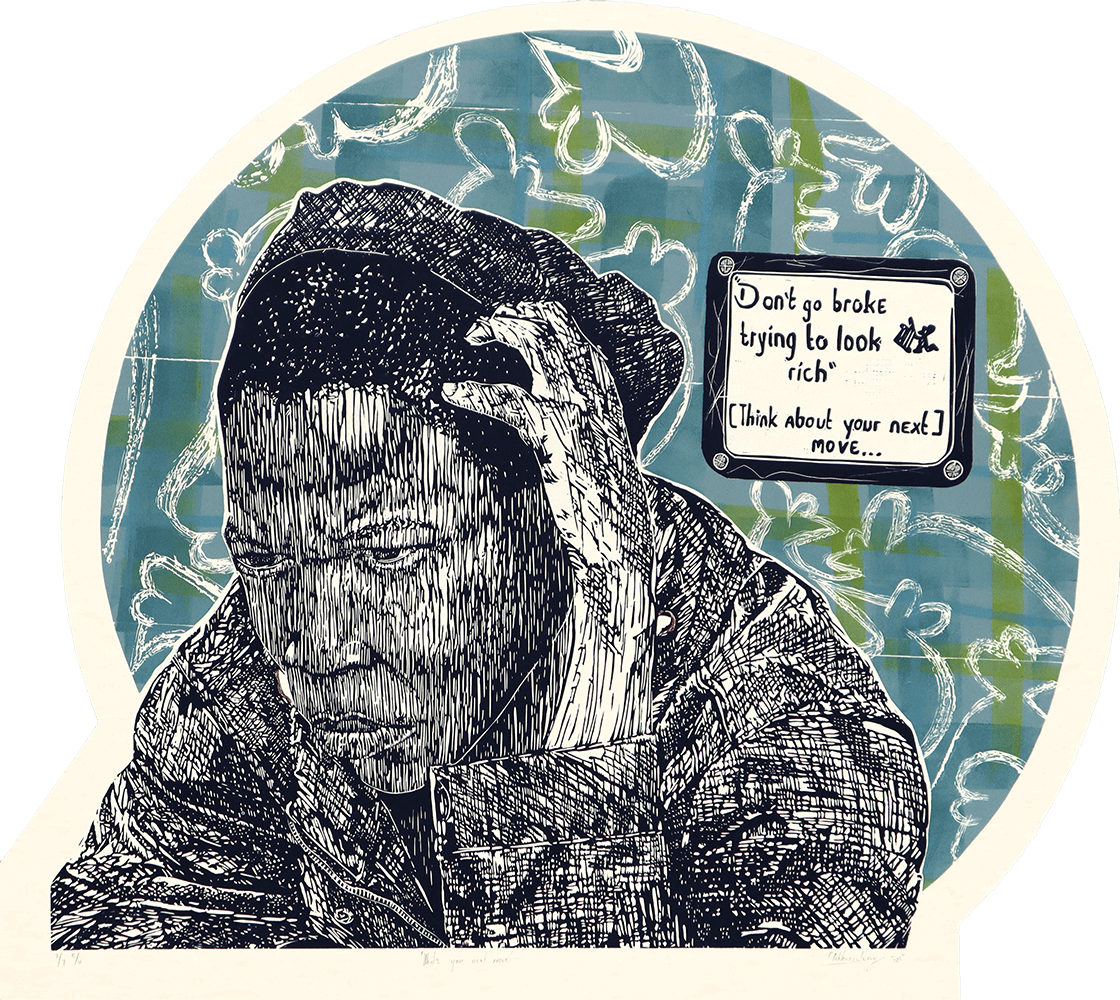
What’s Your Next Move
Linocut
57.5 x 67cm
2025
Edition 2.7 EV
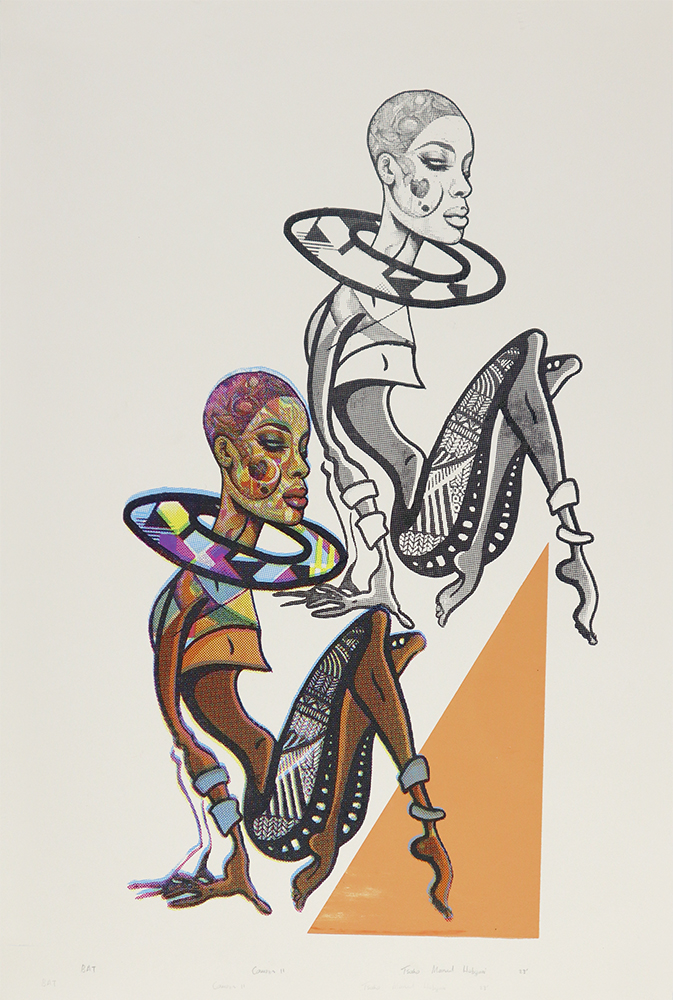
Courage II
Silkscreen
70x48cm
2023
BAT
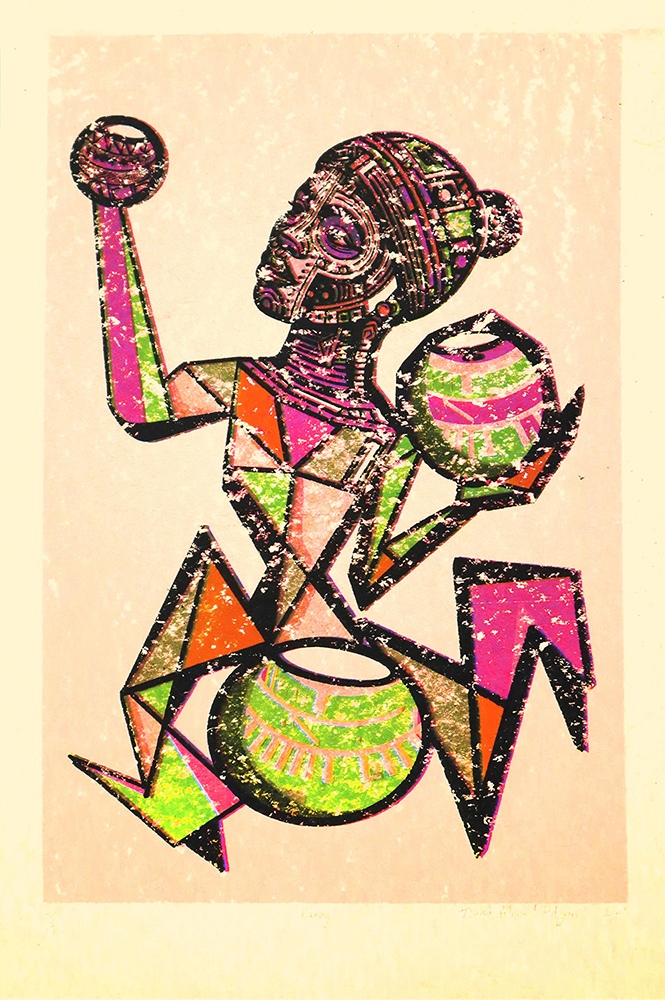
Buoy
Silkscreen
60.5×40.7cm
2024
Edition 3of3
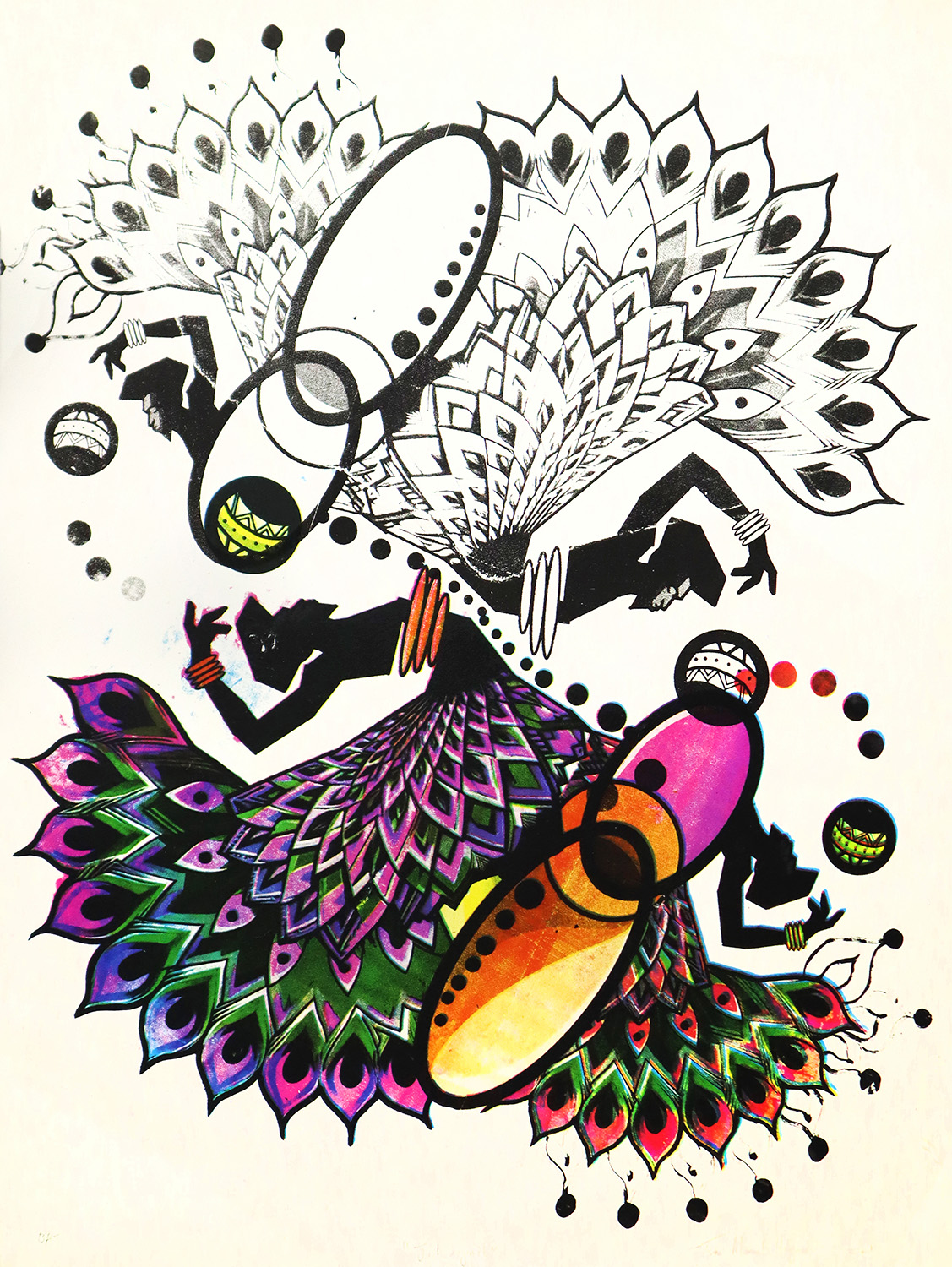
Just Wingin It
Silkscreen
637x479cm
2024
BAT
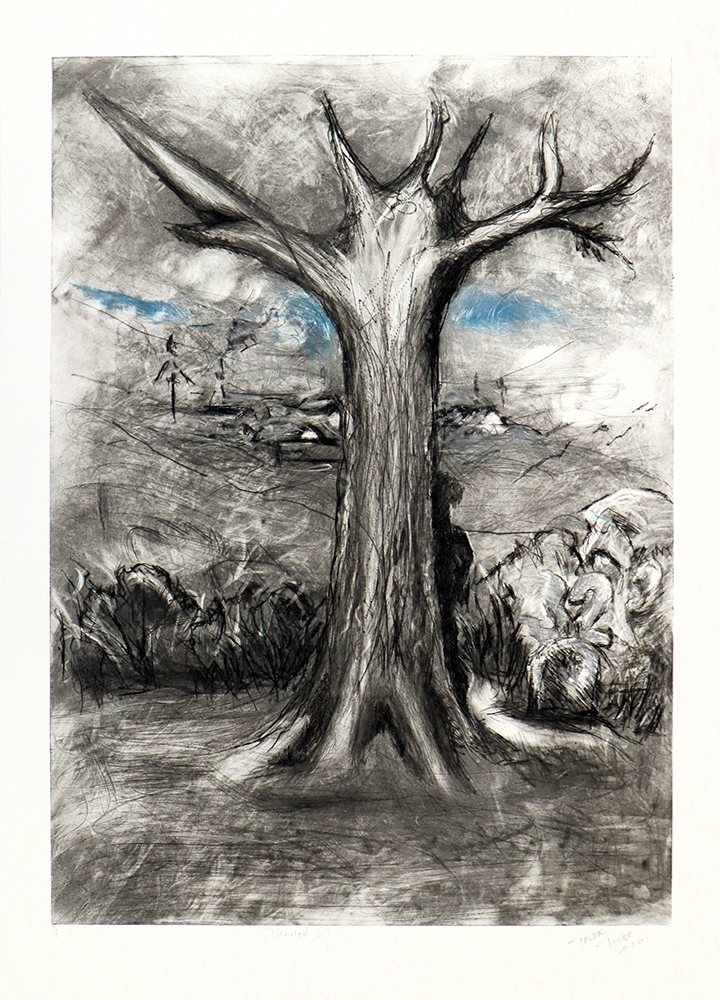
Untitled I
Drypoint
68.1 x 48.9cm
2026
Edition 1 of 1
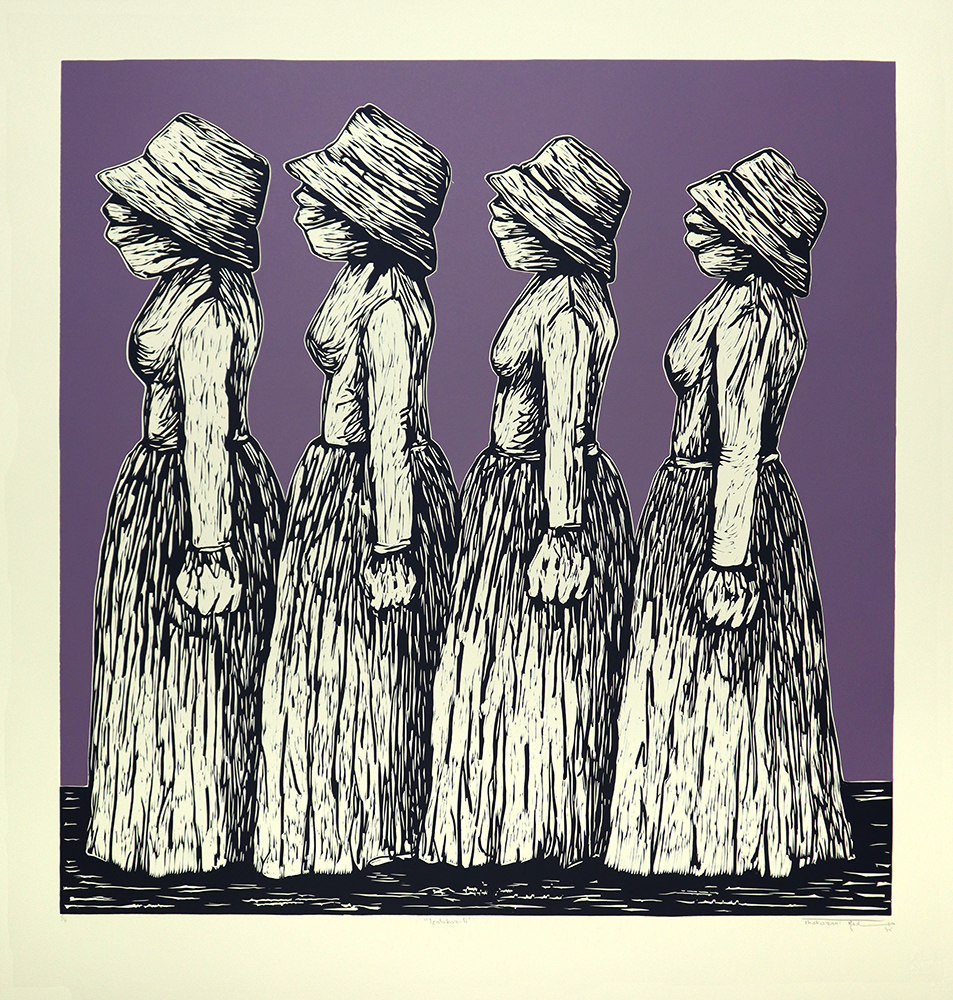
Izalukazi II
Linocut
98 x 95.5cm
2025
Edition 6.8
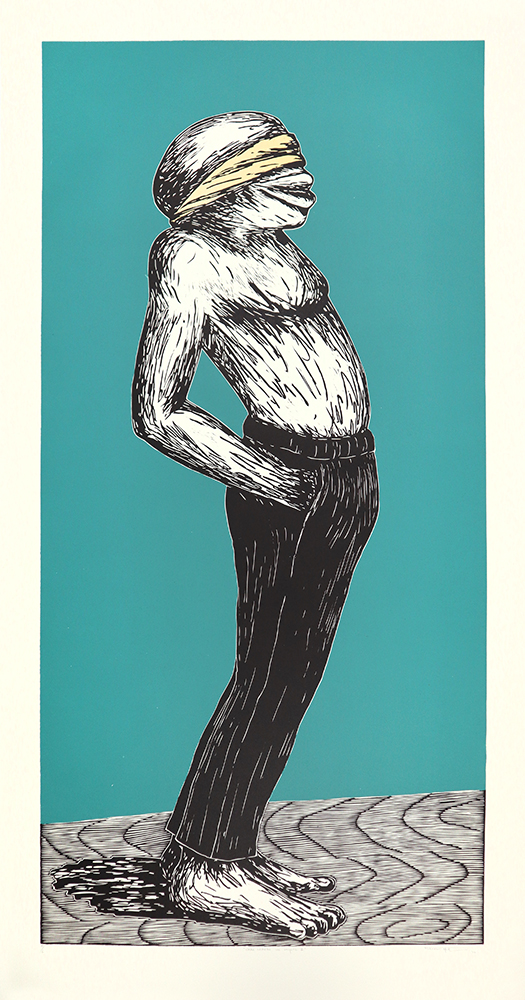
Oska Ntsheba wa Nnyatsa I
Linocut
166.5cm x 88.5cm
2023
Edition 4.6
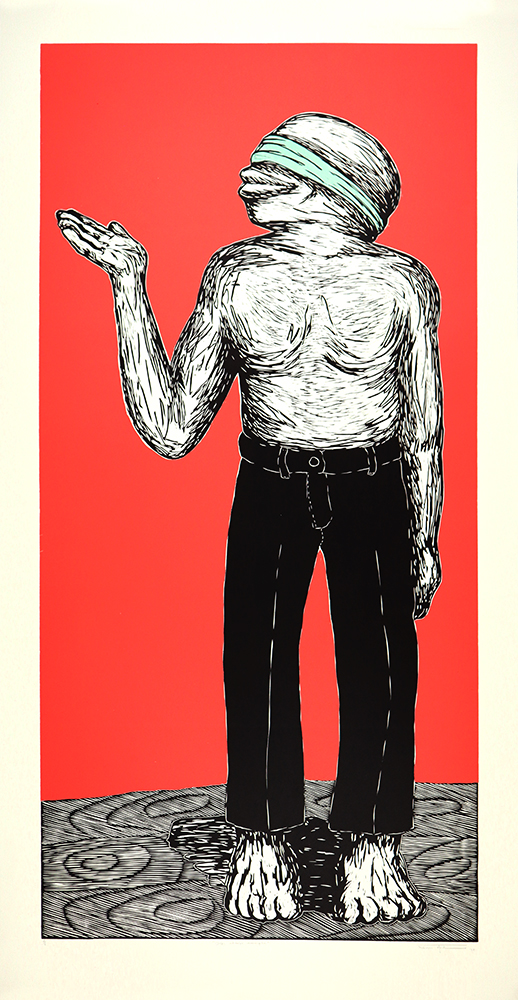
Oska Ntsheba wa Nnyatsa II
Linocut
166.5cm x 88.5cm
2023
Edition 5.6
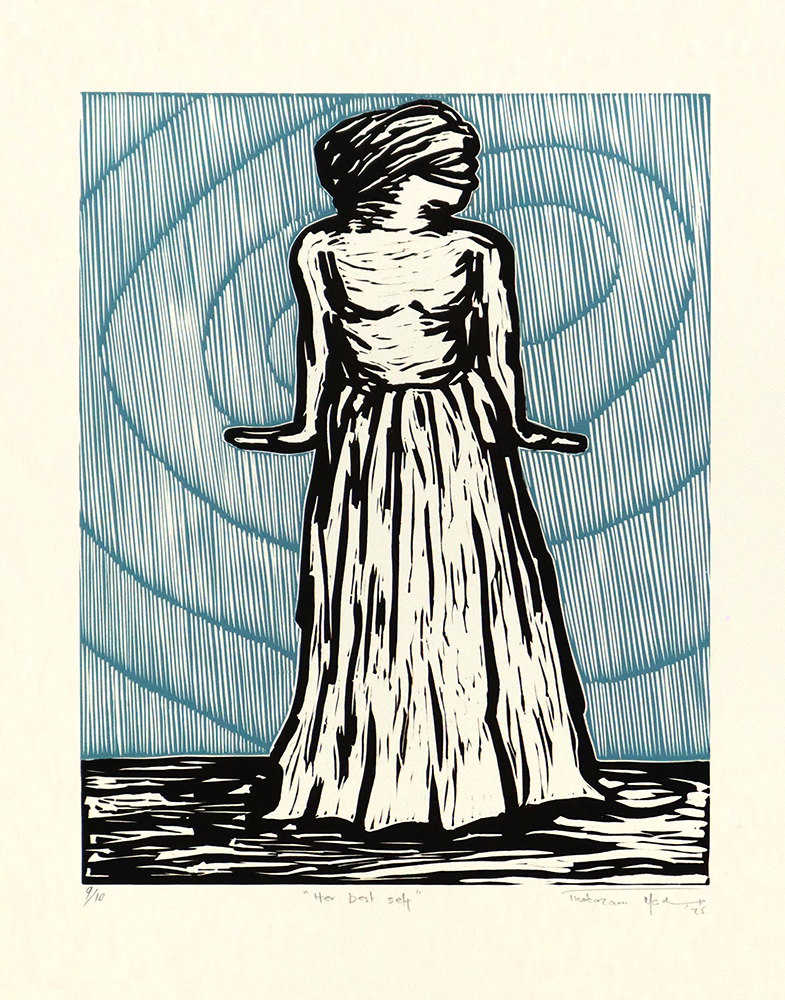
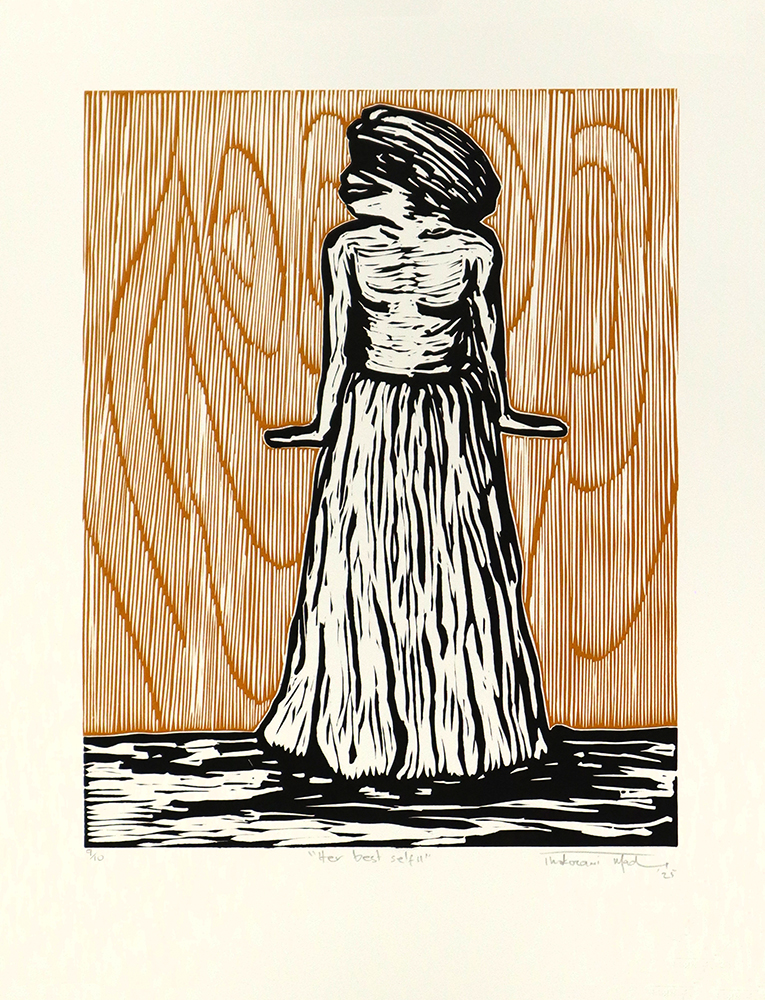
Her Best Self
Linocut
433 x 345cm
2025
Edition 9.10
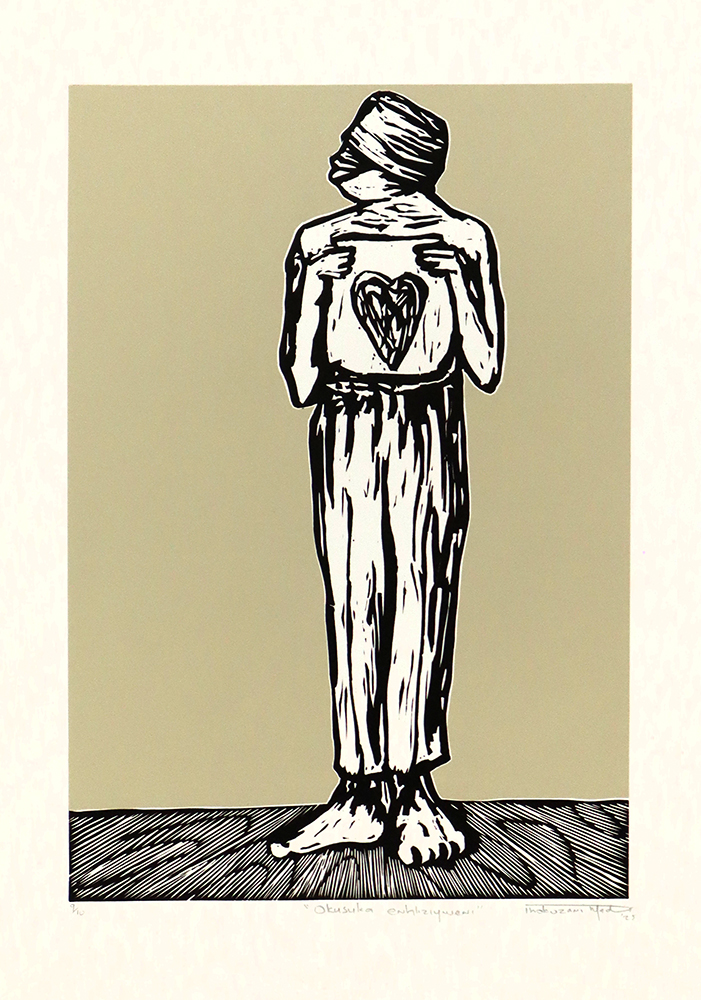
Her Best Self II
Linocut
454 x 35cm
2025
Edition 9.10
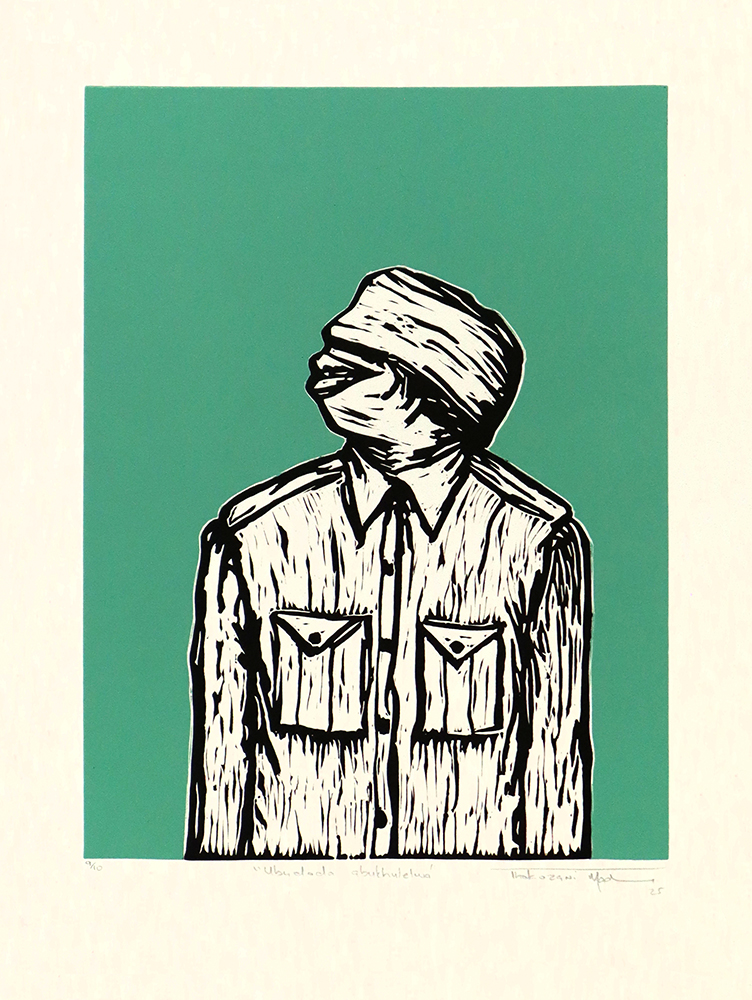
Kusuka Enhlizweni
Linocut
488 x 344cm
2025
Edition 9.10
Ubudoda Abukhulelwa
Linocut
455 x 345cm
2025
Edition 9.10
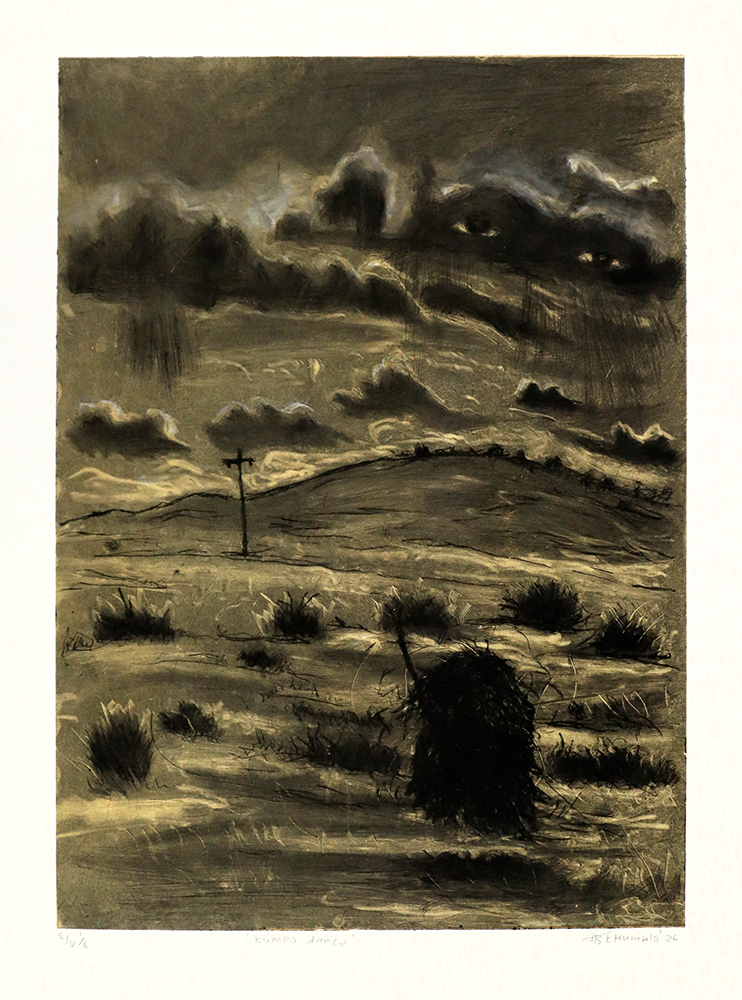
Kumpo dance
Drypoint
67 x 49.8cm
2026
Edition 1.6 EV
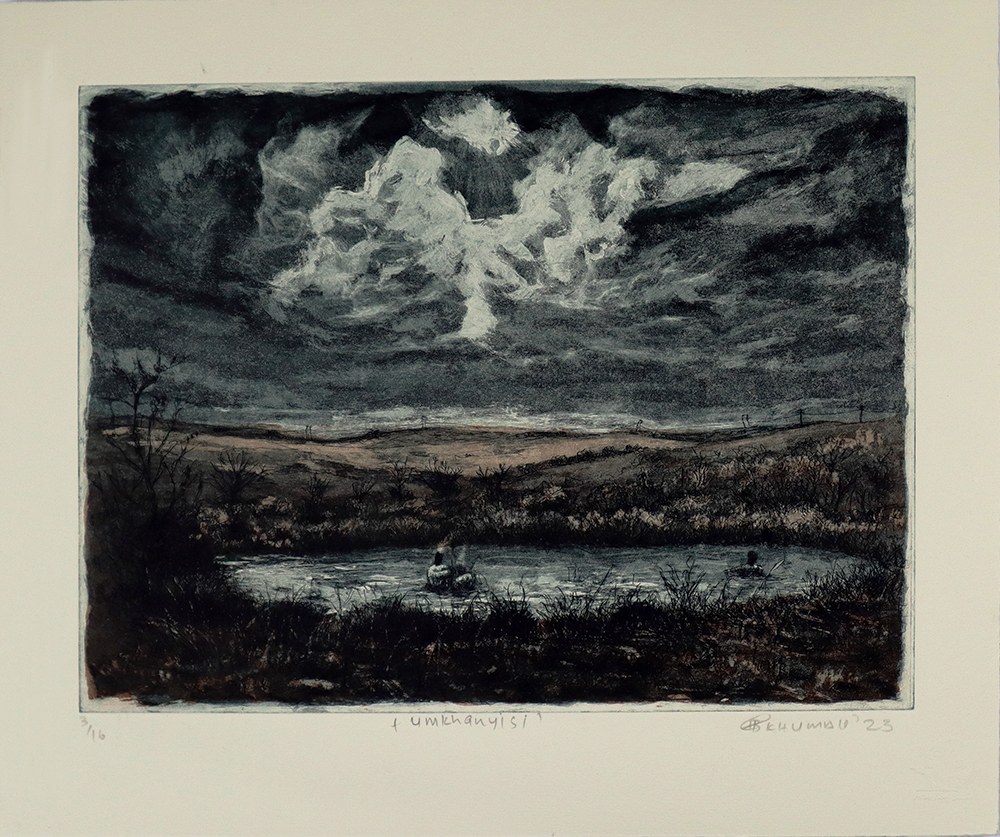
Umkhanyisi
Etching
39.7cm x 47.5cm
2023
Edition 3.16
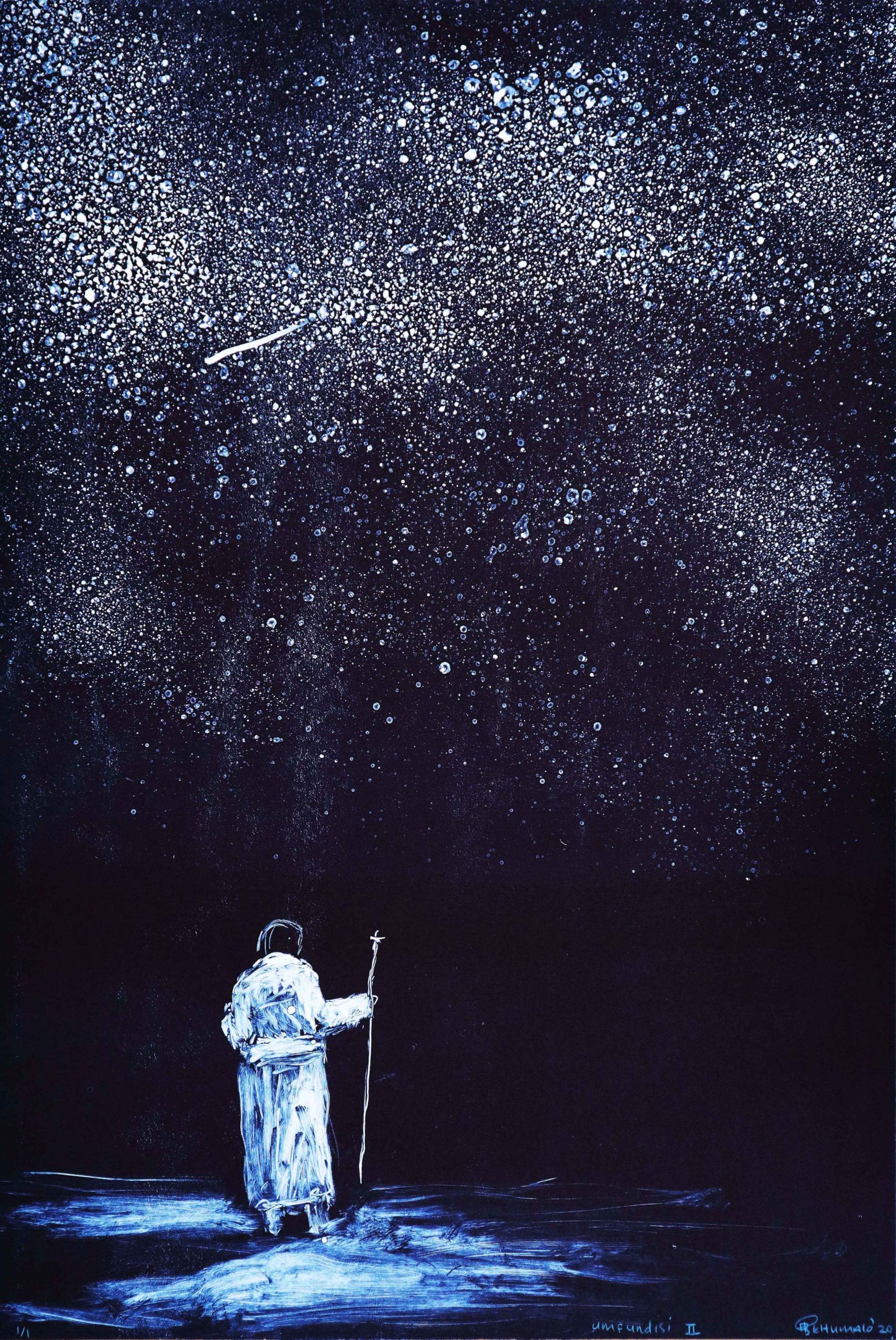
Umfundisi II
Monotype
86cm x 59cm
2020
Edition 1 of 1
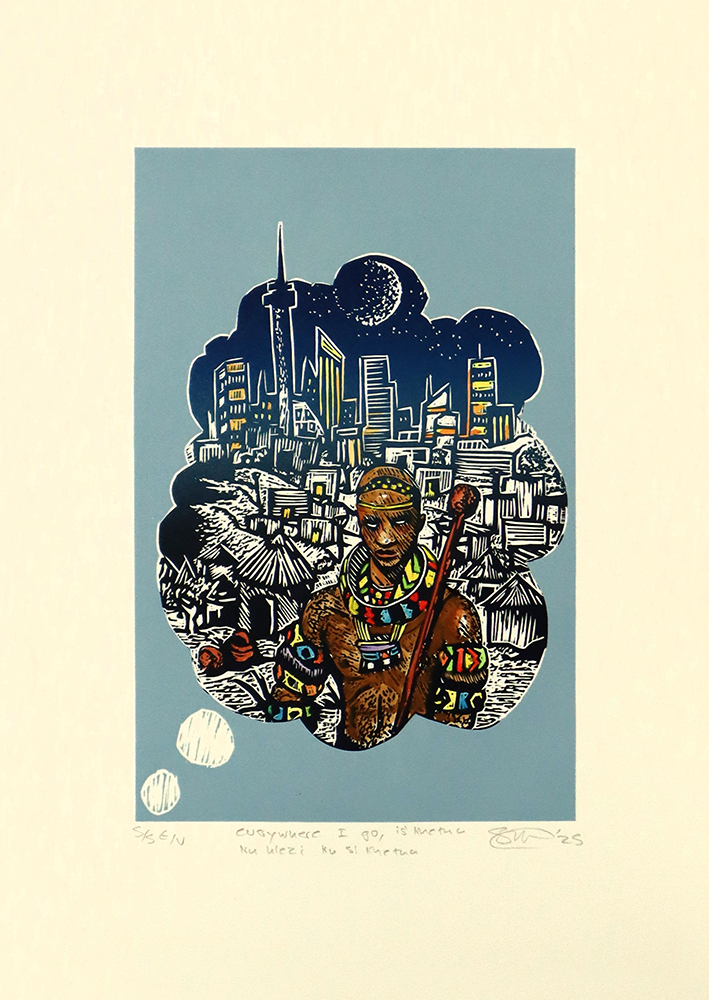
Every where I go iskhethu ku hlezi kusi khethu
Linocut watercolour
44 x 31.1cm
2025
Edition 5.5 EV
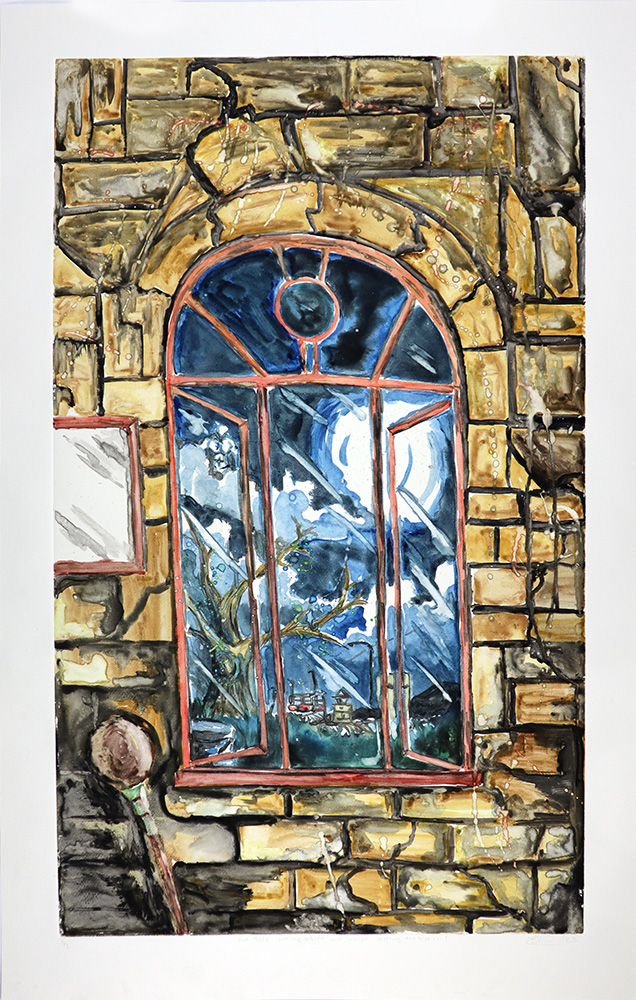
Inside looking outside and outside looking inside I
109.5×69.5cm
2023
Edition of 1
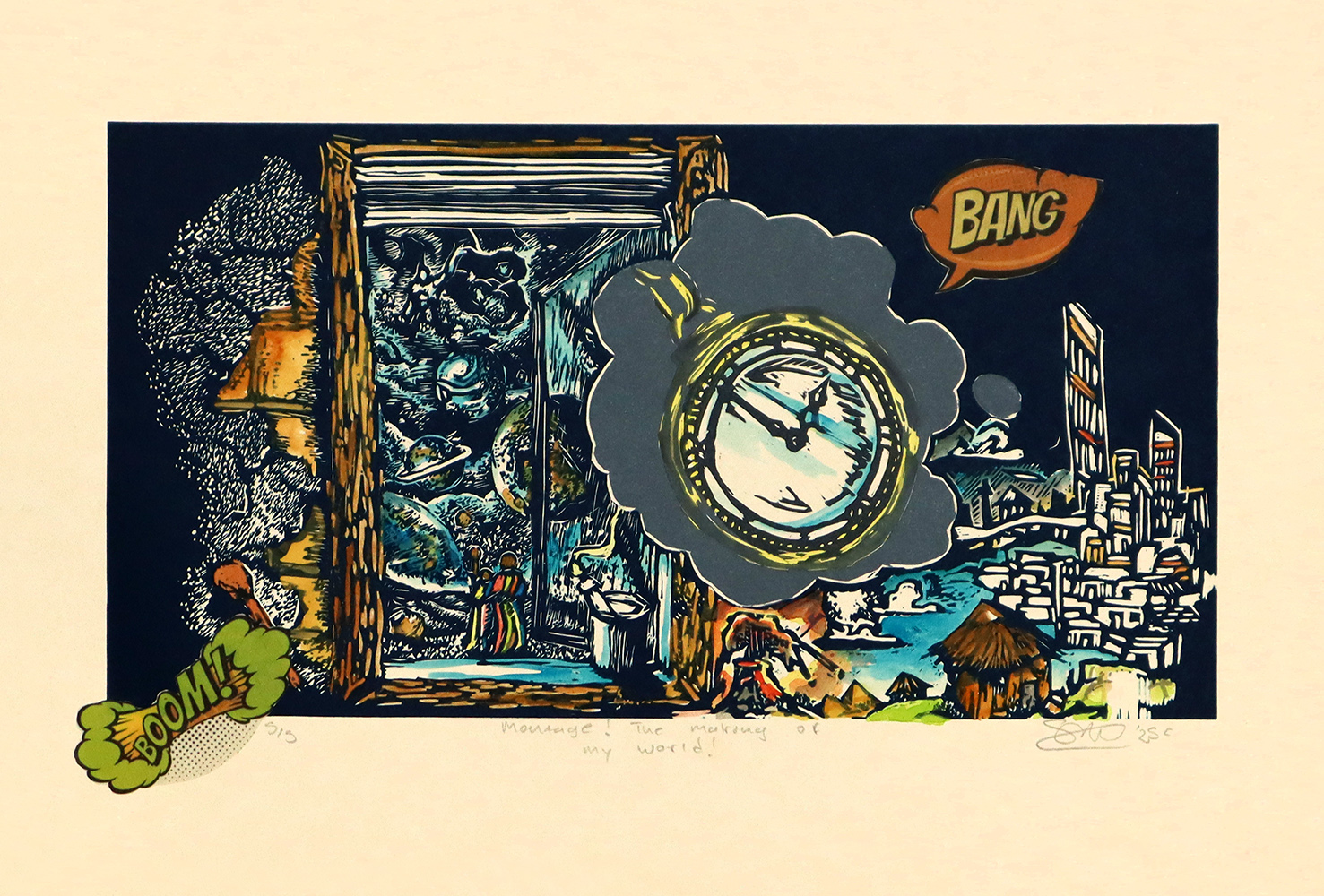
Montage the making of my world
Linocut watercolour
33.2 x 49.1cm
2025
Edition 5.5 EV
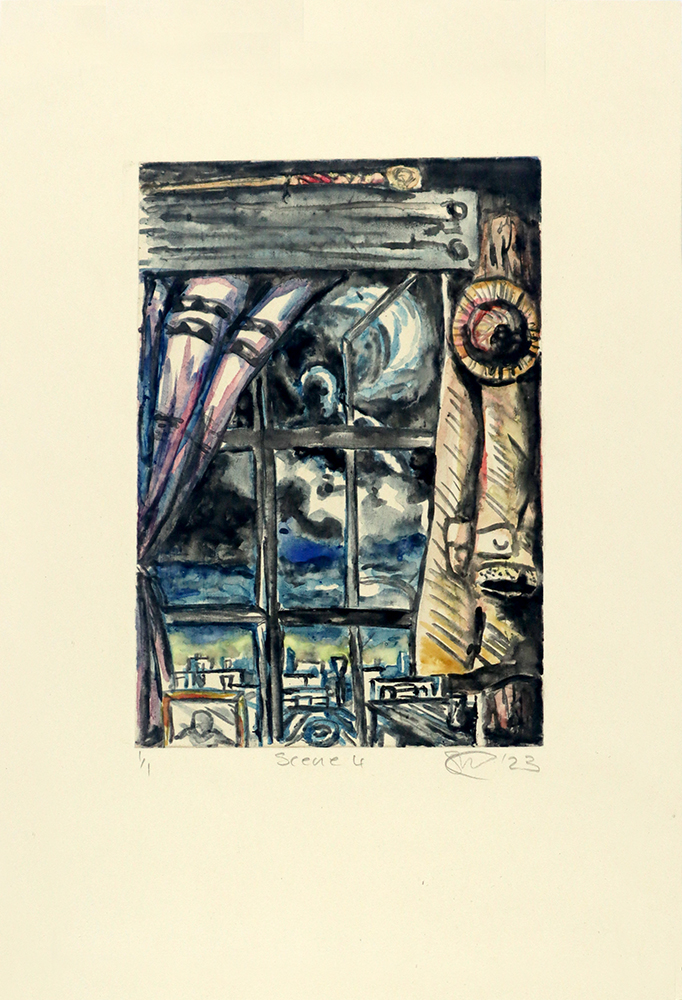
Scene 4
Watercolour Monotype
35.5cm x 24.4cm
2023
Edition of 1
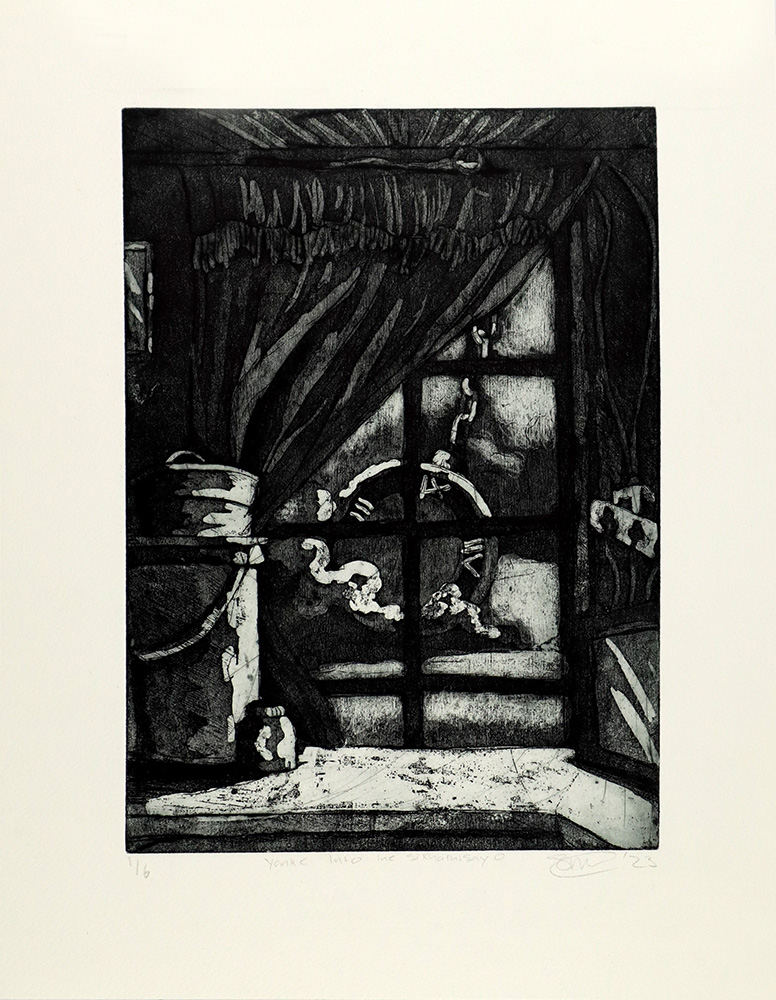
Yonke into ine sikhathisayo
41cm x 31cm
2023
Edition 1.6
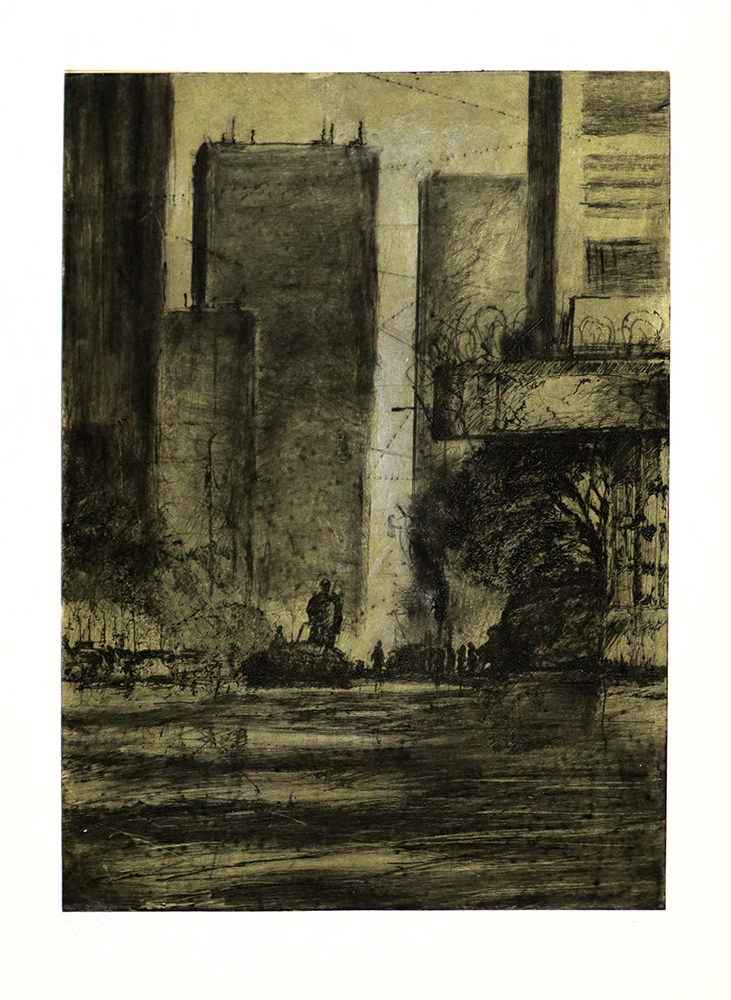
Momentum
Monotype
69.1 x 50.7cm
2026
Edition 1.3
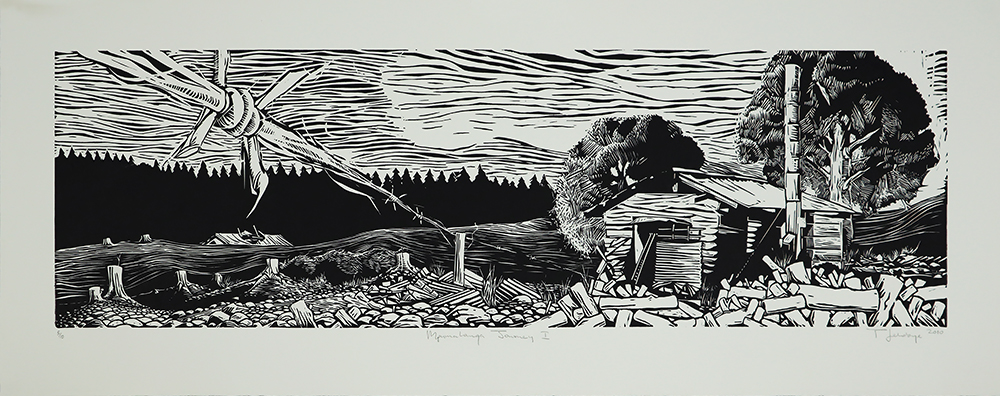
Mpumalanga Journey I
Linocut
39x100cm
2010
Edition of 10
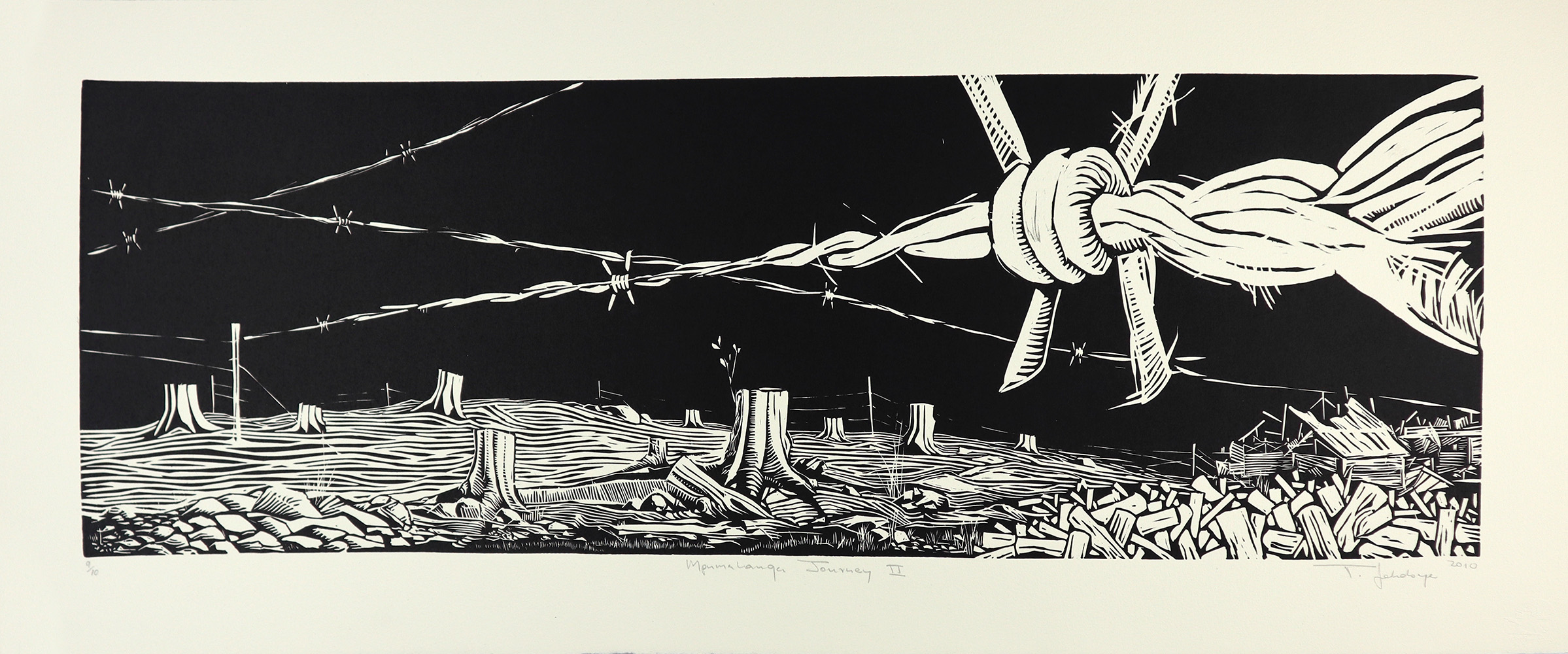
Mpumalanga Journey II
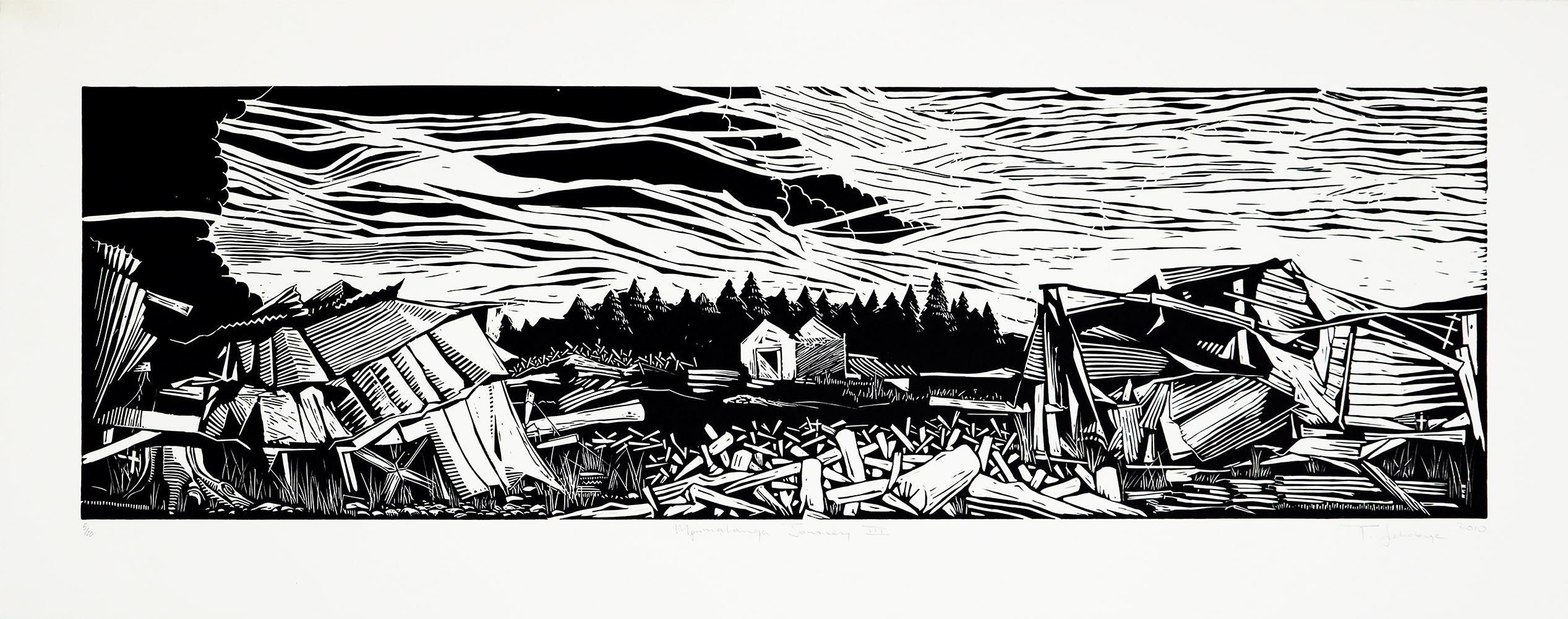
Mpumalanga Journey III
Linocut
39x100cm
2010
Edition of 10
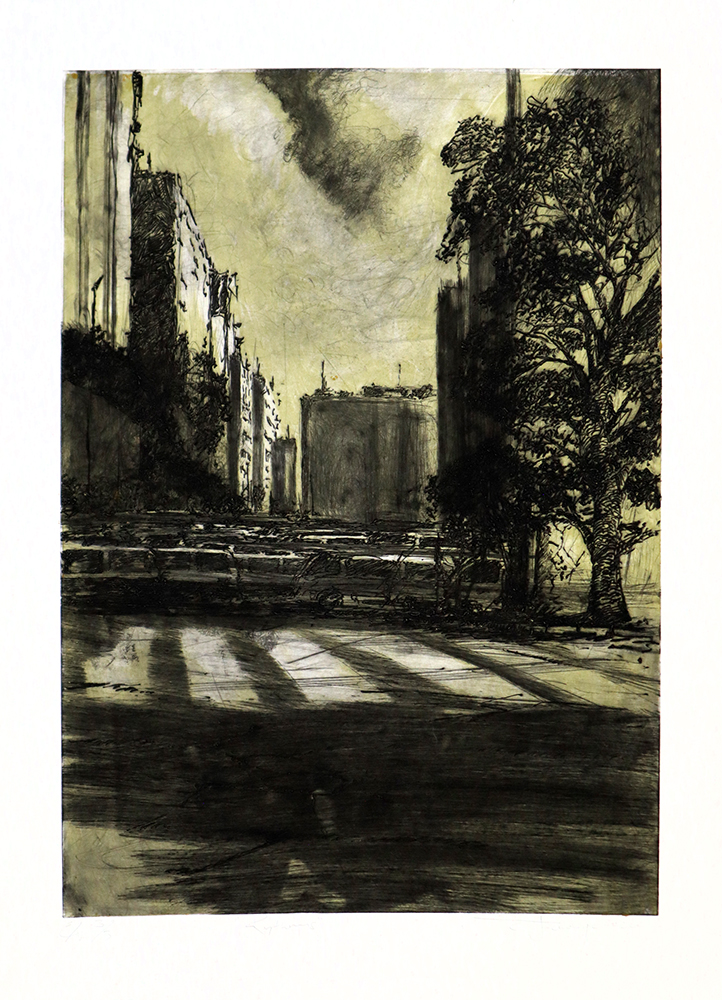
Rythms
Monotype
70.6 x 51cm
2026
Edition 3.3
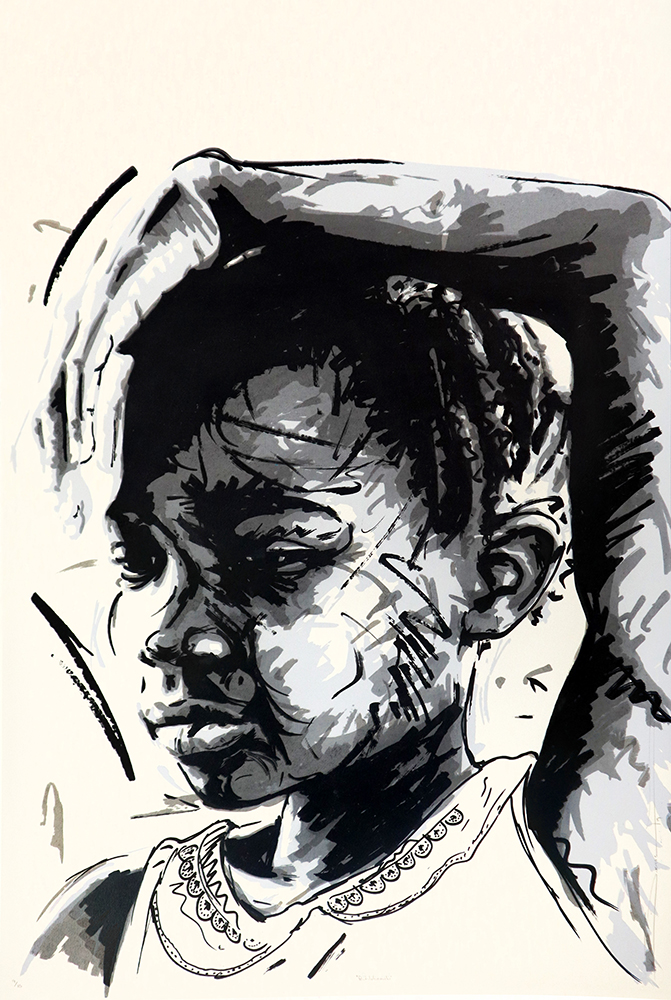
Buhlebezulu
Screenprint
112cm x 75cm
2019
Edition 9.10
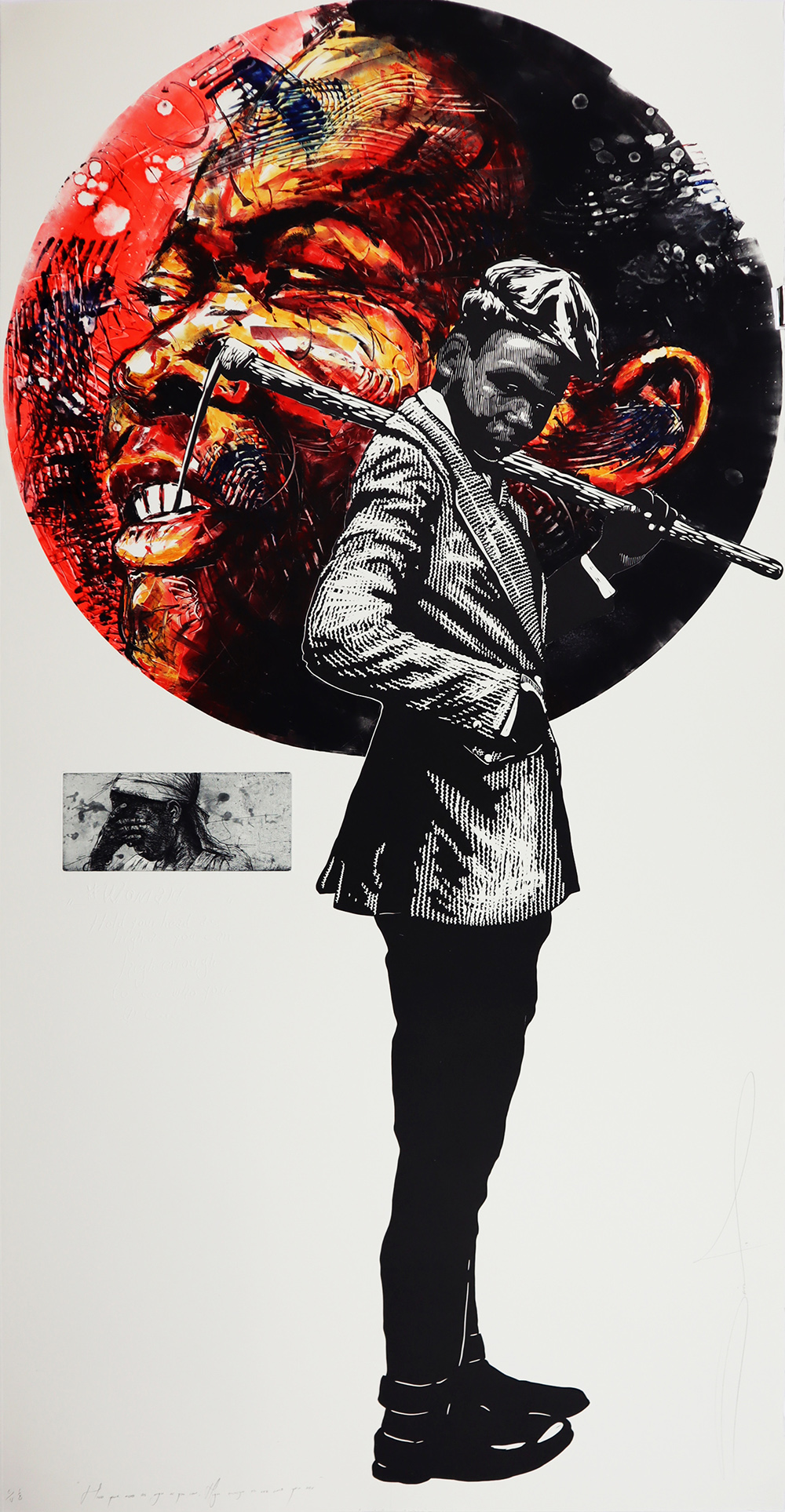
Hold your head as high as you can high enough to see who .
Artist Proof Studio Printmaking Legacy
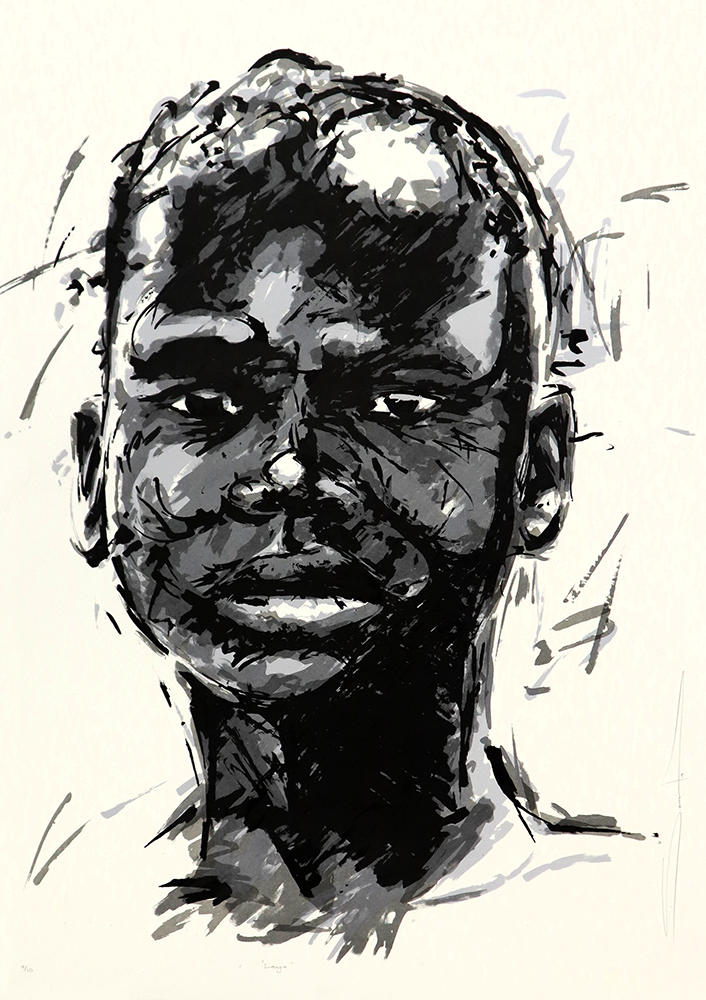
Langa
Screenprint
100cm x 70cm
2019
Edition 9.10
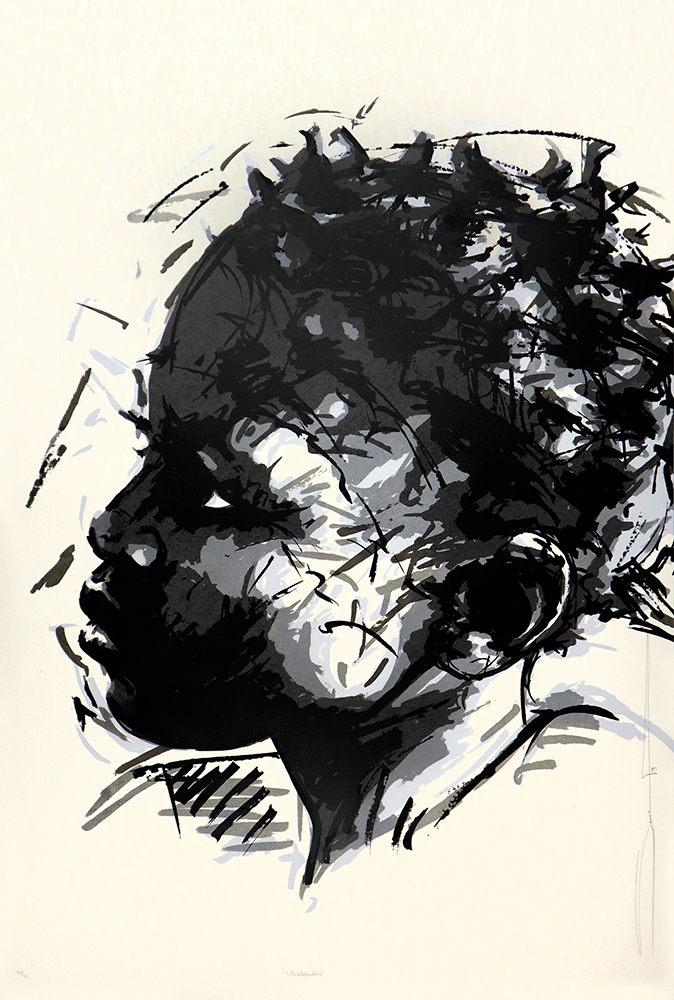
Ubuhlebakho
Screenprint
112cm x 75cm
2019
Edition 10.10
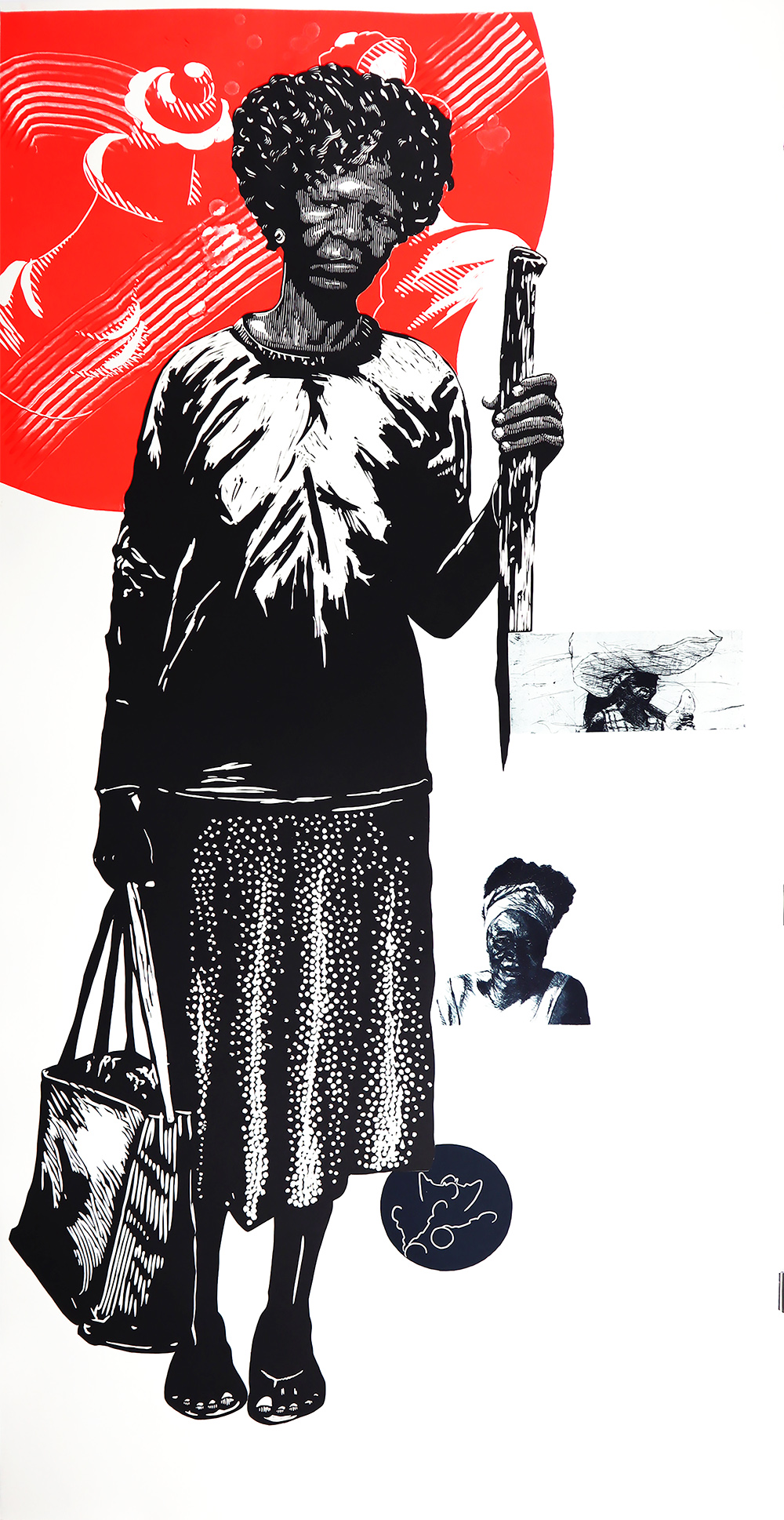
Umsebanzi wendoda usungowami sengakhula
Linocut and Monotype
200x100cm
2018
Edition of 8
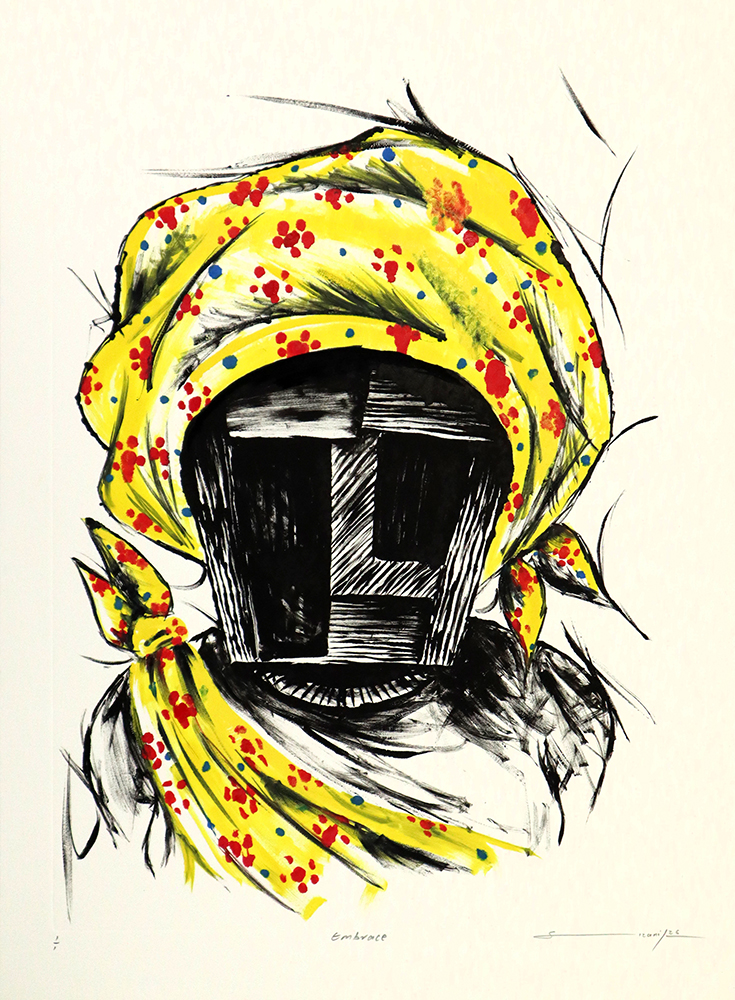
Embrace
Monotype
67 x 48.8cm
2026
Edition 1 of 1
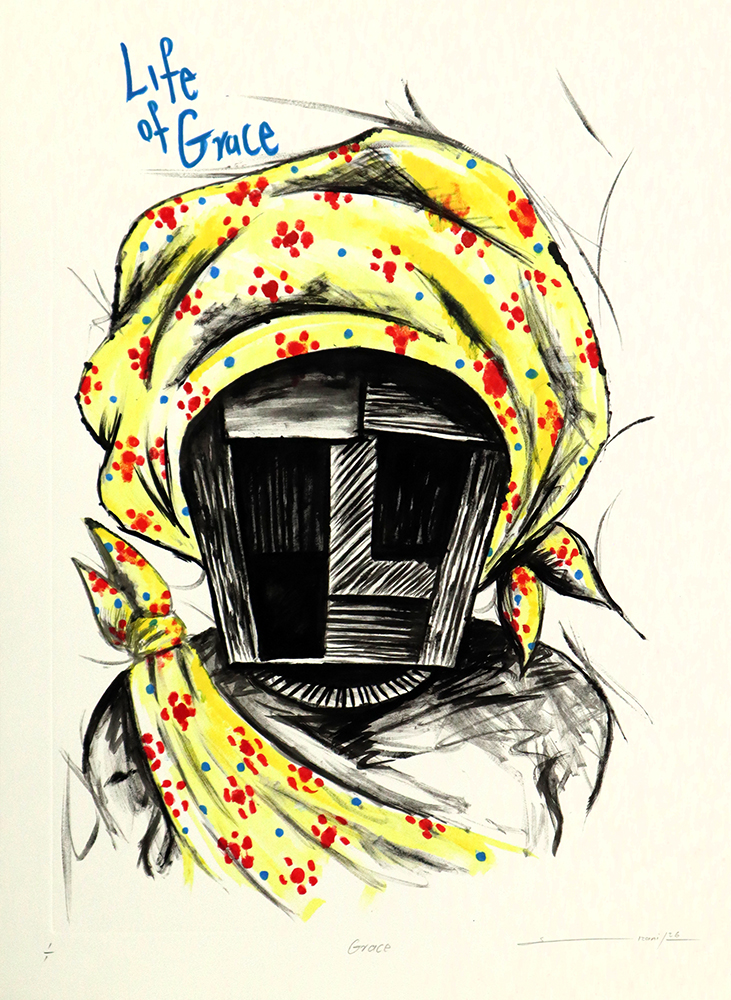
Grace
Monotype
67 x 48.8cm
2026
Edition 1 of 1
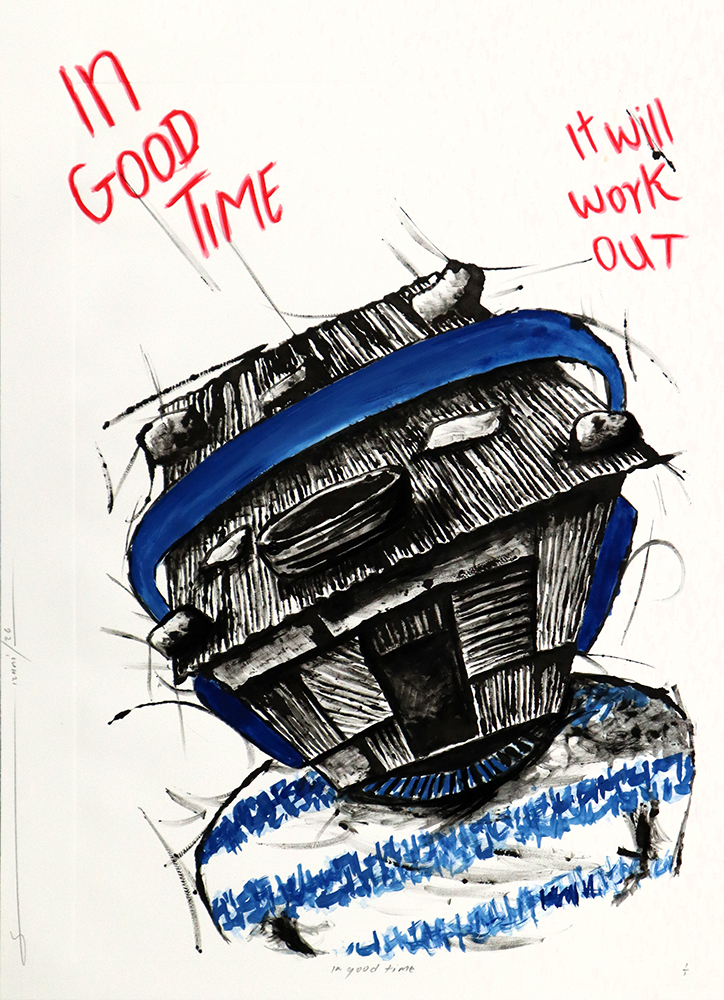
In good time
Monotype
67 x 48.8cm
2026
Edition 1 of 1
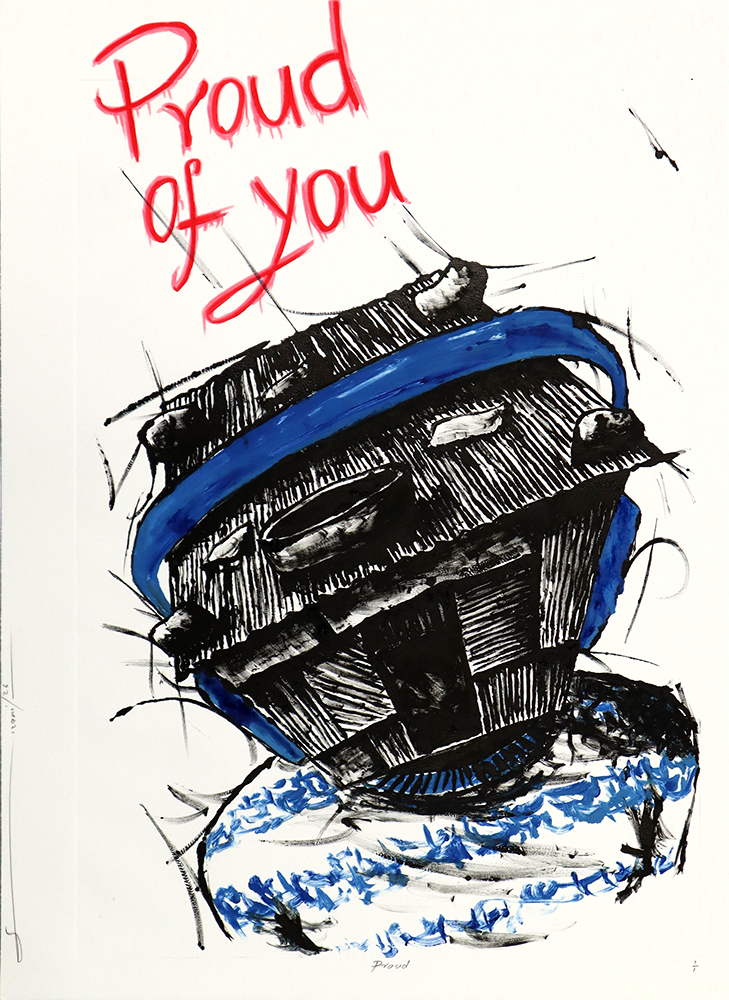
Proud
Monotype
67 x 48.8cm
2026
Edition 1 of 1
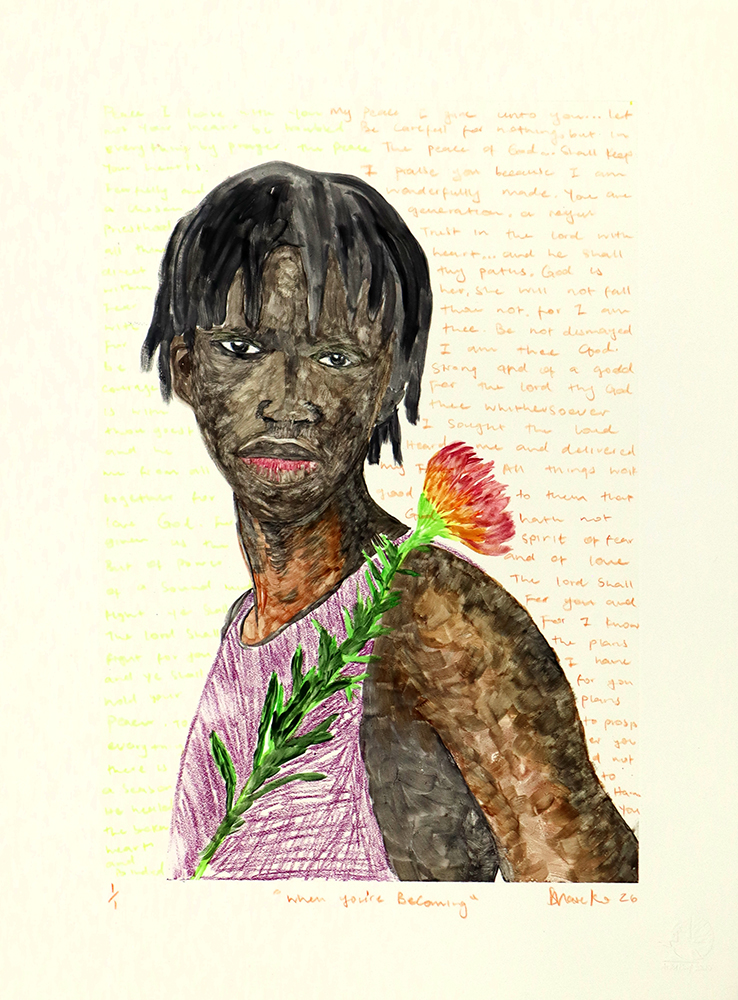
When you’re becoming
Watercolor Mono
53.5 x 40cm
2026
Edition 1 of 1
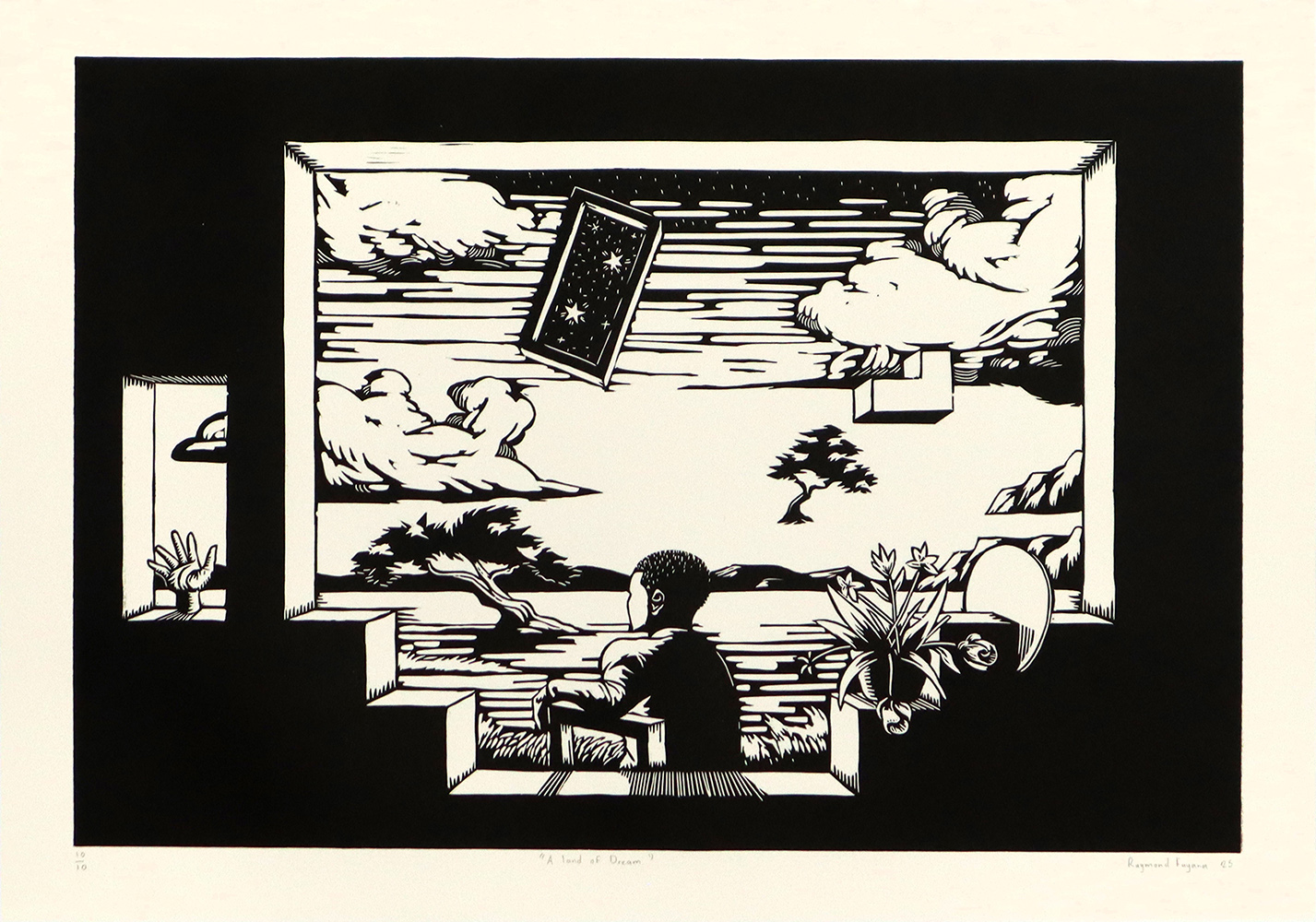
A Land of Dream
Linocut
35 x 50cm
2025
Edition 10.10
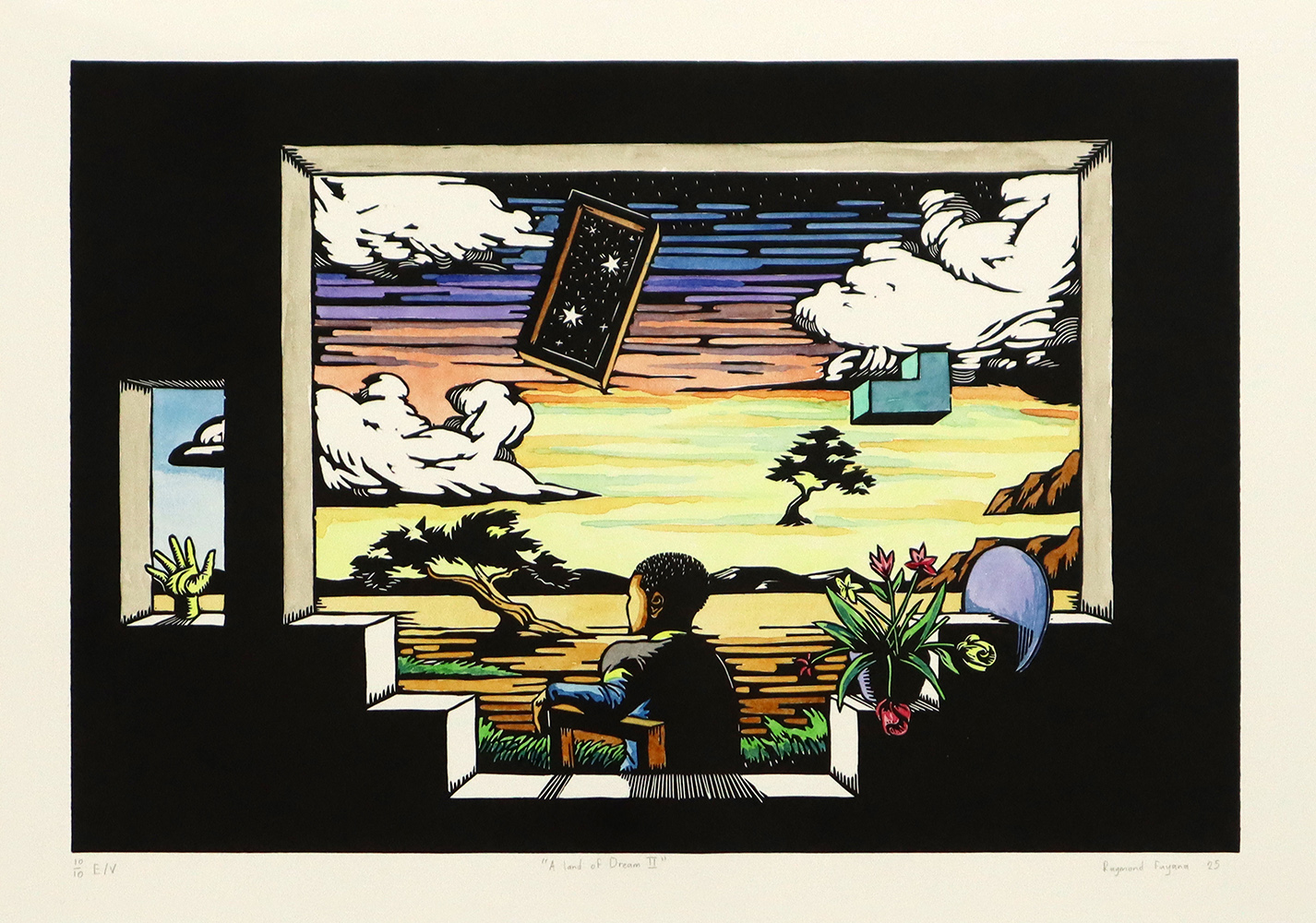
A Land of Dream II
Linocut
35 x 50cm
2025
Edition 10.10 EV
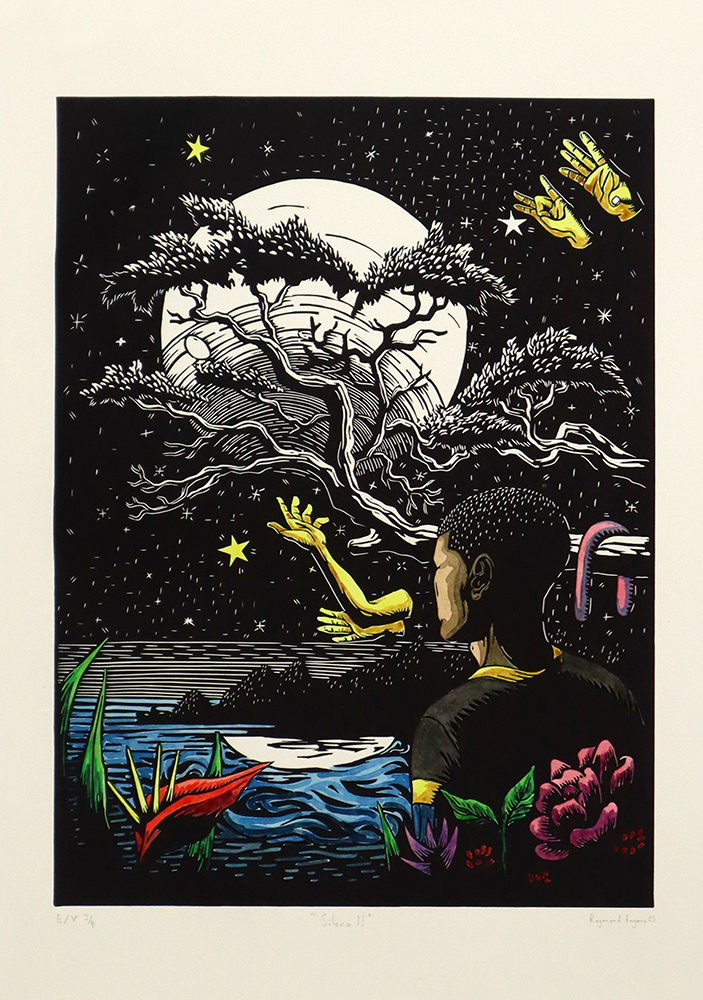
Silence II
Linocut
50 x 35.2cm
2025
Edition 3.4
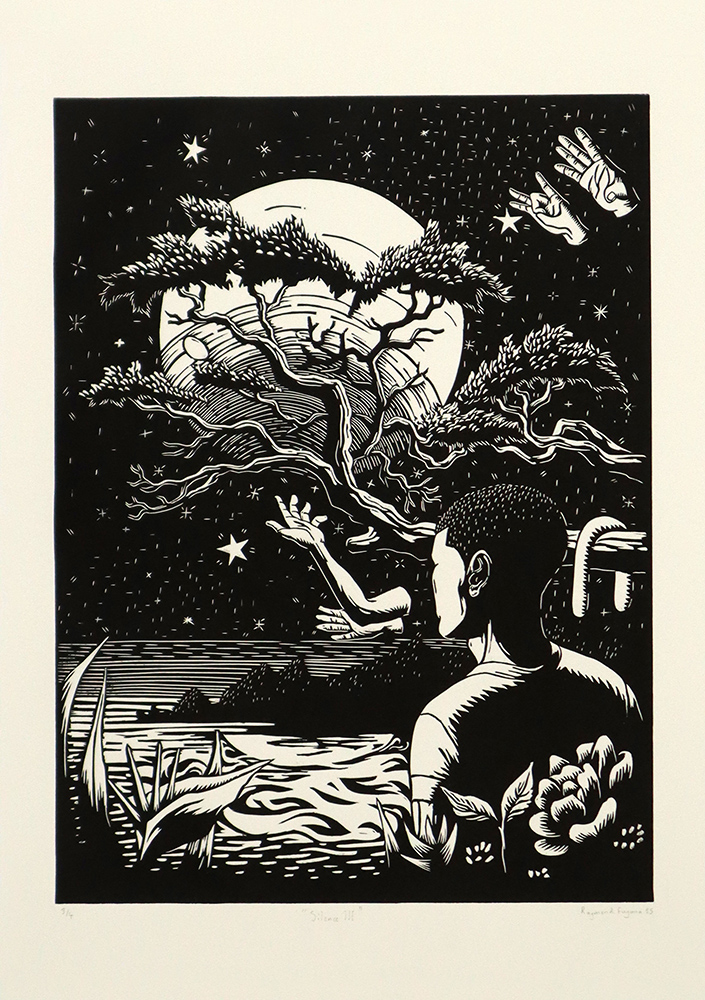
Silence III
Linocut
50 x 35.2cm
2025
Edition 3.4 EV
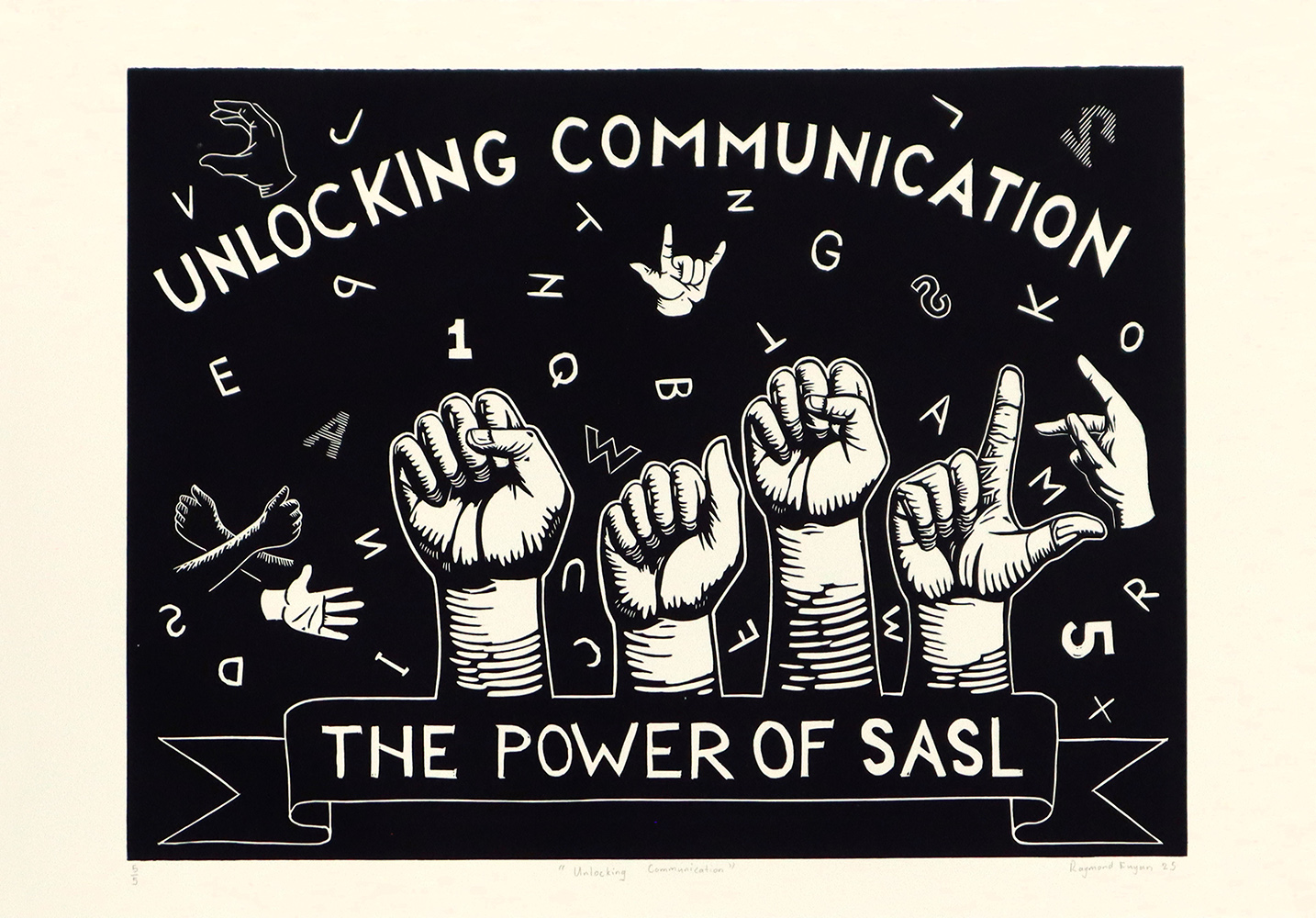
Unlocking Communication
Linocut
35.3 x 50.2cm
2025
Edition 5.5
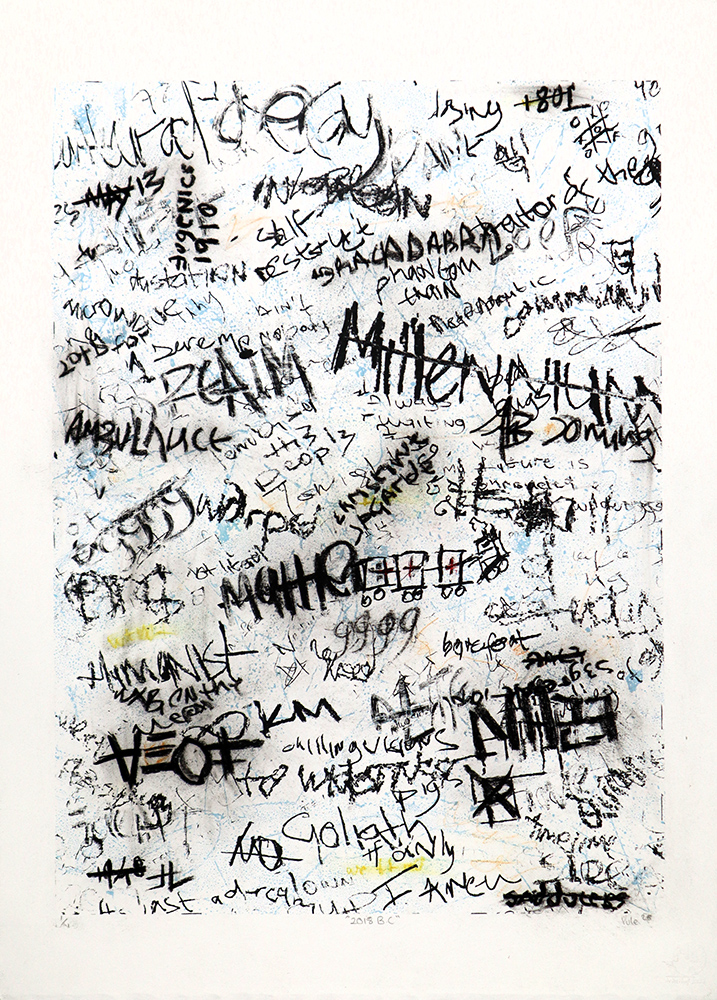
2018 B.C
Screenprint
70 x 50cm
2026
Edition 1 of 1
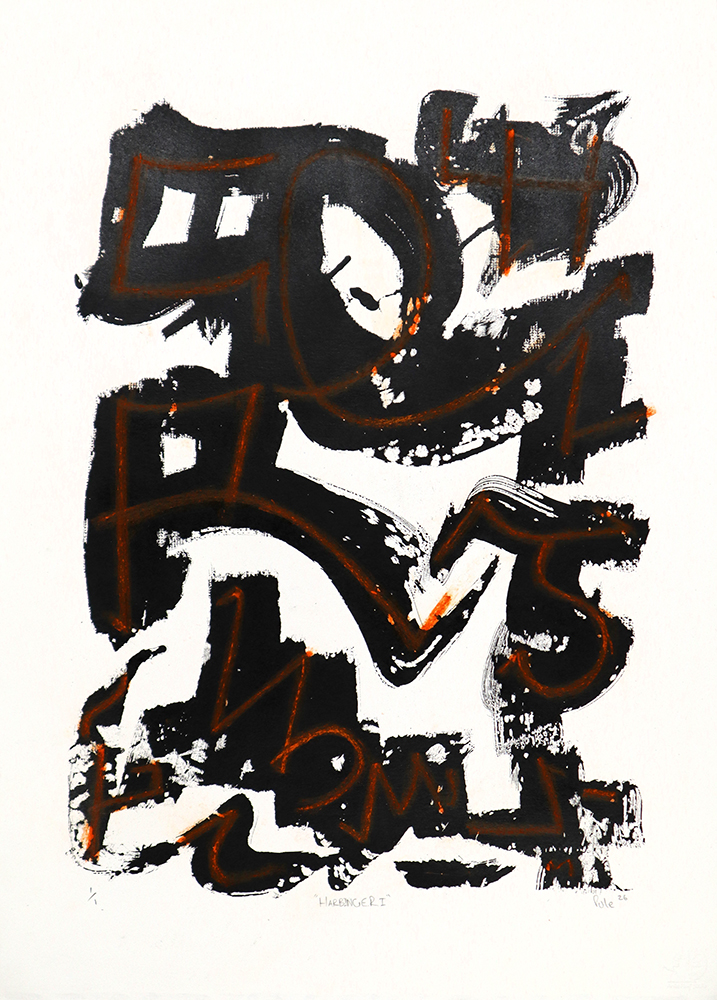
Harbinger I
Screenprint
70 x 50cm
2026
Edition 1 of 1
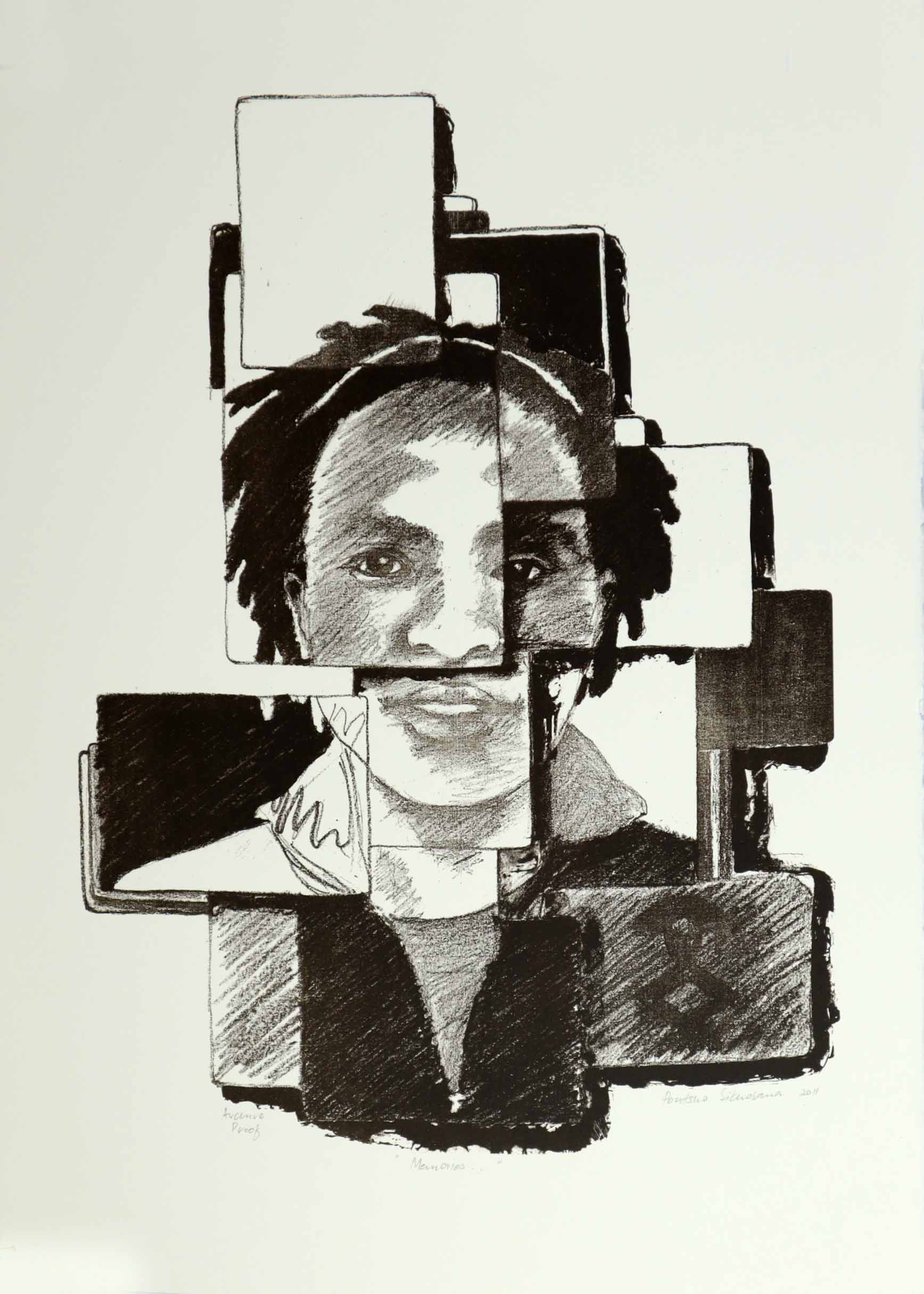
memories
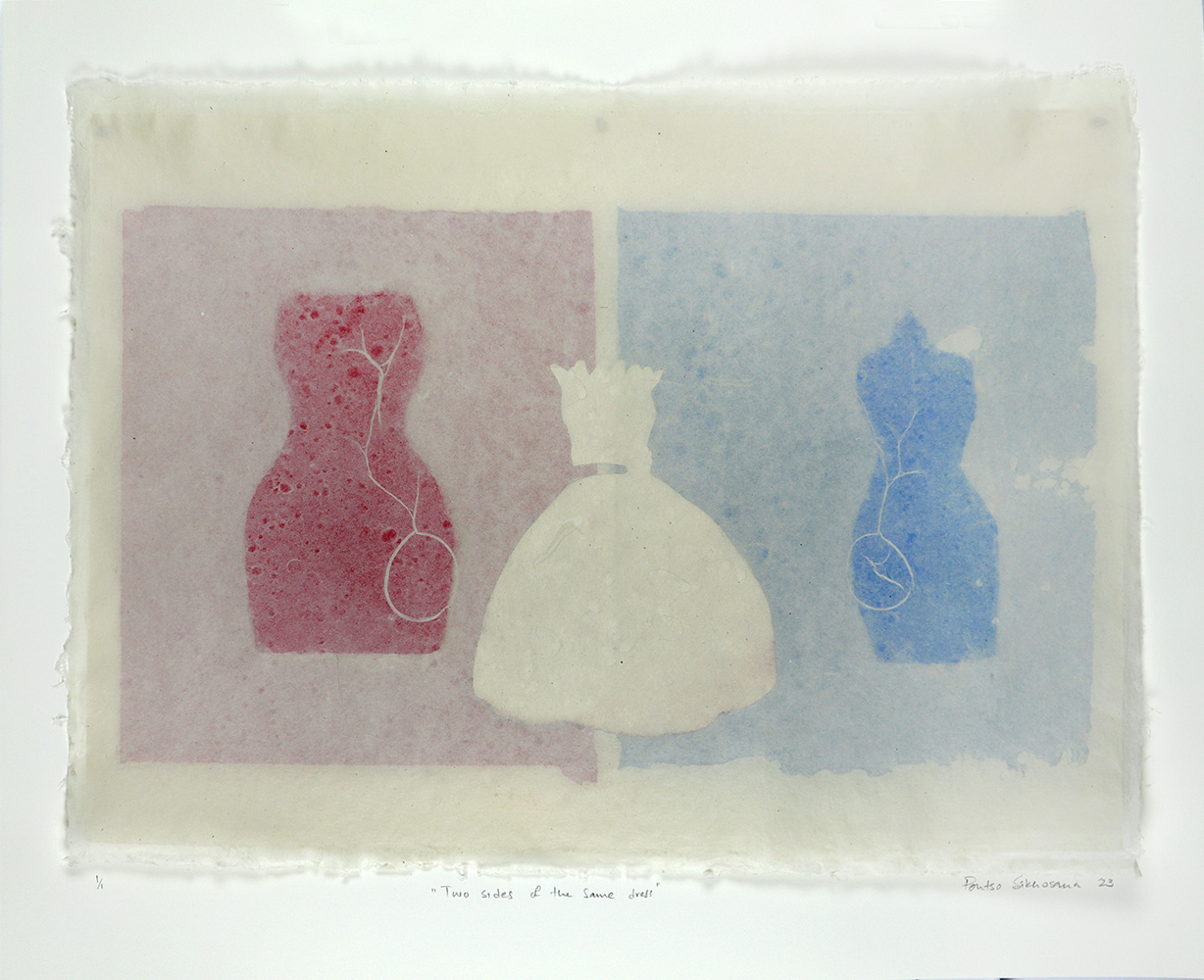
Two Sides Of The Same Dress
Handmade Paper
58×70.5cm
2023
Edition of 1
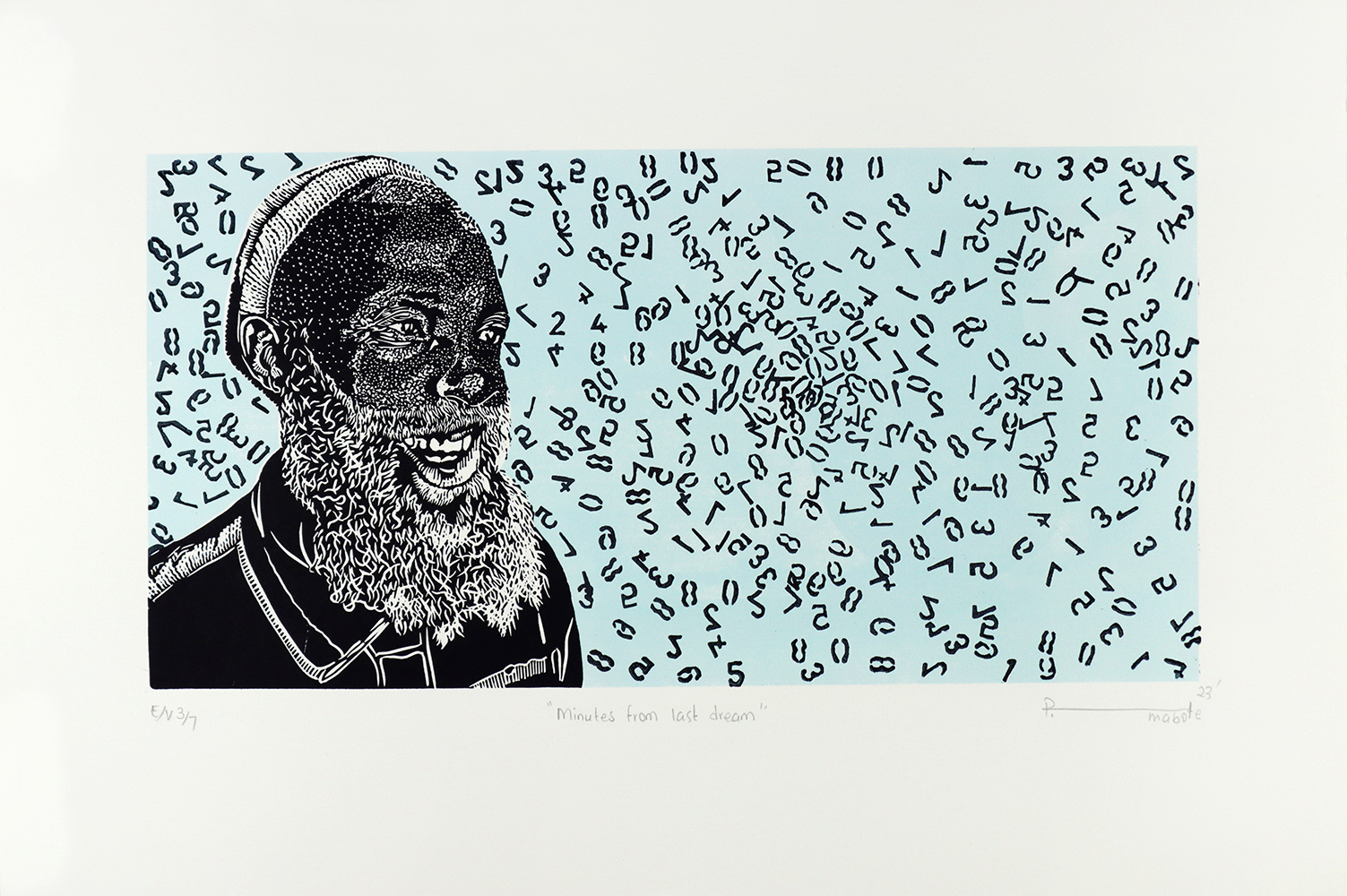
Minutes from the last dream
Linocut silkscreen
38.5cm x 58cm
2023
Edition 3.7
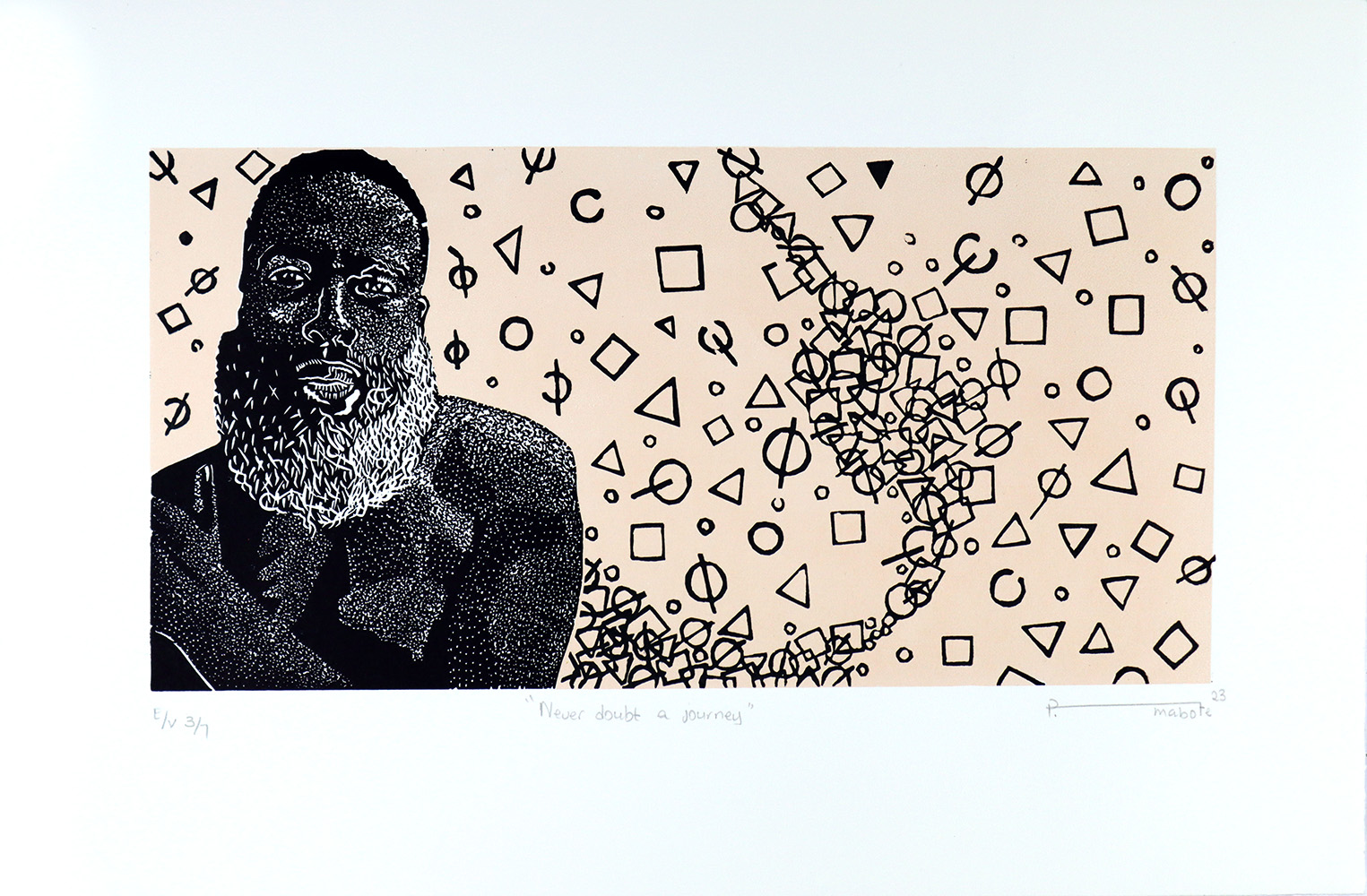
Never doubt a journey
Linocut silkscreen
38.5cm x 58cm
2023
Edition 3.7
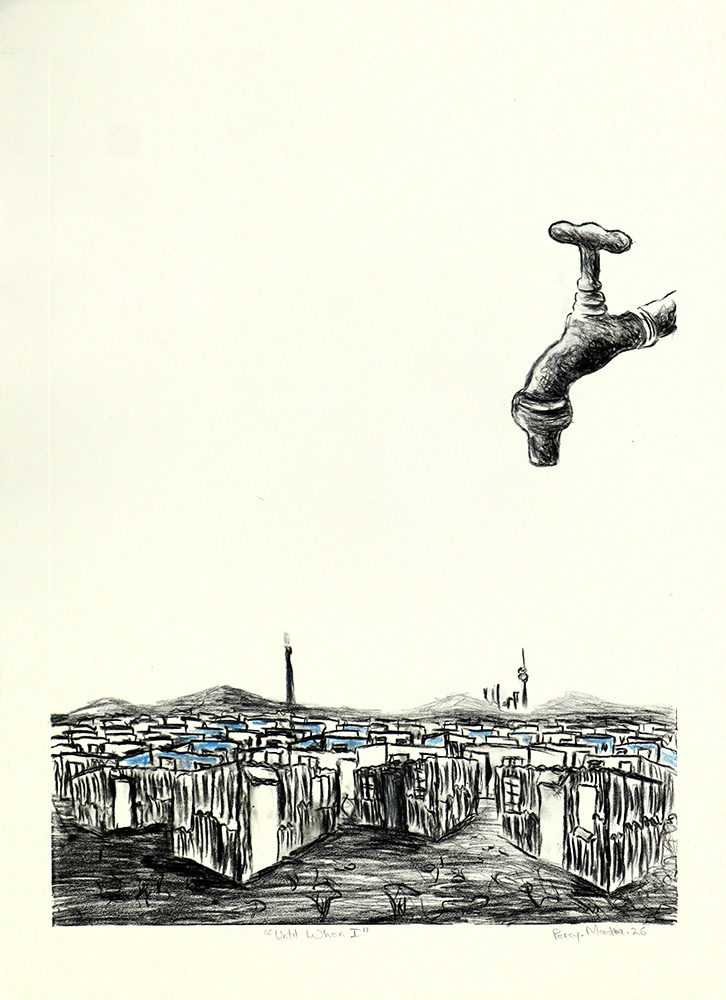
Until when I
Monotype
68.2 x 49cm
2026
Edition 1 of 1
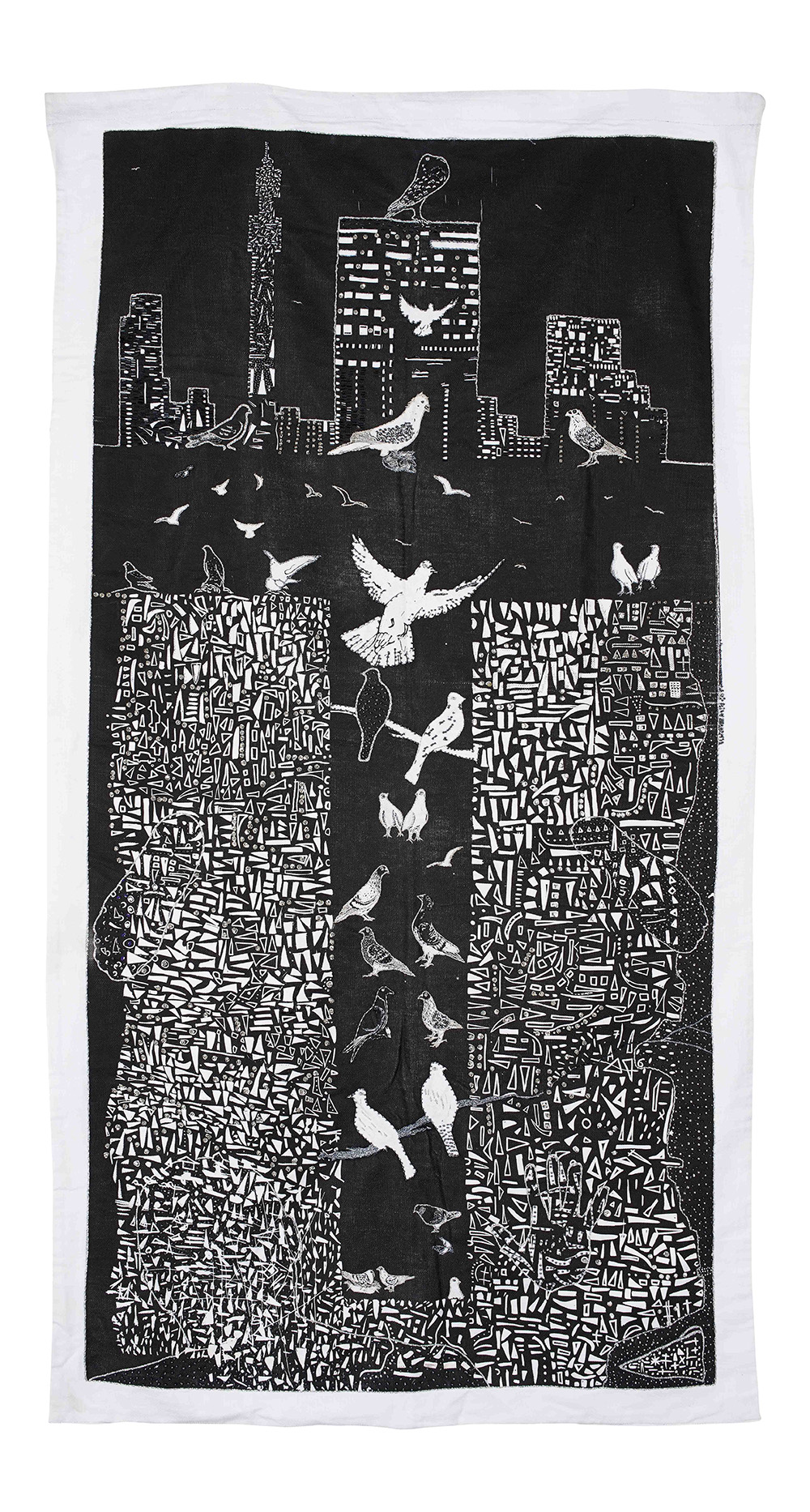
Cross Pigeons
Linocut
201x104cm
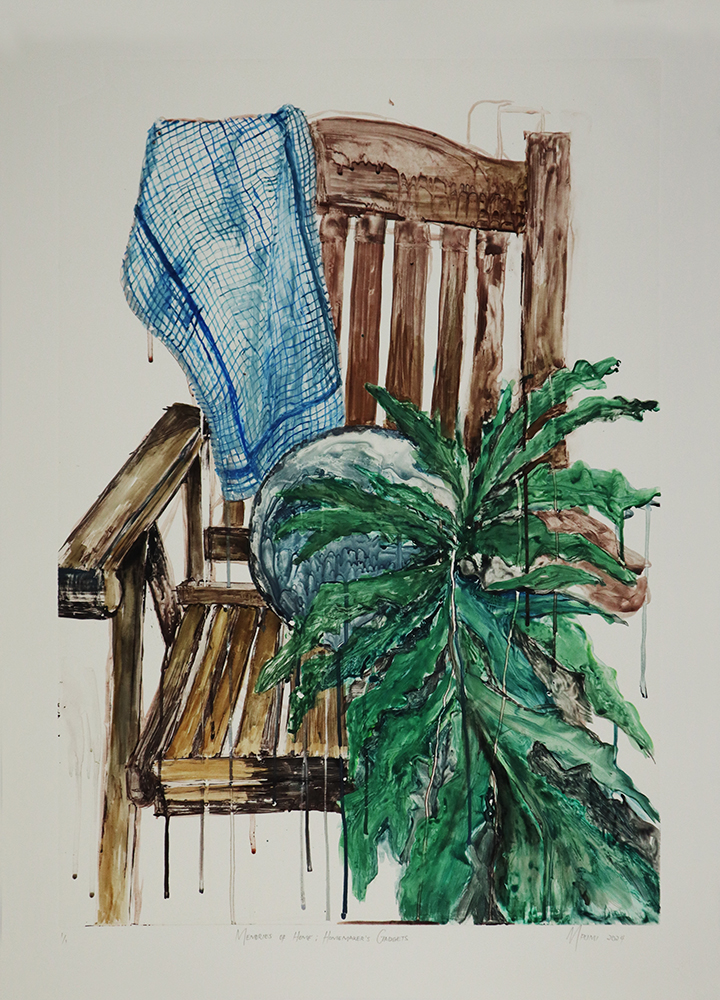
Memories of Home: Homemaker’s Gadget
Monotype
96.3cm x 69.8cm
2024
Edition 1 of 1
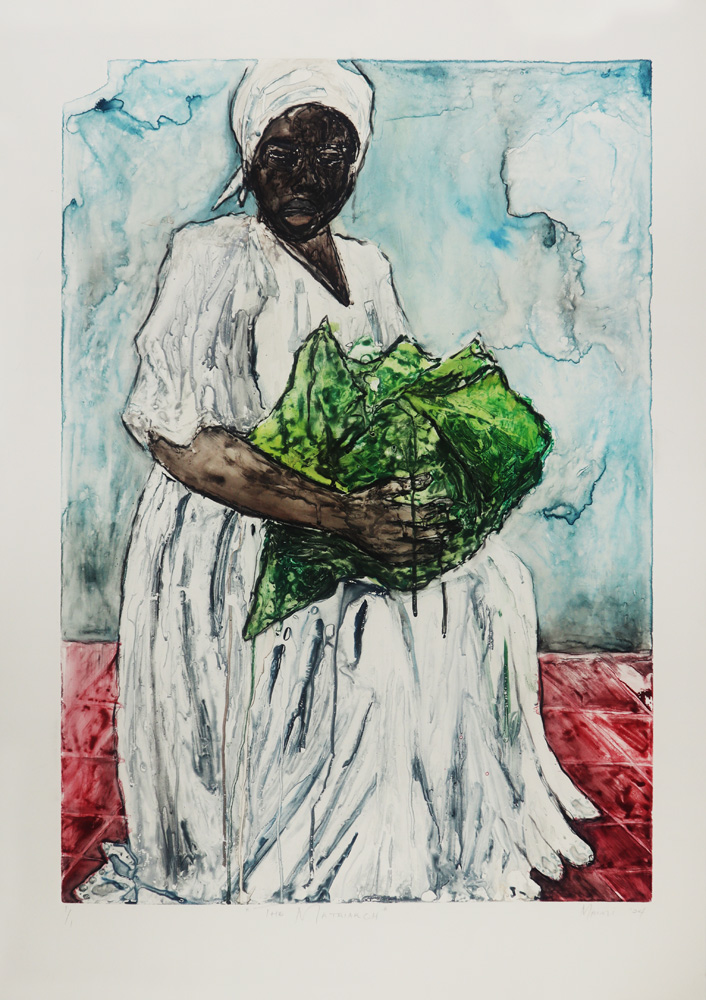
The Matriarch
Monotype
99.5cm x 70cm
2024
Edition 1 0f 1
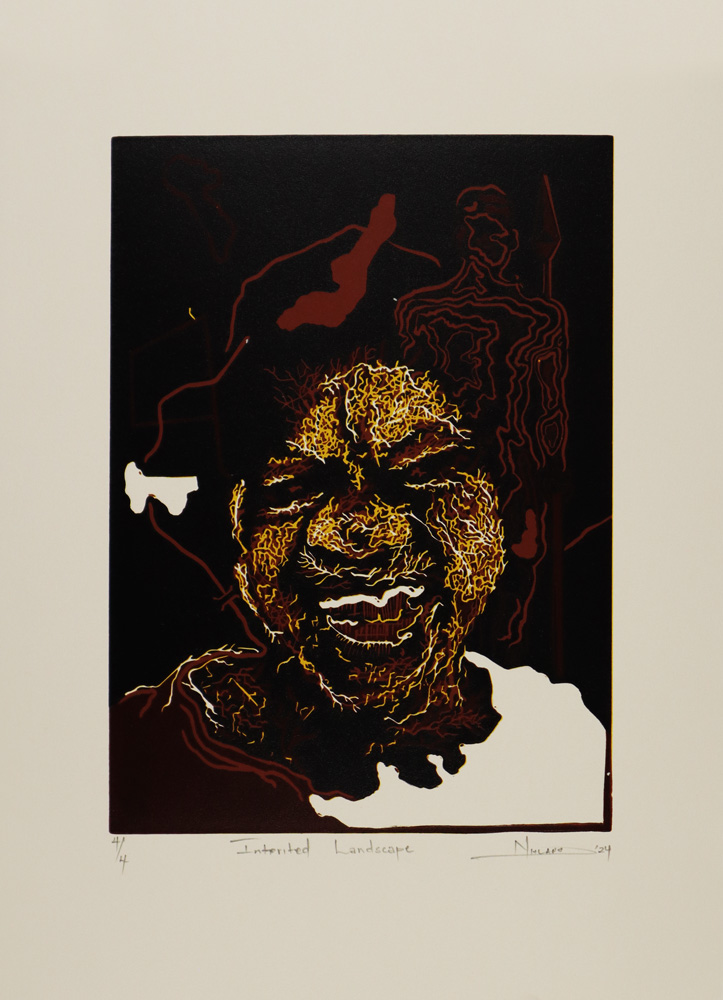
Inherited Landscape
Lino Reduction
43cm x 31.5cm
2024
Edition 4.4
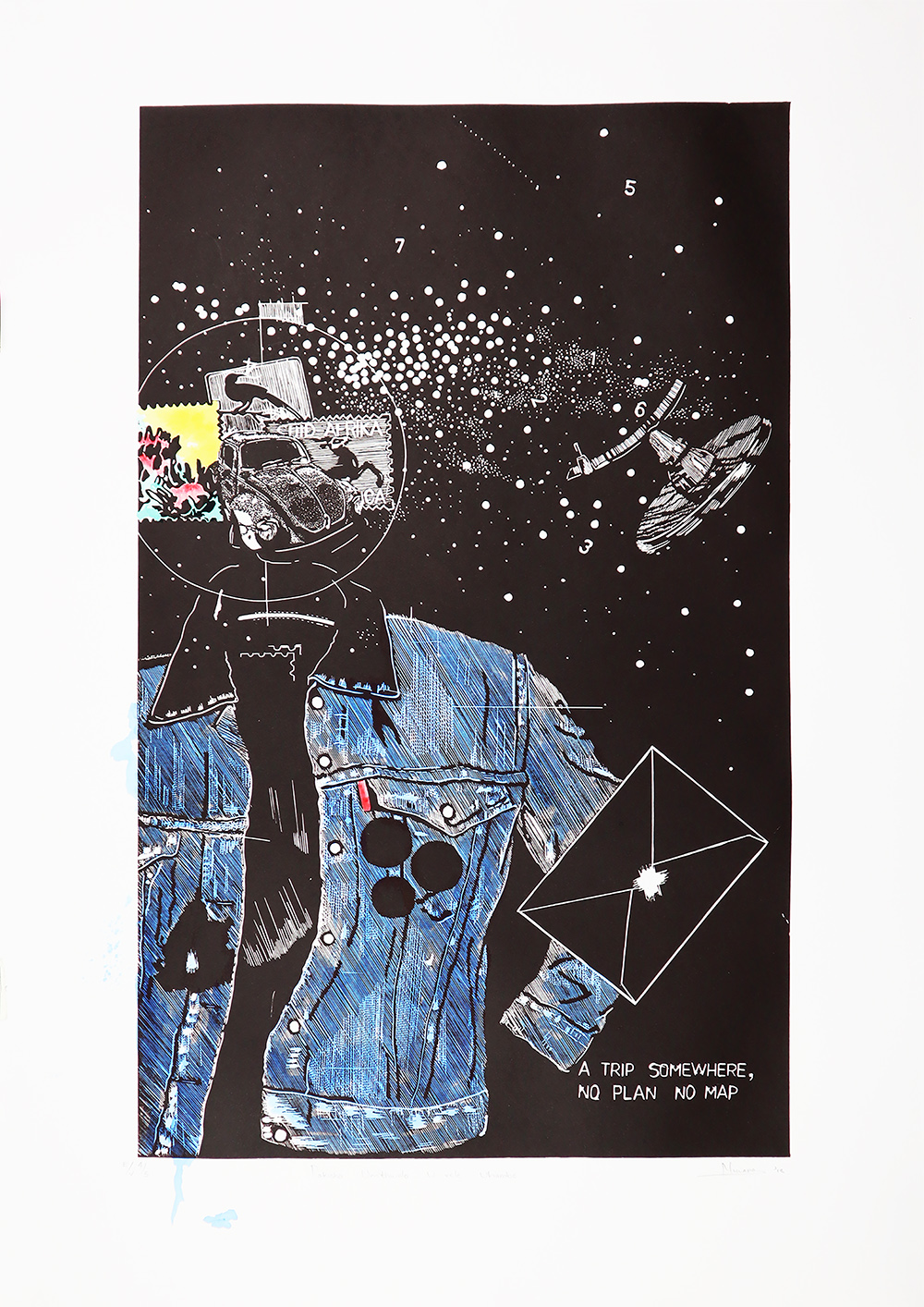
Pakisha Um’thwalo
Linocut
100×70.5cm
2018
Edition of 5
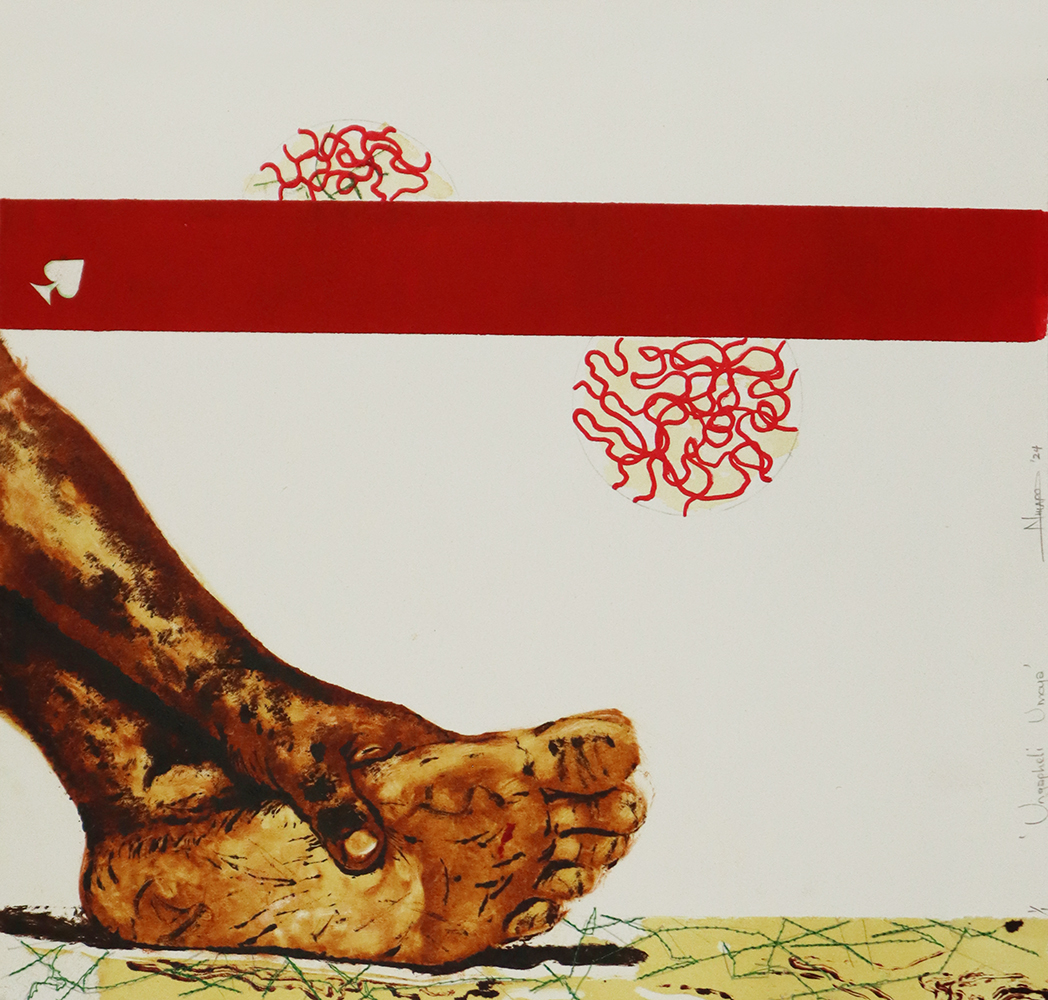
Ungapheli umoya
Mixed medium
37.2cm x 38.8cm
2024
Edition of 1
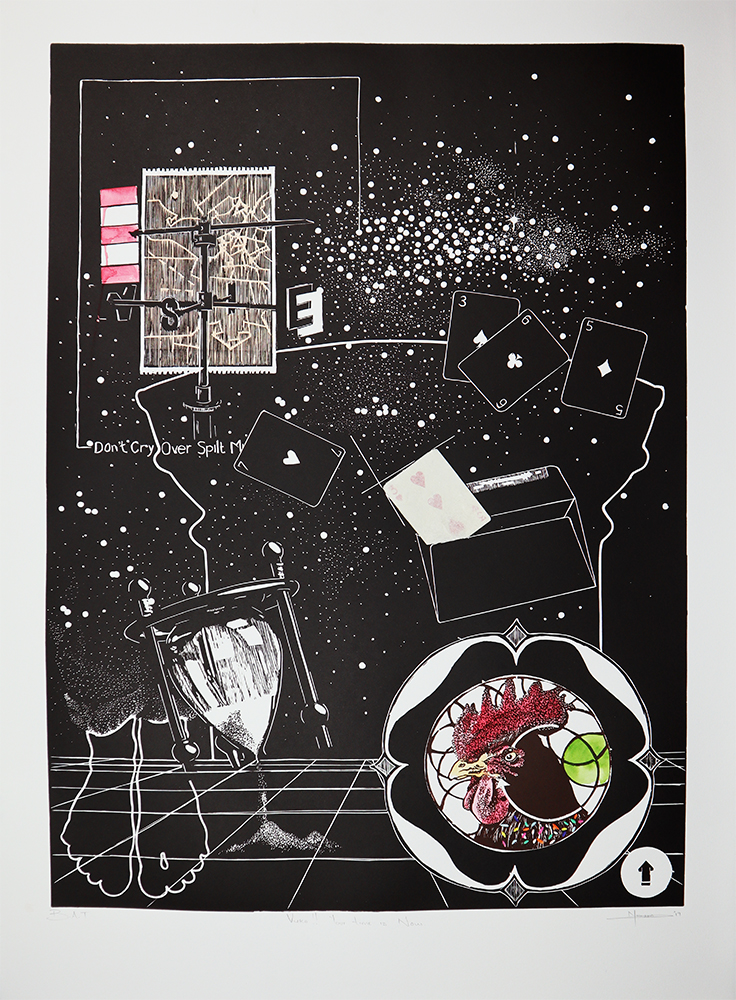
Vuka Your Time Is Now
Mixed Meduim
100x70cm
2019
Edition of 5
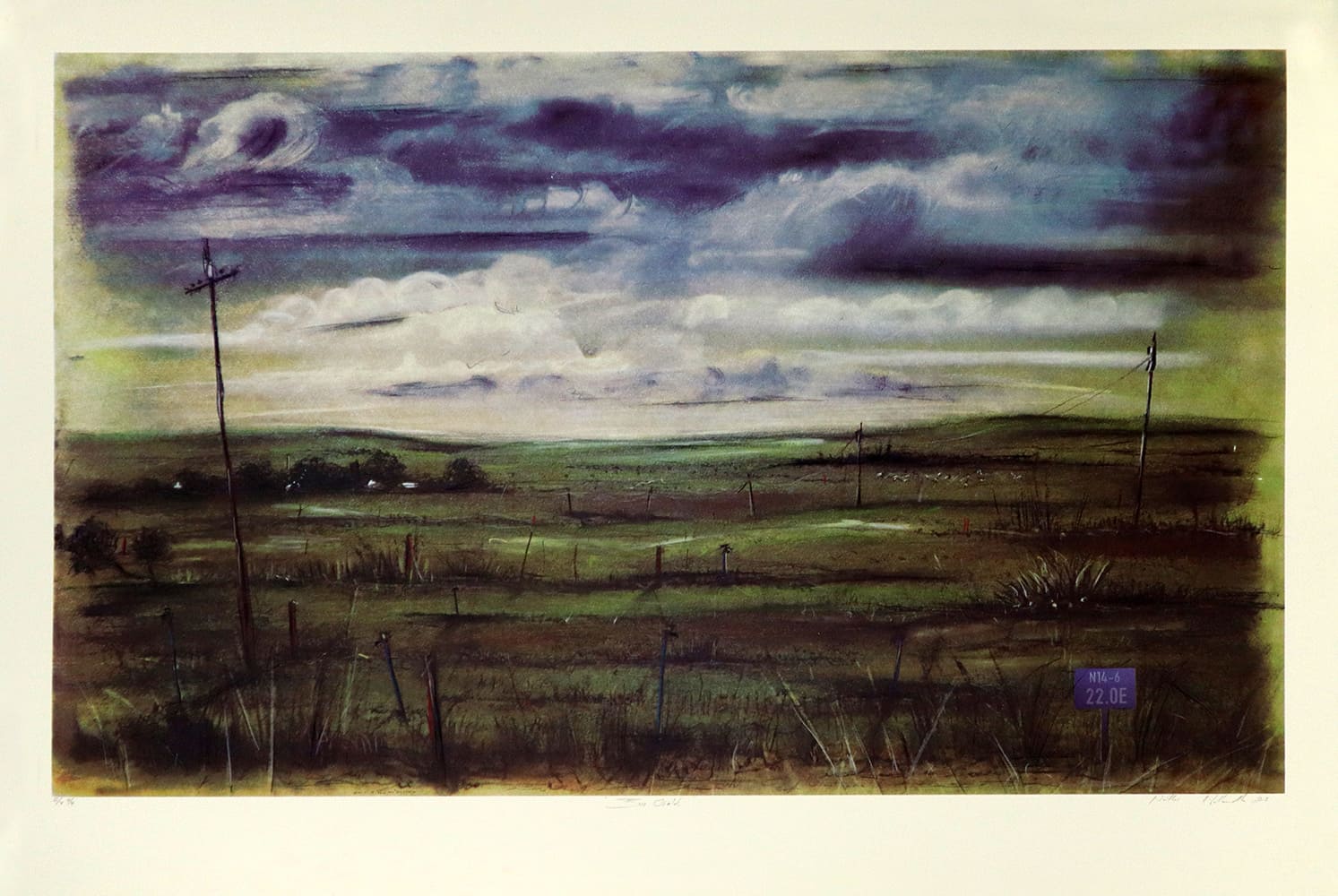
Blue Gold
Screenprint
65.5 x 98cm
2025
Edition 4.4 EV
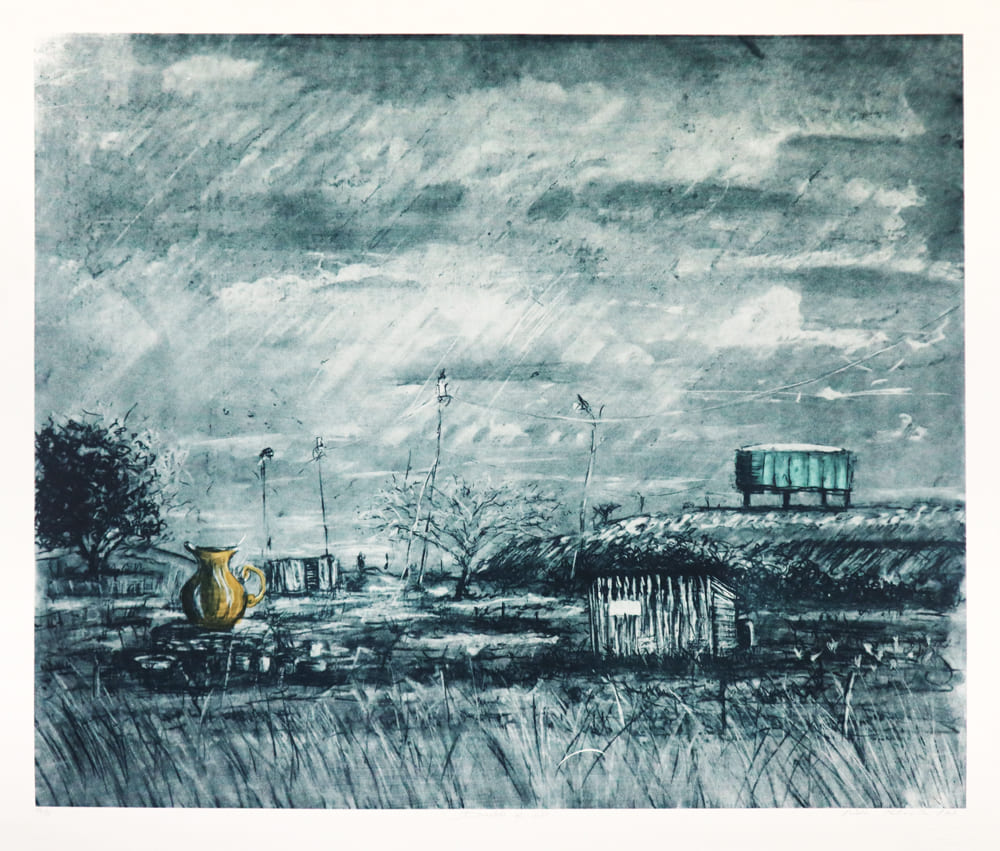
Droplets of life
LIthography
78cm x 90cm
2025
Edition 8.8 EV
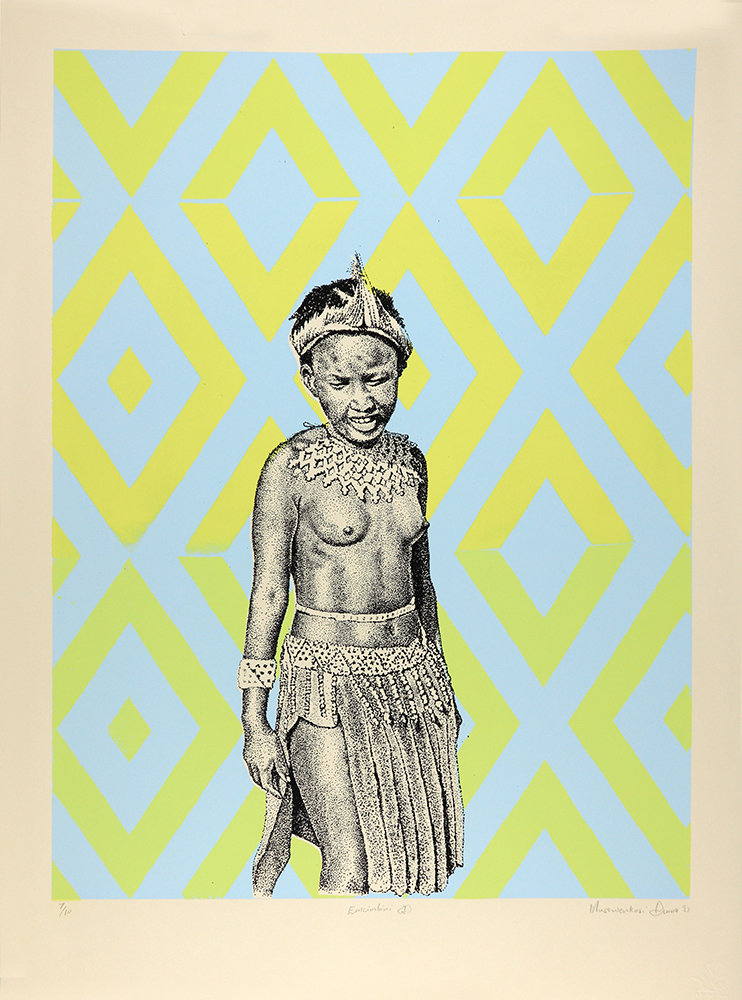
Emcimbini I
Screenprint
87cm x 63cm
2023
Edition 7.10
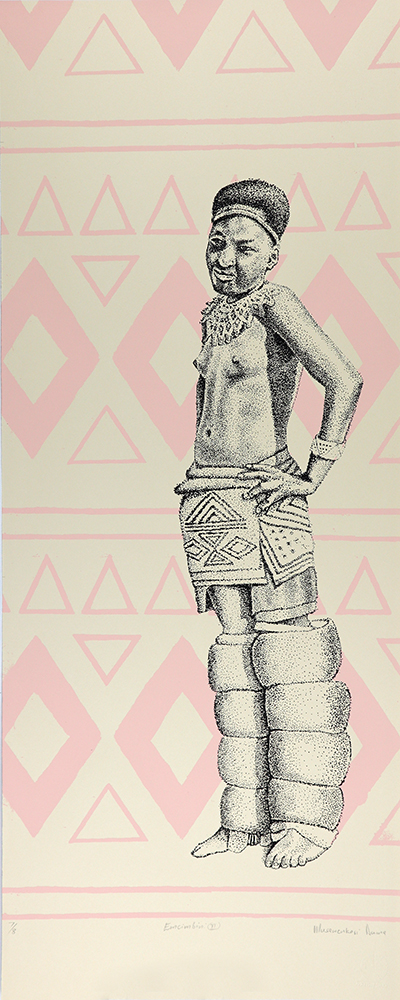
Emcimbini II
Screenprint
87cm x 35cm
2023
Edition 7.8
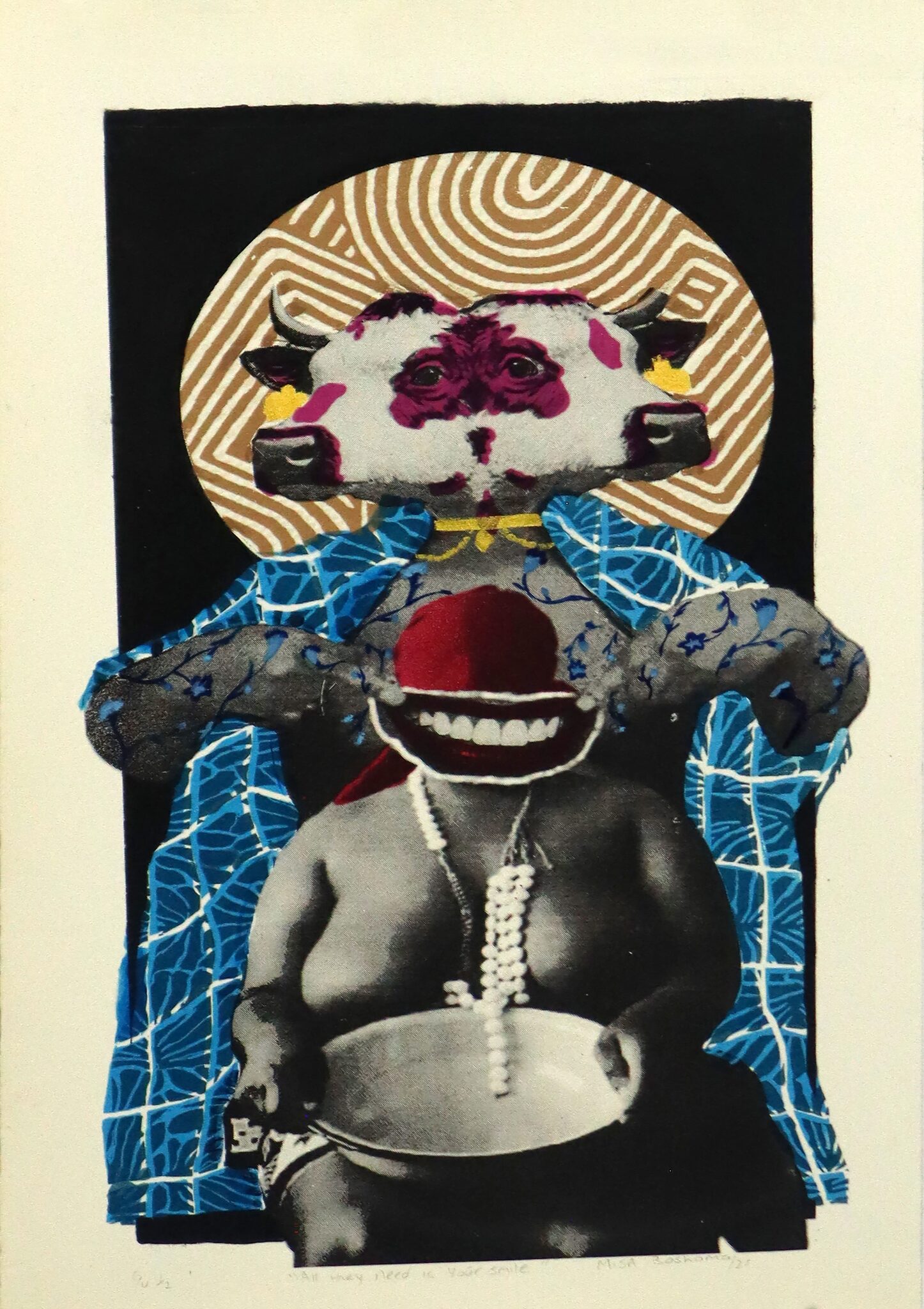
All they need is your smile
Screenprint
48 cm x 33 cm
2025
Edition 1.2
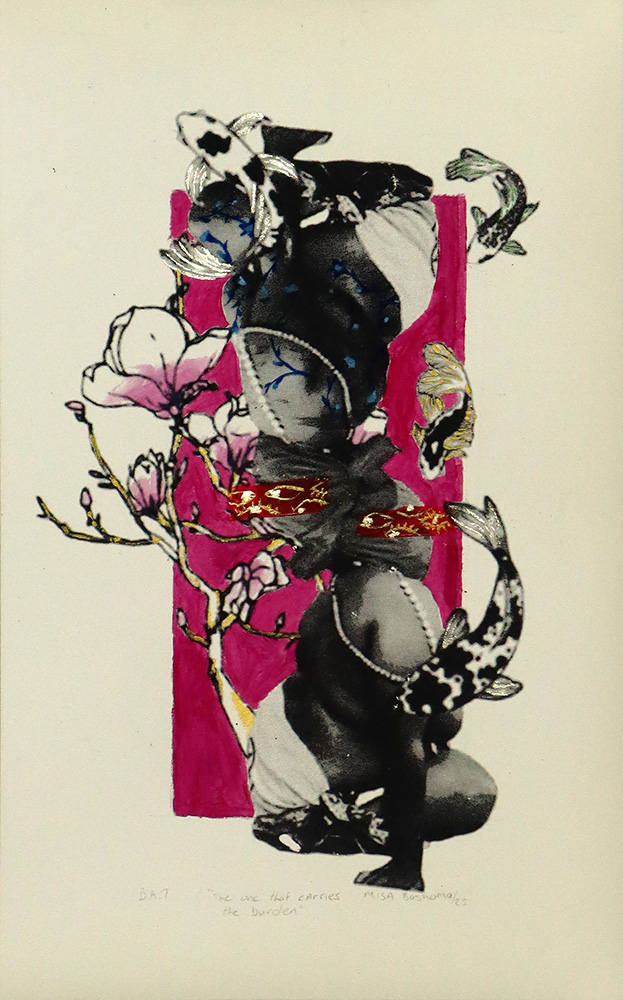
The one that carries the burden
Screenprint
48 cm x 30 cm
2025
Edition B.A.T
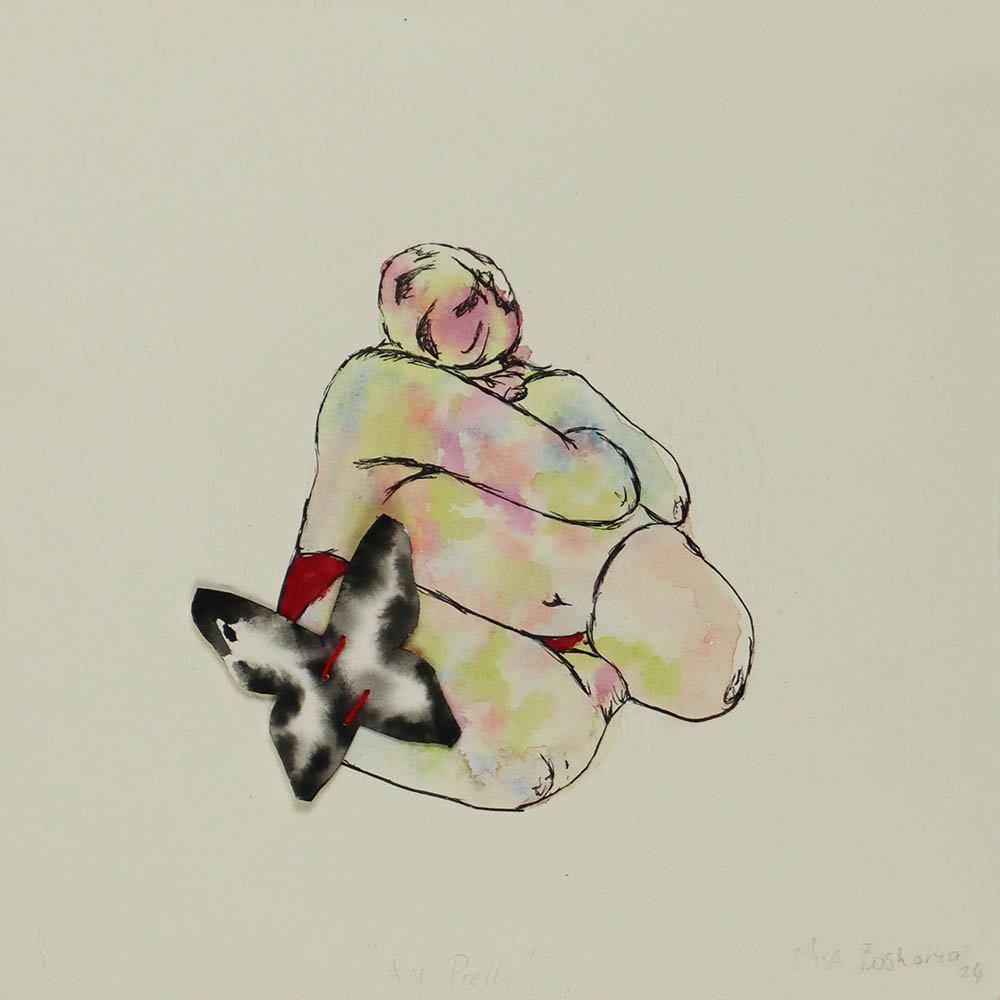
Am pretty
Monotype
23.9cm x 23.9cm
2024
Edition of 1
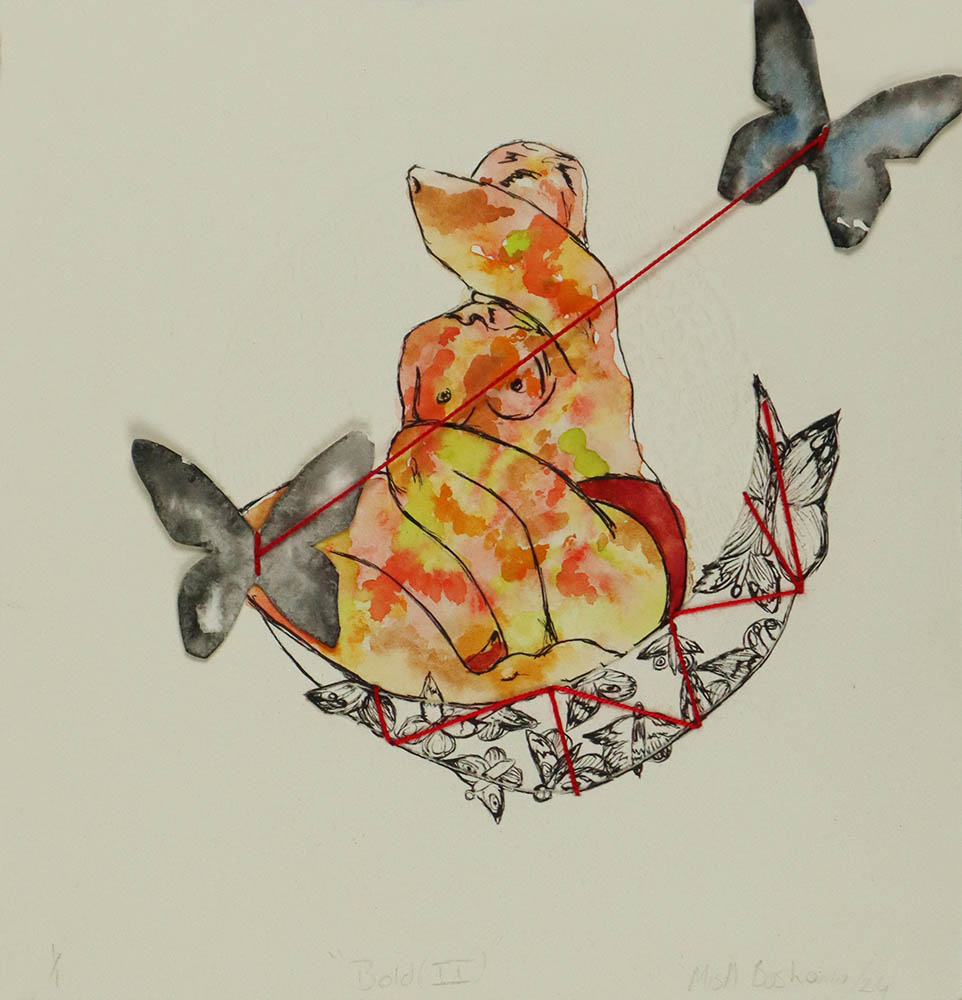
Bold II
Monotype
24cm x 25cm
2024
Edition of 1
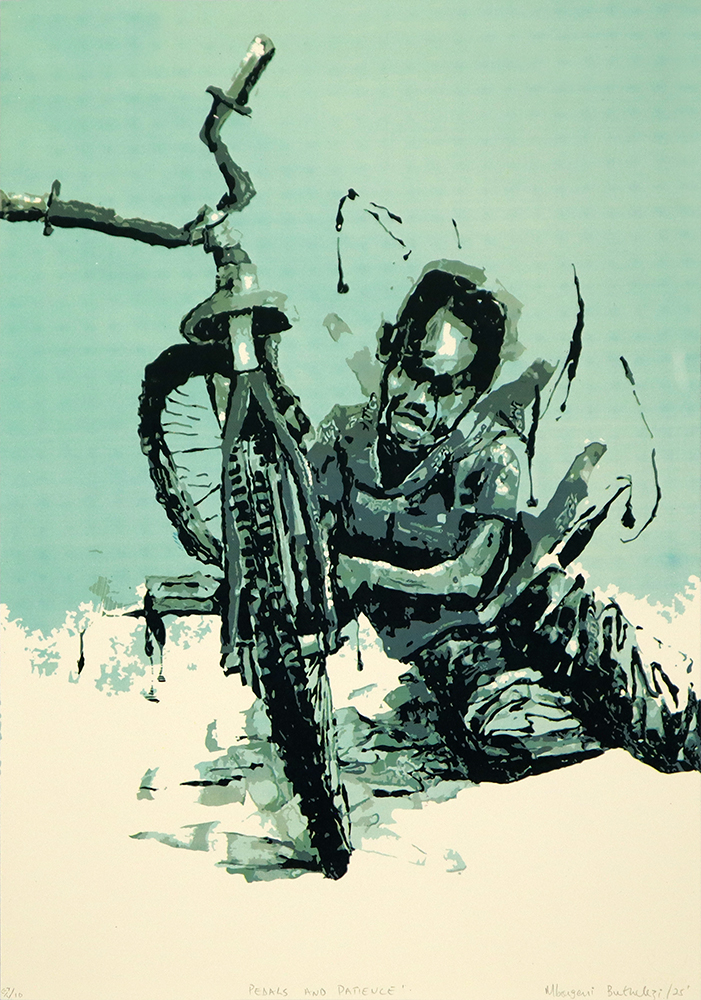
Pedals and Patience
Screen print
60 x 42cm
2025
Edition 7.10 EV
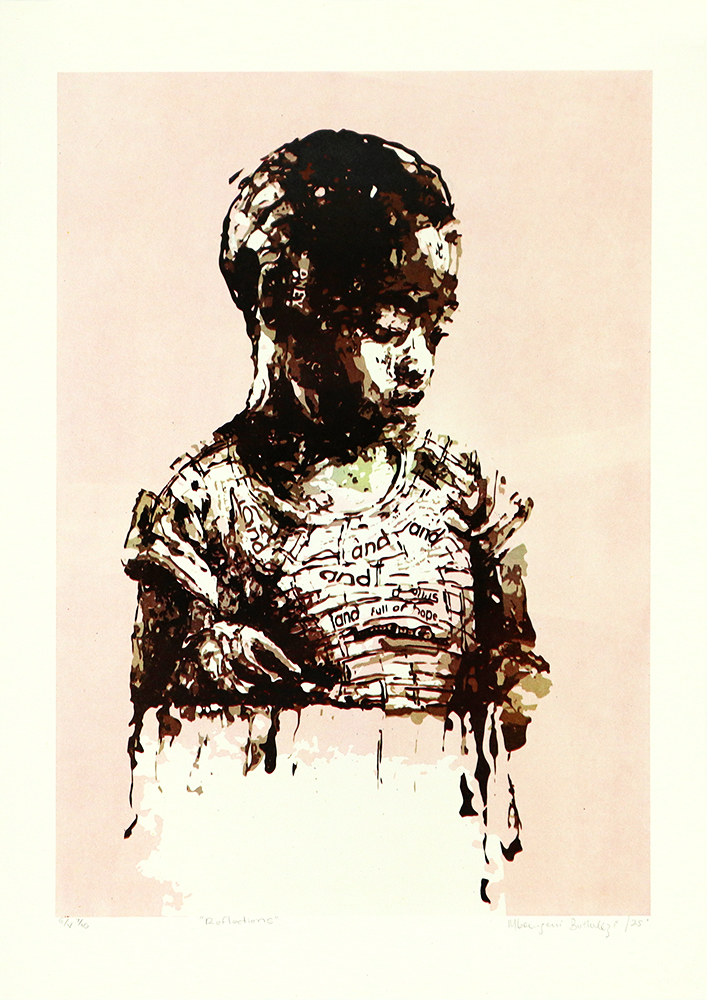
Reflections
Lithography
71cm x 50cm
2025
Edition 7.10 EV
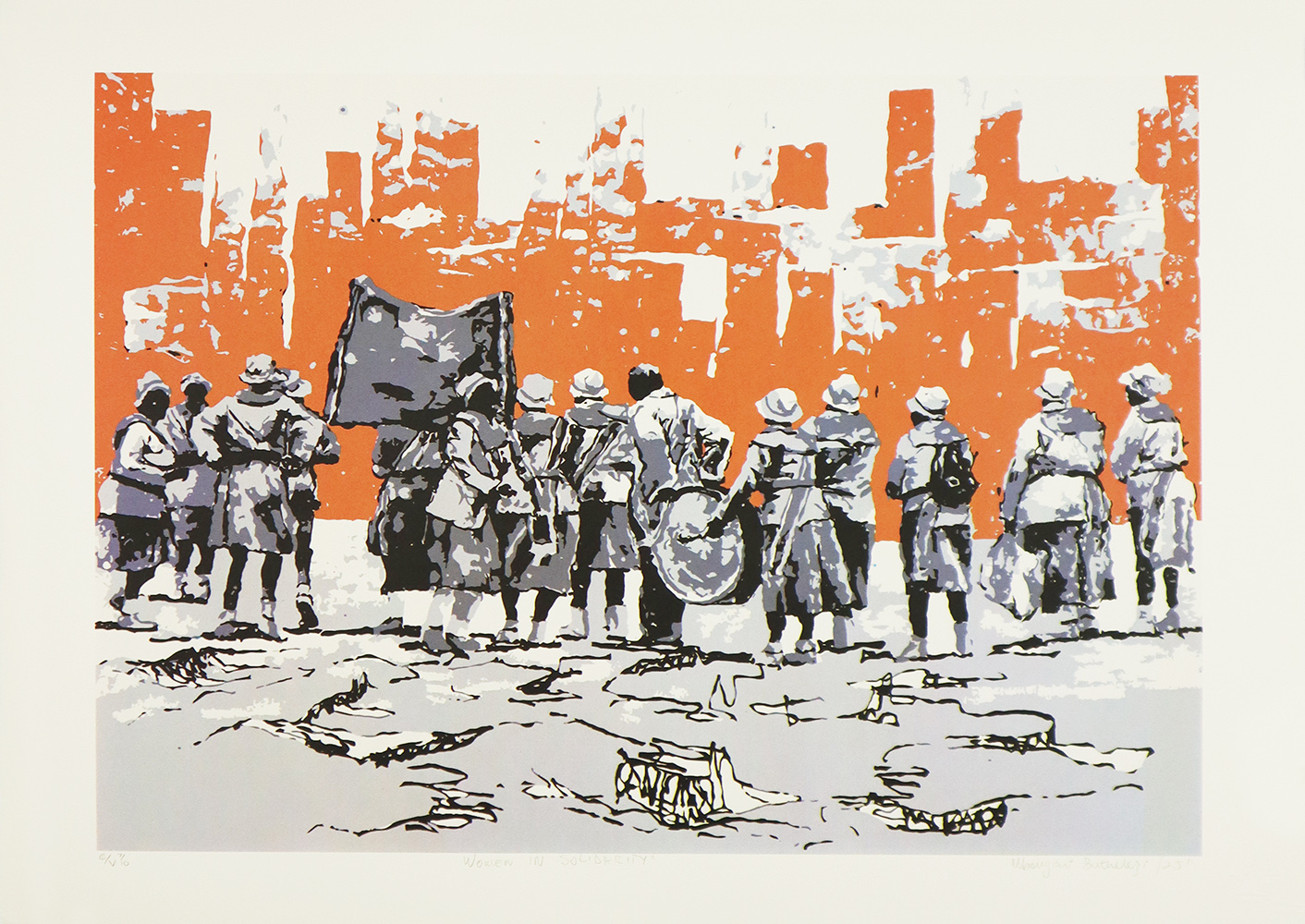
Women in Solidarity
ScreenPrint
50cmx71cm
2025
Edition 7.10 EV
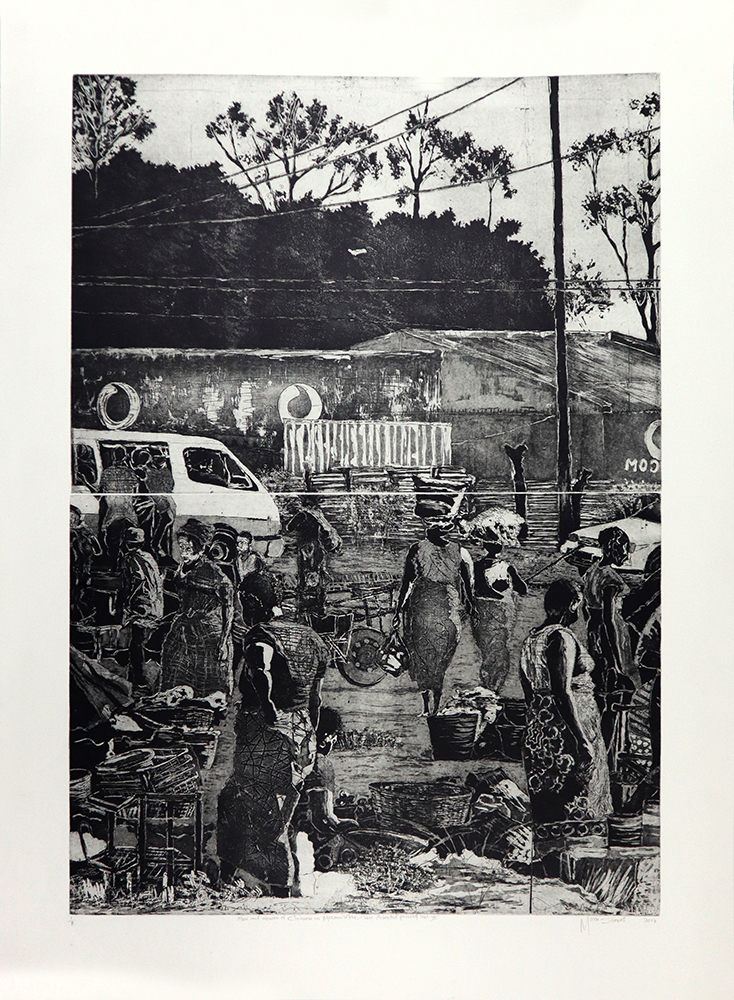
Men and women of chimolo II
Etching
139cm x 102cm
2017
Edition 1.8
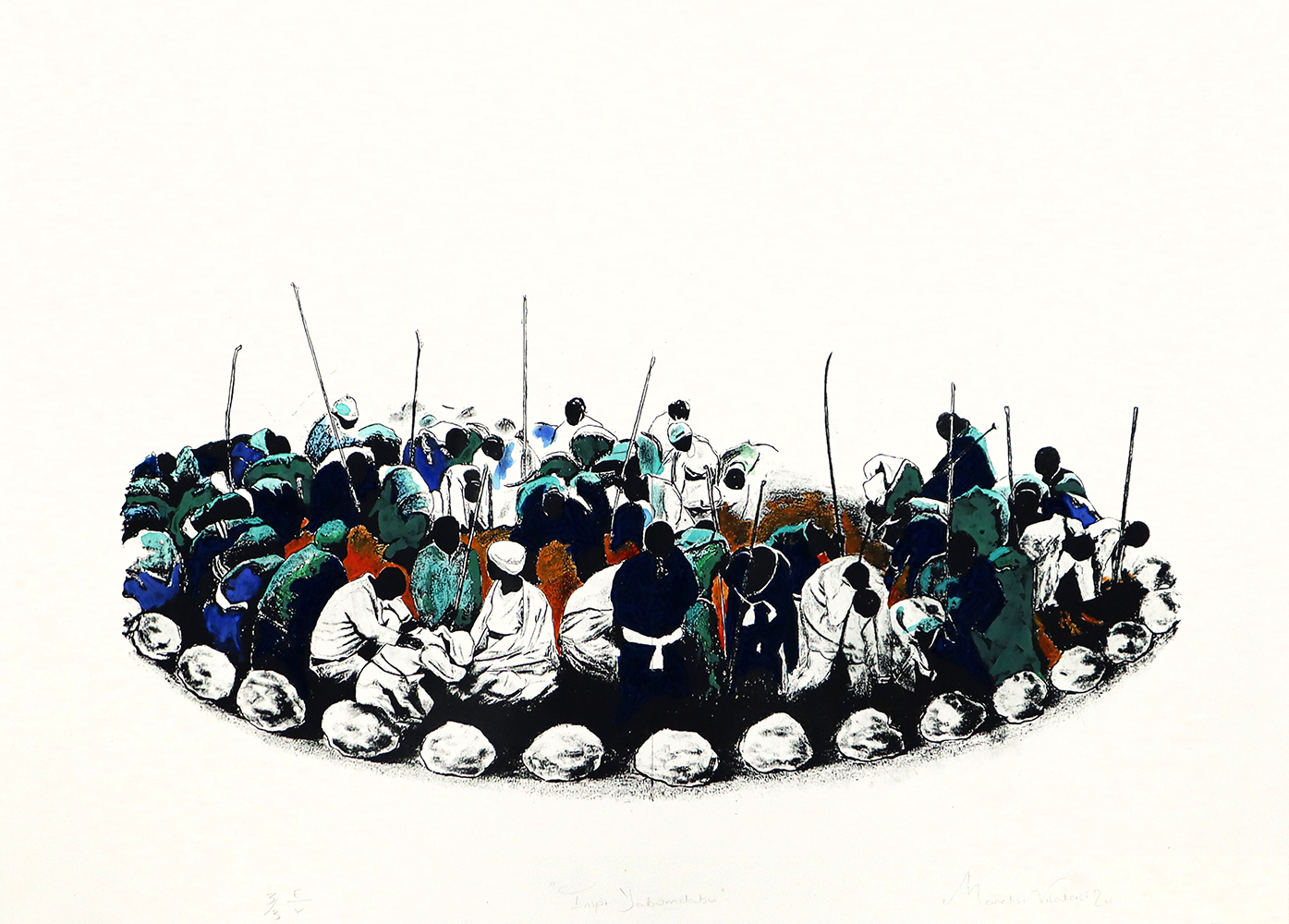
Impi yabomdabu
Lithography
47.9 x 70cm
2024
Edition 3.3 EV
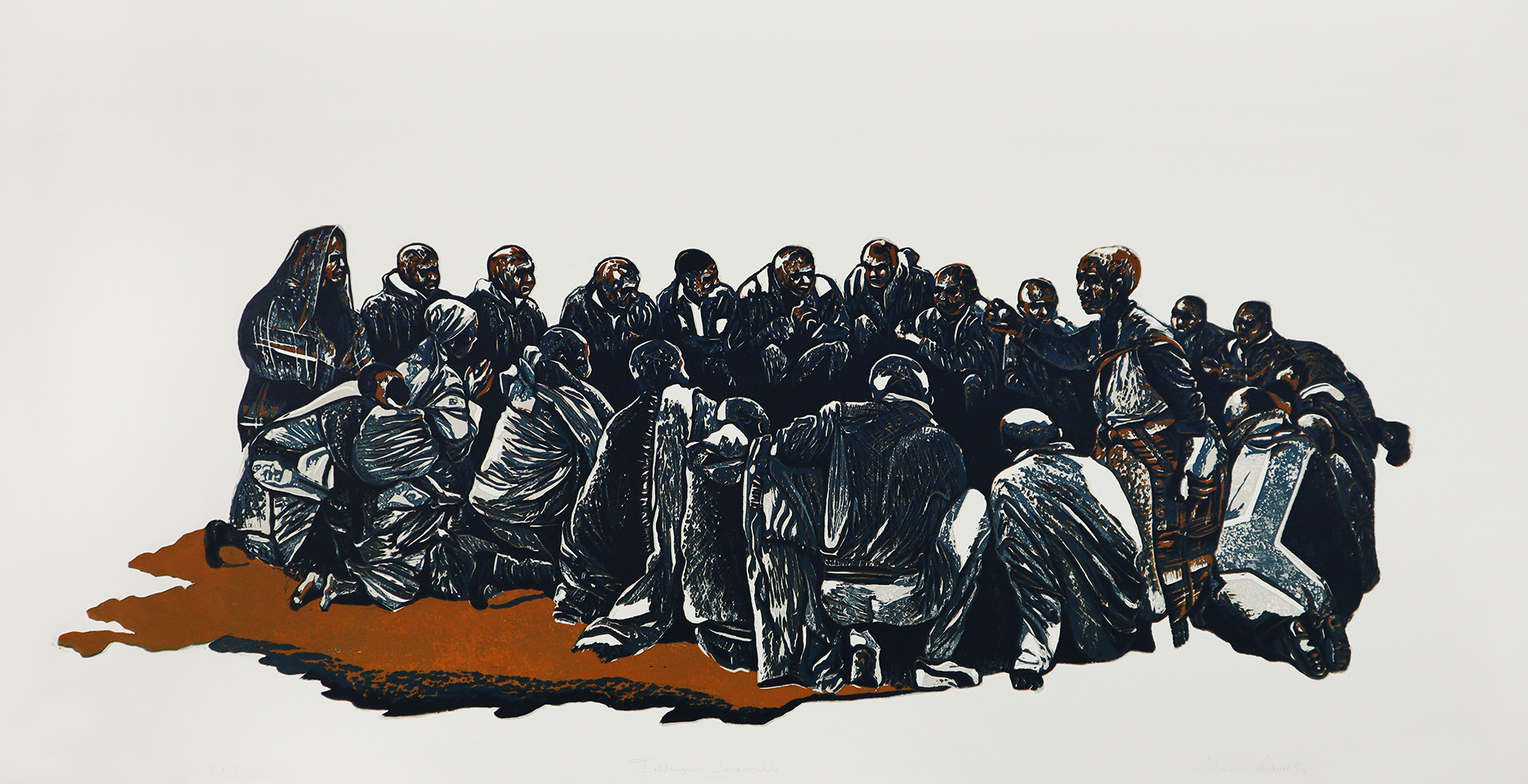
Inhangano yesixazululo
Linocut reduction
50.5cm x 99.8cm
2024
Edition BAT
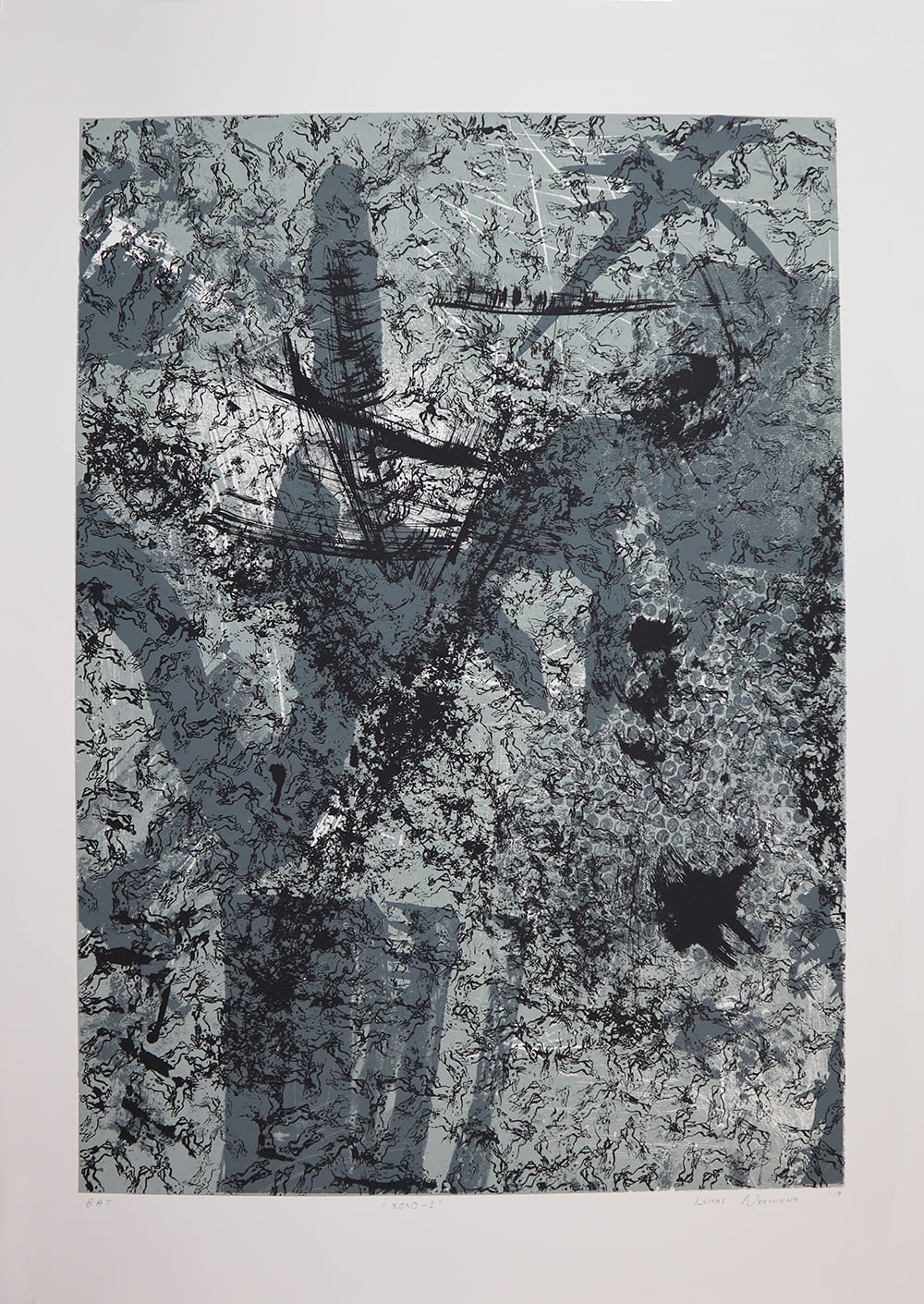
XOXO I
Screenprint
98×70.5cm
2019
Edition of 10
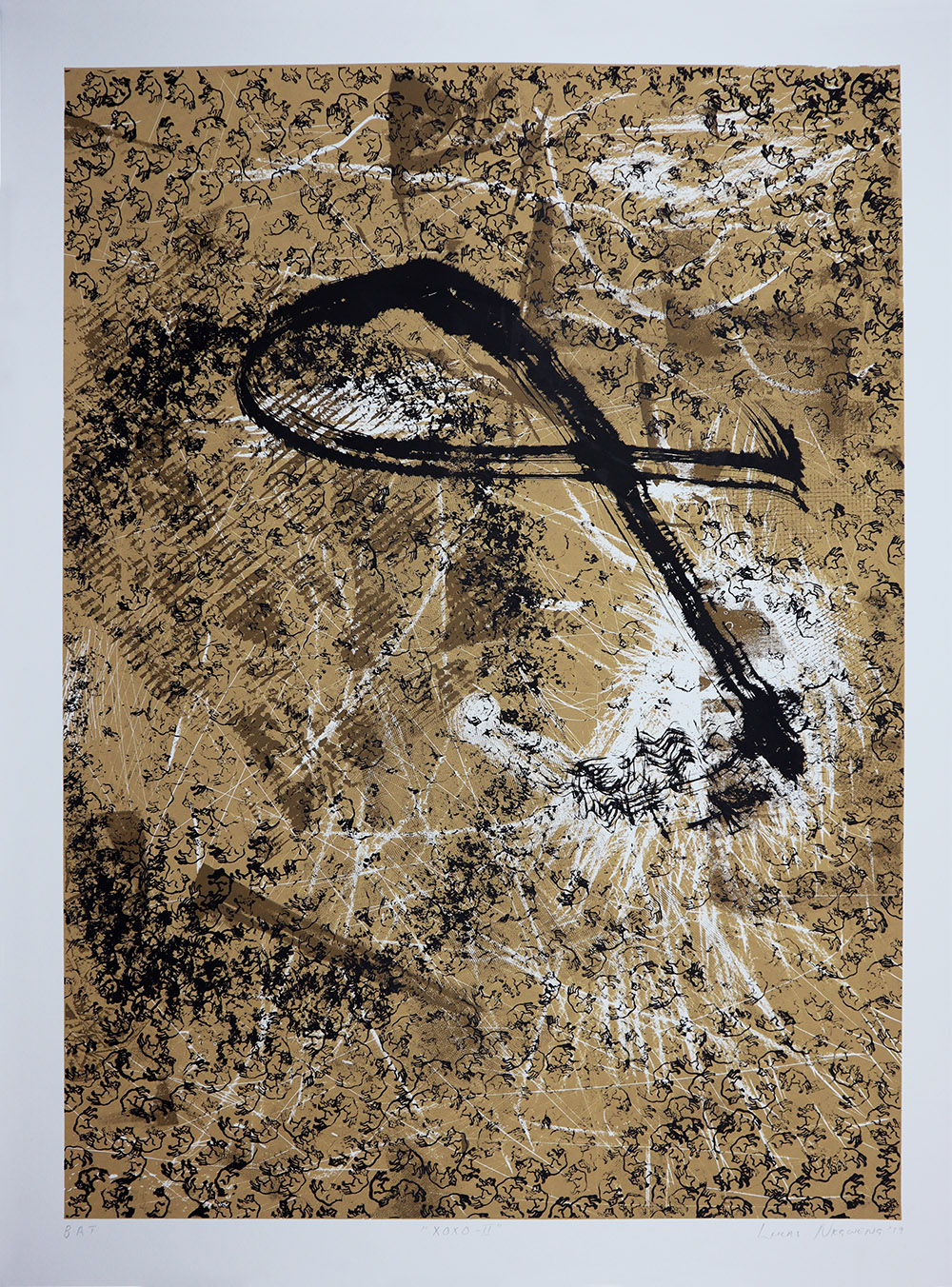
XOXO II
Screenprint
98×70.5cm
2019
Edition of 10
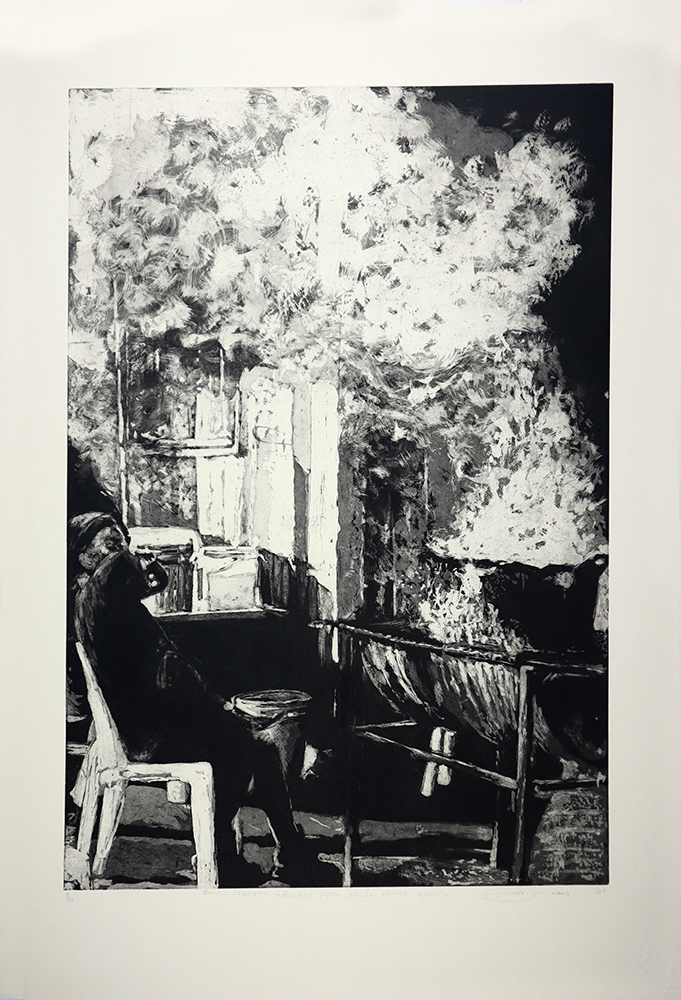
Awuthi ngikhiphe leskhokho ngizo pheka olunye uphuthu
Etching
85x61cm
2023
Edition 7.10
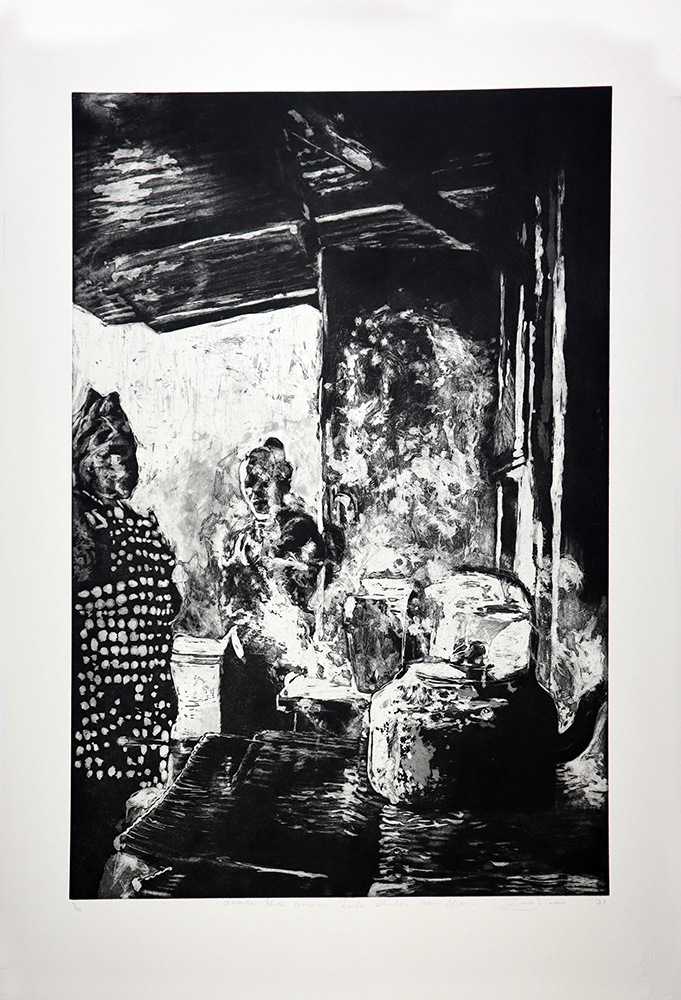
Awaka shisi lamanzi kade elindile ama customa
Etching
85x61cm
2023
Edition 7.10
Usimangaliso
Linocut
48.4x76cm
2018
Edition of 10
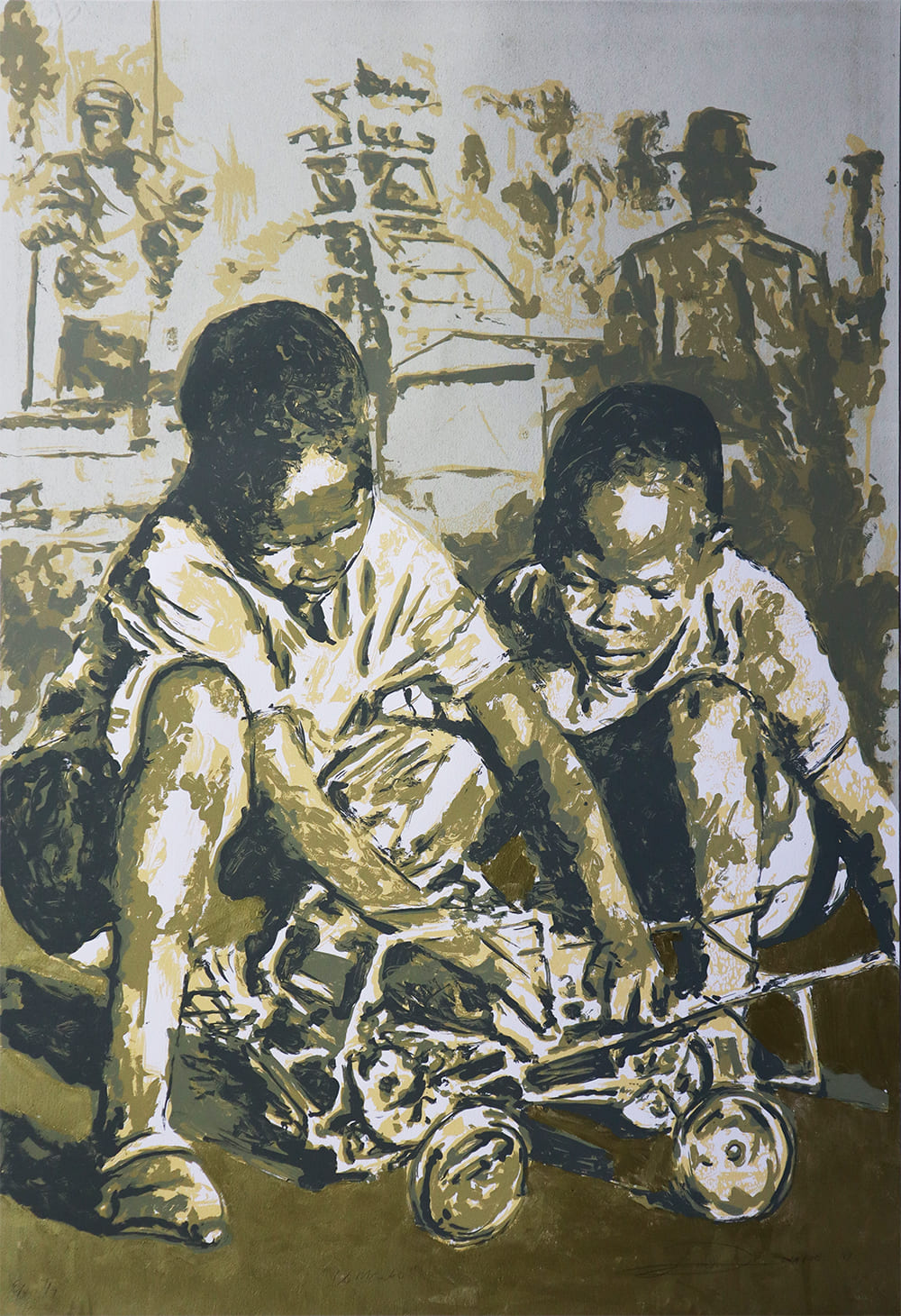
Umcebo
Silkscreen
75×110.5cm
2019
Edition of 7
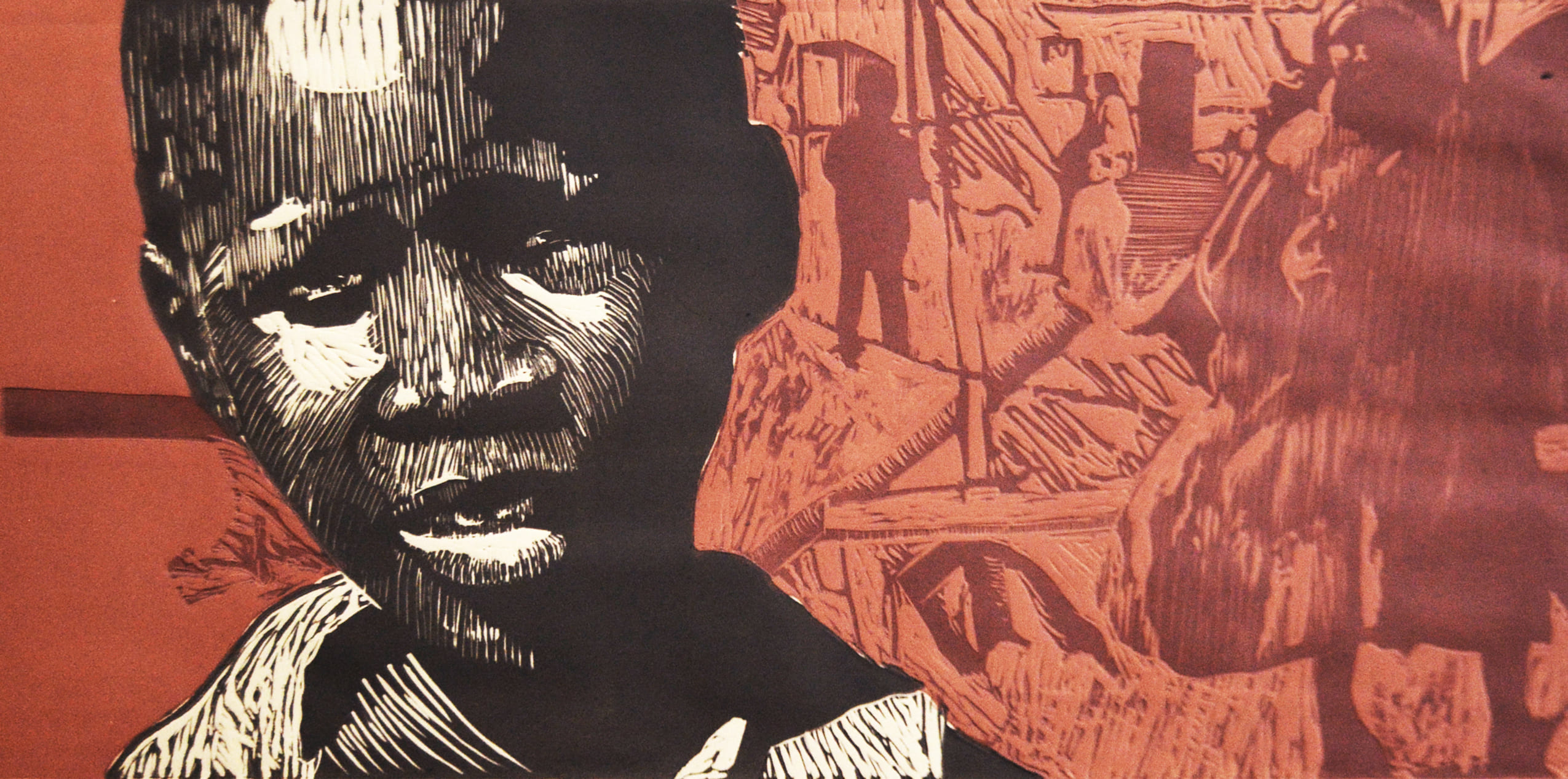
Isithunzi Sakhe
Linocut
48x76cm
2018
Edition of 10
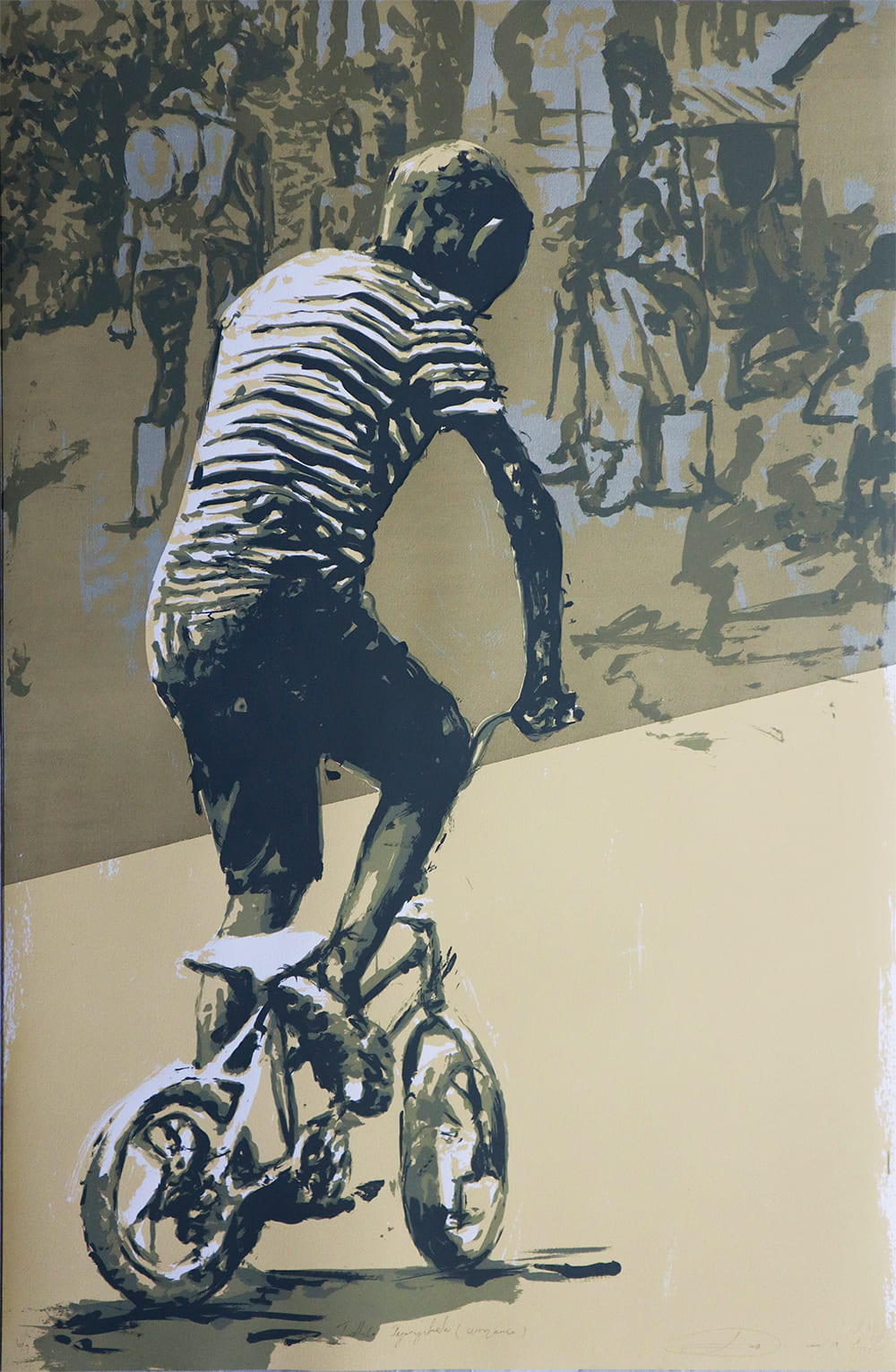
Indlela Iyanyukela Umqansa
Screenprint
110×74.5cm
2020
Edition of 7
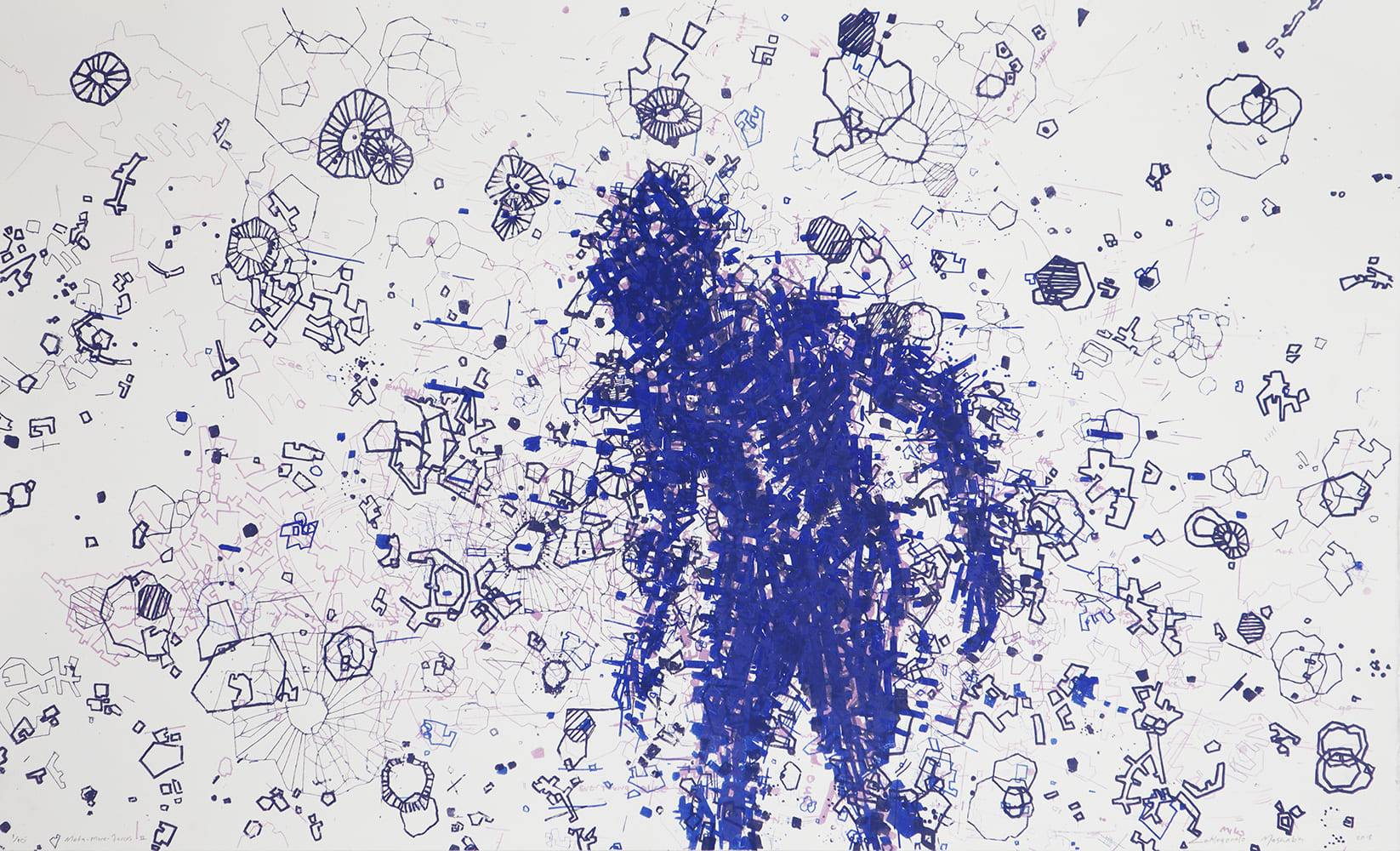
Meta More Force II
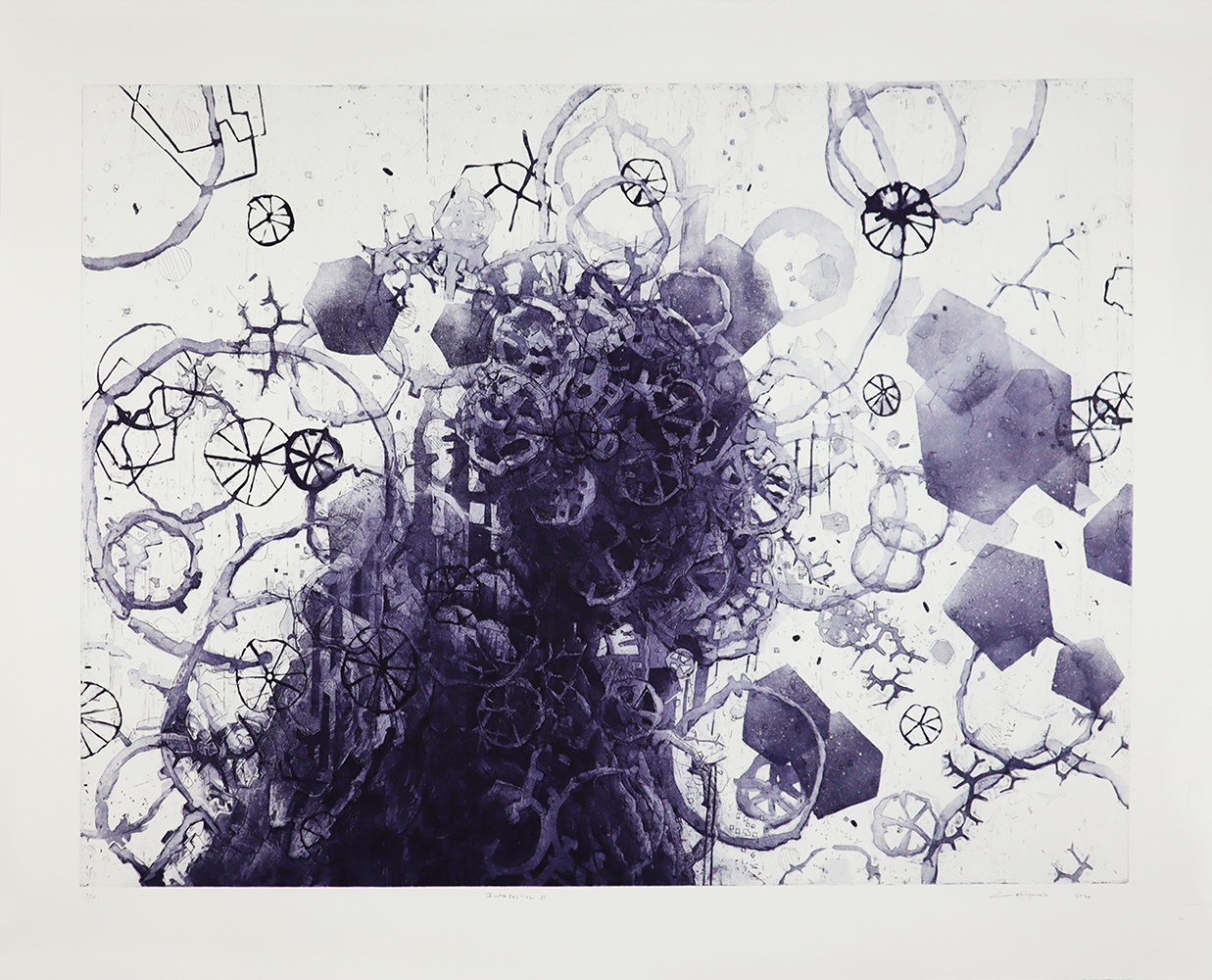
Intersection 2
Etching
72.5cm x 91cm
2023
Edition 7.10
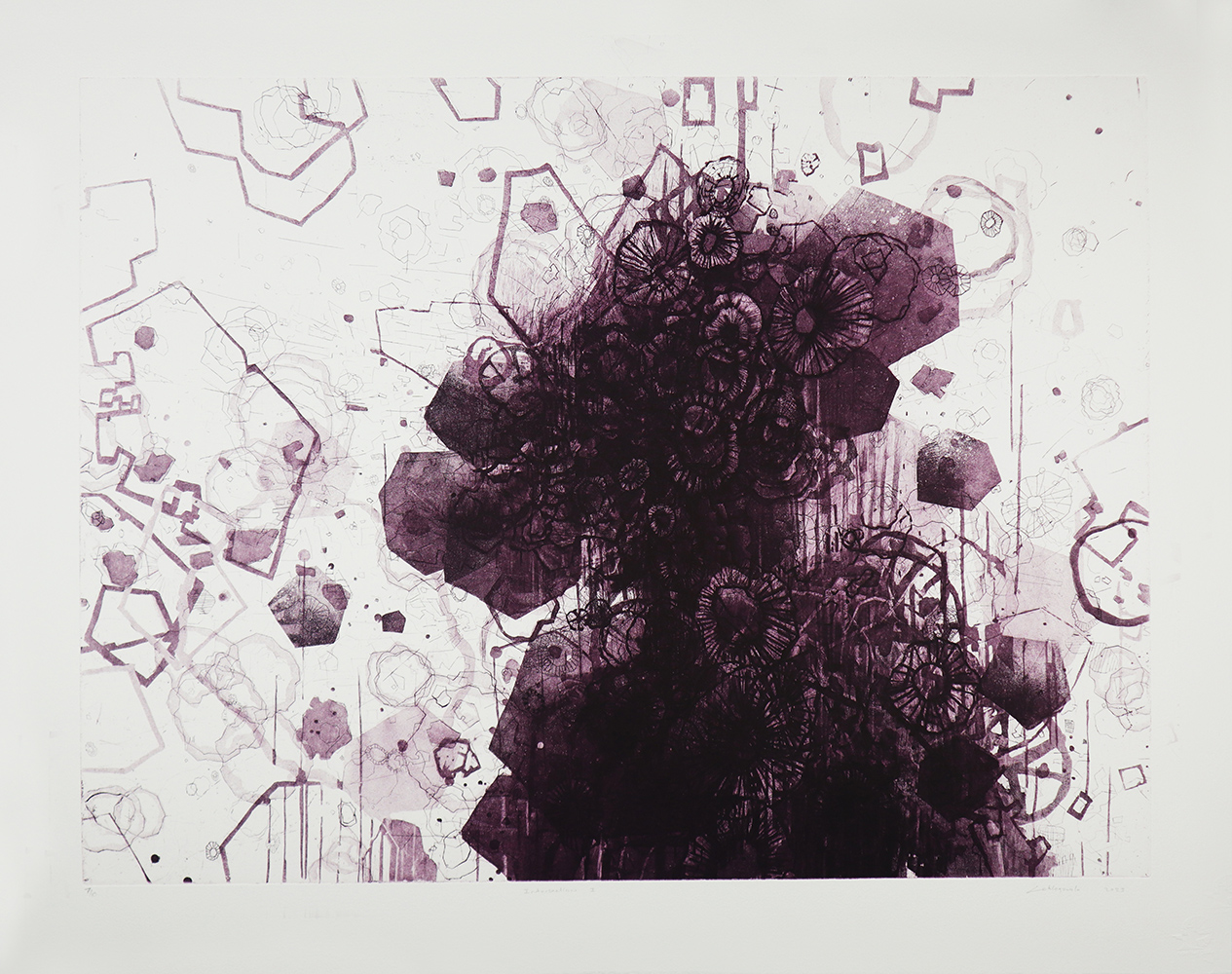
Intersection I
Etching
72.5x91cm
2023
Edition 7.10
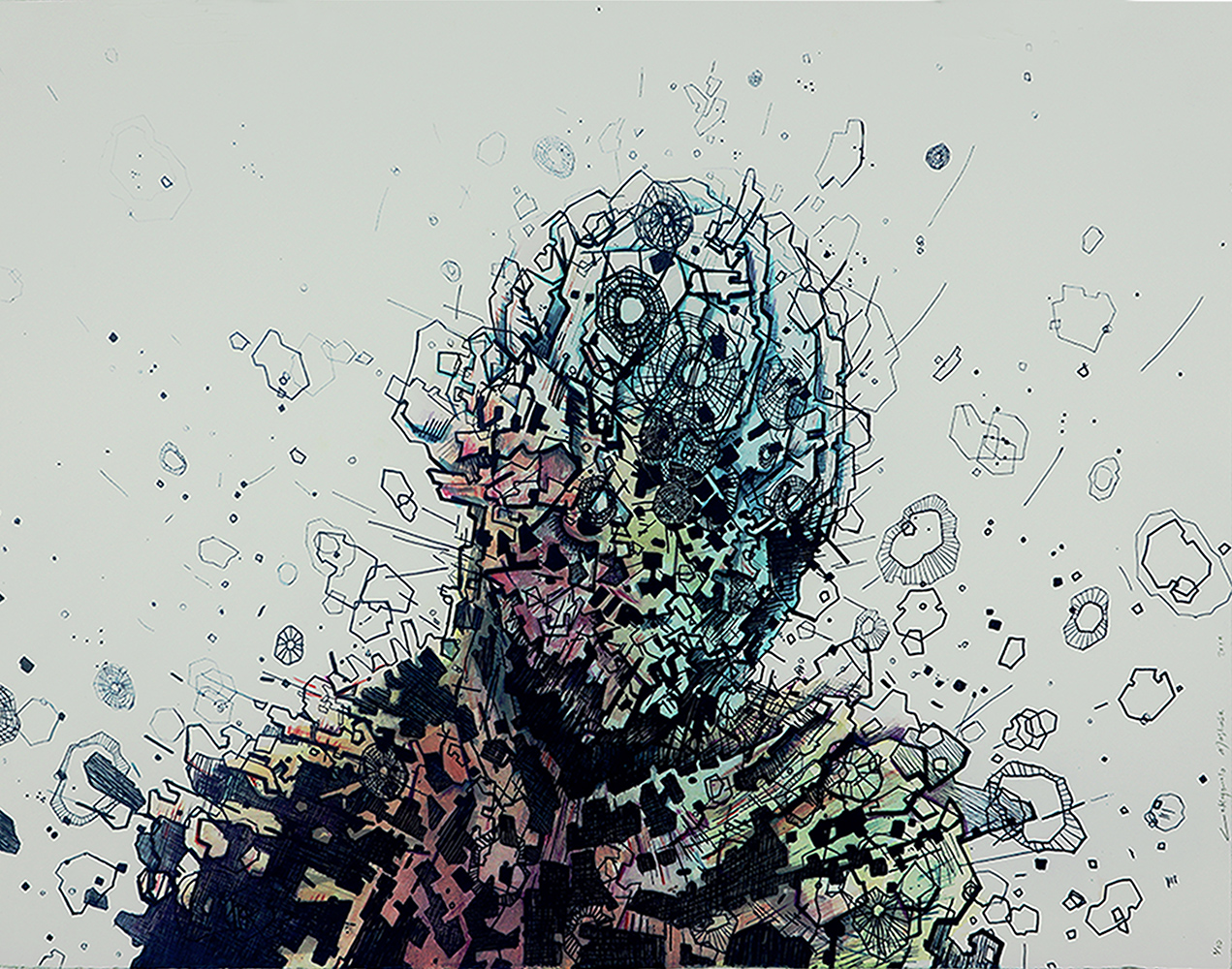
Right View Untitled
40x50cm
2019
Edition of 10
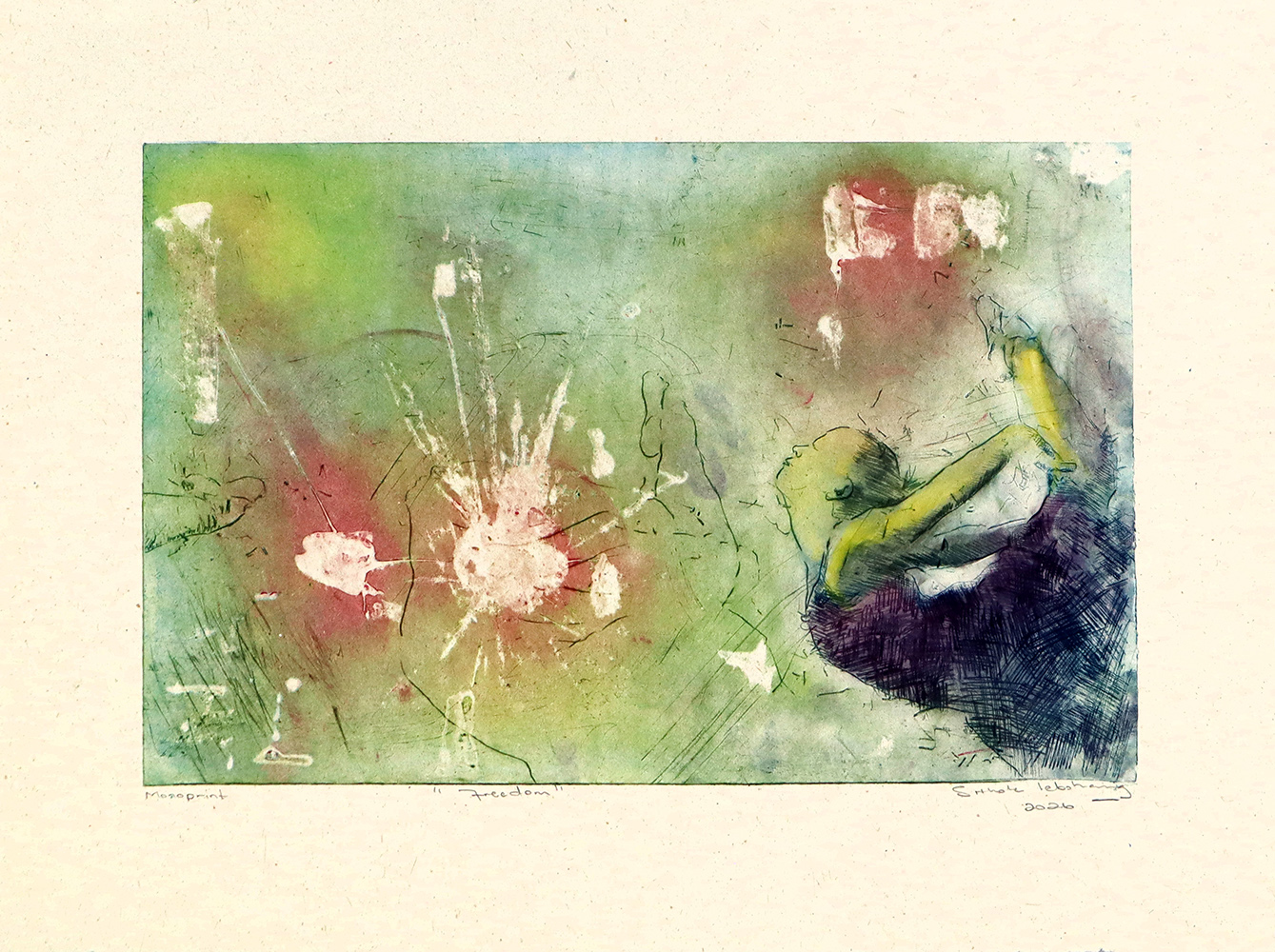
Freedom
Monotype
39.3 x 52.8cm
2026
Edition 1 of 1
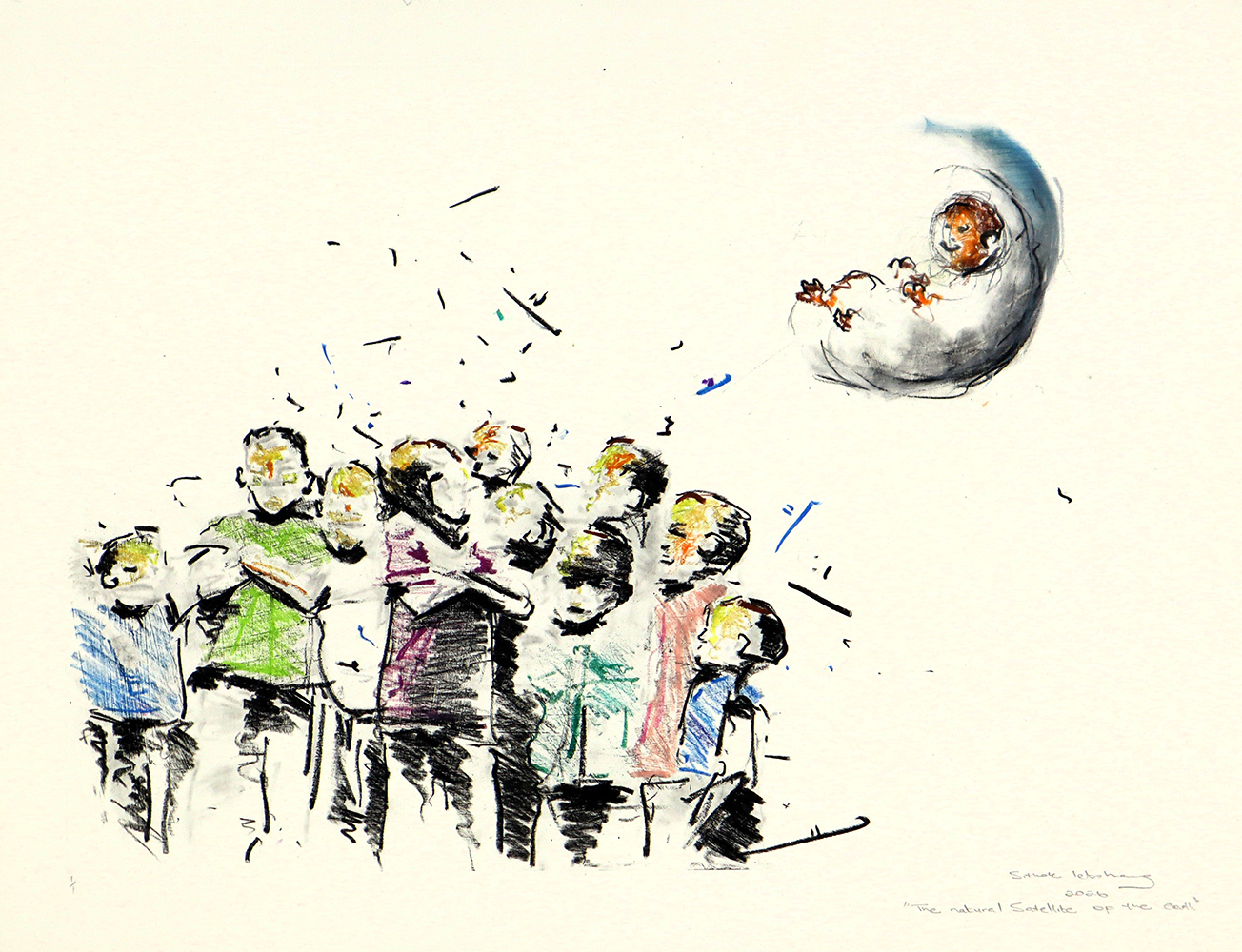
The natural satelite of the earth
Monotype
49.8 x 64.5cm
2026
Edition 1 of 1
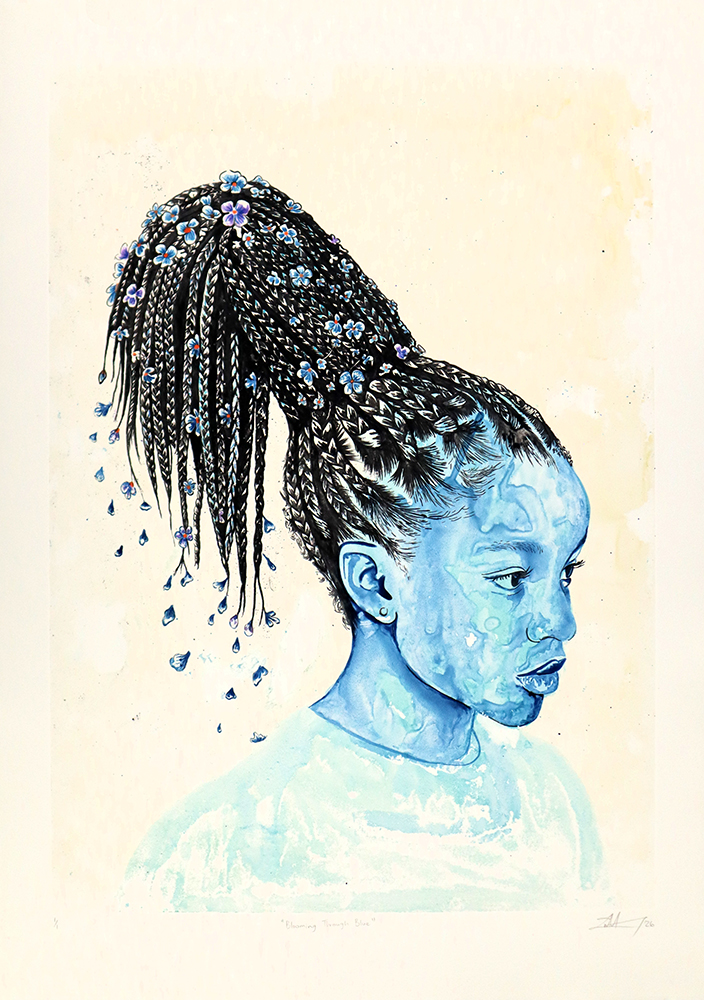
Blooming through blue
Watercolour Monotype
70.5 x 49.9cm
2026
Edition 1 of 1
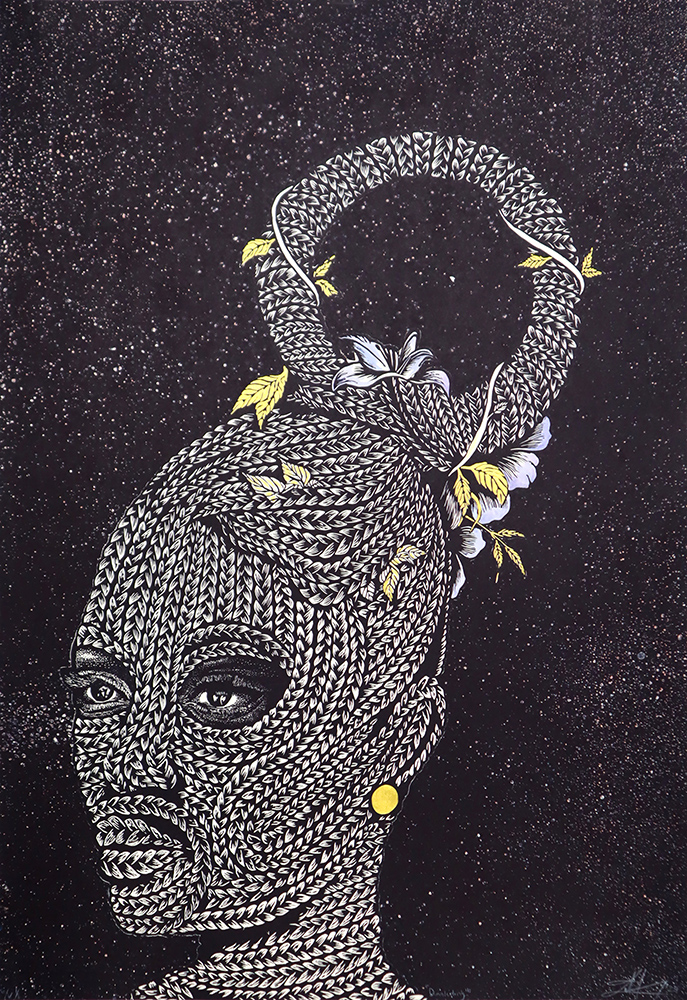
Dinaleding
Linocut
98cm x 68.5cm
2024
Edition 1.8ev
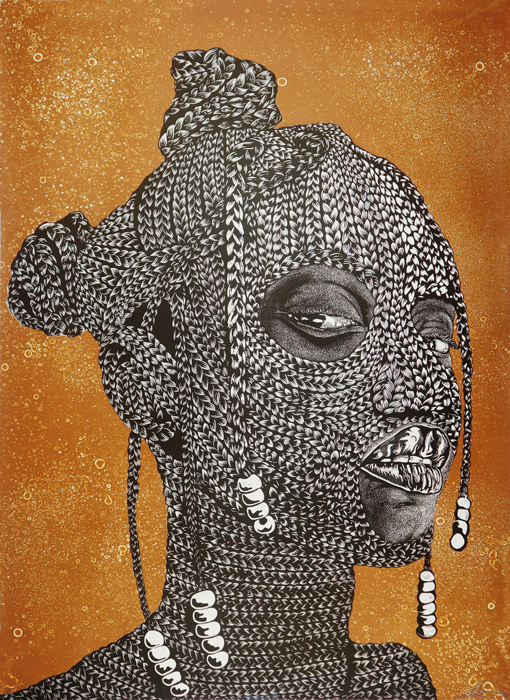
Essence II
Linocut
149cm x 105.5cm
2023
Edition 6.6
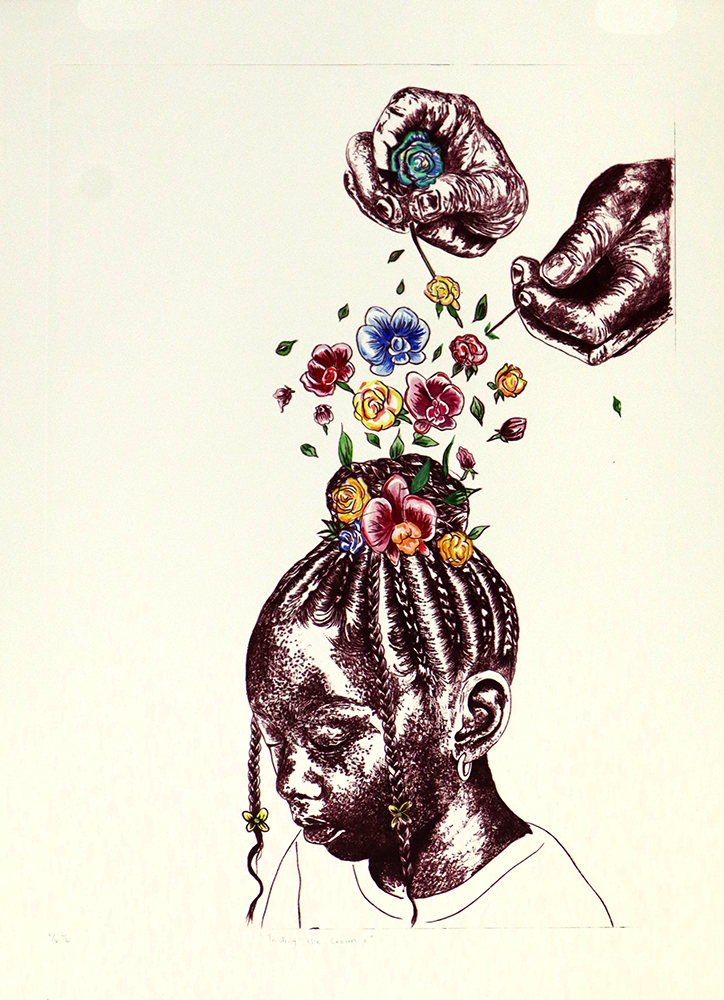
Tending the crown II
Drypoint handcolouring
68.2 x 49.3cm
2026
Edition 2.6 EV
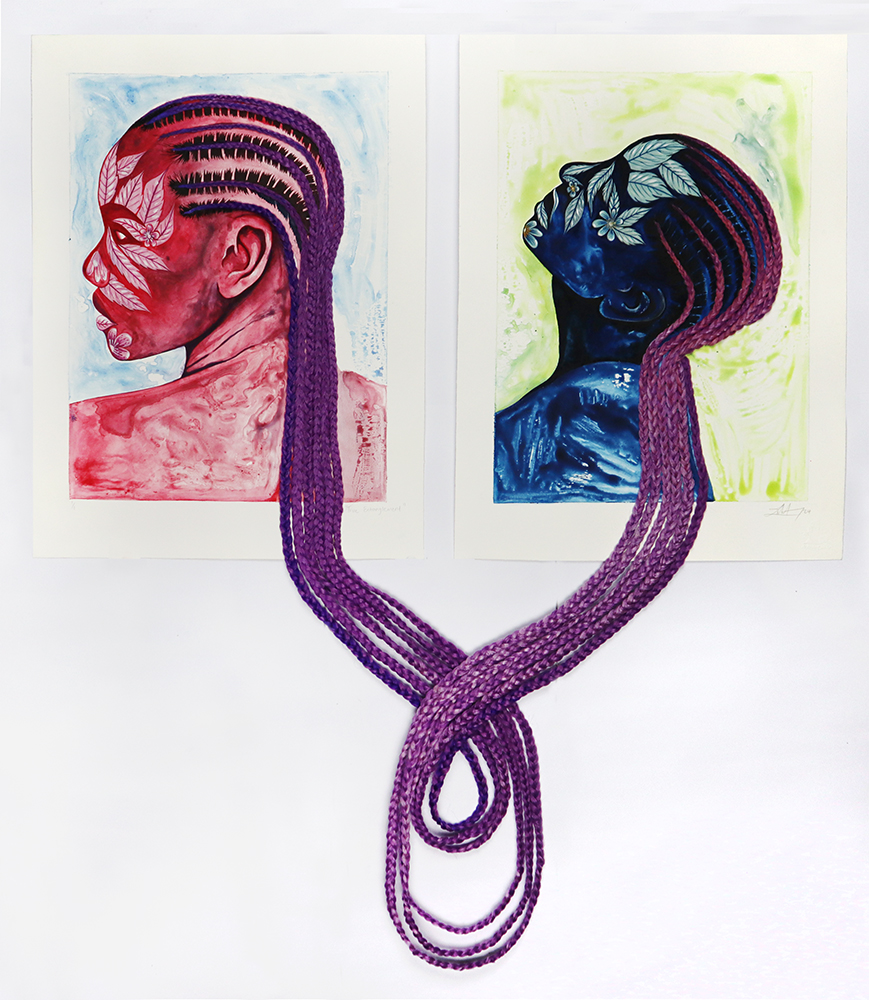
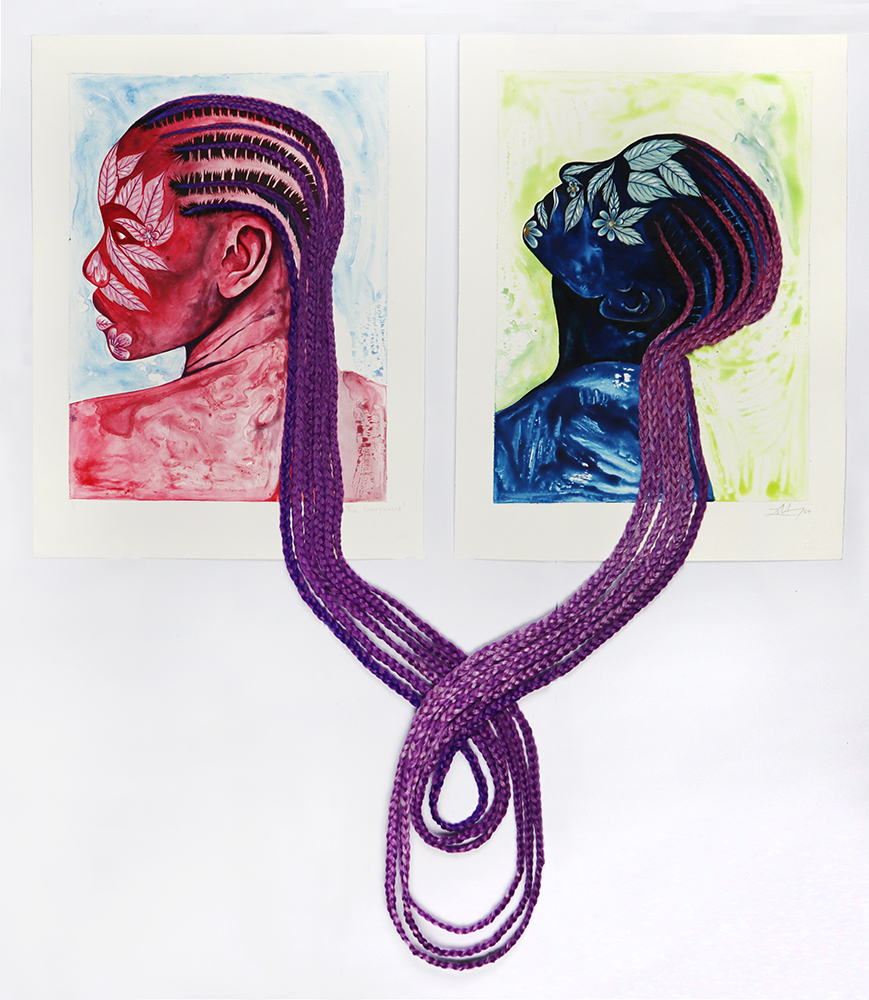
True entanglement
Watercolour Mono
49cm x 74cm
2024
Edition of 1
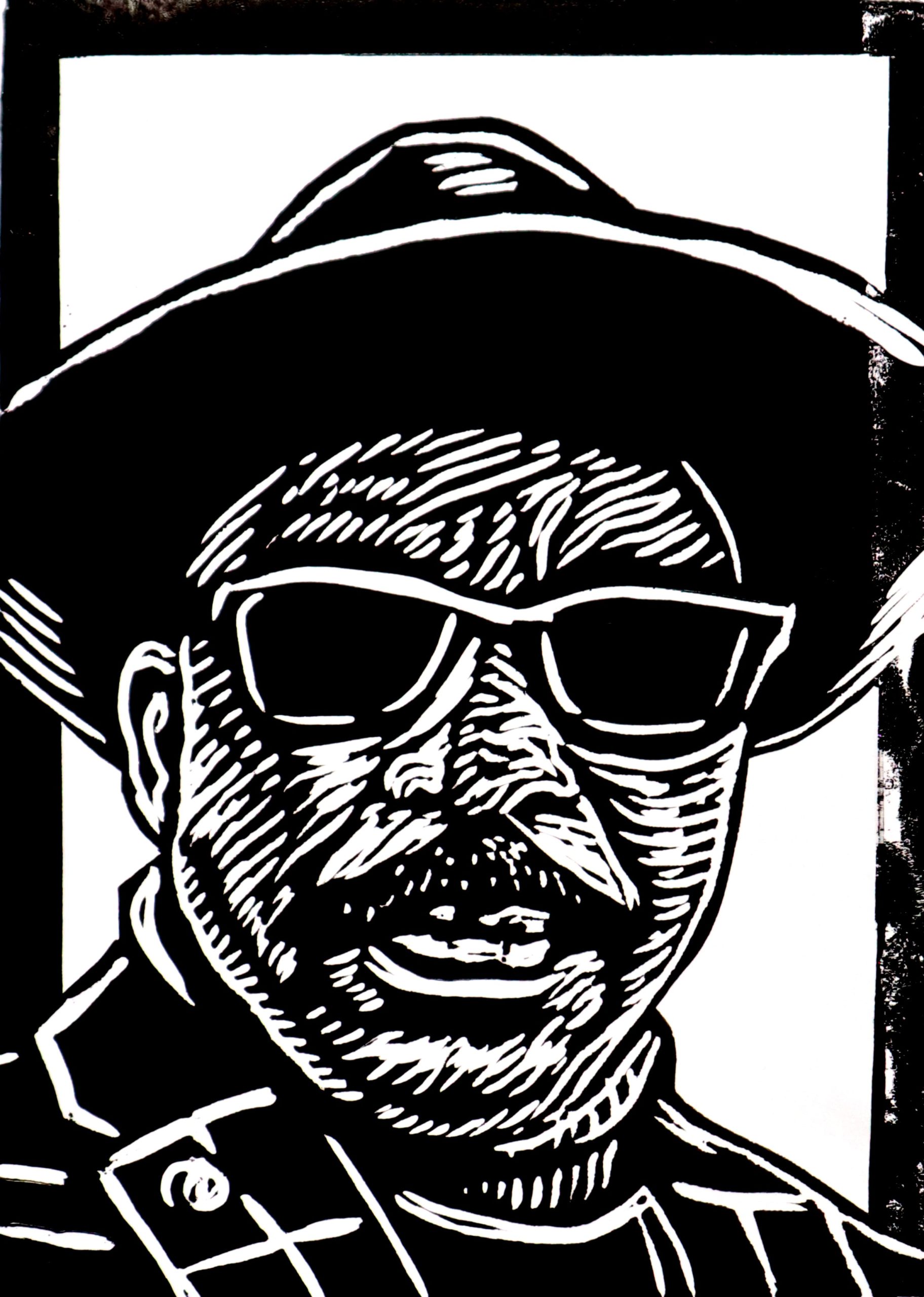
Khumo Ramaila
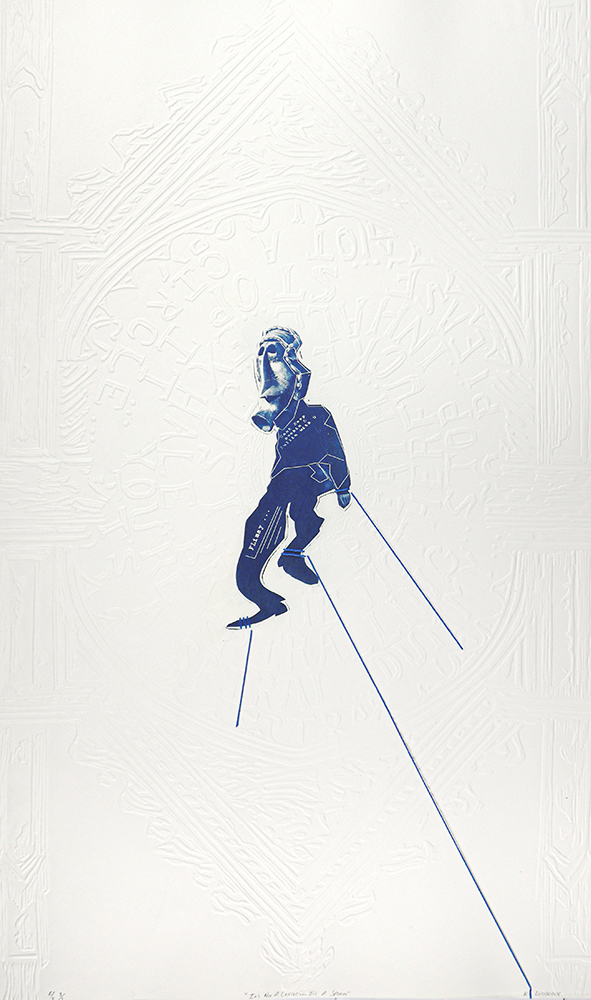
Its Not A Circle Its A Spiral
Cyanotype Embossing
100 x 60 cm
2024
Edition 3.3 ev
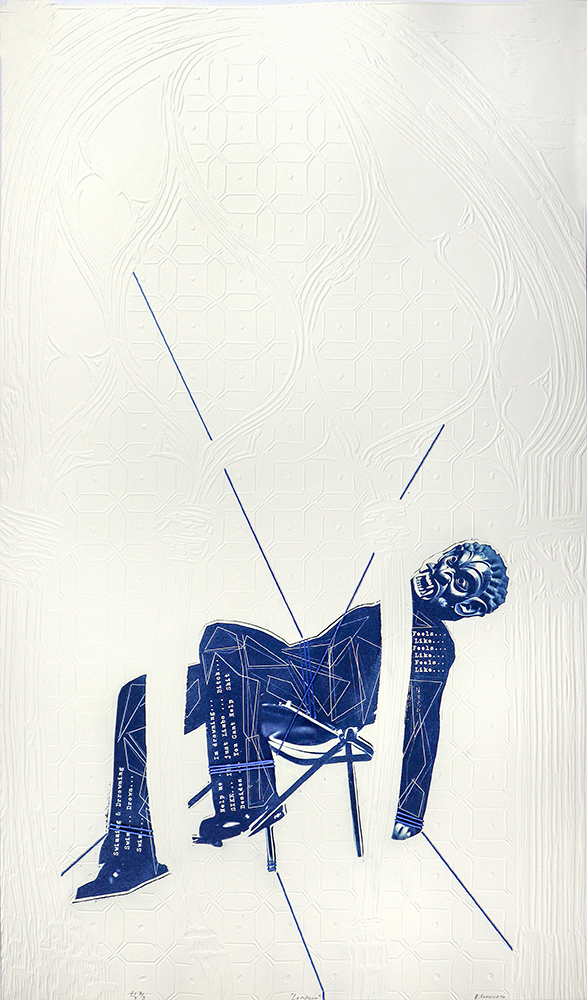
Limbo
Cyanotype Embossing
100 x 60 cm
2024
Edition 3.3 ev
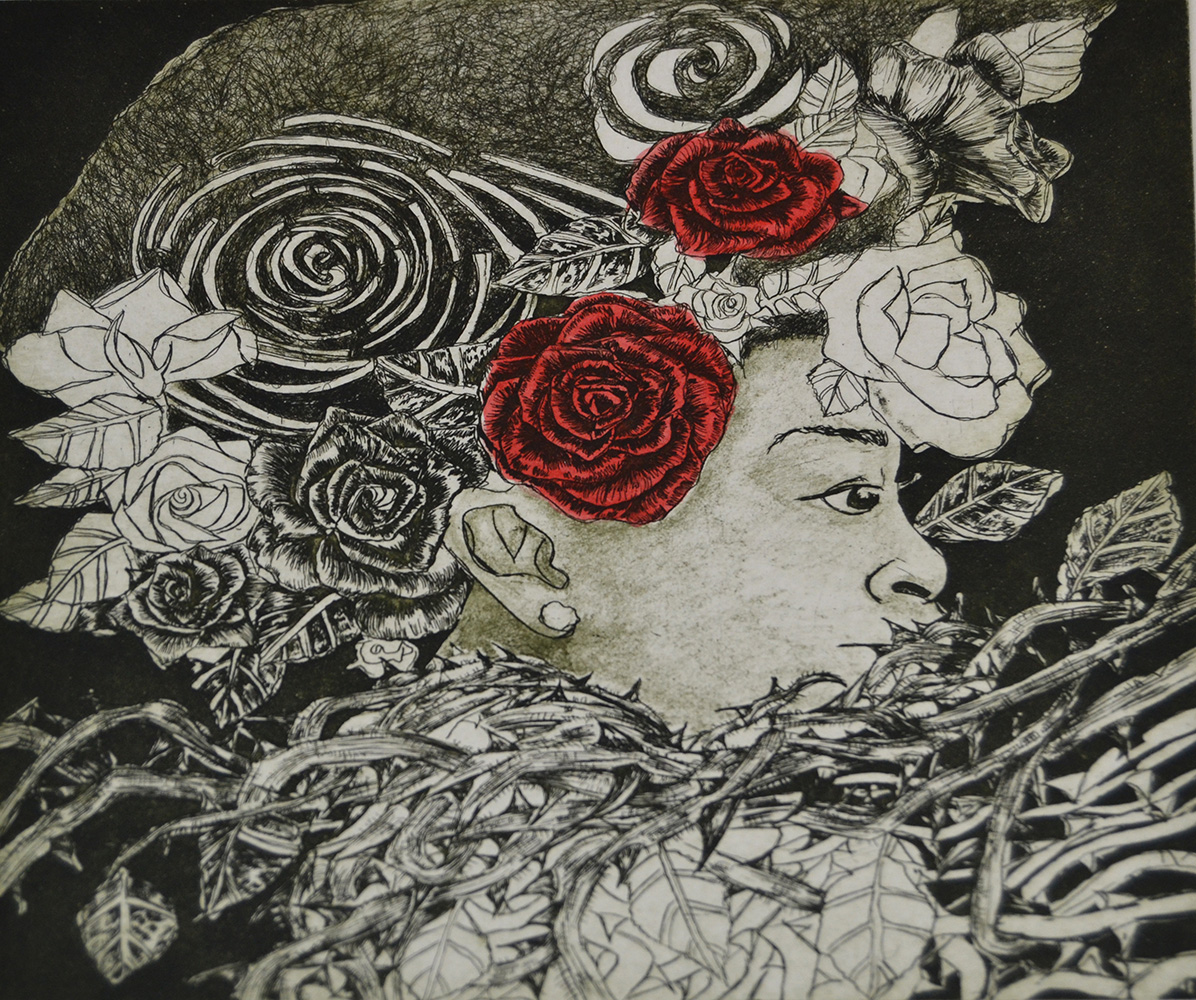
Evolving I
Etching
44x37cm
2017
Edition of 15
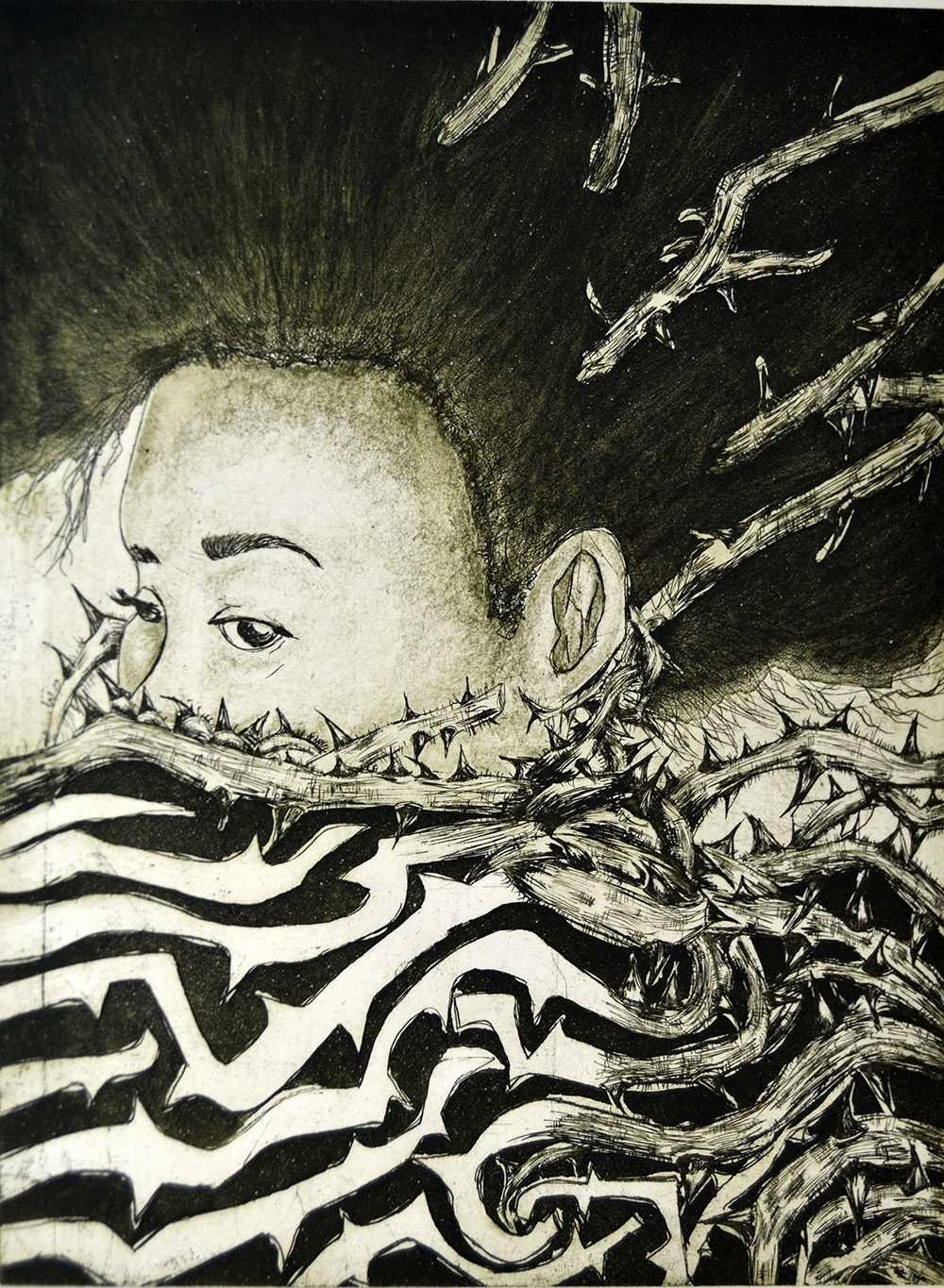
Evolving II
Etching
44x37cm
2017
Edition of 15
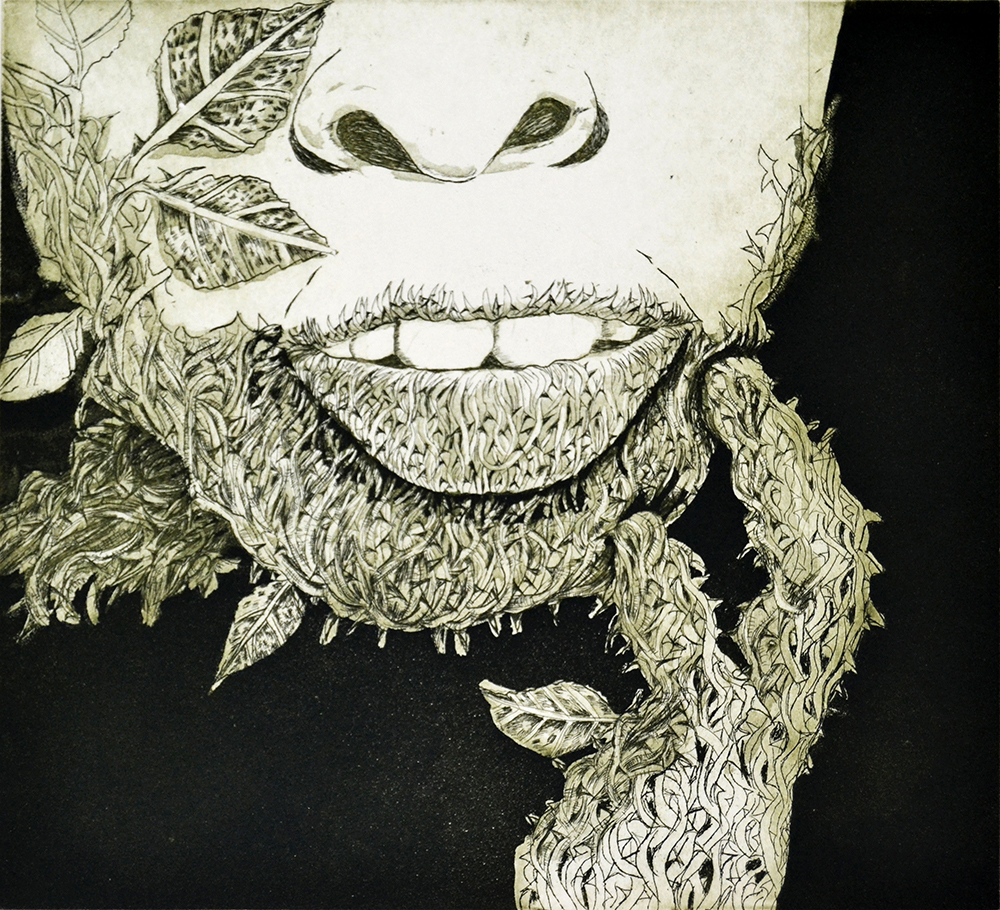
Evolving III
Etching
44x37cm
2017
Edition of 15
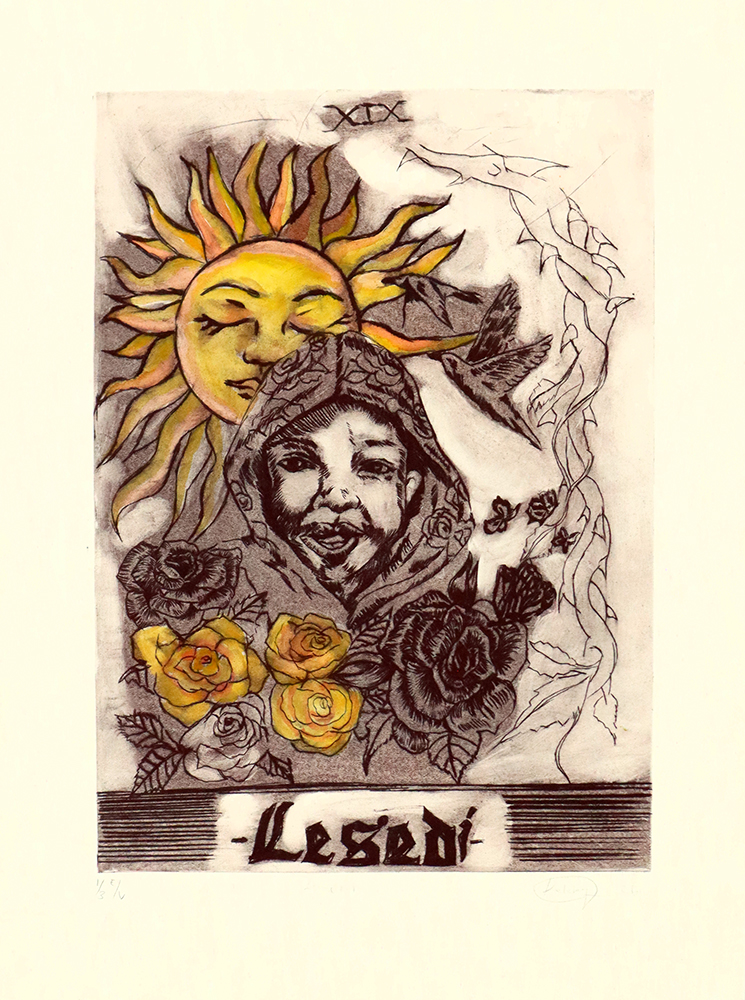
Lesedi
Drypoint
54 x 40.5cm
2026
Edition 1.3 EV
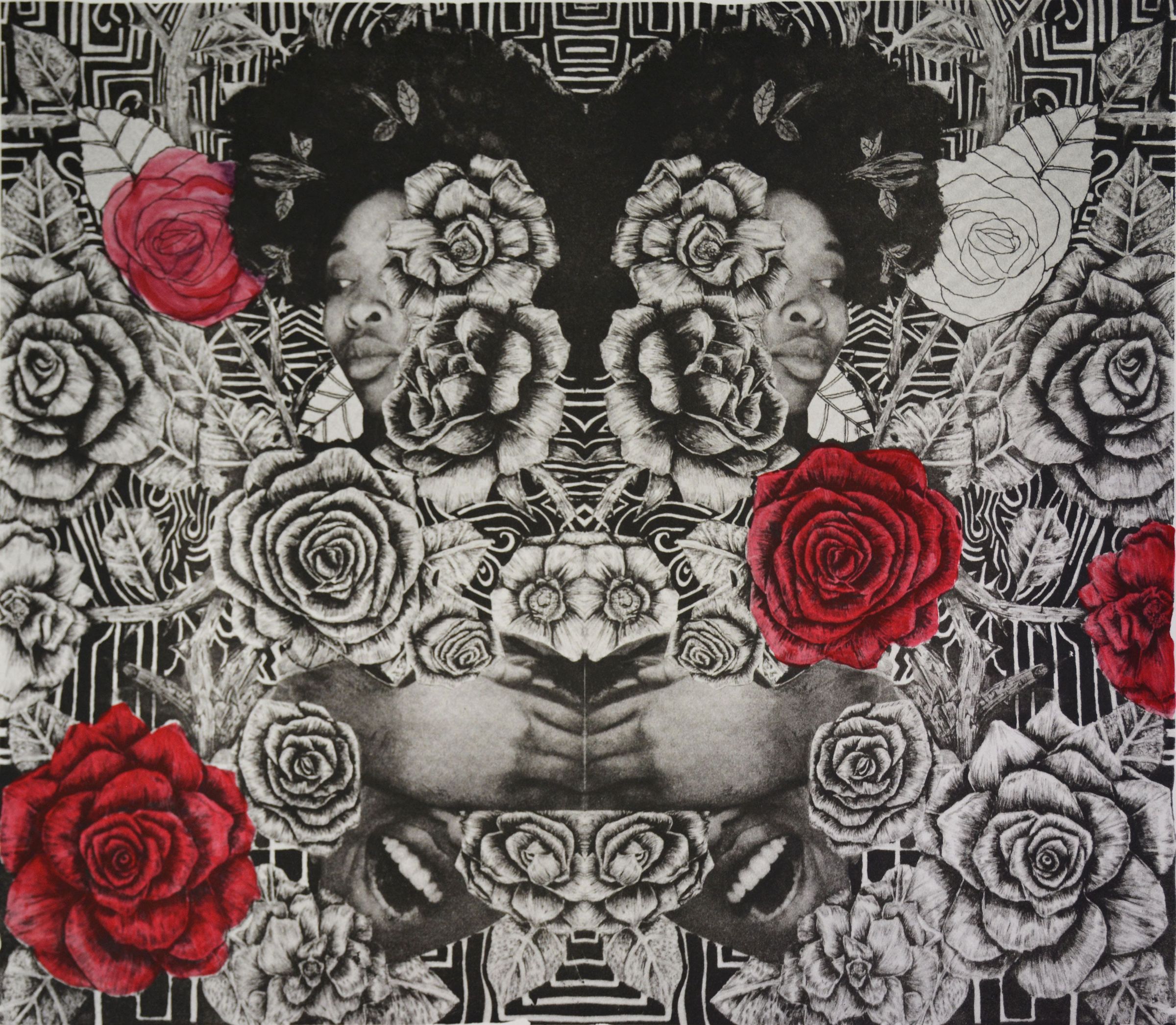
Lost In Maze
43x37cm
2017
Edition of 15
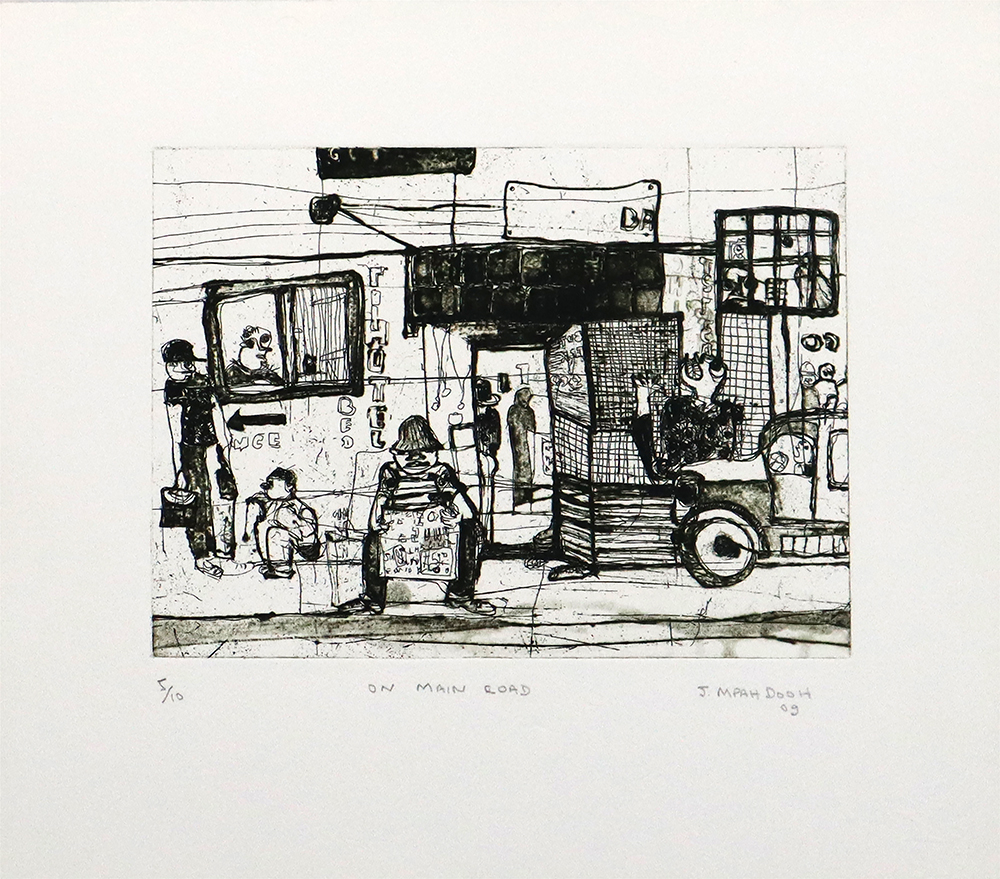
Dooh On Main Road
Etching
36x39cm
2009
Edition of 10
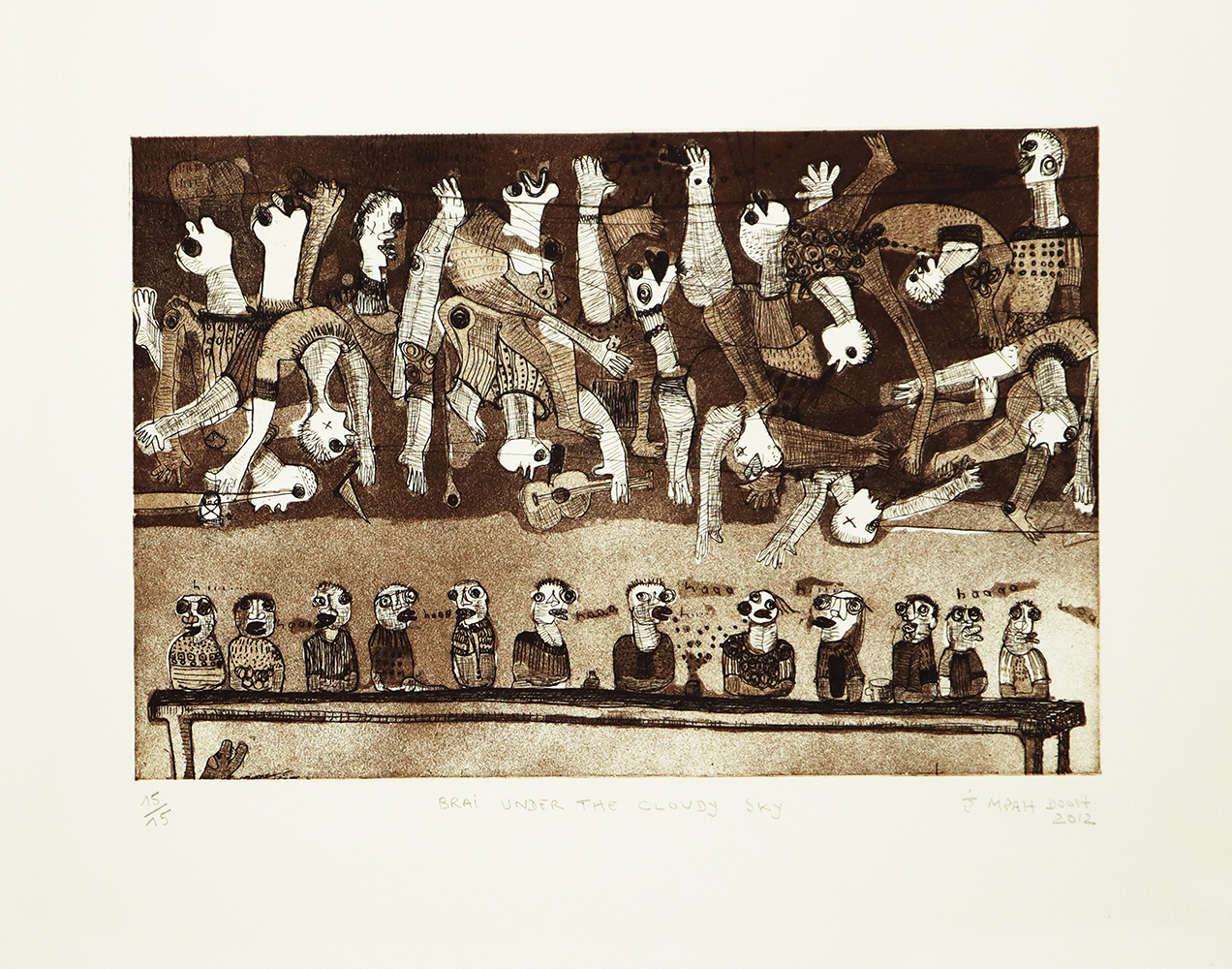
Doo Braai Under The Cloudy Sky
Etching
50x64cm
2011
Edition of 15
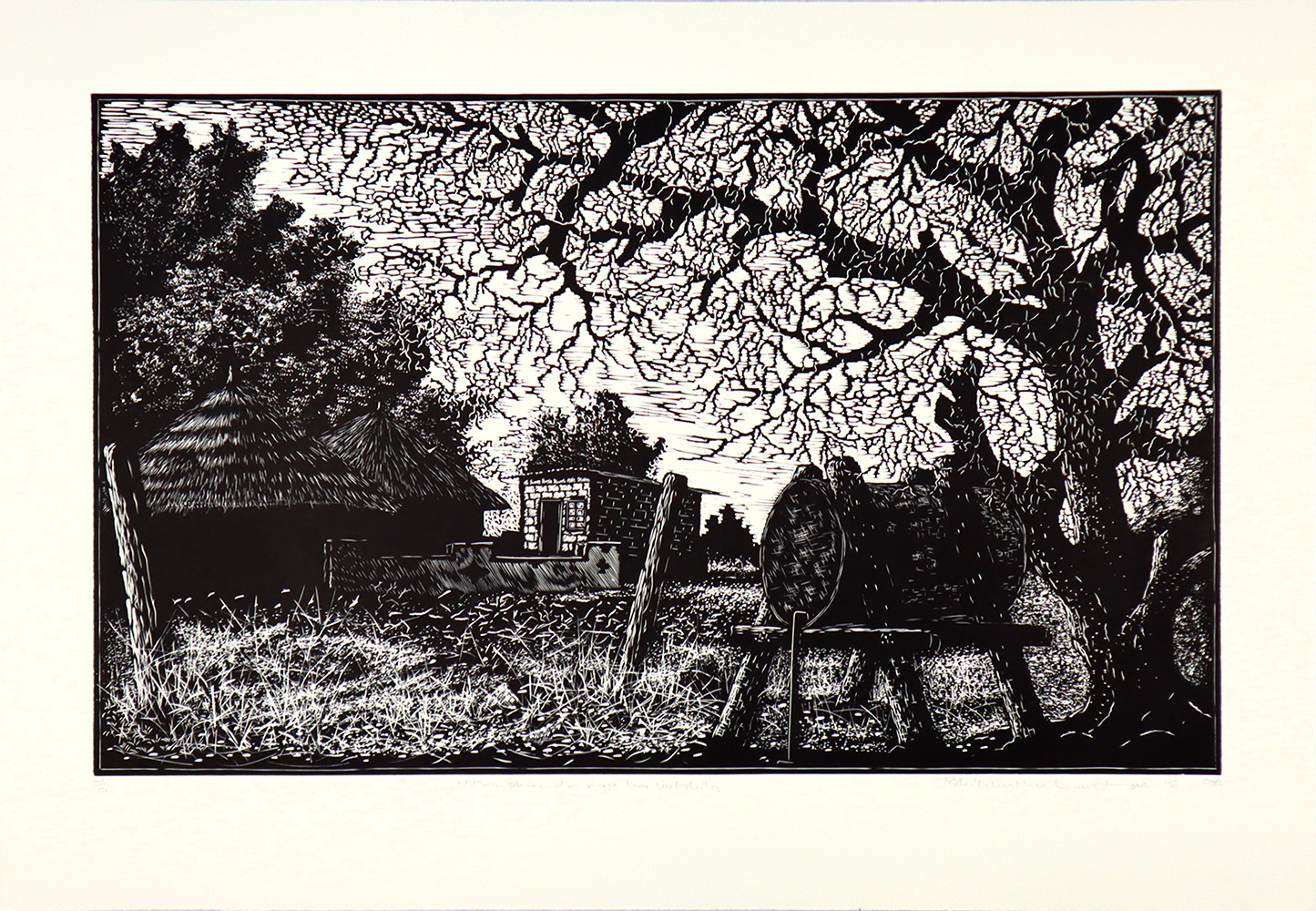
U Isa Phanda Nga ha Vutshilo
WP Linocut
80cm x 115cm
2012
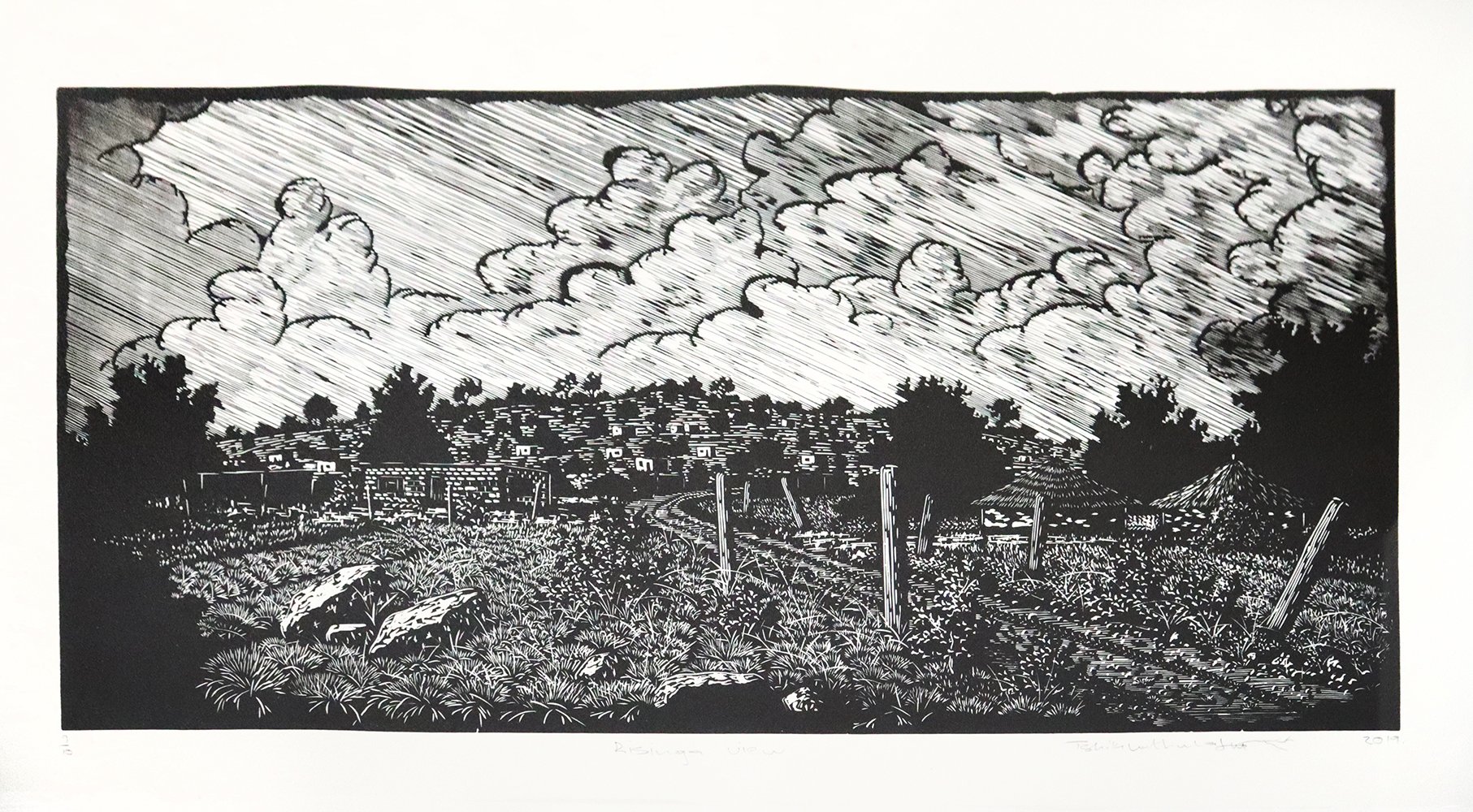
Risinga View
Linocut
48x81cm
2020
Edition of 10
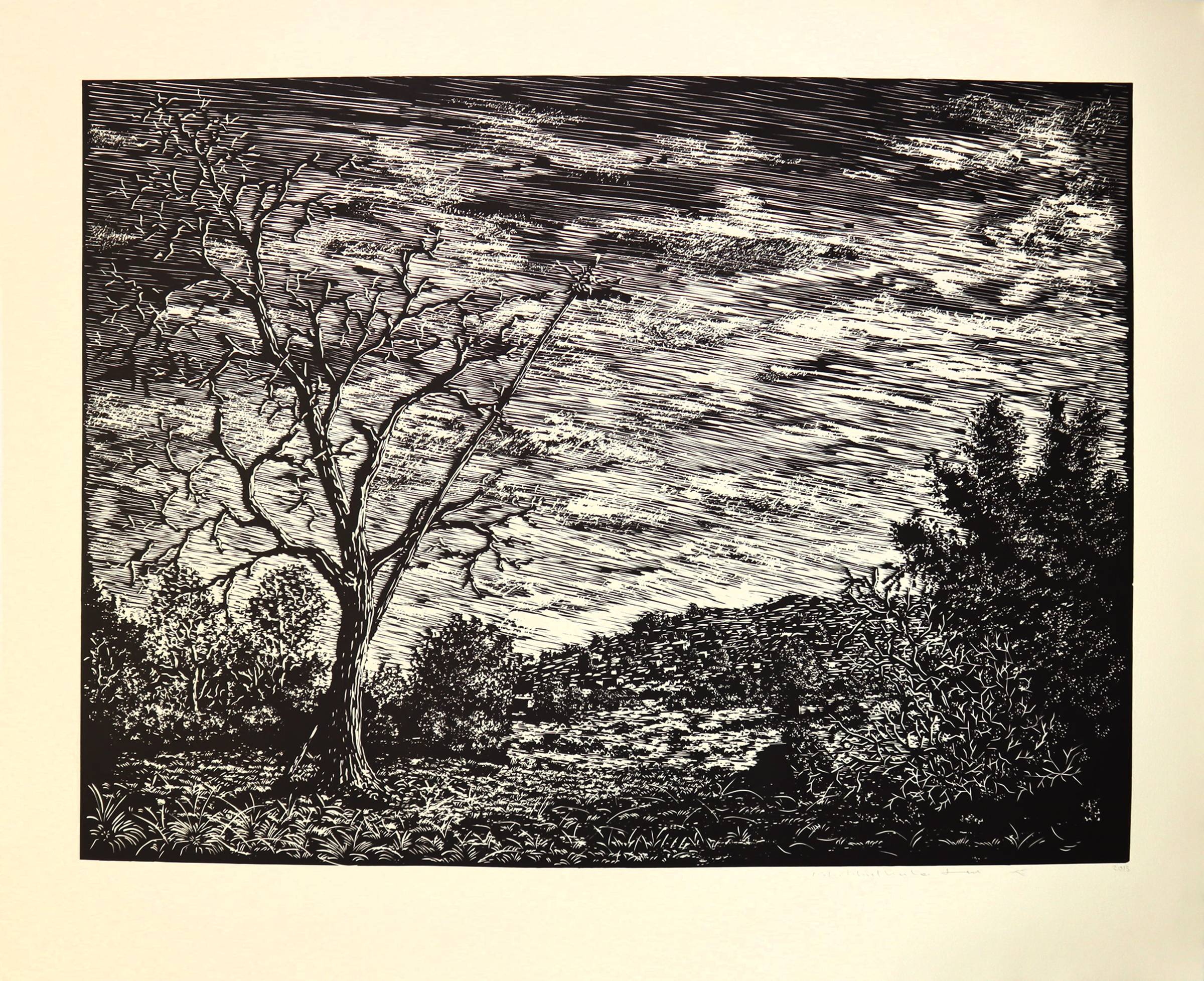
Untitled
Linocut
93.7 X 115.5CM
2013
Edition 3.10
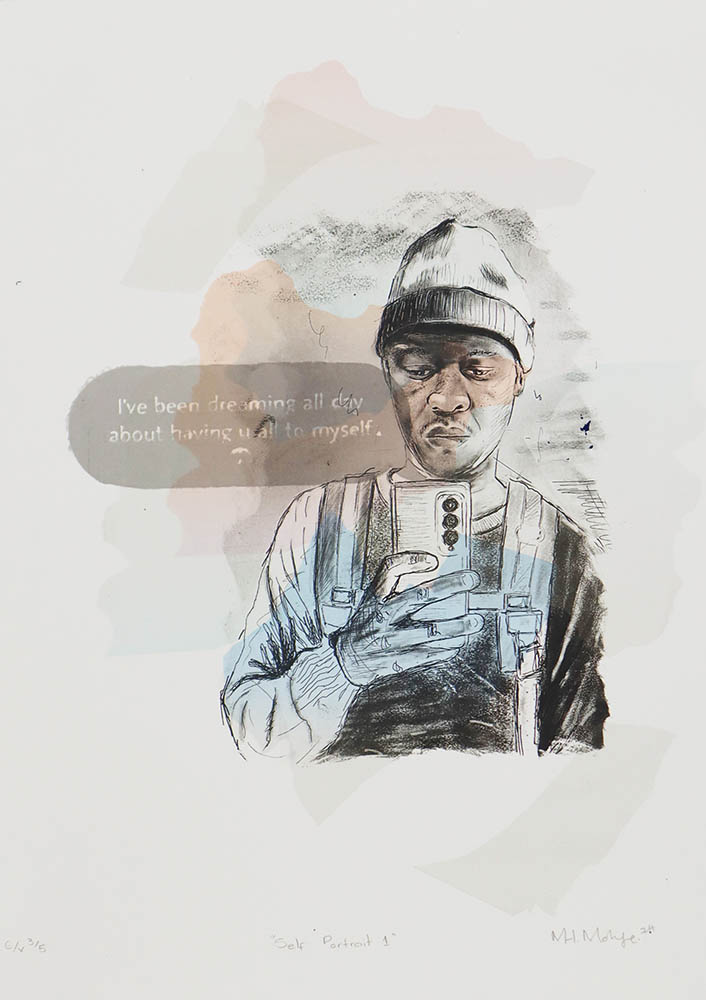
Self Portrait 1
50cm x 35cm
2024
Edition 3.5 ev
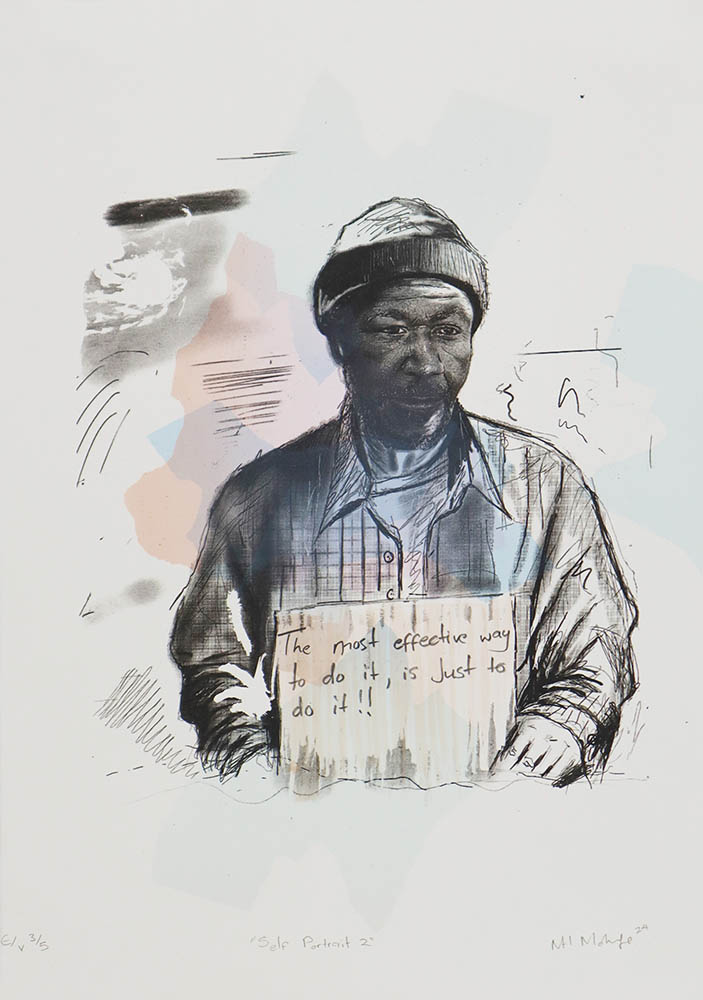
Self Portrait 2
50cm x 35cm
2024
Edition 3.5 ev
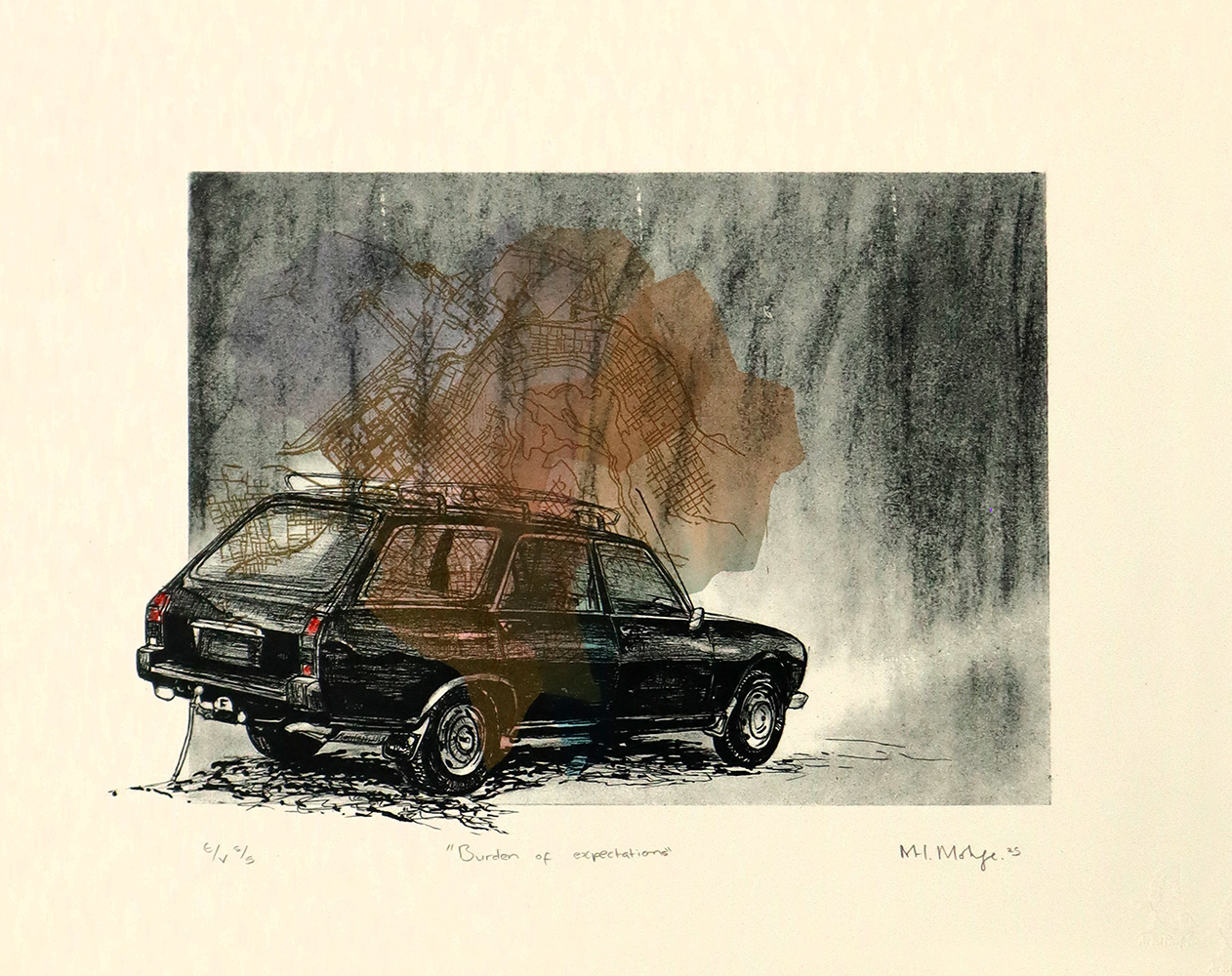
Burden of Expectations
Litho Screenprint
45.5 x 34cm
2025
Edition 5.5
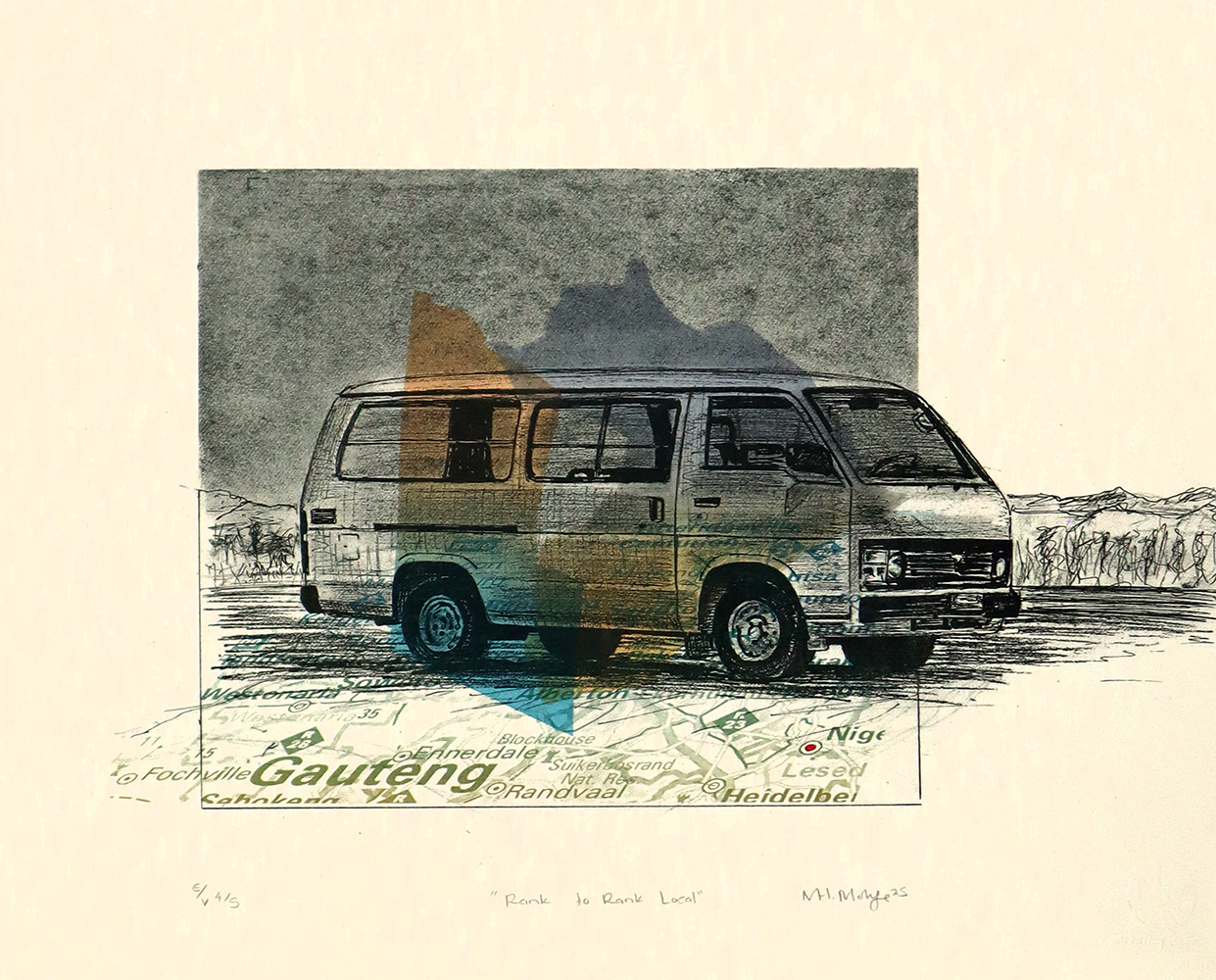
Rank to Rank Local
Litho Screenprint
42 x 33.5cm
2025
Edition 4.5EV
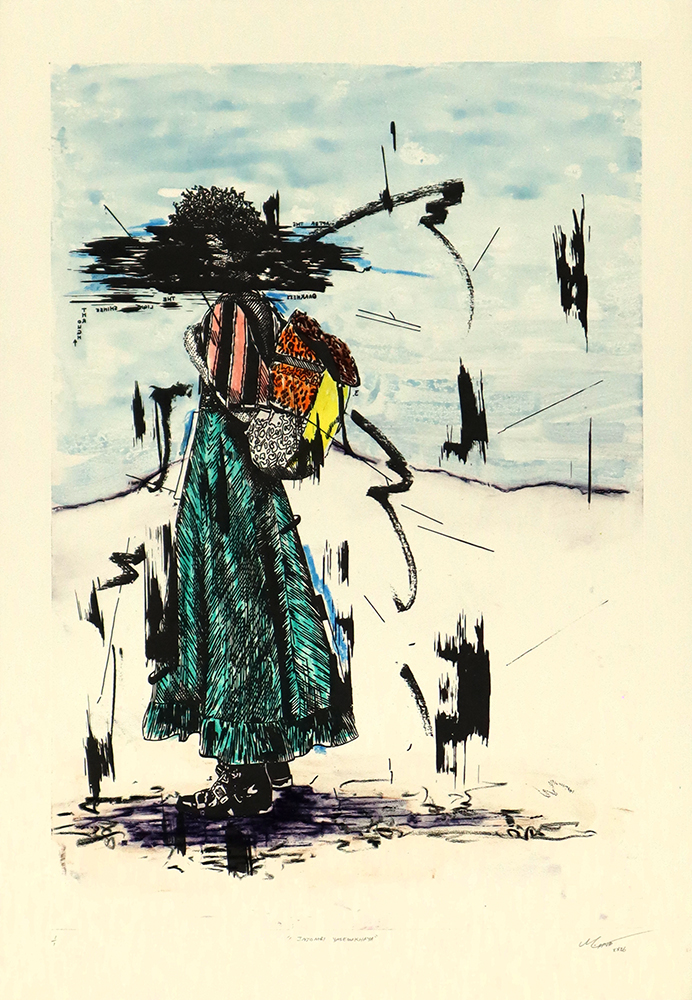
Intombi yasemakhaya
Monotype Screenprint
48.5 x 33.7cm
2026
Edition 1 of 1
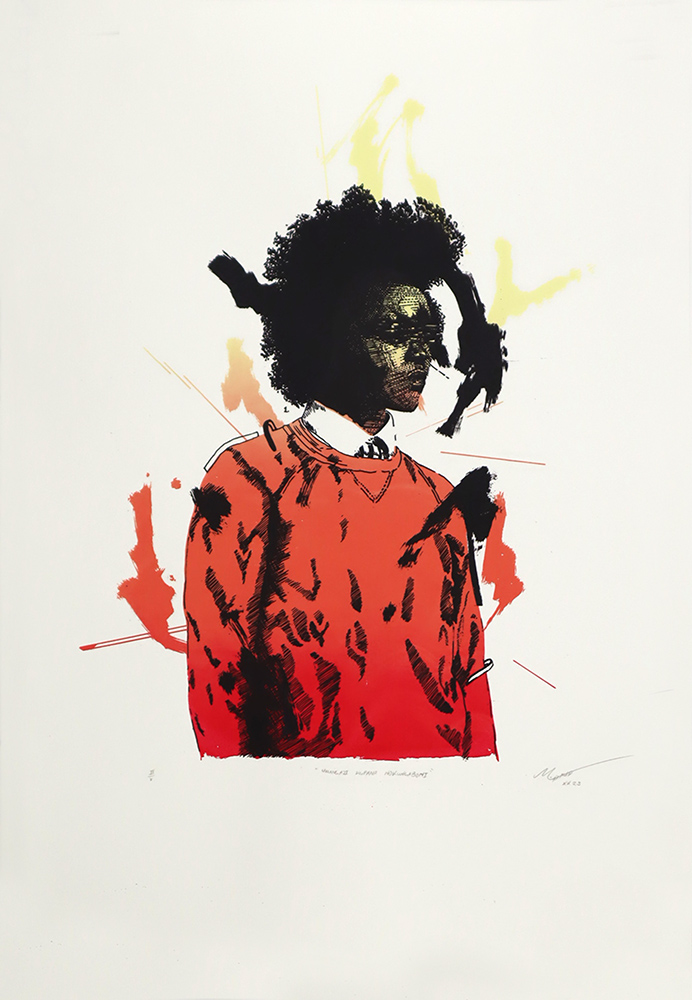
Ukungazi kufana nokungaboni
Silkscreen
55cm x 35cm
2023
Edition 2.5
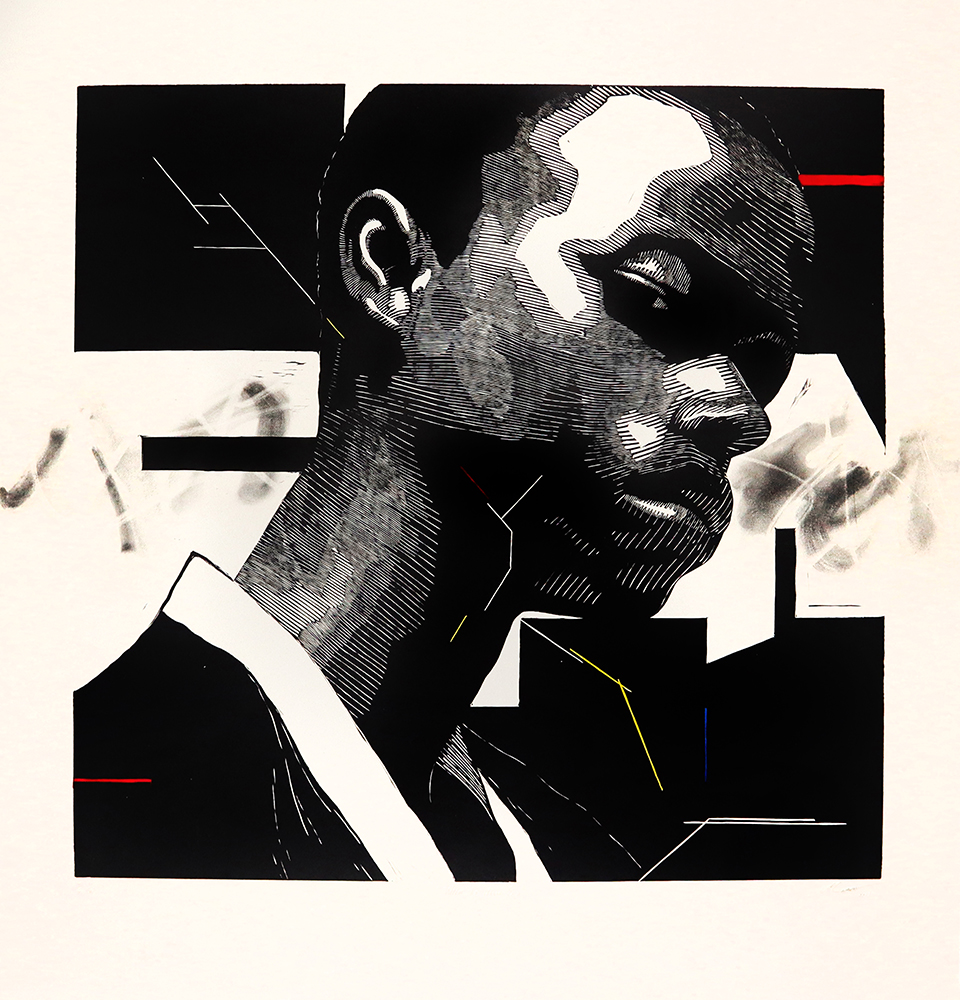
What was never said
62.3×59.2cm
2021
Edition 4.5
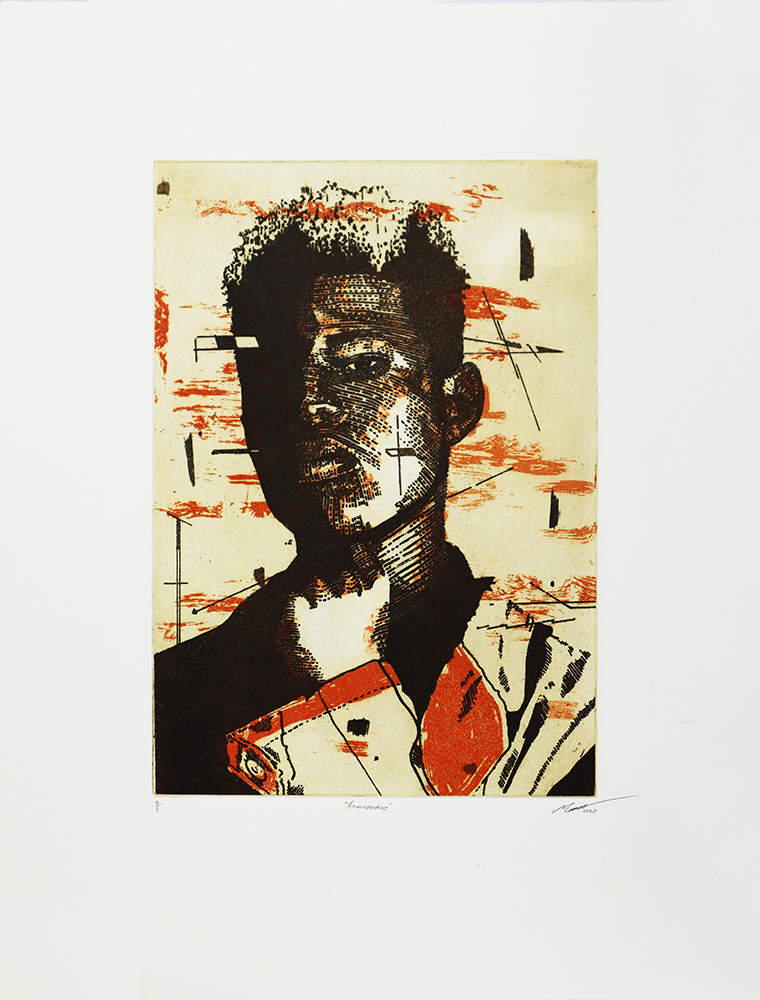
Ekukhanyeni
Etching
44×33.7cm
2022
Edition 4
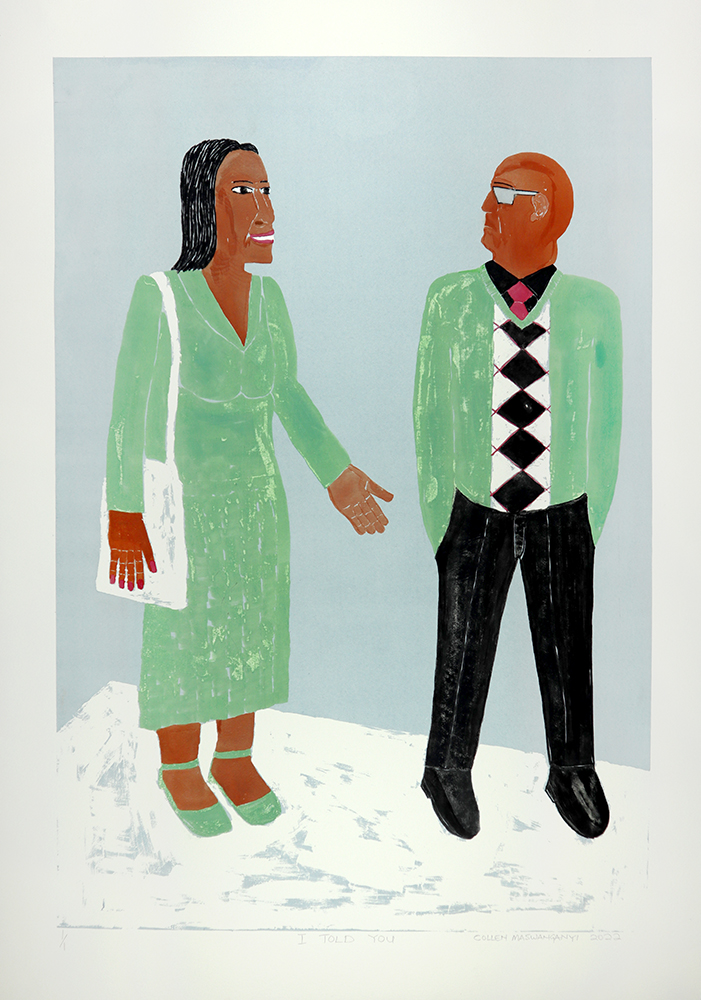
I Told You
Silkscreen mono
120cm x 85cm
2022
Edition of 1
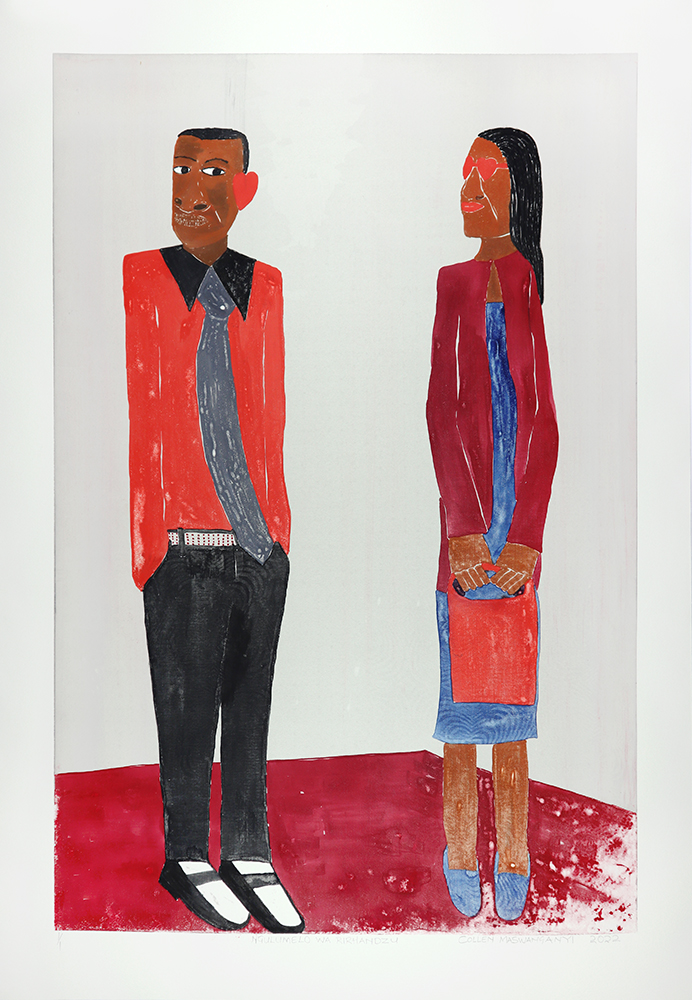
Ngulumelo Wa Rirhandza
Silkscreen mono
120cm x 85cm
2022
Edition of 1
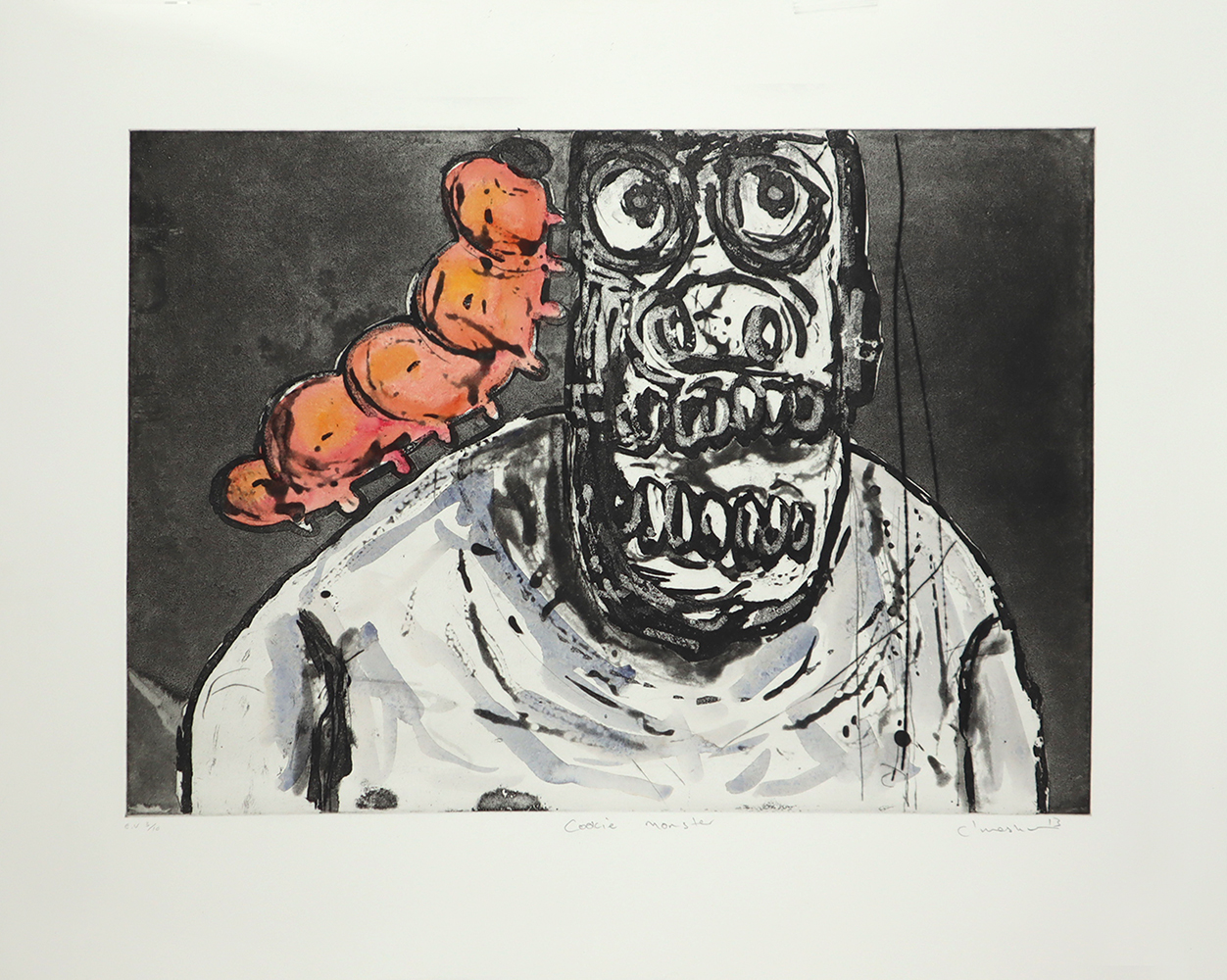
Cookie Monster
Edition 3.10
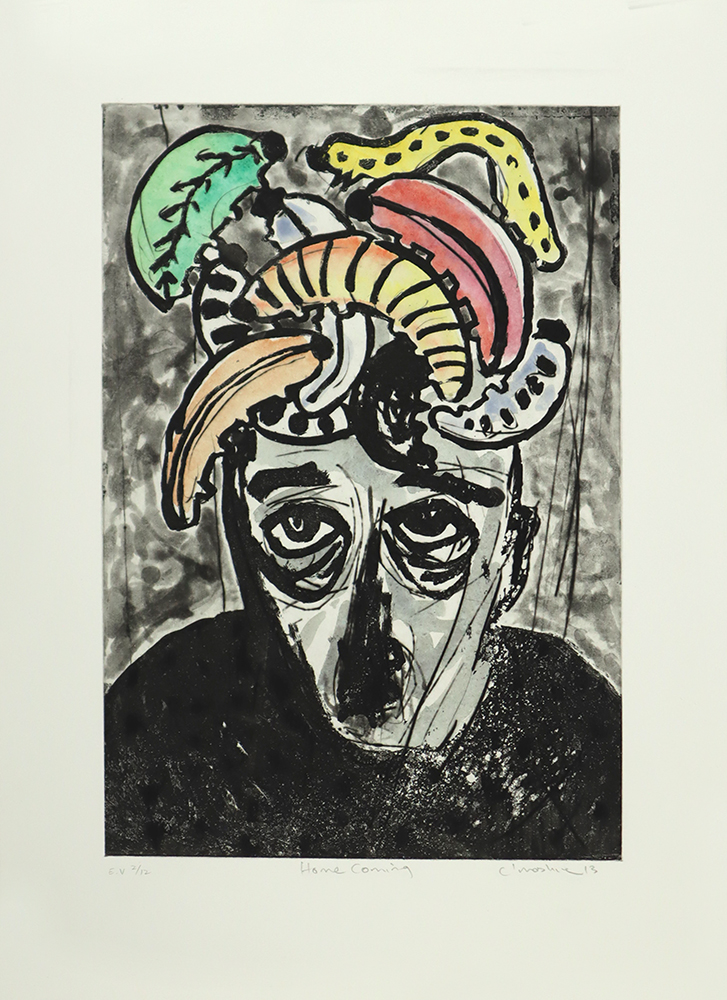
Home coming
Edition 2.12
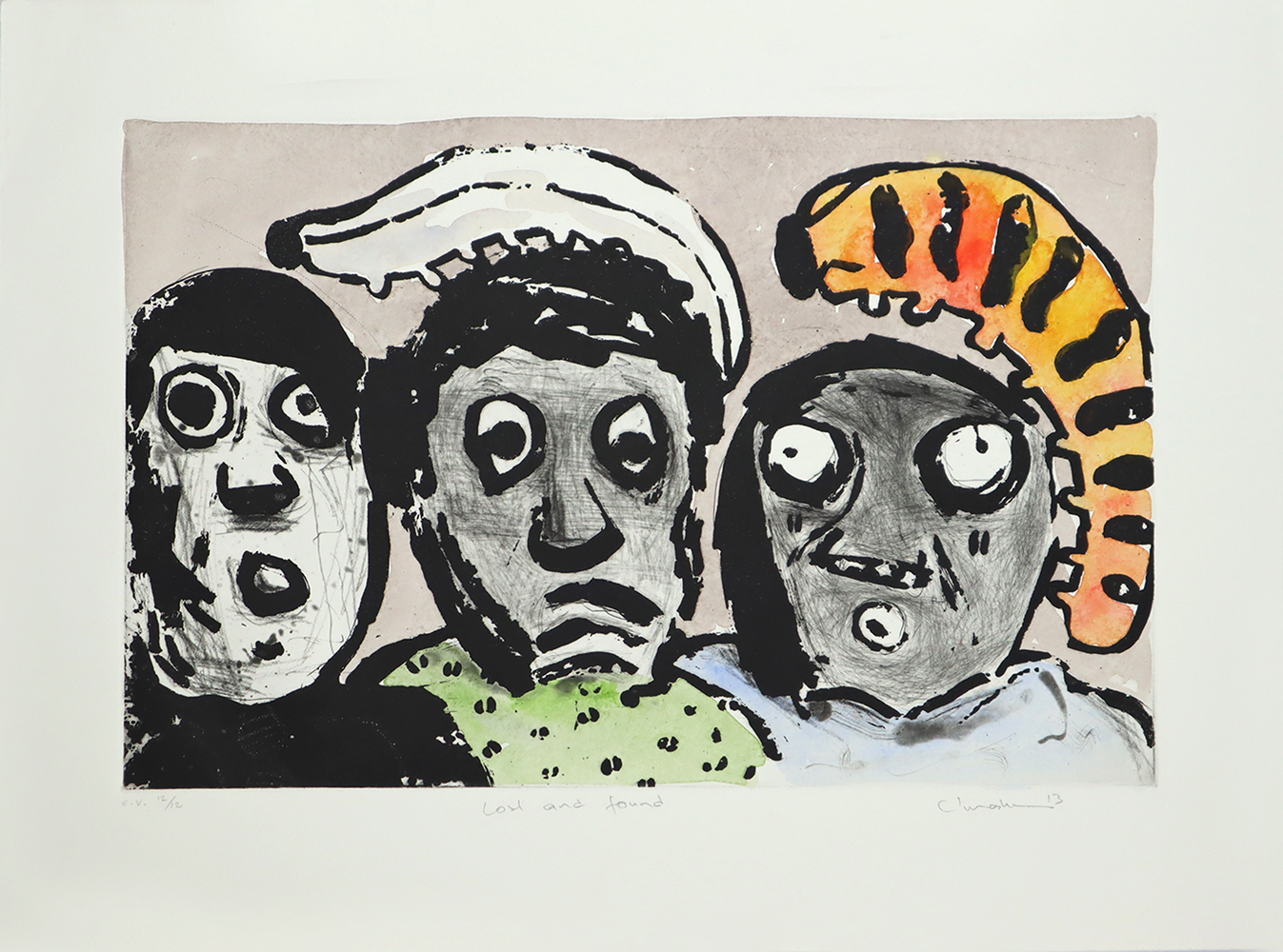
Lost and found
Edition 12.12
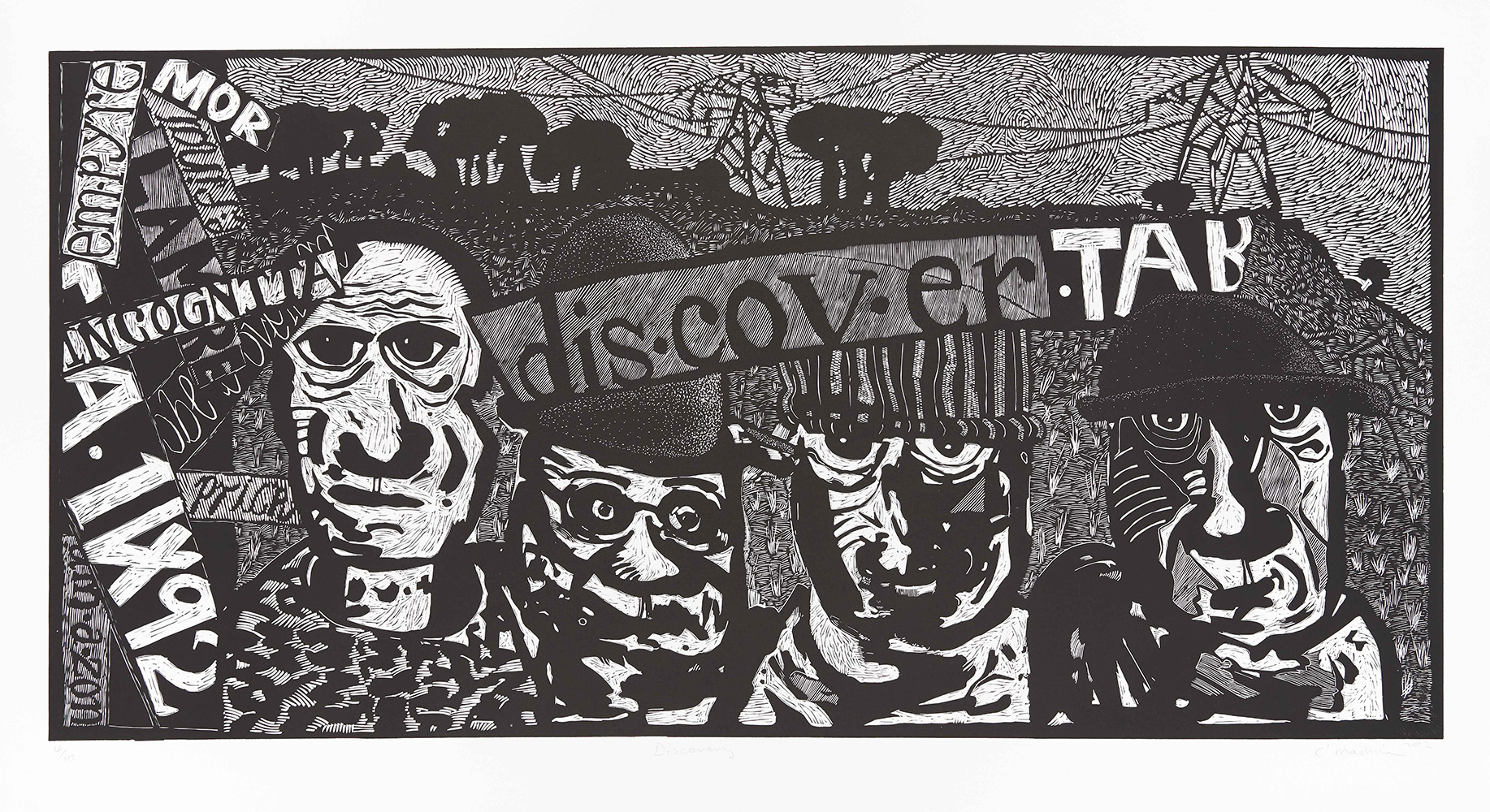
Discovery
Linocut
108x195cm
Edition 8 of 10
2012
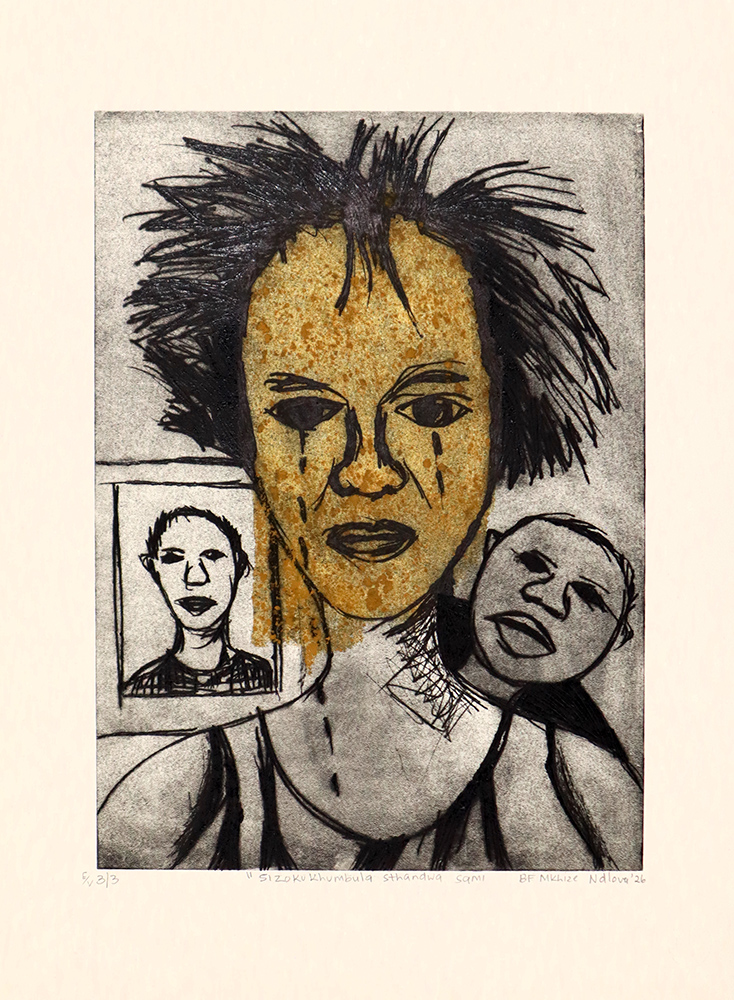
Sizokukhumbula sthandwa sami
Drypoint
56 x 41.1cm
2026
Edition 3.3
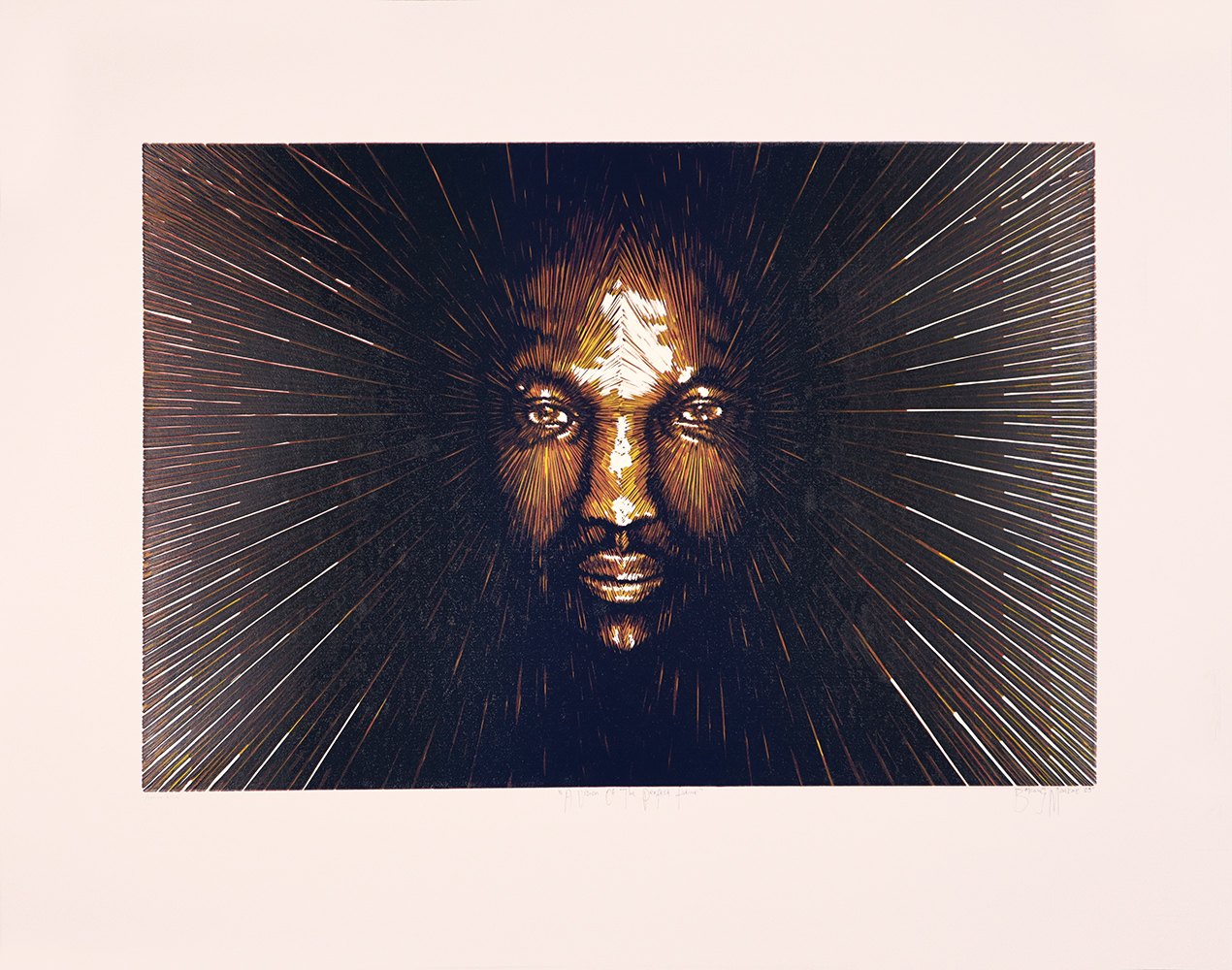
A vision of the perfect future
Colour Reduction
66cm x 85cm
2023
Archive Proof
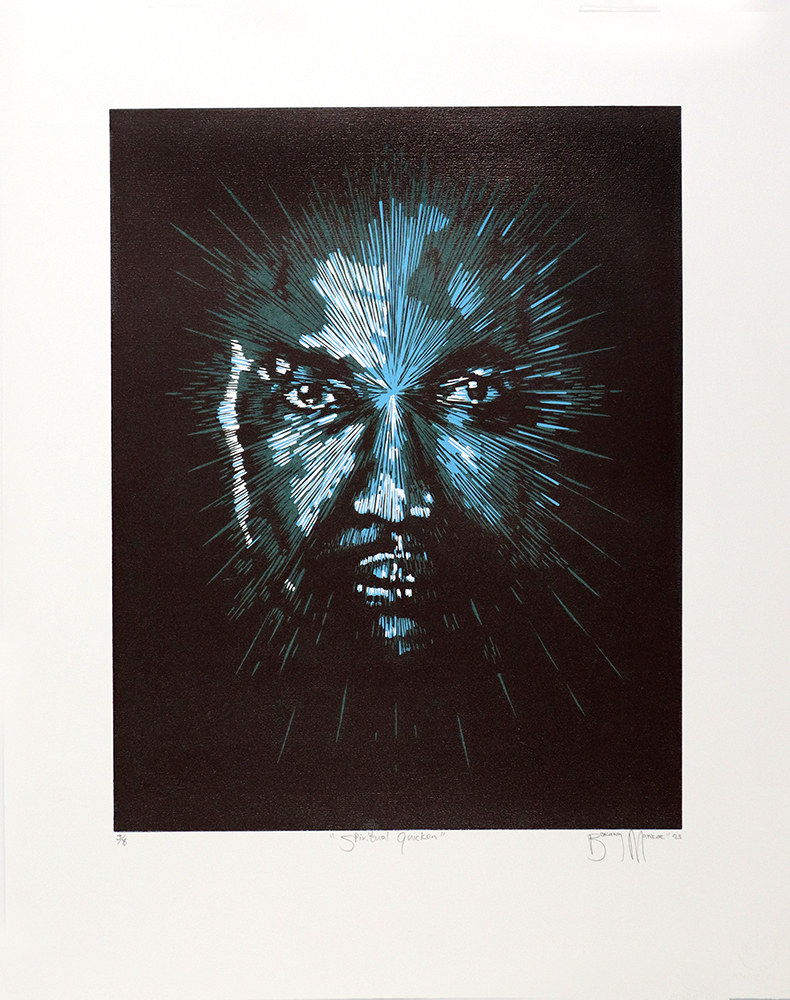
Spiritual Quicken
Linocut Reduction
62cm x 49cm
2023
Edition 3.8
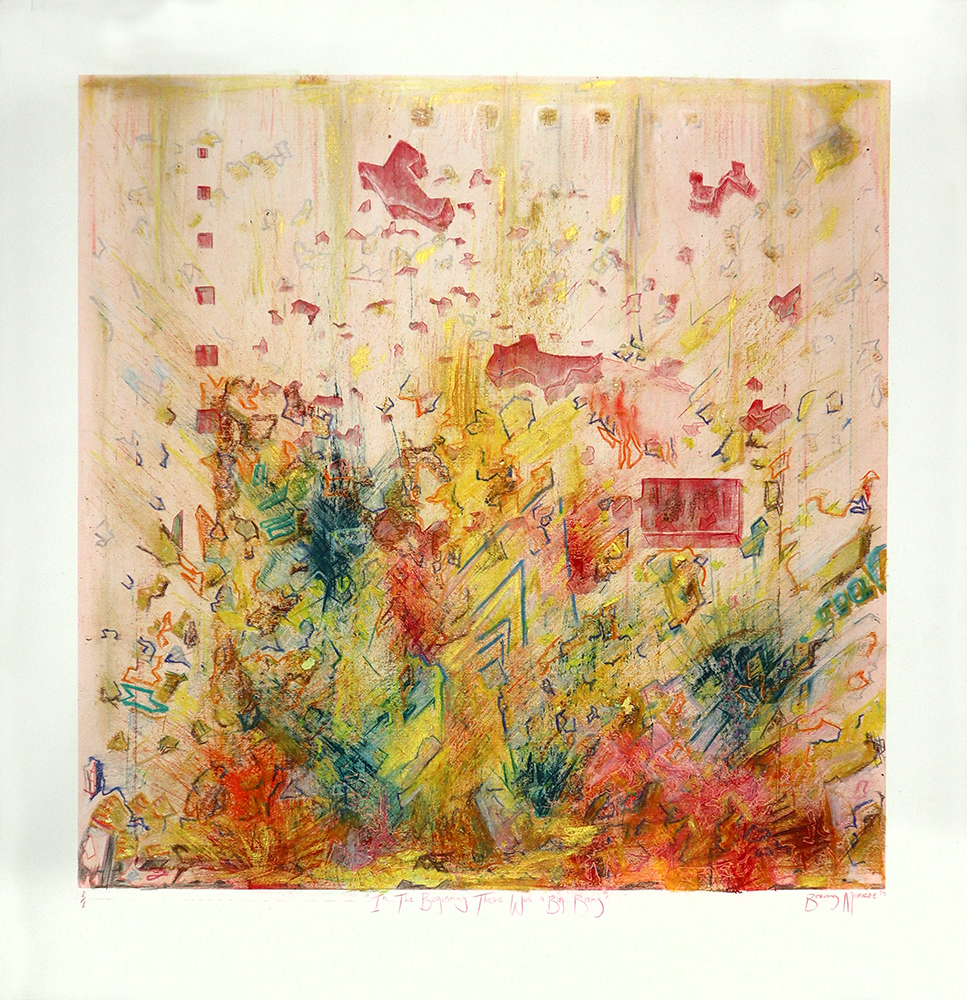
In the Beginning there was a big bang
WatercolourScreenprintMonotype
70cm x 68cm
2025
Edition 1.1
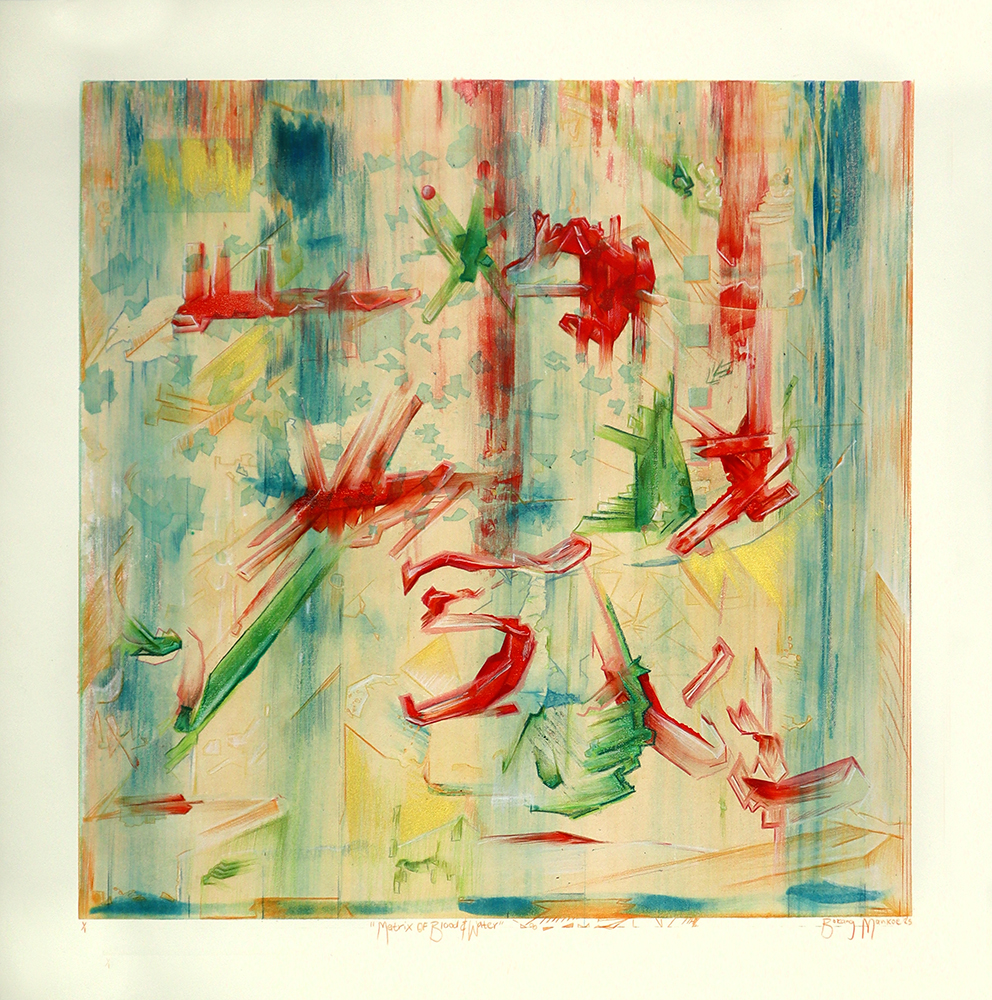
Matrix Of Blood Water
Water colourScreenprintMonotype
68cm x 68cm
2025
Edition 1.1
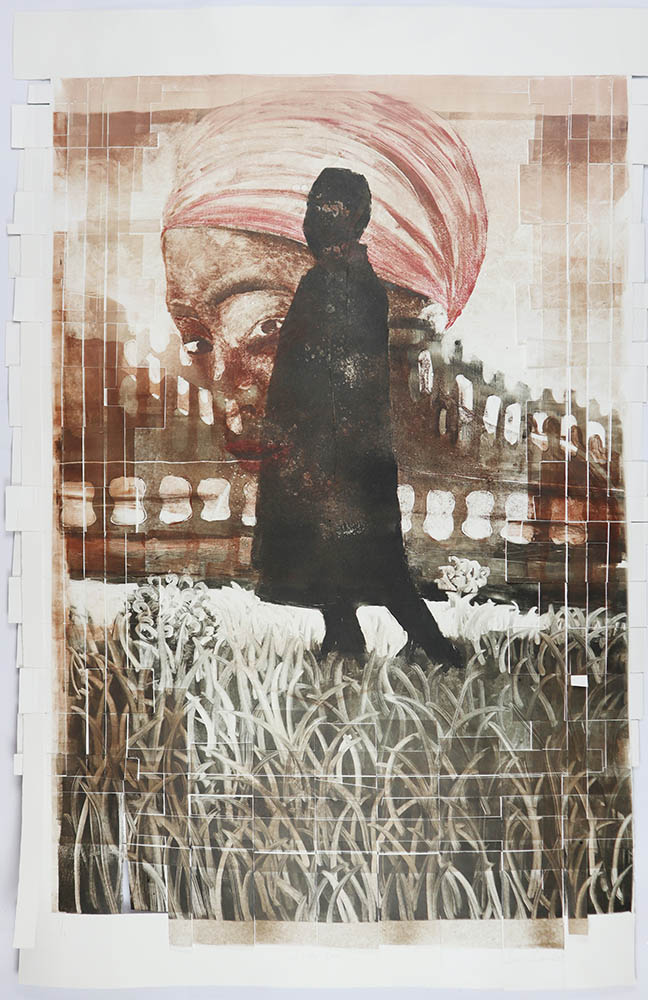
Ihubo lami
Monotype on collaged paper
139cm x 92cm
2023
Edition of 1
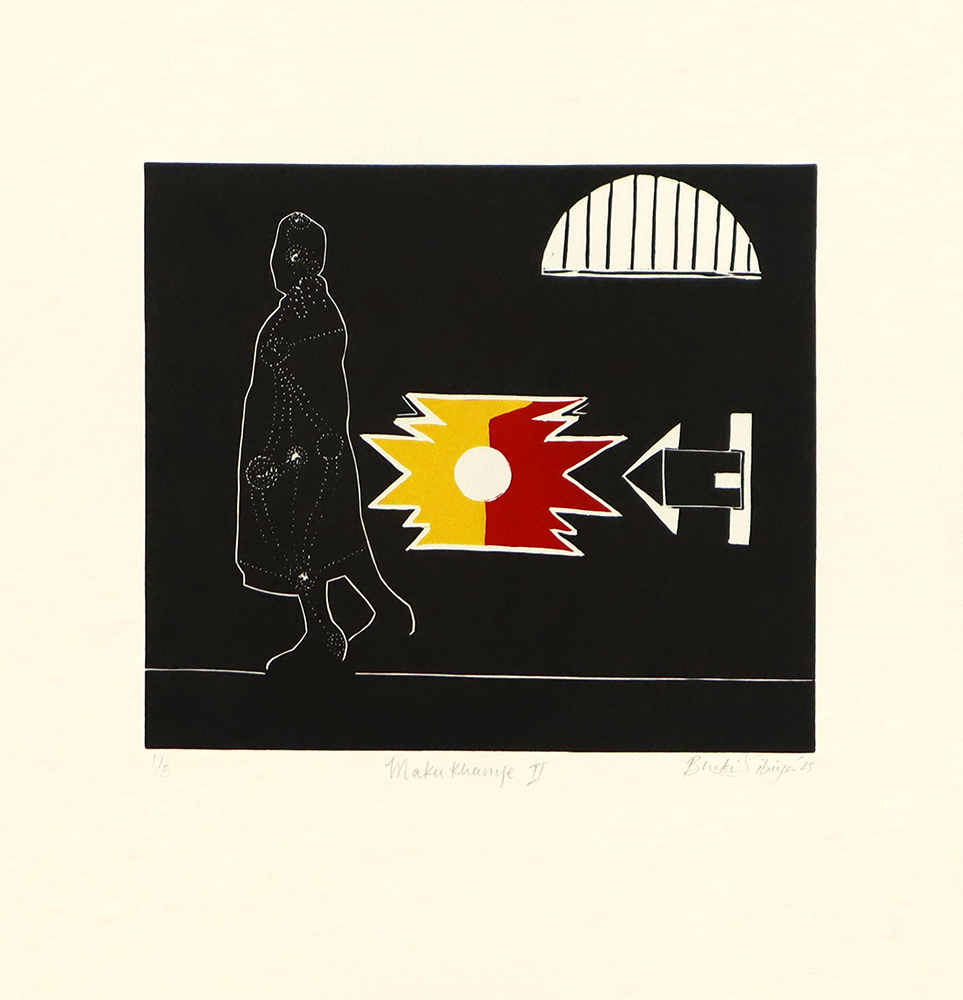
Makukhanye II
Linocut
33.5 x 32.6cm
2025
Edition 1.5
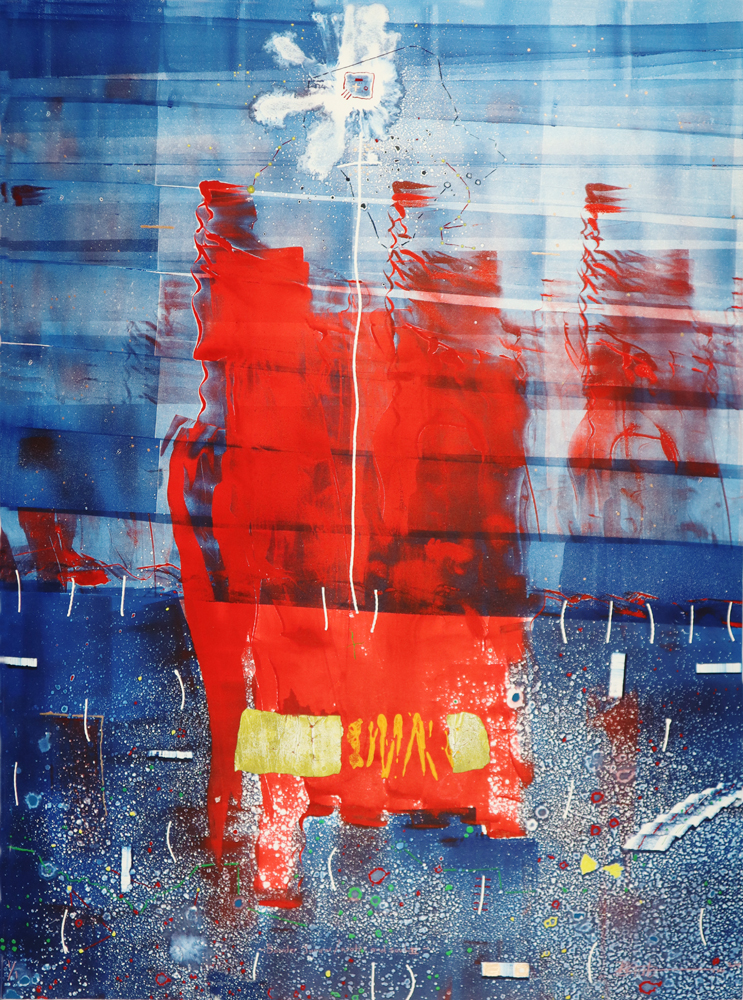
Boarder Jumper Water and Soul II
Monotype
106cm x 77.5cm
2024
Edition of 1
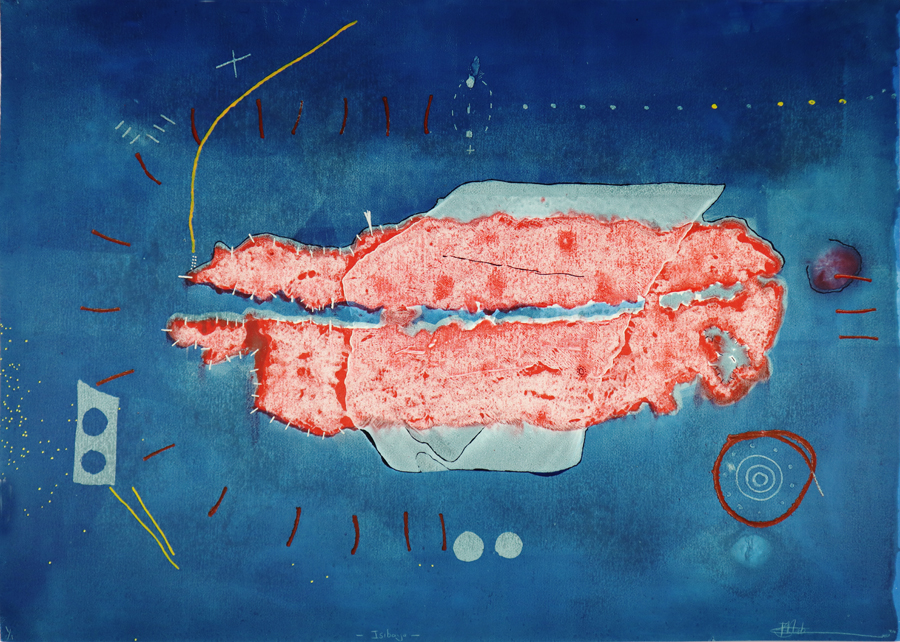
Isibaya
Monotype
77.5cm x 106cm
2024
Edition of 1
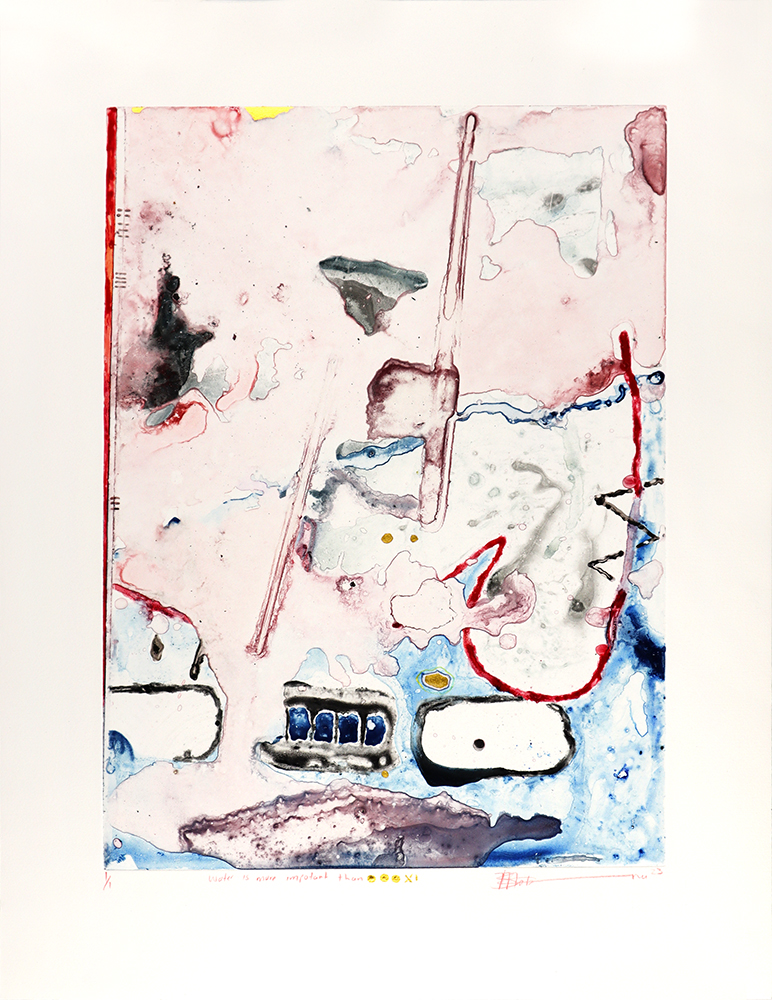
Water is more important than gold XI
Monotype
62cm x 48cm
2023
Edition of 1
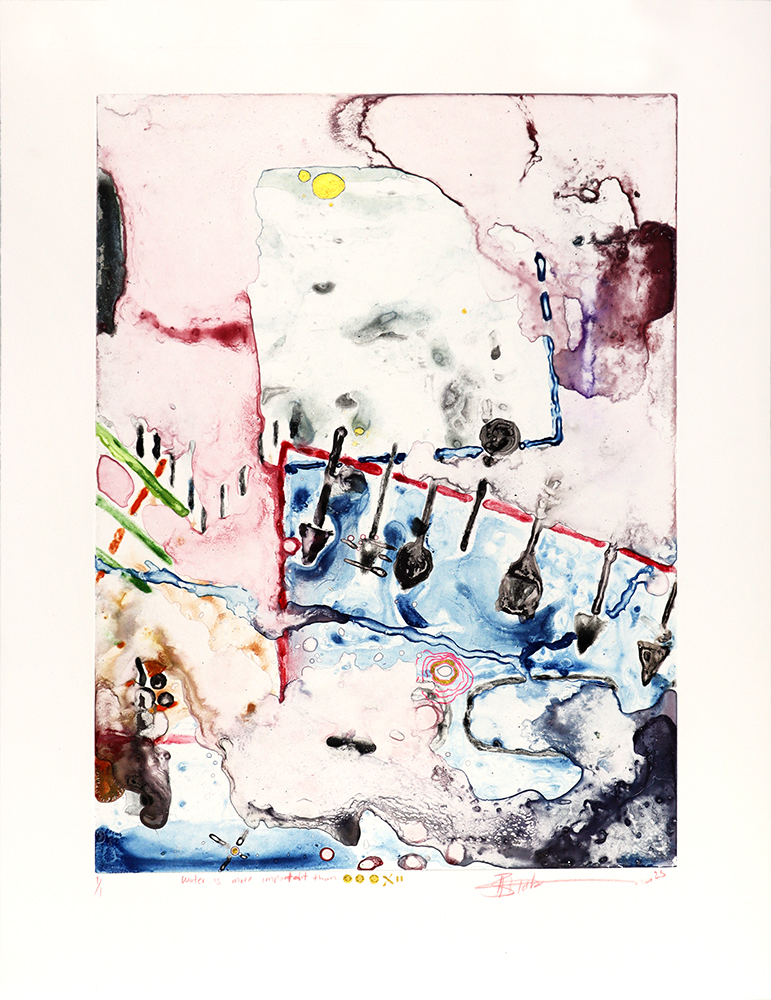
Water is more important than gold XII
Monotype
61cm x 46.5cm
2023
Edition of 1
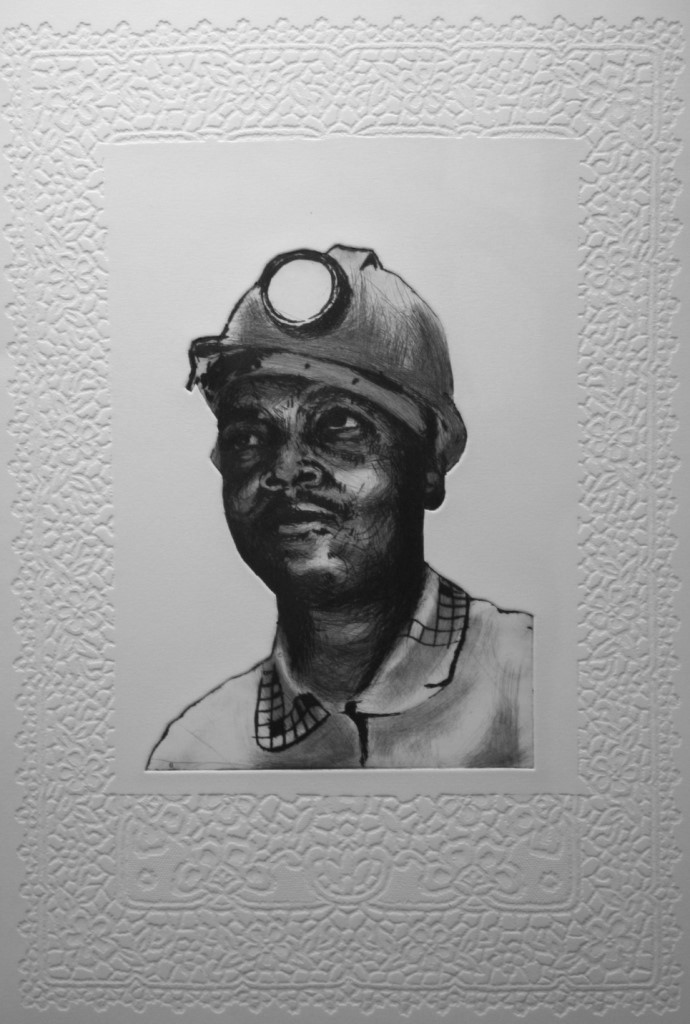
Manda
Drypoint and Emboss
70x50cm
2013
Ediotion of 10
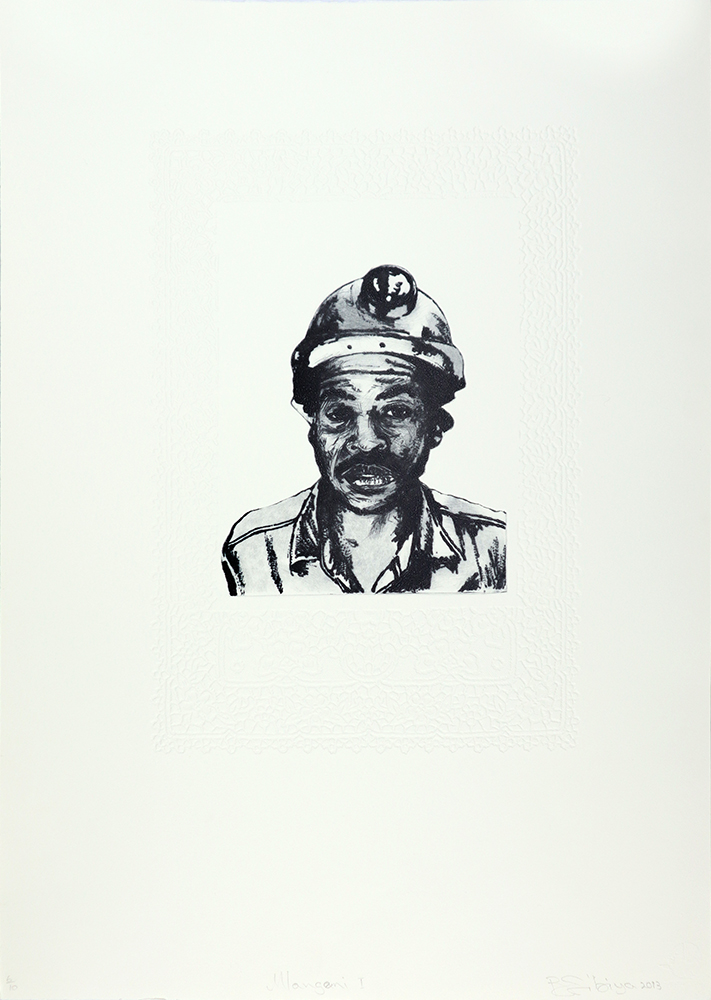
Mlangeni I
Drypoint
70x50cm
2013
Edition of 10
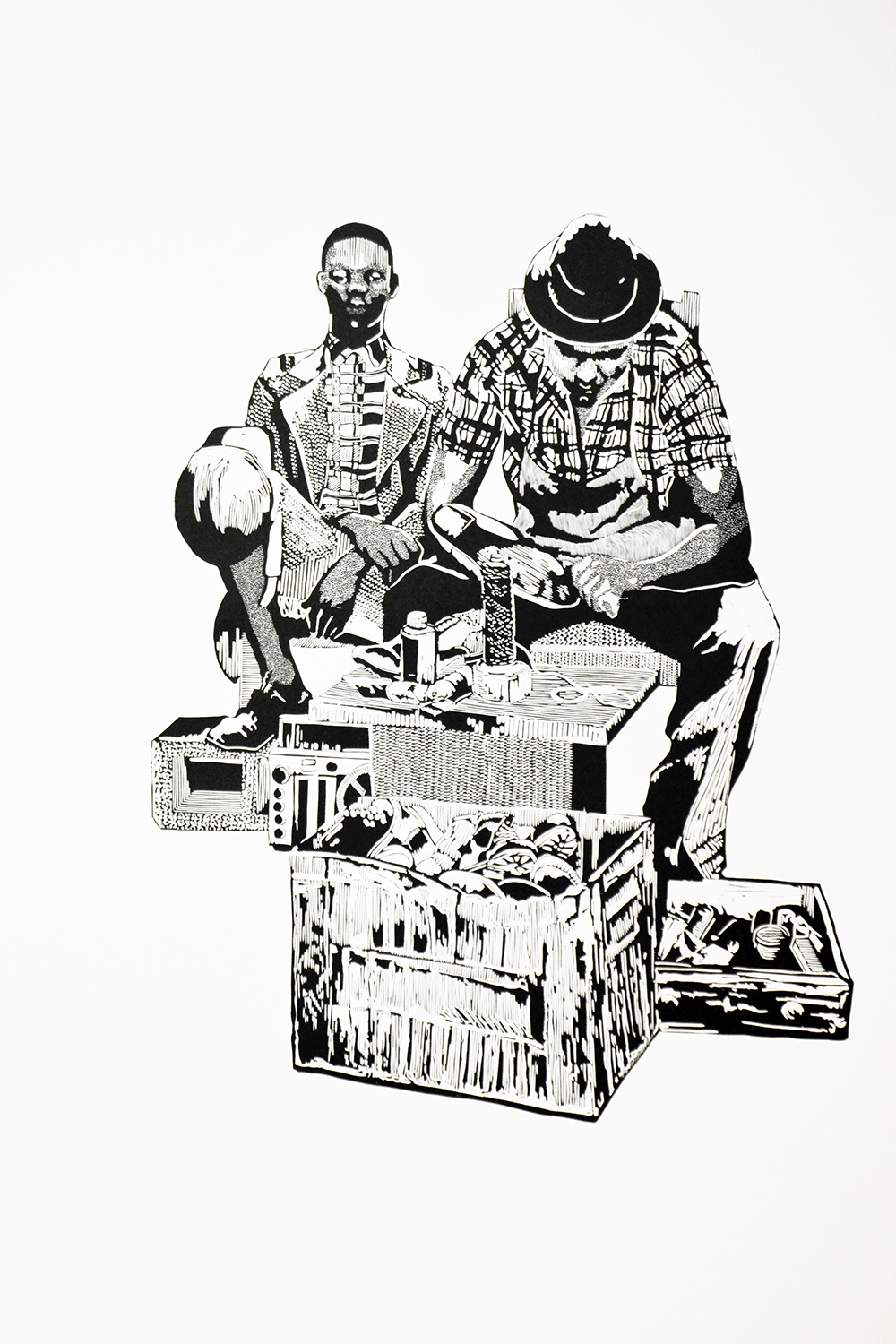
Shoemaker
Linocut
159×107.6cm
2013
Edition of 10
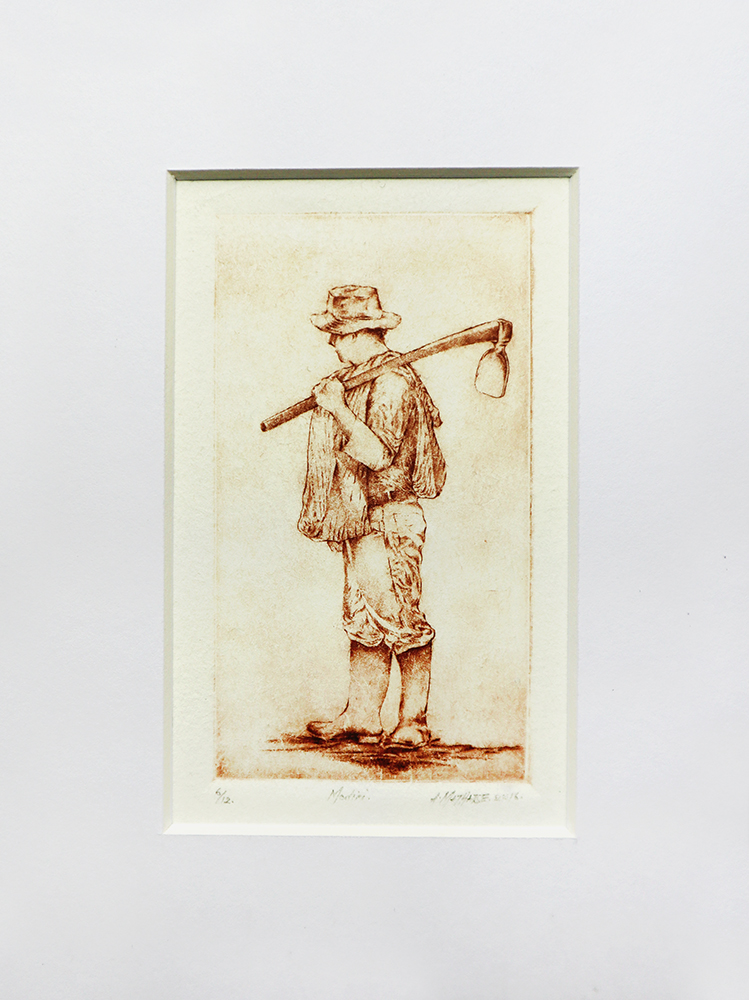
Modiri
Drypoint
14cm x 10.5cm
2016
Edition 6.12
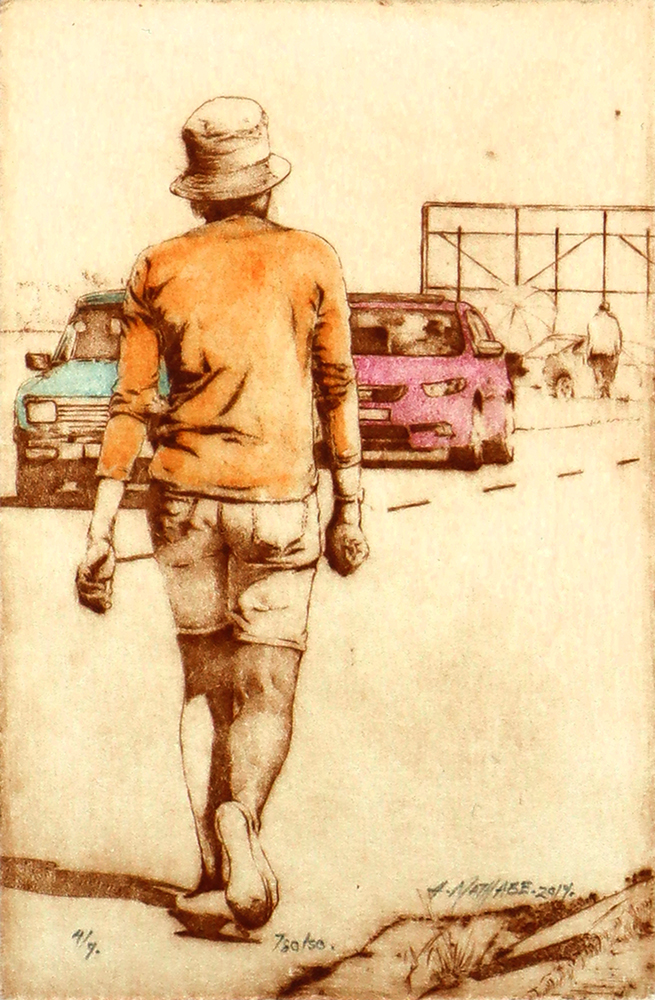
tsotso
Drypoint
7.9cm x 5.2cm
2019
Edition 4.7
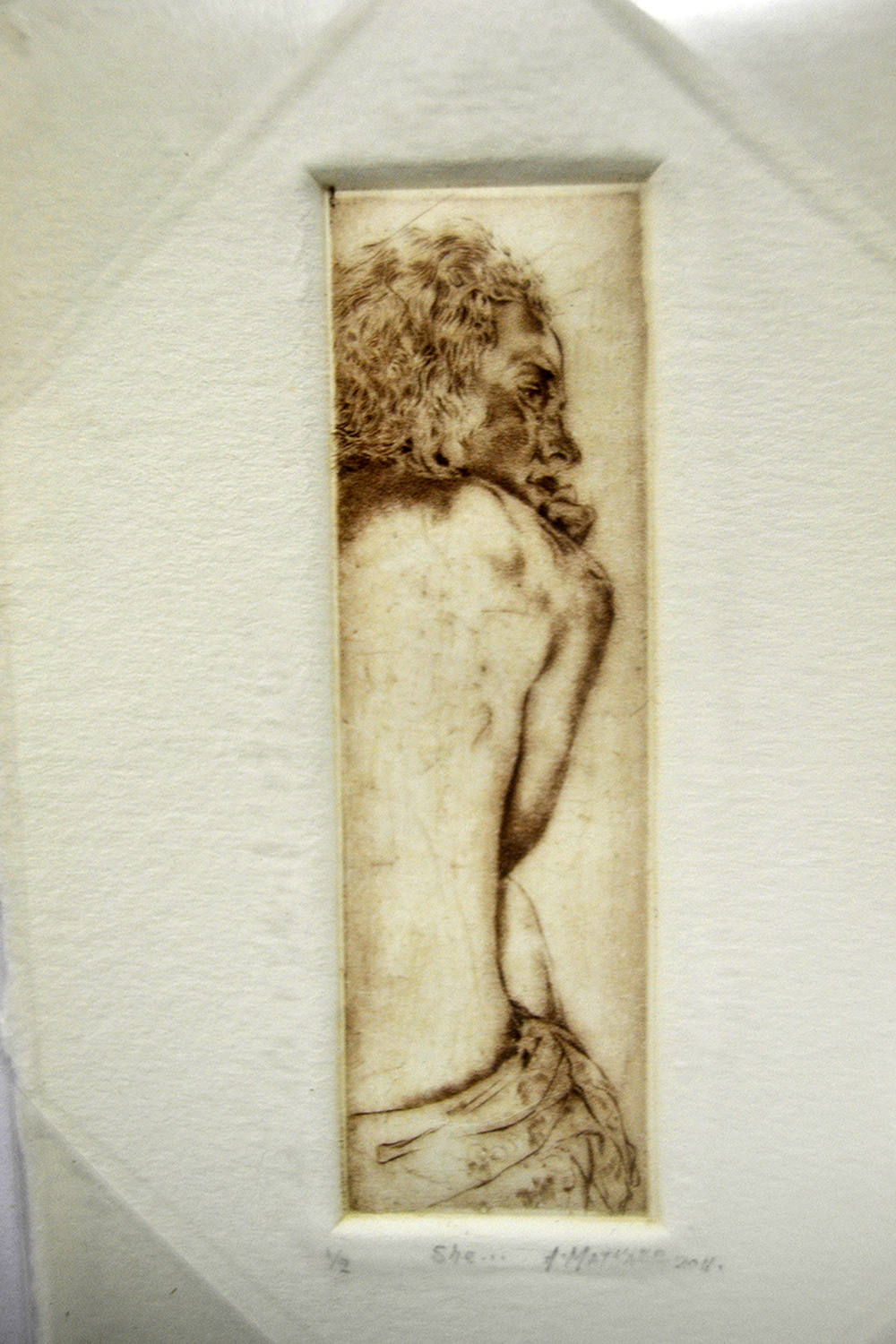
tsotso
Drypoint
7.9cm x 5.2cm
2019
Edition 4.7
More Than a Studio: Reflecting on Legacy in 35 Years of Artist Proof Studio
A Legacy in Printmaking
The final exhibition, one witnessed after the rigorous and often invisible labour of installation, arrived with a sense of weight. Throughout the process of bringing 35 Years of Artist Proof Studio: A Legacy in Printmaking into being, conversations with the Artist Proof Studio (APS) team repeatedly returned to the same sentiment: “This is overwhelming.” The team kept saying, “That feeling is understandable and valid.” Yet, at the encounter of the completed exhibition, the feeling shifted. The weight was no longer only found in the scale of the exhibition, the number of artists represented, or the decades of history contained within the gallery space. Instead, it emerged through the realisation of what it means to hold and present 35 years of commitment, sacrifice, artistic labour, and belief in the possibilities of a different South Africa.
As the exhibition unfolds, it prompts a difficult but necessary reflection: what does it mean to engage with the legacy of an institution founded during a period when many imagined a democratic South Africa built on principles of equality, access, and freedom; ideals that continue to shape cultural institutions today, while many young people experience growing uncertainty, exclusion, and disillusionment? These tensions sit at the centre of 35 Years of Artist Proof Studio: A Legacy in Printmaking. The exhibition is not simply an institutional celebration; it is a reflection on the conditions that allow artistic communities to form, survive, and continue imagining futures.
Founded in 1991 during South Africa’s period of political transition, APS emerged at a moment of significant social transformation. Established by Kim Berman and the late Nhlanhla Xaba, the organisation was built around principles of access, artistic development, mentorship, and creating opportunities for artists to develop technical skills while building independent creative practices. This context is important because it reminds us that APS represents more than a printmaking studio. It represents a model of arts education grounded in exchange, collaboration, and community. The exhibition therefore asks viewers to consider not only what an institution produces, but what it enables.
Presented through a collaboration between Artist Proof Studio and KZNSA Gallery, following its earlier presentation at Strauss & Co in Johannesburg, the exhibition brings together works by APS alumni across generations. Through this gathering of artists, the exhibition creates a dialogue between past and present, revealing how the institution has supported practitioners, educators, and collaborators who continue to shape South Africa’s cultural landscape. The legacy of APS is not only visible through the individual achievements of artists who have emerged from the studio, but through the networks of knowledge that have been created through years of teaching, making, and sharing.
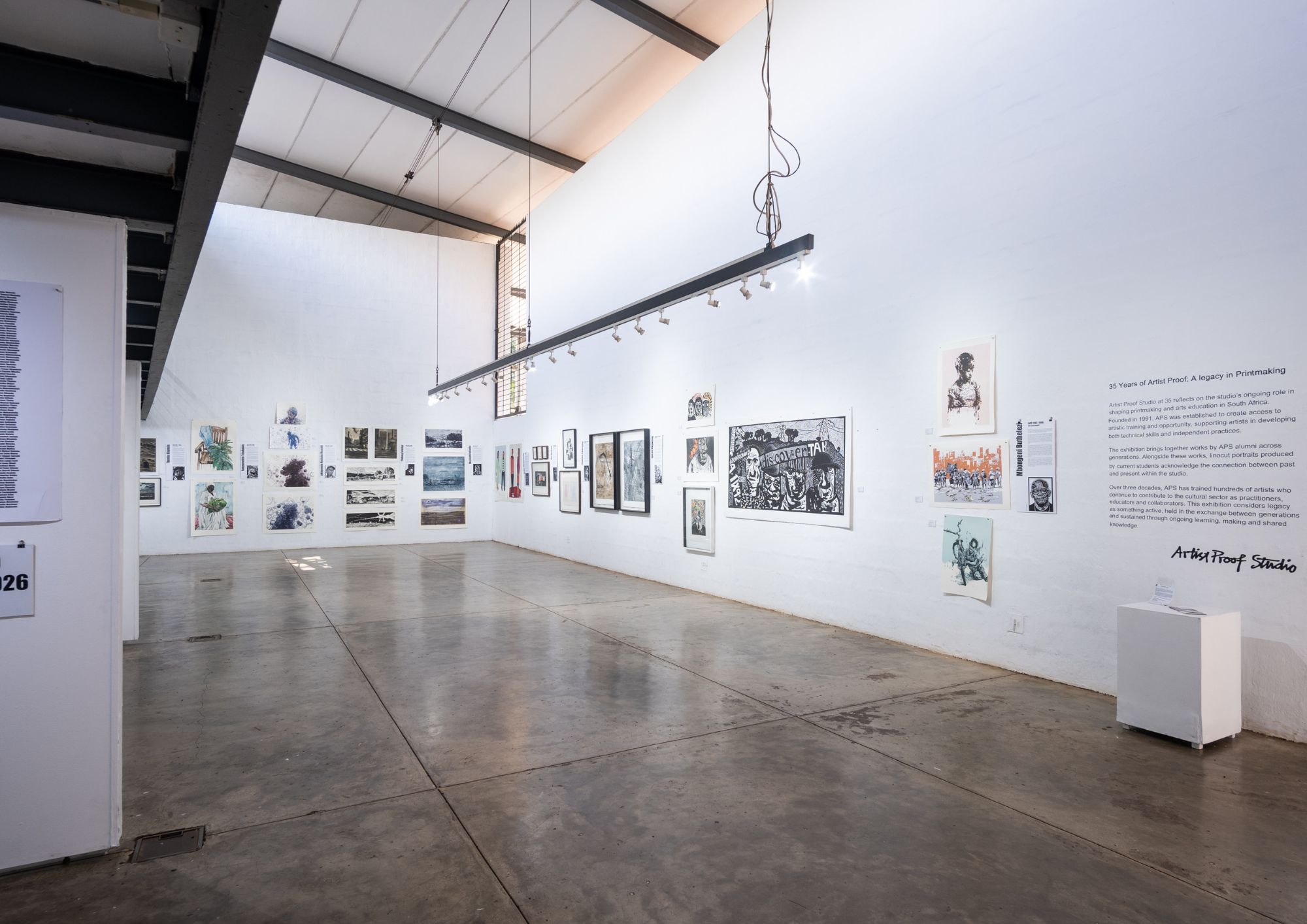
Entering the main gallery space, the viewer first encounters the founders of APS, Kim Berman and Nhlanhla Xaba. This curatorial decision is significant because it establishes APS as both an artistic and social project. The exhibition begins by foregrounding the values that shaped the institution: imagination, community, access, and the belief that art can operate as a tool for connection and transformation. In between the works by Birman and Xaba, a moving image video presents APS’s history. The film becomes an important moment of transition, allowing viewers to travel through the institution’s journey before engaging with the artworks themselves. Rather than functioning only as historical documentation, it encourages deeper reflection on the works that follow and the histories embedded within them.
The exhibition then moves into a timeline mapping key moments in APS’s development. Accompanied by some faces of selected alumni, the timeline functions as both archive and testimony. The inclusion of artists such as Nelson Makamo, Philemon Hlongwane, Colbert Mashile, and others as part of the APS alumni demonstrates the significant role APS has played within South Africa’s contemporary art landscape. However, the importance of the timeline is not only in recognising individual success. It reveals the wider ecosystem that allows artists to emerge. APS is presented as a living archive – one shaped by generations of artists, educators, mentors, and communities.
One of the exhibition’s strongest curatorial decisions is its refusal to separate institutional history from artistic production. The archival material, historical timeline, and artworks exist in conversation, allowing APS to be understood as a constantly evolving space rather than a fixed institution. This becomes especially meaningful when considering the relationship between printmaking and social history. Printmaking has long been connected to accessibility, circulation, and political communication. Within South Africa, the medium has played an important role in documenting resistance, questioning power, and representing lived realities. The works within the exhibition continue this tradition while expanding beyond direct political commentary. They explore identity, belonging, domestic life, memory, labour, and personal experience, demonstrating the continued ability of printmaking to hold complex and layered narratives.
A particularly powerful section of the exhibition is the inclusion of works that survived the APS fire that happened in 2003. These damaged works operate as more than historical remnants. They become symbols of resilience, reflecting the vulnerability and endurance of artistic communities themselves. Their presence transforms loss into a meditation on survival and continuity. At its strongest, the exhibition reveals APS as an ecosystem rather than simply an educational institution. It is a space where artists develop technical abilities, but also where confidence, critical thinking, and artistic voices are cultivated.
This is where the role of arts education becomes particularly significant. In contemporary South Africa, where emerging artists continue to face challenges around access, funding, institutional support, and the sustainability of creative practices, spaces such as APS remain essential. Arts education is not only about developing artistic skill it also creates environments where artists can question, experiment, imagine, and respond to the realities around them. At a time when artistic freedom is increasingly shaped by economic pressures and limited opportunities, institutions that support independent creative thinking become important sites of resistance and possibility.
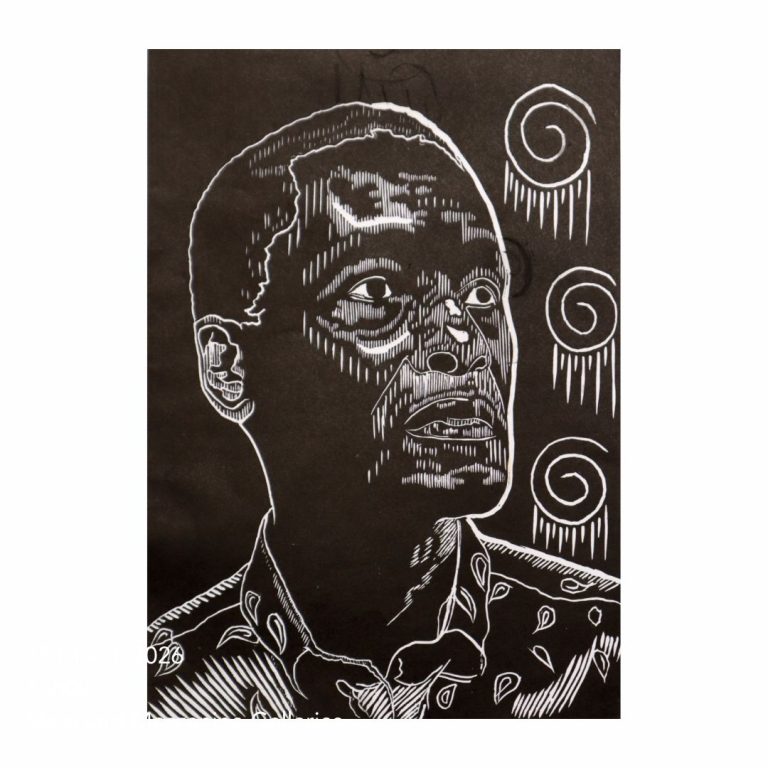
The artists presented in the exhibition demonstrate the diverse ways APS has enabled such practices to develop. Philip Mabote’s relationship with lino printing reveals the medium as both a technical process and personal language. His approach highlights the meditative qualities of printmaking, where the physical act of carving becomes connected to reflection, patience, and self-understanding. Similarly, Lehlogonolo Mashaba Masoabi work expands contemporary conversations around print through explorations of science, technology, anatomy, architecture, and the relationship between human and mechanical systems. His hybrid forms reflect contemporary anxieties around identity and transformation in an increasingly technological world. Other artists such as Tshegofatso Nkhumeleng and Nkosana Nhlapo engage with everyday experiences as important sites of artistic inquiry. Through explorations of domestic spaces, family, care, and identity, these works demonstrate how personal histories can become broader reflections on society. Perhaps APS’s most enduring contribution is how they have created conditions where artists are able to transform lived experiences into meaningful artistic expressions.
However, the scale and ambition of the exhibition also create challenges. Representing 35 years of institutional history and numerous artistic practices is a complex undertaking. At times, the breadth of the exhibition risks moving quickly across individual artists, with some practices becoming absorbed into the larger narrative of APS’s success. This tension raises an important question: is the exhibition ultimately about the artists, or about the institution that supported them? This makes me wonder if the strength of the exhibition lies precisely in this unresolved relationship? APS has always existed between these two positions , as a space for individual artistic development and as a collective social project. The exhibition reflects this duality. Ultimately, then 35 Years of Artist Proof Studio: A Legacy in Printmaking is not simply a retrospective. It is an examination of what institutions make possible.
The exhibition reminds us that artistic legacies are not fixed achievements preserved in history. They are living processes sustained through mentorship, education, collaboration, and exchange. APS’s greatest legacy is therefore not only the artworks produced within its walls, but the futures it has enabled artists to imagine. At a moment when many young artists are questioning access, belonging, and sustainability within the cultural sector, the exhibition offers both celebration and critical reflection. It asks what it means to build and maintain spaces where creativity, knowledge, and artistic freedom can continue to exist. More than a studio, APS emerges through this exhibition as a community, an archive, and an ongoing conversation about the role of art and arts education in shaping collective futures.
By Azola Krweqe for KZNSA Gallery
June, 2026