ifa crafted Heritage Documentation
Date
People
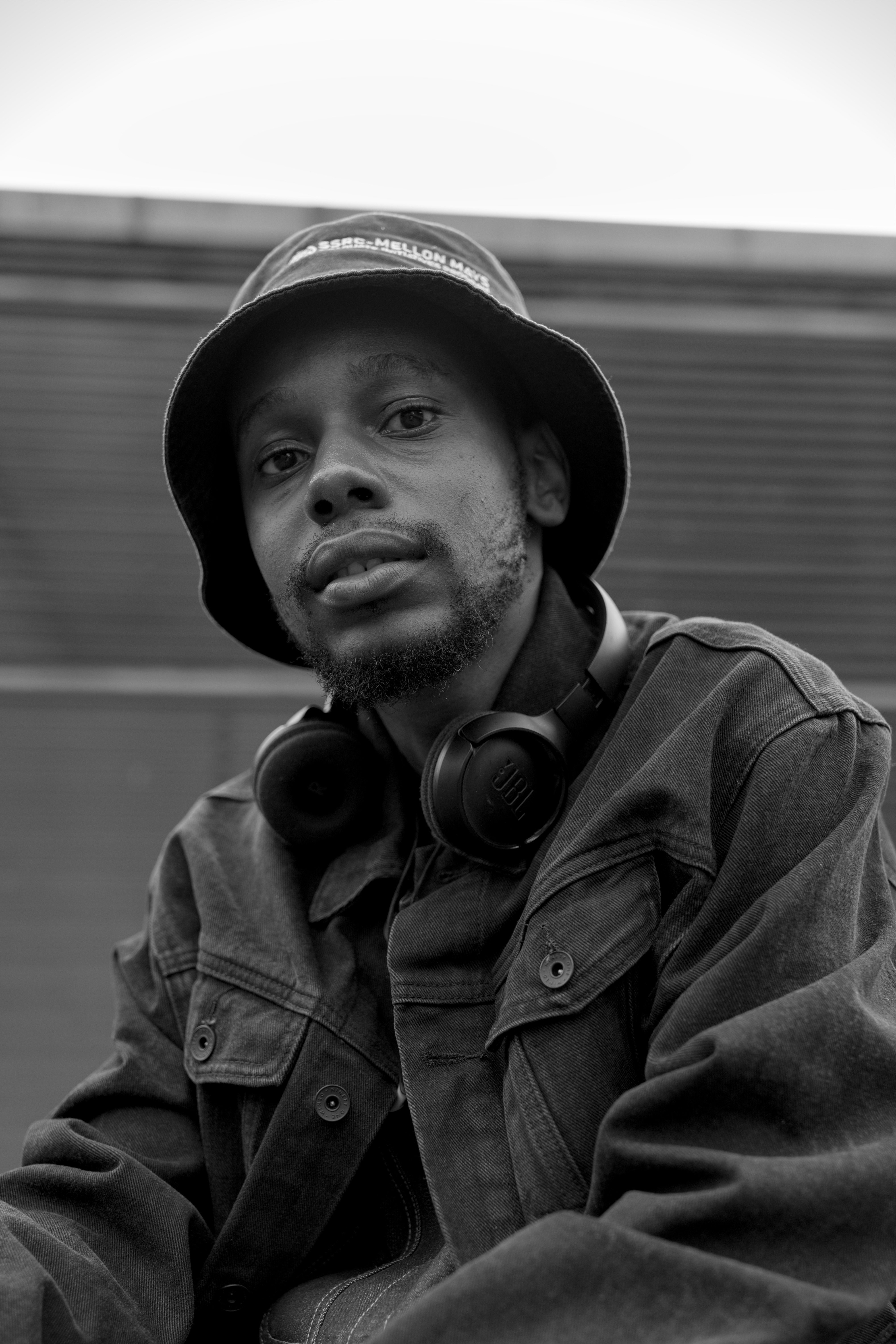
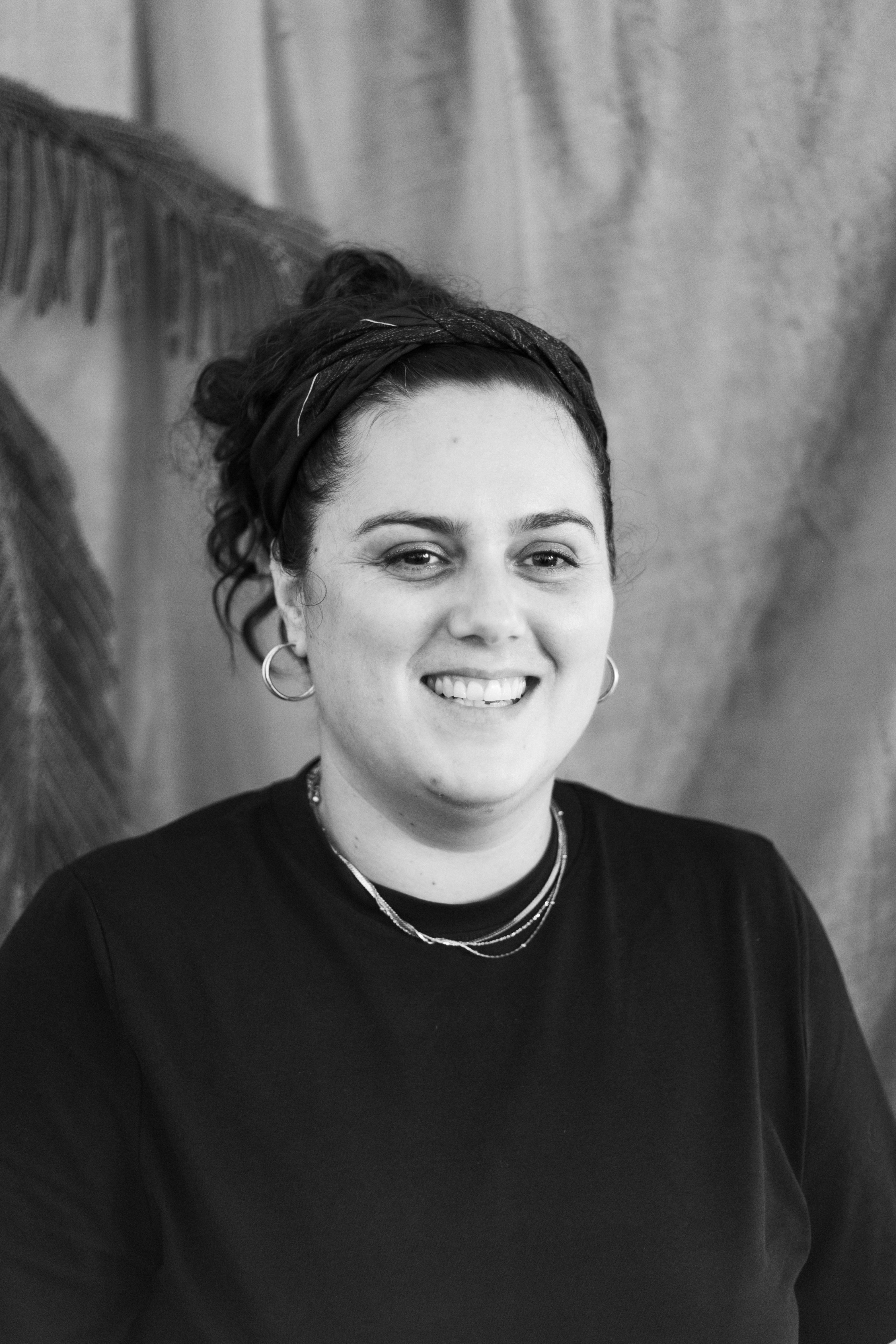
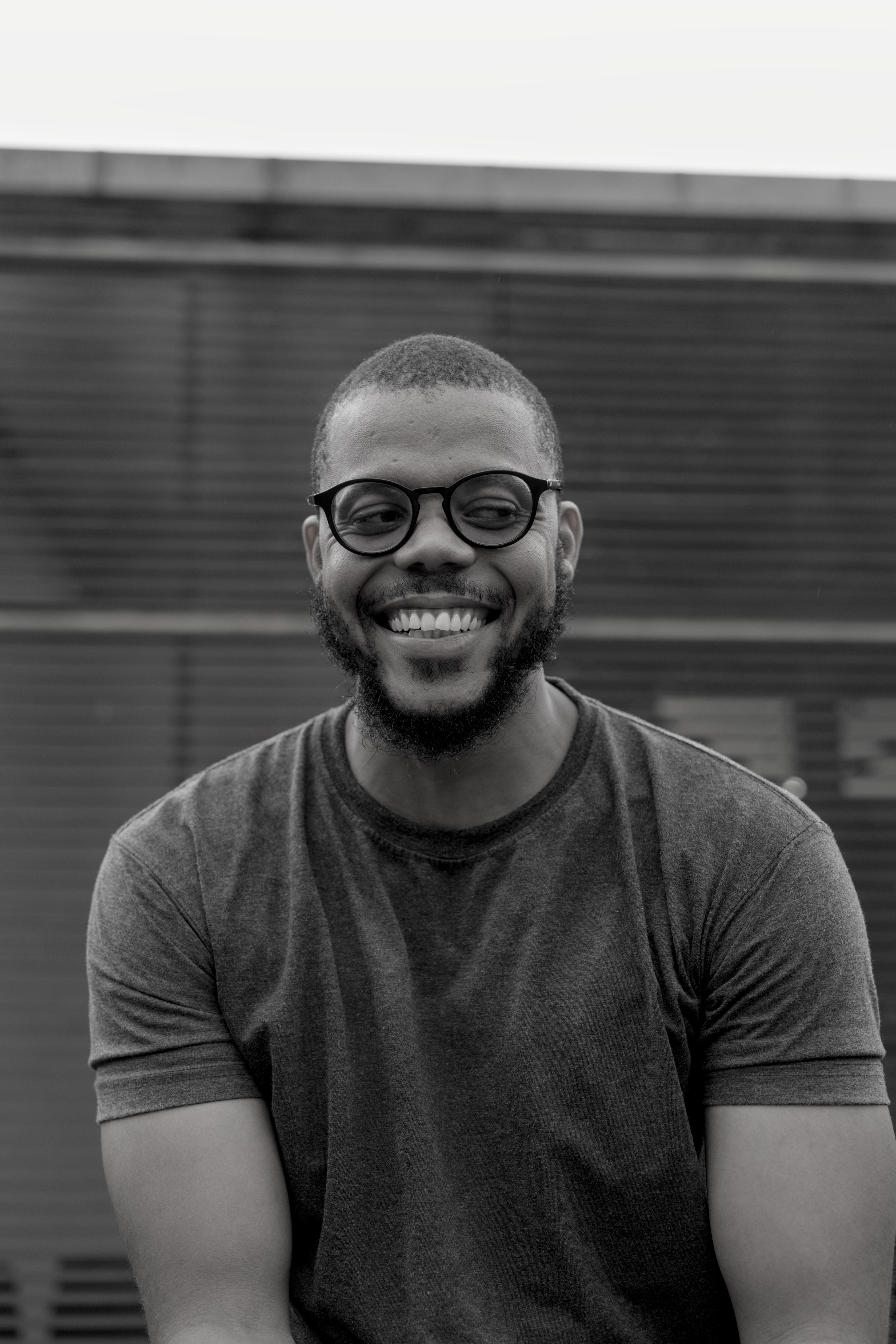
Lead researchers & writers
Dr Rachel Baasch
Russel Hlongwane
Snesizwe Mahlalela
Photographic Documentation
Niamh Walsh-Vorster – Heritage
Paulo Menezes – Product
Director of Photography
For more Info, contact us on: gallery@kznsagallery.co.za
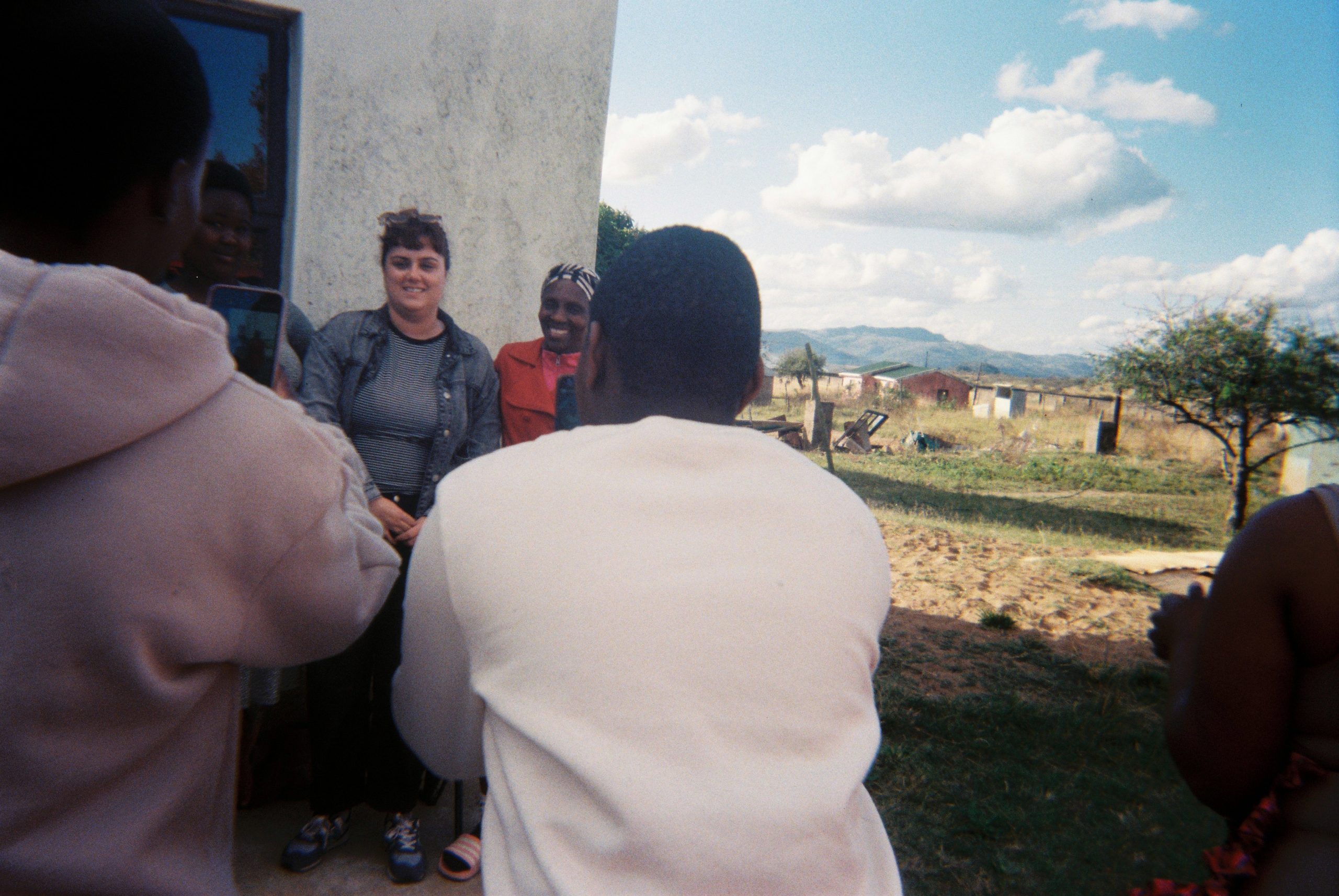
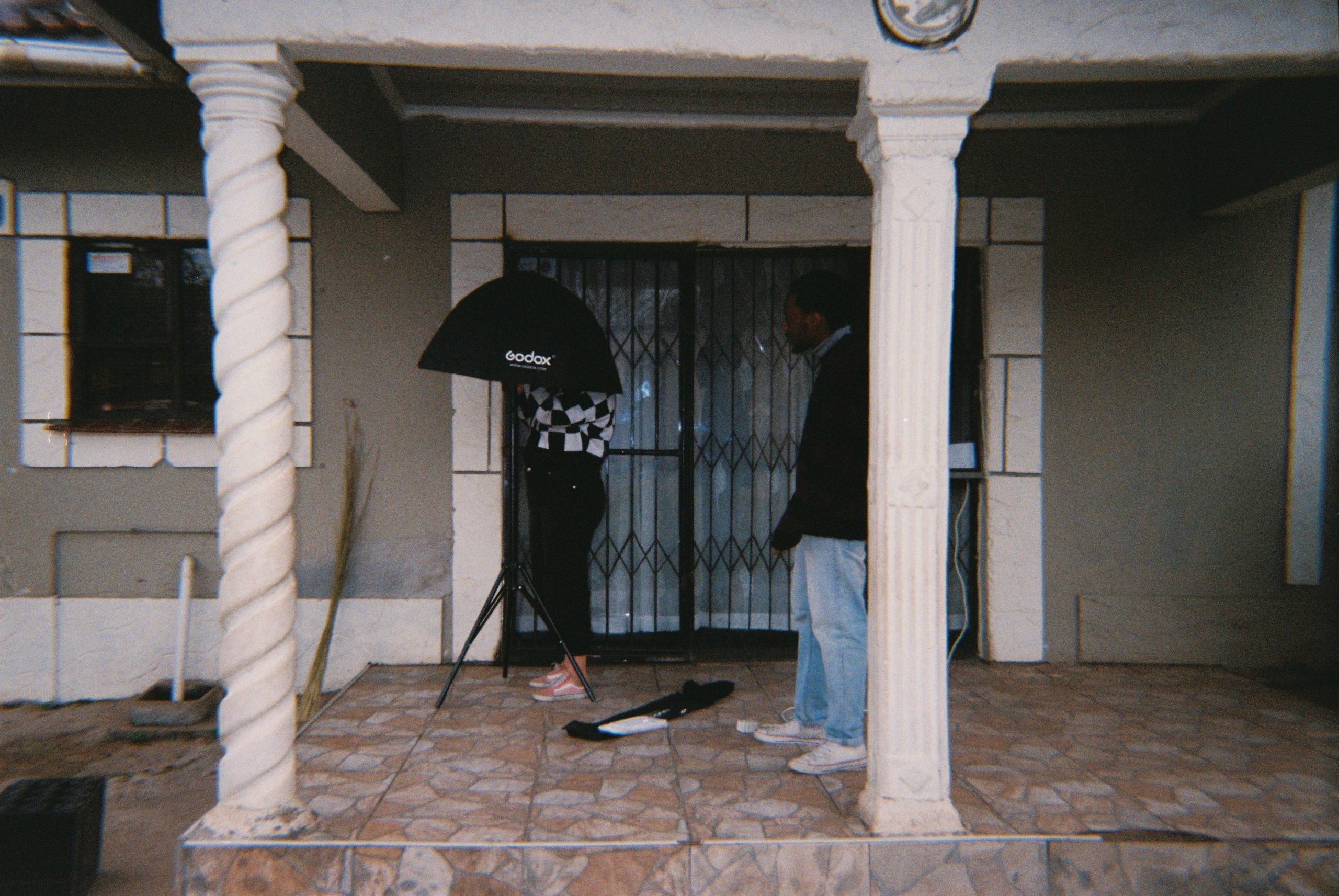
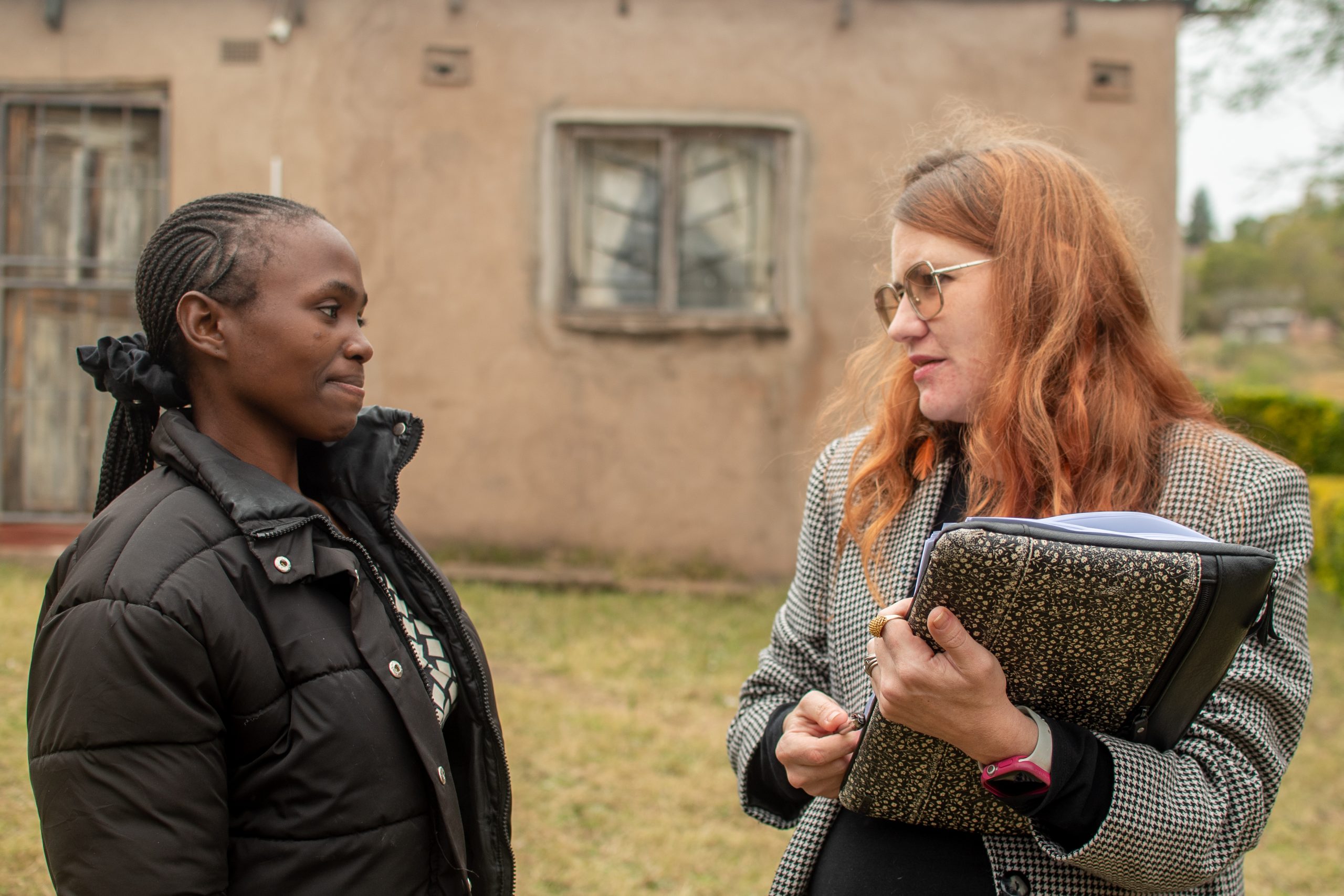
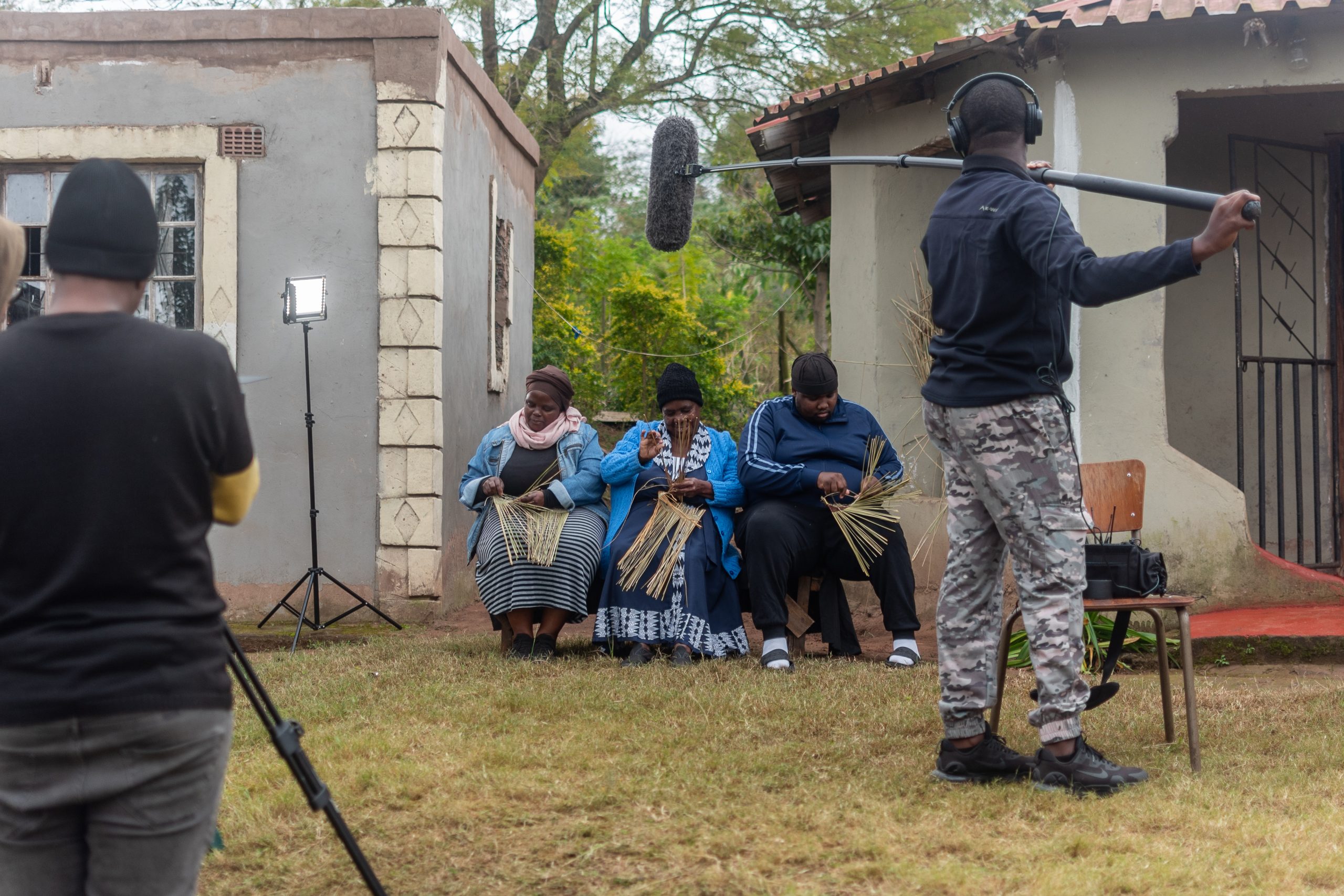
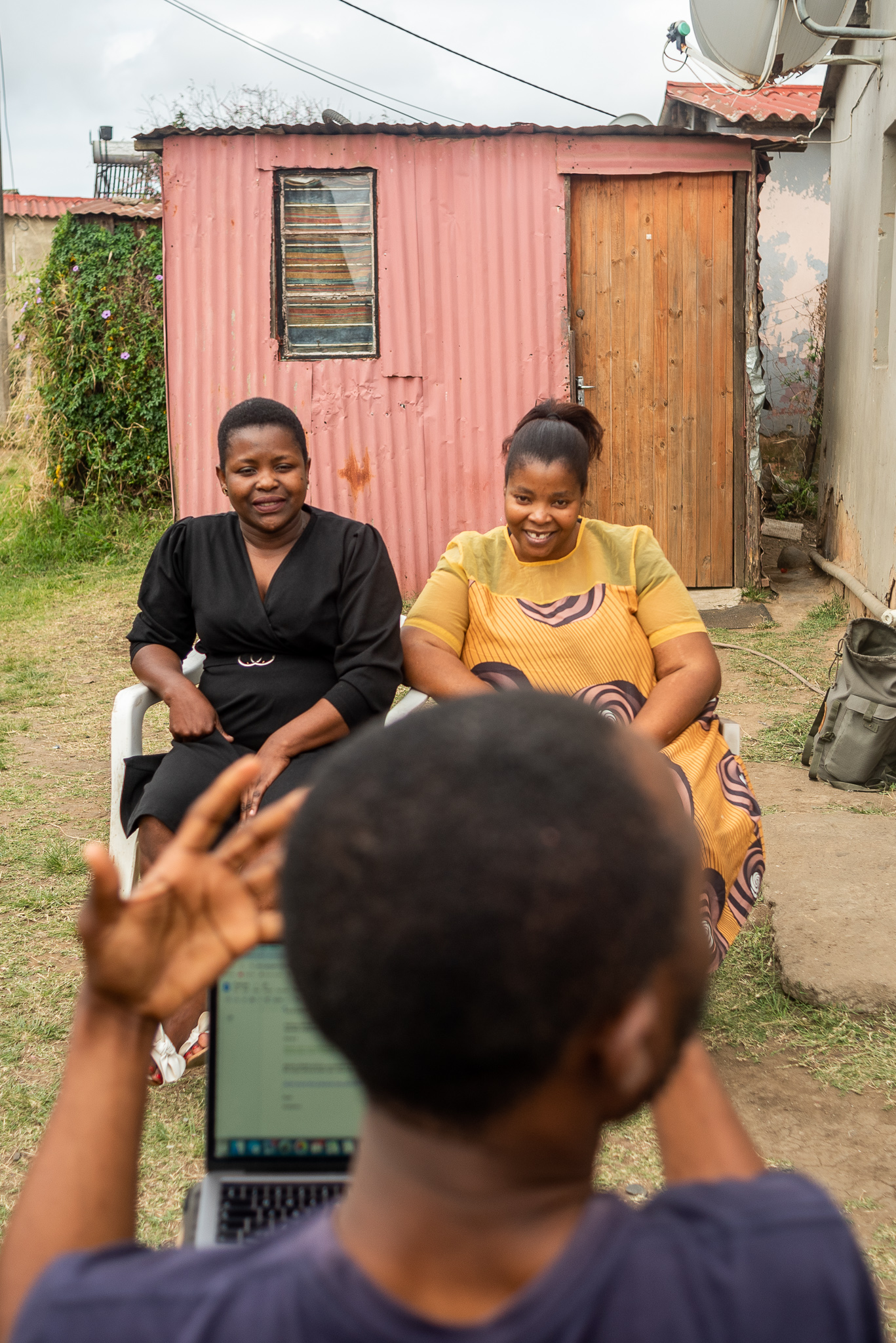
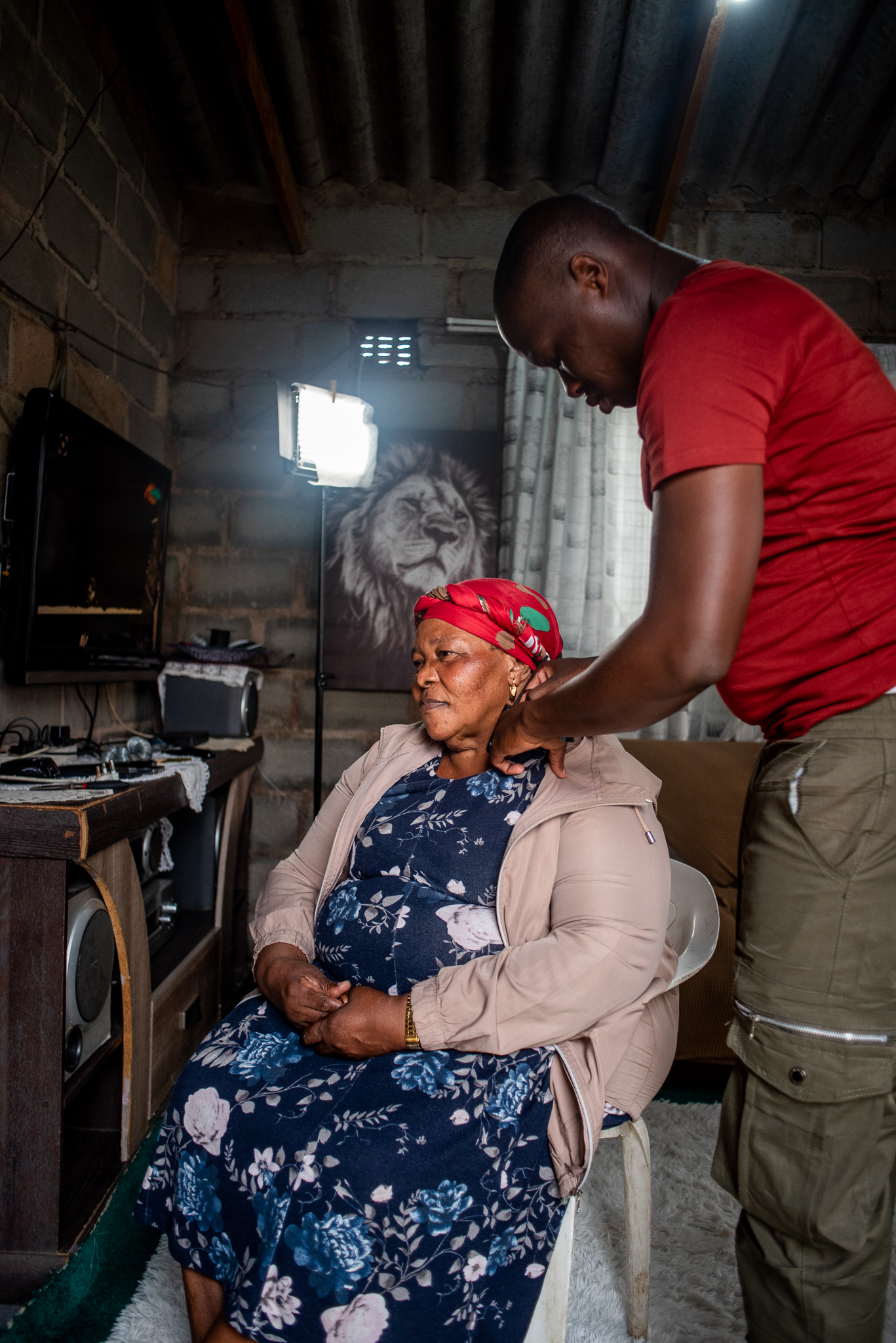
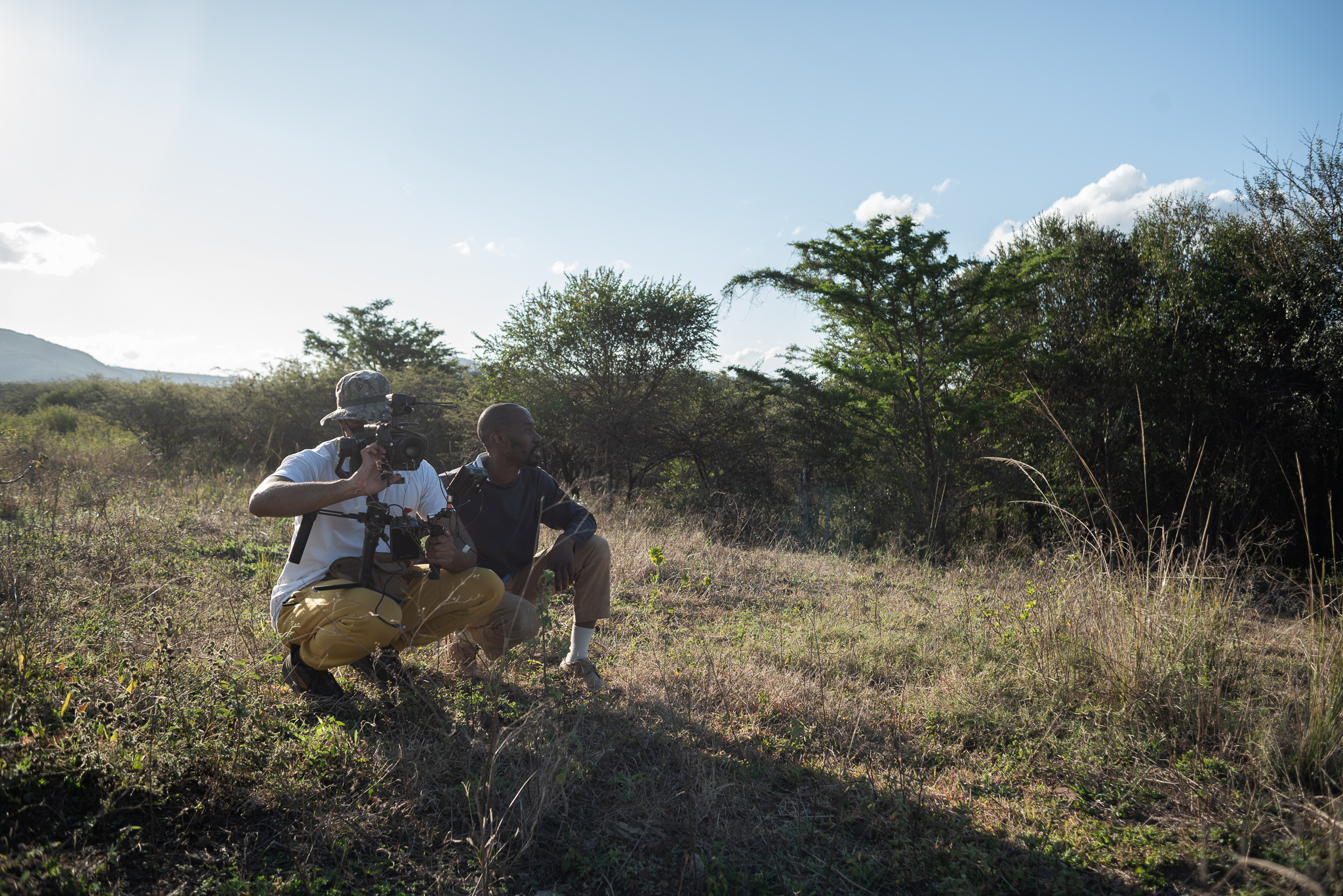
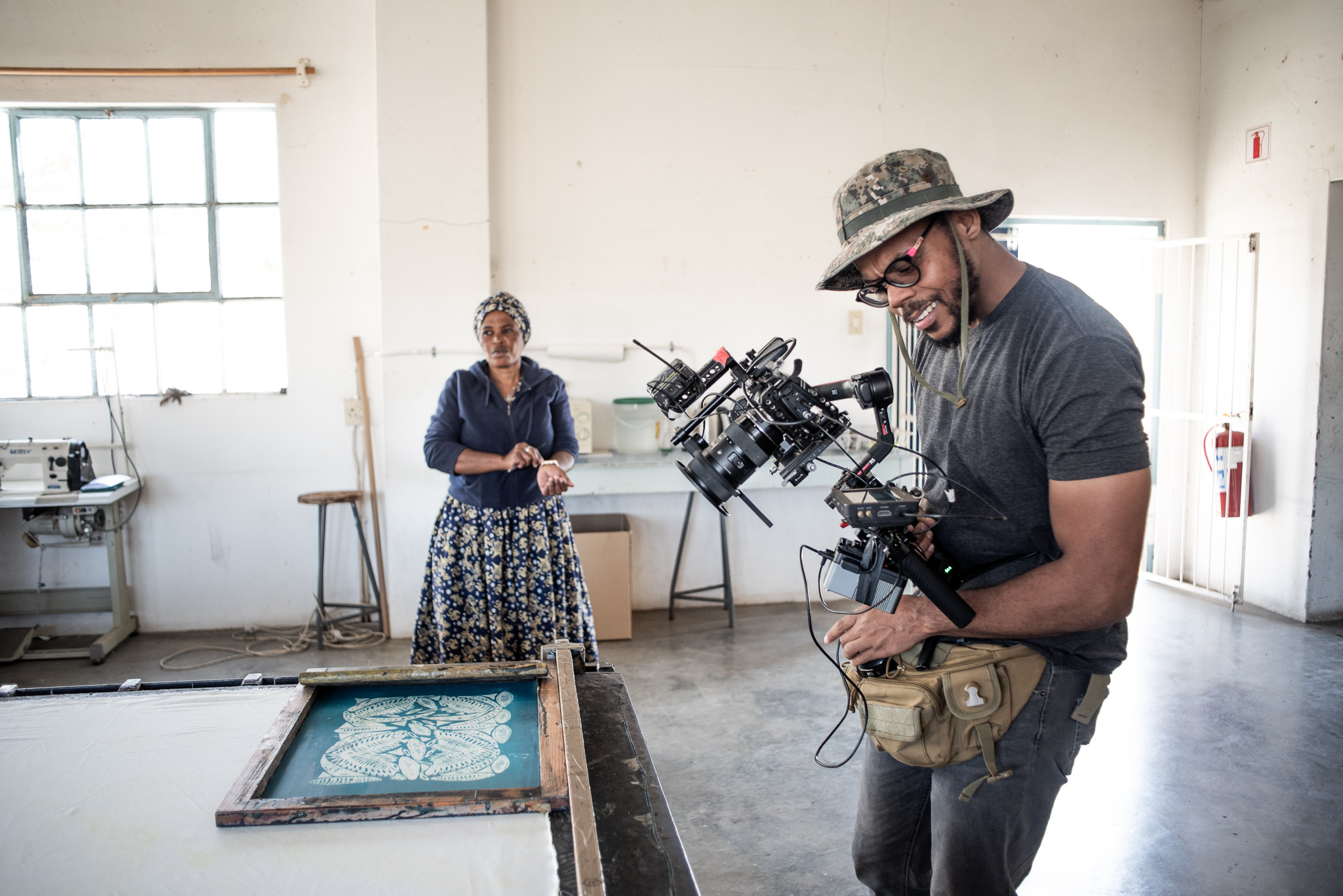
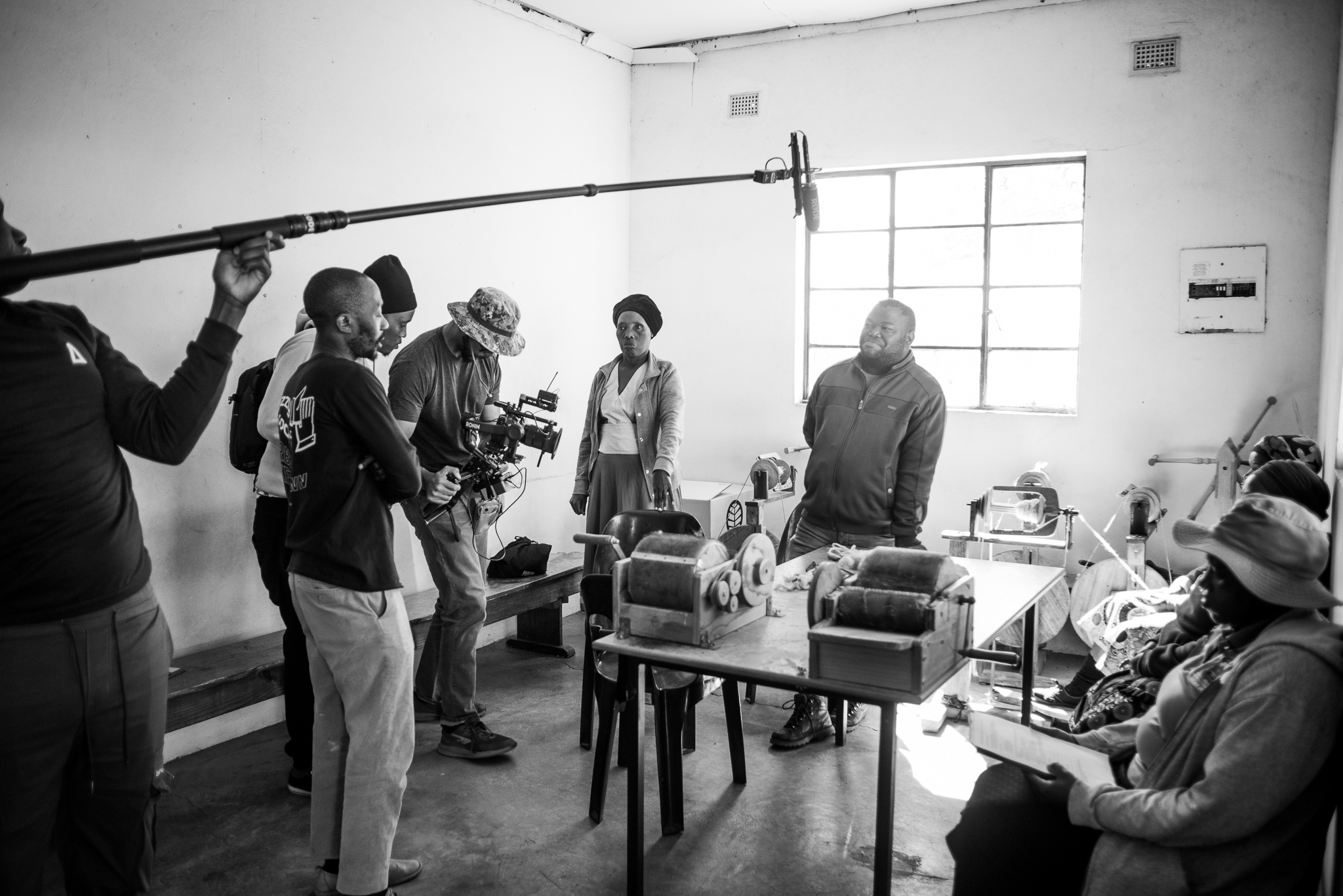
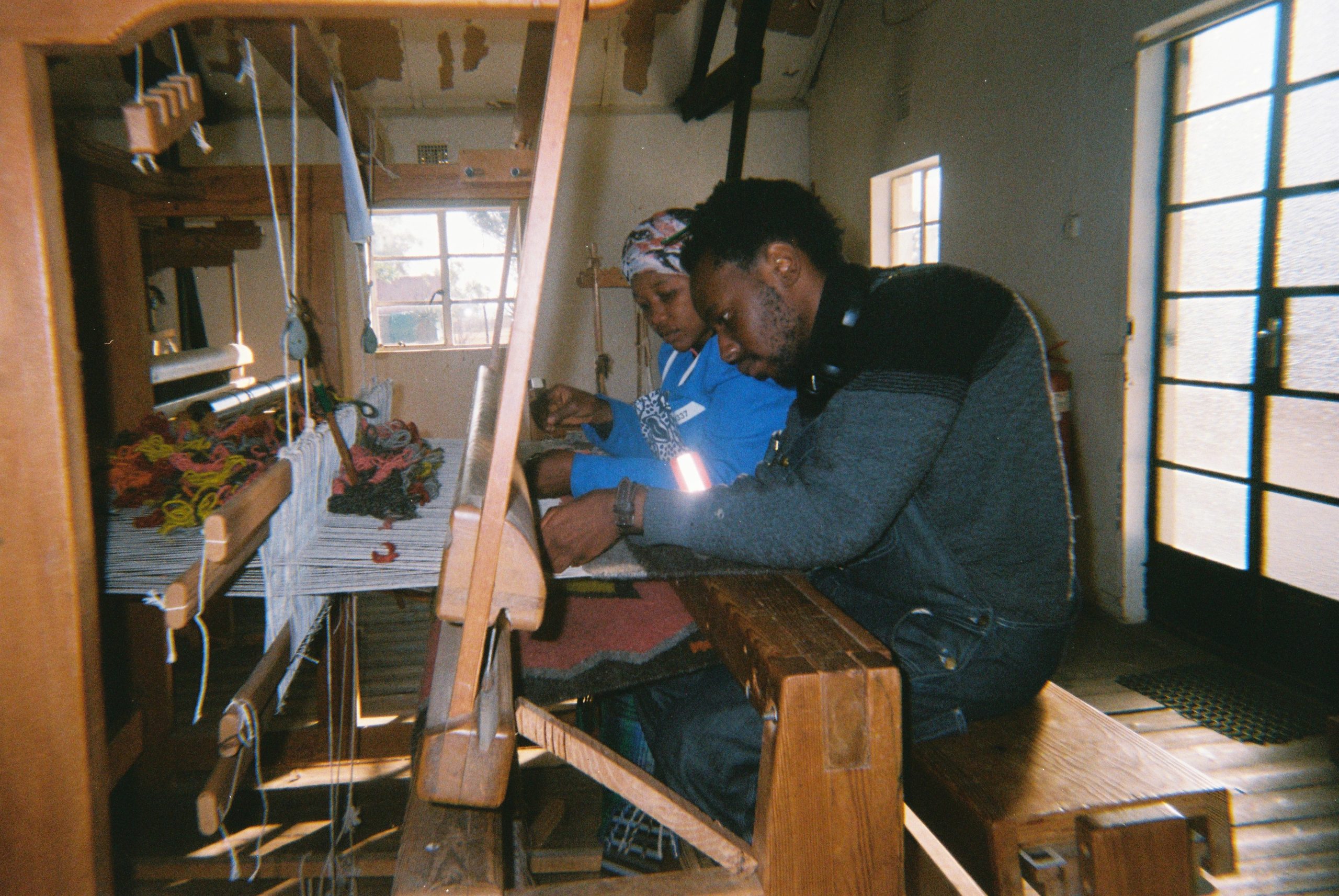
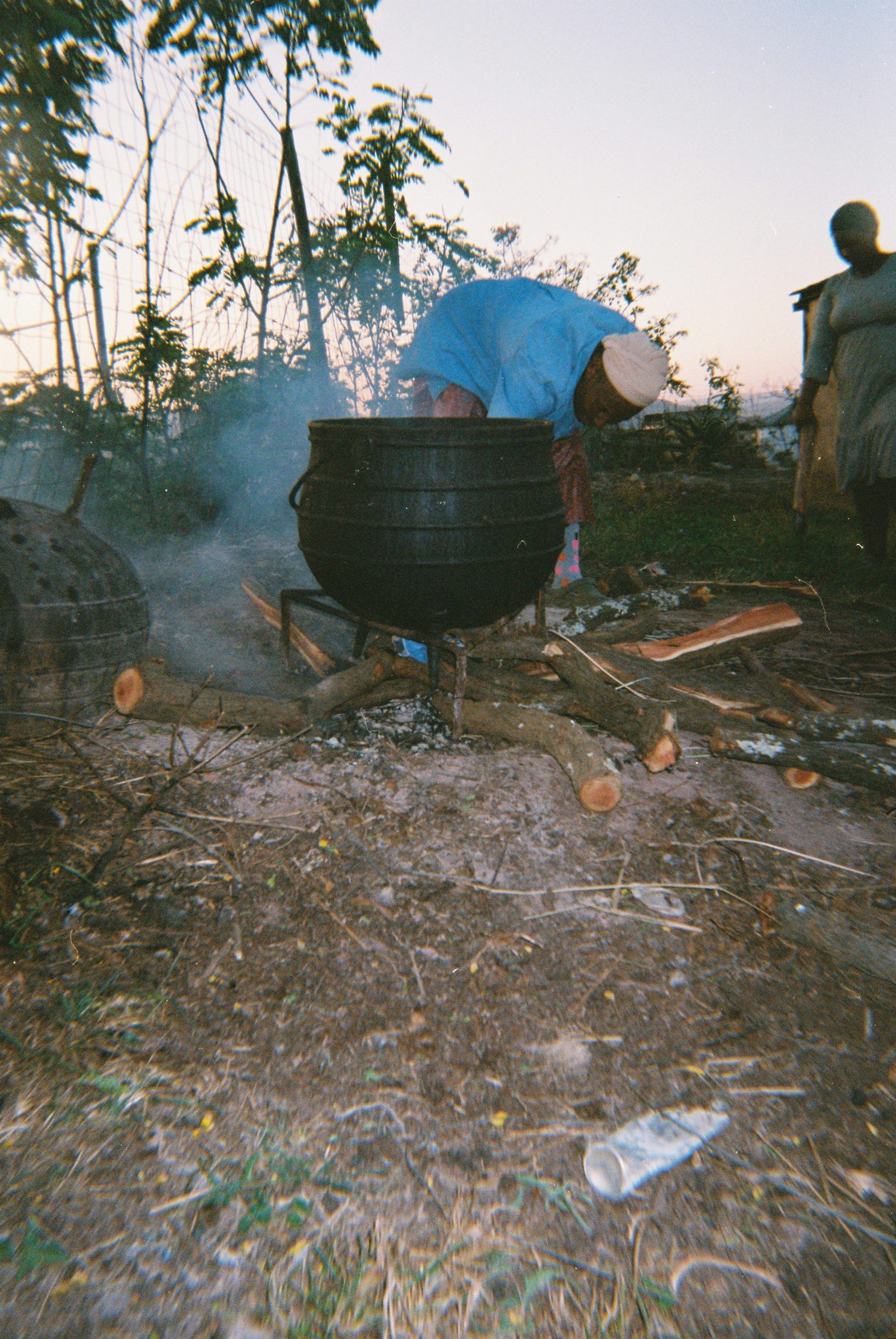
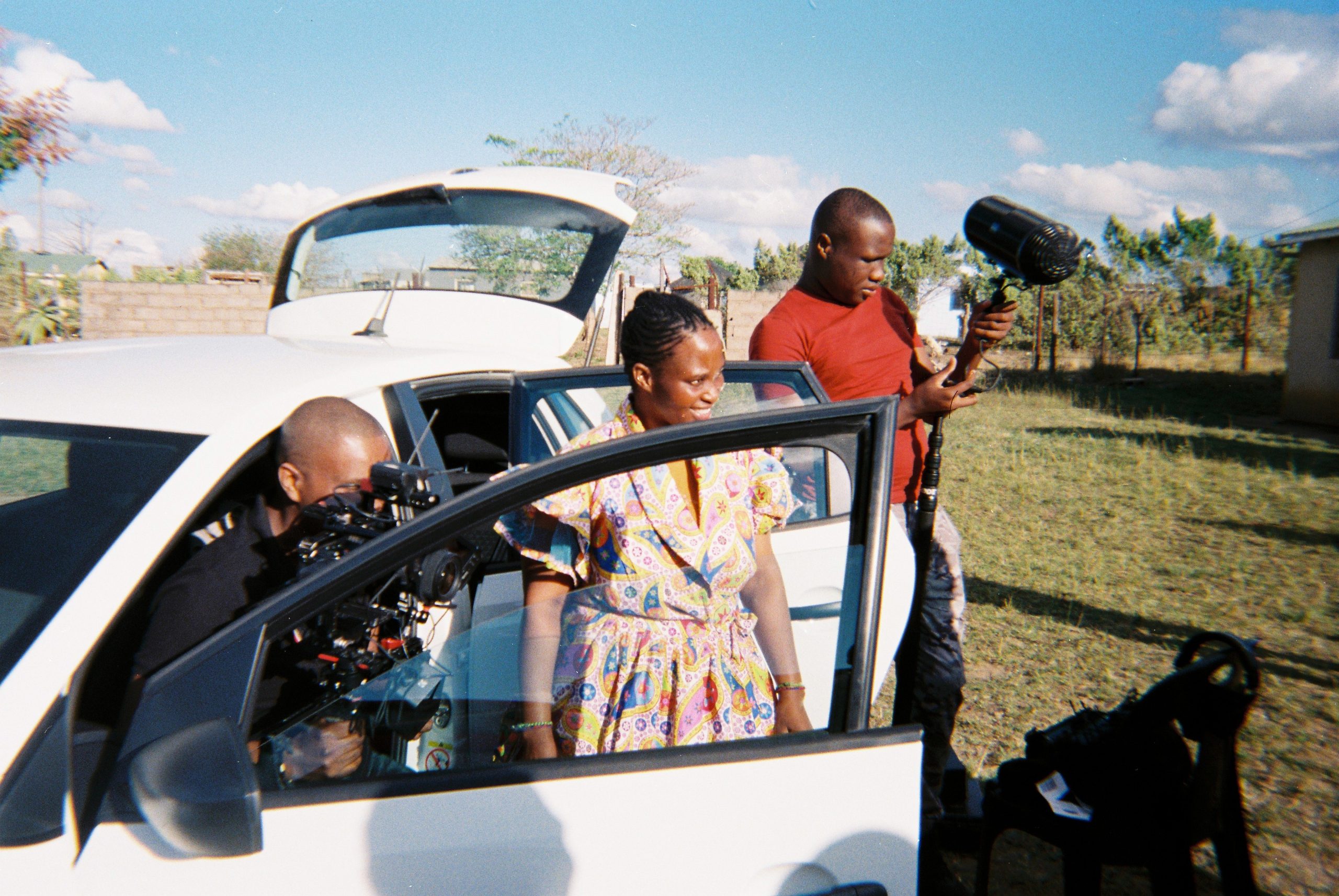
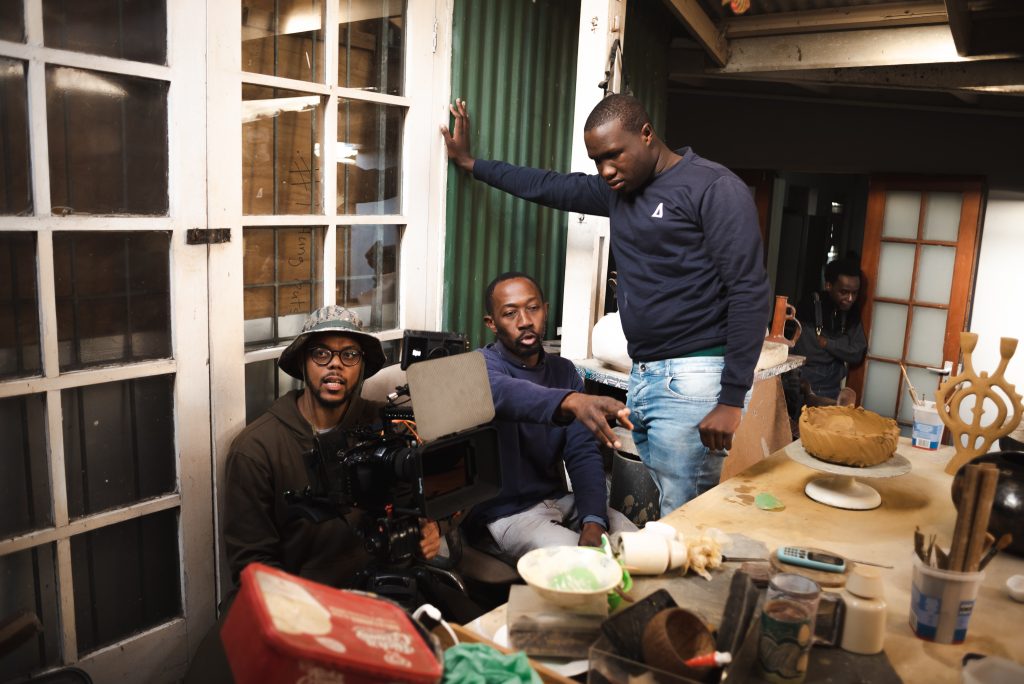
The Arts Research Lab (ARL) served as the heritage documentation team for ifa crafted, leading an extensive research, writing, photography and videography process that records and contextualises the practices of crafters across KwaZulu-Natal. Through engaged, site-specific fieldwork, the team documented techniques, materials, oral histories and lived experiences that form part of the province’s rich craft traditions.
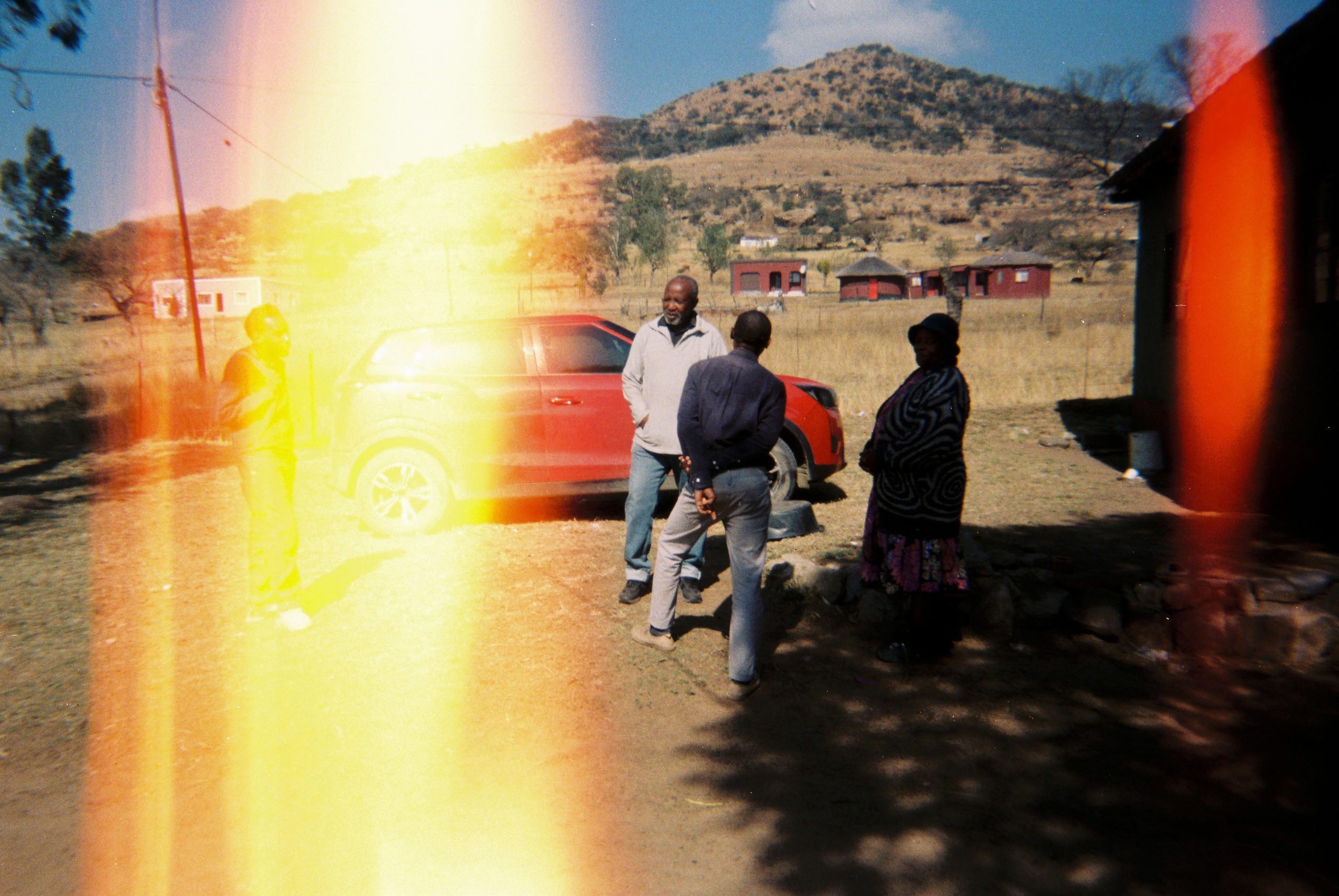
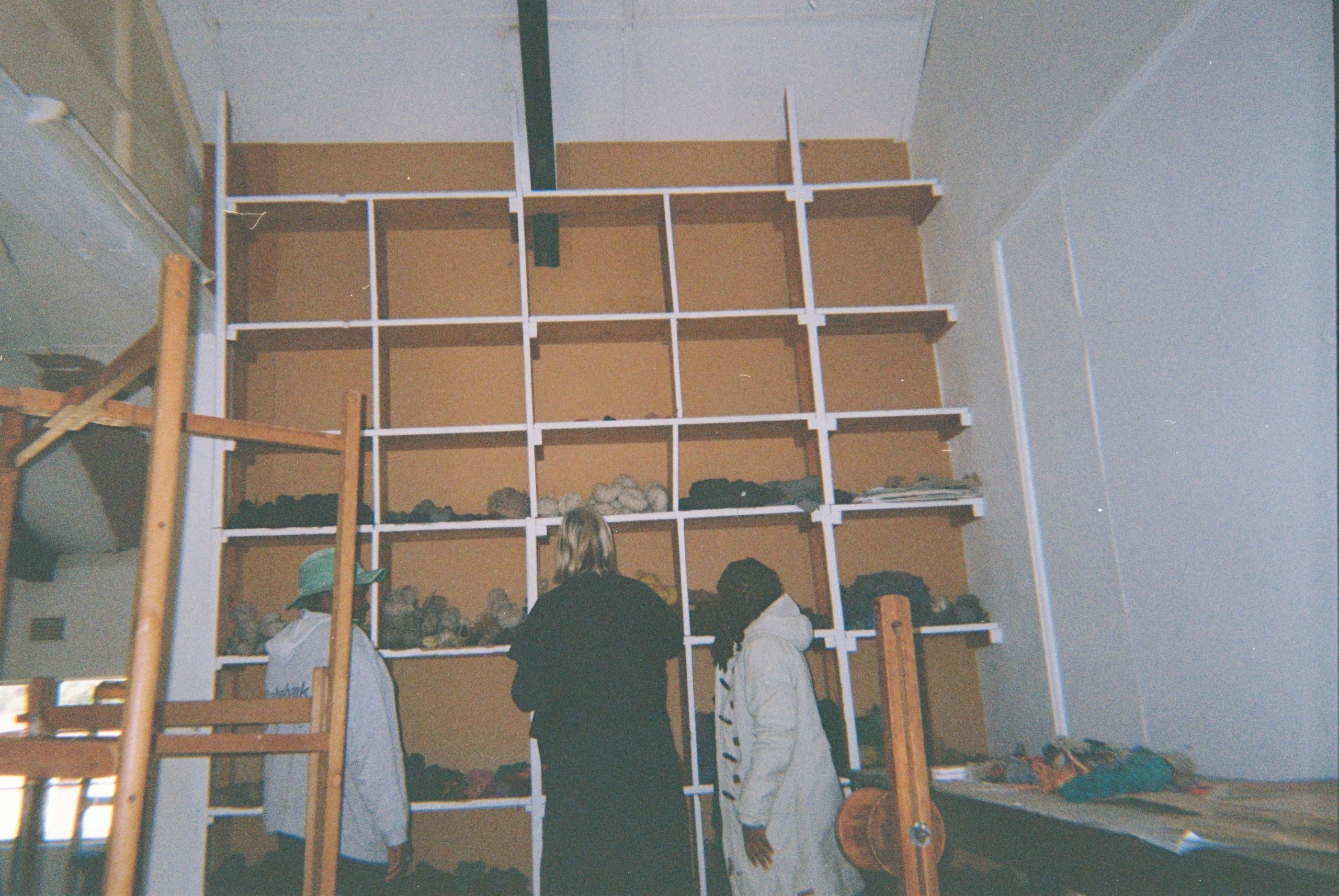
Working across six locations, from Phansi Museum to KwaHlabisa and Rorke’s Drift, the ARL produced a substantial body of work including professional portraits, biographies, process photography, photovoice contributions, short-form documentary videos and a critical research essay. These outputs support both heritage preservation and market access by elevating the visibility of participating crafters and strengthening public understanding of their cultural and historical significance.
The project positions makers as custodians of living heritage and contemporary creative practitioners whose work moves fluidly between art, craft and design. By highlighting their knowledge systems and creative identities, the documentation process worked on employing ethical practices, uplifting professional recognition and new opportunities for collaboration. It also contributes to long-term economic sustainability through the development of archival records, intellectual property assets and accessible materials for exhibitions, learning and future research.
Funding was awarded to the KZNSA Gallery by the First Rand Foundation. ARL were commissioned to conduct the research and heritage documentation component of the project.
The Inbetween
An Essay by Sinesizwe Mahlalela, Russel Hlongwane, Rachel Baasch, Siddiqa Balim and Samuel Jordan
Produced by the ArtsResearchLab and published by the KZNSA, 2025
The objective of this essay is to connect a few key points; namely the rationale for the theme and its relevance to the exhibition as well as to Durban as a city. The essay also clarifies the method of working between writers and artists (writing with, rather than on, artists). It brings to bear the artistic mechanisms of a group exhibition built around artists who have been working alongside one another and sharing their process at set intervals. Lastly, this printed object is a record of a pilot project whose aim is to inform a research focus within the core activities of the KZNSA.
“By thinking and dreaming beyond the status quo, they fast-forward to creatively inhabit city futures that have already arrived in the global South.”
– Kim Gurney, Panya Routes: Independent Art Spaces in Africa
Durban, like many cities, is a place where both physical and conceptual borders dissolve, reductive categories blur, and identities are in constant flux. Under question here are the everyday negotiations shaped by and shaping urban encounters tethered to fluid circulations and layered Indian Oceanic histories.
Thinkers such as Gilmore, Hall, and Glissant spoke across the Atlantic on this topic of cultural hybridity; whereas closer to the Indian Ocean, Homi K. Bhabha (1994) posited the ‘in-between’ – a generative space where transformation thrives, narratives are reimagined, and boundaries don’t confine but invite movement, hybridity, and (re)creation (1)
Specific to Durban, scholar Rachel Matteau Matsha (2014) describes the city as a dynamic interoceanic landscape shaped by historical entanglements, intellectual exchanges, and transnational networks2. Through her analyses of figures like John Langalibalele Dube and Mohandas Gandhi, as well as representations of the city’s maritime underworld in literature, she reveals Durban as a site where cultural and ideological currents converge. It is both a meeting point and a contested space where histories, identities, and narratives are constantly negotiated. It is precisely around such matters of cultural fault lines and the intersecting binaries of place and people, that this exhibition attempts to grapple with.
This text and its printed form lodges itself upon the ‘in-between’ with the view to articulate such a zone as one imbued with productive potential, and a habitable one for artists, albeit uneasy, yet possible. It serves as a platform to document and celebrate what becomes possible when artists and researchers collaborate to ask questions, and engage in deliberate creative inquiry through their practice.
Having identified the limited attention and material afforded to Durban’s contemporary art scene, the ArtsResearchLab seeks to fill this perceived lack. This essay reflects on the conversations, work and ideas generated through the ArtsResearchLab incubator project.
ArtsResearchLab, an initiative of the KwaZulu-Natal Society of the Arts (KZNSA), is dedicated to expanding research in the arts beyond the confines of traditional academic contexts. Through a collaborative project with the University of the Arts Bremen (HfK) and the Durban University of Technology (DUT), this iteration of the ArtsResearchLab supports practice-based research, experimental storytelling, and explorative process-oriented methodologies.
This essay invites readers to reflect on how art can arise in ‘off-centre’ spaces like Durban. Can Durban, as a city on the periphery of South Africa’s cultural centres, be a fertile ground for creative experimentation precisely because of its ‘off-center’ status? Together, the exhibition and the essay function as interconnected mediums for narration, interrogation, and contemplation.
Between… where boundaries blur and stories emerge
The group exposition, in this case, is one form of enquiry in a process of artistic introspection on Durban’s placement within South Africa’s cultural landscape, and, more broadly, within the global context. The city’s fertile grounds by way of (political and social) history, as attributed to its port, fuel a constant circulation of people, goods, and ideas that catalyse space for the negotiation of cultural identity and economic exchange. Perhaps this could render it an attractive environment to practice away from the ‘performativity of industry’? This becomes particularly pertinent in the context of visiting artists from the Hochschule fur Kunste (HFK) University in Bremen, Germany, who, we could say, enter South Africa from the
‘other side’. The exhibition responds to these questions as the individual artist’s creative output is shaped by the Durban milieu.
The exhibition reflects how each artist’s practice (or the collective effect of their works) forms a pathway to understanding the ‘in-between’. Artists such as Tabea Erhart and John Sempe embody this dynamic process. Erhart’s evolution from abstract sketches in Bremen to detailed, observational renderings in Durban captures a transformative dialogue between familiar and foreign landscapes. While Sempe’s immersive video work surrenders to the city’s organic rhythms in order to reframe seemingly ordinary urban space. Their practices underscore how the negotiation of transition and hybridity invites a deeper engagement with the ‘in-between’ as a space of creative reinvention.
However, these boundaries, whether physical, psychological, ideological, or tied to statehood do not remain fixed. They blur through artistic practice, personal encounters, and the collaborative nature of this exhibition. The artists engaged in this project have found ways to cross, stretch, and redefine these thresholds. Some have expanded their practices by working outside their usual mediums, while others have formed connections that reshape their perspectives on place and belonging. Beyond the formal aspects of the exhibition, new relationships and artistic constellations have emerged. How has Durban with its particular rhythms, contradictions, and histories accelerated new ways of seeing for the artists? How have collaborations between artists from different geographies opened new dialogues about migration, adaptation, and rootedness?
The artists in this project become navigators of these spaces. Through sensory engagements, printed materials, and dynamic reflections on urban landscapes, their practices transform everyday elements into conduits for layered storytelling. Their varied approaches collectively embody the spirit of the in-between, where identities, stories, and creative methods constantly evolve, connect and overlap. In a world increasingly defined by the rigid articulation of borders (physical, cultural, and ideological) engaging with porous, ever-shifting boundaries becomes an exercise in embracing a multiplicity of narratives and the transformation of perspectives this can encourage.
Off-Centre and in-between
Durban is positioned in the margins of South Africa’s cultural hubs, with Johannesburg and Cape Town occupying dominant roles in the country’s art and creative industries. While this ‘off-centre’ position comes with its own challenges, being on the periphery can arguably serve to shield artists from the expectations of dominant cultural hubs, allowing for shifts in perspective and experimental practices to flourish.
The Durban-based artist and architect Doung Jahangeer engages with the in-between nature of the city of Durban in his own practice-based work. He quotes the work of bell hooks as part of his city walk initiative.
I am located in the margin. I make a definite distinction between that marginality which is imposed by oppressive structures and that marginality one chooses as a site of resistance – as the location of radical openness and possibility. …. [in that space] we are transformed, individually, collectively, as we make radical creative space which affirms and sustains our subjectivity, which gives us a new location from which to articulate our sense of the world3.
In this creative environment, artists are encouraged to explore unconventional forms and hybrid expressions, fostering a dynamic landscape where new ideas can emerge without the constraints of prevailing norms. It allows for alternative narratives, non-traditional artistic practices, and hybrid cultural expressions to thrive without the heavy influence of centralised expectations.
Durban, occupying this position as a ‘peripheral’ or overlooked site within the South African art world, embodies the in-between. Historically shaped by migration, trade, and cultural exchange, Durban’s identity is deeply intertwined with its position as a coastal port city along the Indian Ocean. As Southern Africa’s busiest port, Durban has long been a hub for the movement of people, goods, and ideas. This includes waves of migration that brought together various communities, including Indigenous African groups, Indian indentured labourers, and migrant labourers from neighbouring African countries. The city’s history as a meeting point for disparate groups – shaped by colonial and apartheid-era policies – has led to a hybridisation of cultures, identities, and narratives. The legacies of trade, both within the African continent and across the Indian Ocean, have facilitated cross-cultural exchanges that continue to shape Durban’s contemporary character. These exchanges manifest in the city’s arts, culinary diversity, and multi-layered social fabric.
The city, with its cross-cultural encounters and shifting boundaries, offers a fertile ground for reimagining identity, negotiating place, and fostering creative experimentation. The concept of the ‘in-between’ as explored by Bhabha, becomes
tangible in Durban, where multiple influences converge, enabling a continuous negotiation of histories, traditions, and modernities. This dynamic cultural mix is a key factor in how artists within this exhibition engage with the city, pushing against fixed identities and boundaries, and embracing the multiplicity inherent in their creative processes.
Navigating journeys
Both John Sempe and Tabea Erhart share an evolving relationship with their environments. While Erhart navigates with her notebook (Fig 1.1-1.3), Sempe uses video to explore and document Durban (Fig 2.1-2.2). Initially centred on people, his focus shifts over time to places and buildings, revealing how his understanding of the city transforms. This change mirrors Erhart’s own transition from abstract to literal representation. Together, their works highlight how observation is both a personal journey and a creative inquiry into space.
Erhart’s work embodies the fluidity of journey and movement, engaging with the in-between as a space of possibility and transformation. Her practice resists rigid structures, embracing disorder and intuitive exploration. By allowing her mind and process to lead without predetermined outcomes, she captures the essence of transition – where meanings are unsettled, and new possibilities emerge.
A key element in this chapter of her practice is a passport-like notebook in which she documents thoughts, observations and ideas all spanning her time between Bremen and Durban. This artefact reveals a compelling shift in her creative engagement with each place. Her works in Bremen are more expressive and abstract, while her drawings in Durban become literal and observational, capturing Durban’s architecture and actual mirror reflections of herself. This unconscious transition reflects how different environments influence creative observation. Erhart becomes a keen observer, capturing details that locals might overlook, suggesting that movement and unfamiliarity can facilitate a different way of seeing.
In his video work, Sempe initially sought structure, attempting to impose a beginning, middle, and end to his documentation of Durban. However, as he immersed himself in the city, he found himself surrendering to its unpredictability. The city’s disorder – its people, vandalized walls, noise and air pollution disrupted his initial search for a structured narrative. Instead, he shifted his focus toward the organic, unpredictable interactions that populate the urban landscape, embracing the intuitive chaos of the city rather than resisting it.
This shift connects to Tabea’s approach in that both artists allowed their environments to override their initial intentions. Where John relinquished control to the city’s natural disorder, Tabea resisted rigid structures from the outset, leaning into intuitive exploration (Fig 3). Together, their works highlight how observation, whether through video or drawing becomes a means of surrendering to and engaging with the in-between, where imposed order dissolves into dynamic experience.
Reimagining Histories
Throughout history, labour has been deeply intertwined with the ways narratives are shaped, preserved, and challenged. Gabriella Valdespino, Lusanda Ndita, Jess Bothma and Abdulghaffar (Abd) Tammaa each navigate this intersection, transforming historical narratives through distinct yet complementary practices. Their works interrogate how labour, whether physical, creative, or symbolic,- can be reimagined as an act of reclamation, survival, and justice.
Both Valdespino and Ndita challenge traditional engagements with history through distinct approaches. Ndita’s work with photographic archives and prints engages with mass production, historically a tool for fixing narratives in place (Fig 4). By centering the dompas, a document that controlled the right to movement of Black South Africans under apartheid, he highlights how printed forms can serve as both instruments of authority and sites of reinvention and resistance. His practice reclaims printmaking, transforming a medium once tied to surveillance and control into one of subversion. In doing so, he posits whether mass production—once a mechanism of
oppression—can be retooled to disrupt, rather than reinforce, history. Centering the dompas, a tool of apartheid-era control, his work reflects on the migration of his grandfather and male elders who left for cities in search of work. Influenced by the Nguni idiom Indledla ibomvu (a path ready to be traveled), he explores manhood shaped by absence, turning to family archives to trace personal and historical displacement. The discovery of his grandfather’s ‘dompas’ through his research led him to examine the 1894 Glen Grey Act, a precursor to the pass laws formally instituted by the Apartheid government in 1952. By reworking these historical tools of control, he transforms print into an act of subversion, questioning whether repetition can disrupt rather than reinforce power.
The relationship between printmaking and the dompas in Ndita’s work situates it within a broader interrogation of labour both as a historical condition and as an act of resistance. Here, Ndita reclaims the medium of print, transforming an object historically tied to systems of surveillance and control into one of subversion. His
work asks: Can mass production,once a tool of oppression,become a method of rewriting history? Can repetition create disruption rather than order?
Working along similar thematic lines Gabriella Valdespino uses sound and ceramic objects to create immersive installations that invite audiences to physically experience history. Her work suggests that history is something felt, heard, and touched rather than merely seen. Her sensory approach, with a focus on sound, invites audiences to reflect on the intimate, personal dimensions of historical memory.
Her sound installation To Mend Is to Regenerate a New Whole II (Fig 5 & 6) uses the metaphor of a disassembled ship to explore acts of reclamation and mending. The installation layers field recordings, vocals, and mythological fragments with references to ghost ships, shipyards, and the evolution of la clave, a percussive instrument believed to have originated from wooden pegs in Caribbean shipyards. Its rhythmic persistence through histories of prohibition and cultural erasure make it a sonic artefact of resilience. Within the space, ceramic claves appear as reimagined objects shifting beyond sound into sculptural experimentation-while metal structures stand as interim foundations for the speakers, evoking an architecture in flux. Through collective listening and layered storytelling, the work creates a space where construction and deconstruction are ongoing, inviting audiences to consider how narratives are assembled, reshaped, and reclaimed over time.
Abdulghaffar Tamaa’s work Marks on the Ground, Hands in the Air (Fig 7) navigates the complex intersections of history, justice, and labour. Engaging with themes surrounding the International Court of Justice case levelled by South Africa against Israel in 2023, this work raises critical questions about who bears the burden of liberation struggles. The irony that post-apartheid South Africa continues to carry this labour on behalf of oppressed people elsewhere underscores a lingering commitment to justice and the weight of historical responsibility.
Censorship plays a subtle but significant role in Tamaa’s work. By deliberately obscuring or shielding elements from the viewer’s gaze, he introduces a tension between witnessing and protection. This complexity resists straightforward narratives, asking whether full exposure to atrocity is necessary or ethical. His work emphasises the layered realities of justice, where omission can be as meaningful as revelation. Tamaa’s references to censorship evokes ideas around perspective and how particular frameworks inform perceptions and interpretations of historical events.
Jess Bothma’s installation Pending (Fig 8) also plays on notions of perspective in relation to history. She has used the principles of perspective drawing based on a single vanishing point to carve a house in an idyllic mountain landscape. This play on looking and perspective is contextualised in relation to the history of forced displacement and the use of concentration camps in the Anglo-Boer war through her use of a childs tent. Her work ironically points to British imperial practices of spatial organisation and territorialisation.
By focusing on the transformation of camping gear as a symbol of modern recreation juxtaposed against the violent history of concentration camps during the Anglo-Boer War, she comments on how this violent history has been sanitized and transformed into contemporary recreational camping. Her use of a child’s tent causes this unsettling shift, juxtaposed against a drenched blanket, a symbol of comfort corrupted by the invasive presence of oil. In drawing attention to this uncomfortable lineage, Jess critiques the erasure of historical violence and forces a confrontation with how spaces and practices once associated with suffering have been reimagined without acknowledging their original contexts
Through their distinct approaches, Valdespino, Ndita, Tamaa and Bothma collectively challenge how histories of labour, survival, and justice are remembered and represented. Their works become acts of transformation– reclaiming, reimagining, and redefining narratives that shape our understanding of the past and present.
The Performance of Identity Beyond Place
Ilona Karácsony’s work transcends conventional ideas of belonging, finding home not in relation to fixed ideas of citizenship and country, but in the relationships she cultivates. Her work moves away from societal anchorship, stretching and reshaping the notion of identity as something fluid rather than fixed. Her use of masks represents a way to materialize emotions or identities that might otherwise remain unseen. With a background in costume design, the idea of performance is embedded in her approach, recognising that the clothes and masks we wear shape how we move through the world.
Her installation Shadow Without Light (Fig 9) revolves around identity and belonging from an autobiographical perspective. The artwork comprises of a humanoid-shaped cage-like steel sculpture adorned with miniature ceramic masks. Around the figure,
seven human-scale masks float, looming in the dark. A torchlight is directed toward the central figure, casting a large shadow and creating the illusion of a second figure in the space, emphasizing the shifting interplay between presence and absence. This installation addresses notions of (dis)placement and (be)longing, of fitting in and standing out in society.
Influenced by light and its interaction with the body, the performative dramatic quality of her practice also comes through in the way she plays with shadow. By integrating shadow, material, and spatial relationships, Ilona’s work not only addresses her personal experience of belonging, but expands into a wider commentary on how identity is shaped by external forces. The masks simultaneously concealing and reveal embodying the duality of belonging and estrangement, mirroring the tension between being seen and remaining unseen. In this way, her work offers a meditation on the fragile boundary between self-perception and social expectation, transforming the space into a stage where identity is continuously negotiated.
Seeds, Tools, and the In-Between of Place
Camila Mejía Murillo’s practice is a dialogue between nature, memory, and transformation, an exploration of how inner and outer landscapes shape one another. Too often, the inner landscape is idealised in artistic practice, while the outer landscape, the primordial intelligence of nature, remains unacknowledged. Her work took a radical shift when she began working with plants, stepping beyond
observation into direct physical engagement. What started as a conceptual inquiry into landscapes and belonging became an immersive, unpredictable process, one that mirrored the very cycles of growth and decay she was exploring. Some of her plants thrived, others withered away or were destroyed, forcing her to start and stop, replant and rethink, much like the farmers whose work she was referencing. Her engagement with natural cycles parallels broader socio-economic realities, where survival is contingent on external conditions beyond one’s control. This speaks to the precarious nature of agricultural labour, particularly among economically marginalised farmers, who navigate shifts in policy, technology, and climate. By placing these lived experiences in conversation with material and ecological processes, her work underscores the interconnectedness of land, labour, and resilience in South Africa’s democratic landscape.
Through the process of researching and building her installation Arriba en Ocobo, mi abuela era un jardín (Up in the tree, my grandma was a garden) (Fig 10), Mejía Murillo became acutely aware of how different landscapes shape our relationship with nature. In Durban, nature is often pushed into the background of a city of survival where urban infrastructure overshadows the organic. In Limpopo, she noted a deeper reverence for land and its cycles, while in Magaliesburg, she observed how nature becomes almost commodified, a controlled sanctuary for retreat rather than subsistence. These shifting relationships highlight how landscapes are never neutral; they carry histories of labour, displacement, and adaptation. Jess Bothma’s installation Pending (Fig 8) also plays on notions of perspective in relation to history. She has used the principles of perspective drawing based on a single vanishing point to carve a house in an idyllic mountain landscape. This play on looking and perspective is contextualised in relation to the history of forced displacement and the use of concentration camps in the Anglo-Boer war through her use of a childs tent. Her work ironically points to British imperial practices of spatial organisation and territorialisation.
By focusing on the transformation of camping gear as a symbol of modern recreation juxtaposed against the violent history of concentration camps during the Anglo-Boer War, she comments on how this violent history has been sanitized and transformed into contemporary recreational camping. Her use of a child’s tent causes this unsettling shift, juxtaposed against a drenched blanket, a symbol of comfort corrupted by the invasive presence of oil. In drawing attention to this uncomfortable lineage, Jess critiques the erasure of historical violence and forces a confrontation with how spaces and practices once associated with suffering have been reimagined without acknowledging their original contexts.Through their distinct approaches, Valdespino, Ndita, Tamaa and Bothma collectively challenge how histories of labour, survival, and justice are remembered and represented. Their works become acts of transformation– reclaiming, reimagining, and redefining narratives that shape our understanding of the past and present.
The Performance of Identity Beyond Place
Ilona Karácsony’s work transcends conventional ideas of belonging, finding home not in relation to fixed ideas of citizenship and country, but in the relationships she cultivates. Her work moves away from societal anchorship, stretching and reshaping the notion of identity as something fluid rather than fixed. Her use of masks represents a way to materialize emotions or identities that might otherwise remain unseen. With a background in costume design, the idea of performance is embedded in her approach, recognising that the clothes and masks we wear shape how we move through the world.
Her installation Shadow Without Light (Fig 9) revolves around identity and belonging from an autobiographical perspective. The artwork comprises of a humanoid-shaped cage-like steel sculpture adorned with miniature ceramic masks. Around the figure, seven human-scale masks float, looming in the dark. A torchlight is directed toward the central figure, casting a large shadow and creating the illusion of a second figure in the space, emphasizing the shifting interplay between presence and absence. This installation addresses notions of (dis)placement and (be)longing, of fitting in and standing out in society.
Influenced by light and its interaction with the body, the performative dramatic quality of her practice also comes through in the way she plays with shadow. By integrating shadow, material, and spatial relationships, Ilona’s work not only addresses her personal experience of belonging, but expands into a wider commentary on how identity is shaped by external forces. The masks simultaneously concealing and reveal embodying the duality of belonging and estrangement, mirroring the tension between being seen and remaining unseen. In this way, her work offers a meditation on the fragile boundary between self-perception and social expectation, transforming the space into a stage where identity is continuously negotiated.Seeds, Tools, and the In-Between of Place
Camila Mejía Murillo’s practice is a dialogue between nature, memory, and transformation, an exploration of how inner and outer landscapes shape one another. Too often, the inner landscape is idealised in artistic practice, while the outer landscape, the primordial intelligence of nature, remains unacknowledged. Her work took a radical shift when she began working with plants, stepping beyond observation into direct physical engagement. What started as a conceptual inquiry into landscapes and belonging became an immersive, unpredictable process, one that mirrored the very cycles of growth and decay she was exploring. Some of her plants thrived, others withered away or were destroyed, forcing her to start and stop, replant and rethink, much like the farmers whose work she was referencing. Her engagement with natural cycles parallels broader socio-economic realities, where survival is contingent on external conditions beyond one’s control. This speaks to the precarious nature of agricultural labour, particularly among economically marginalised farmers, who navigate shifts in policy, technology, and climate. By placing these lived experiences in conversation with material and ecological processes, her work underscores the interconnectedness of land, labour, and resilience in South Africa’s democratic landscape.
Through the process of researching and building her installation Arriba en Ocobo, mi abuela era un jardín (Up in the tree, my grandma was a garden) (Fig 10), Mejía Murillo became acutely aware of how different landscapes shape our relationship with nature. In Durban, nature is often pushed into the background of a city of survival where urban infrastructure overshadows the organic. In Limpopo, she noted a deeper reverence for land and its cycles, while in Magaliesburg, she observed how nature becomes almost commodified, a controlled sanctuary for retreat rather than subsistence. These shifting relationships highlight how landscapes are never neutral; they carry histories of labour, displacement, and adaptation.
This journey of planting, failing, and adapting, forms a bridge to Kenneth Shandu’s work, which explores the movement of people, labour, and materials between rural and urban landscapes. Like Mejía Murillo, Shandu engages with agricultural symbols, specifically the hoe, a symbol of both sustenance and migration. His work reflects the lived reality of migrant labour, where farmers leave rural homesteads to trade in urban markets, negotiating survival through movement. In his works on display, such as The song of igeja and Entitled he examines the economic challenges faced by marginalised farmers, particularly in KwaSokhulu, KZN interrogating the impact of new agricultural technologies and persistent socio-economic inequalities. He raises critical questions about whether post-apartheid economic shifts have meaningfully improved conditions for smallholder farmers or whether historical patterns of exploitation remain entrenched. Through his sculptural and print-based practice, Kenneth navigates these tensions, situating the hoe not only as a tool of labour but as a symbol of endurance, adaptation, and resistance.
Kenneth’s material process is deeply embedded in the Durban city economy. In I, he creates cardboard hoes, referencing the resourcefulness of informal recyclers who collect and reshape discarded materials. These workers use water to bind cardboard, making it denser so it weighs more allowing them to earn slightly more money when selling it. Kenneth adopts this same process, manipulating cardboard with water to reshape it, echoing the unseen labour embedded in urban economies.
Together, Camila and Kenneth explore transformation in different ways one through organic cycles, the other through material adaptation. Both challenge the idea that survival is purely about rootedness; instead, they highlight how resilience exists in movement, reinvention, and the negotiation of ever-changing landscapes.
Insights and Takeaways
Durban is not a city frozen in time, but a living pulse of negotiation—where histories collide, identities merge, and creativity thrives in the fertile cracks of the in-between. This zine has traced how Durban’s dynamism, born from its layered past and off-centre present, becomes a catalyst for artistic reinvention. Through the works of its featured artists, we see a city that refuses stasis, transforming its fluidity into resilience. As we close, let us revisit how these explorations illuminate Durban not as a periphery, but as a prism—where light, water, and movement refract into endless possibilities.
Durban is often seen as a city to move through and a place where artists come and go, but rarely stay. For many, it’s a stepping stone to bigger and “better” spaces, whether in Johannesburg, Cape Town, or abroad. This perception is reinforced by the stagnation or even neglect of some of its institutions and cultural modes, which can feel as though they’re stuck in time. But beneath this surface of apparent stillness, there is movement, change and opportunities for transformation.
Picture a water tank: water flows in from the top, and water leaks out from the bottom. The levels remain constant, but the water itself is always changing. New water brings with it debris, some of it sinks to the bottom, forgotten and neglected, while some floats at the top, becoming part of the tank’s ecosystem. The leak, too, is not just a flaw but a feature, allowing for a continuous cycle of renewal and transformation.
This rhythm of circulation reflects the experiences of the artists in this exhibition. Their work explores the in-between as both a process and a place – one where identity, history, and labour are constantly negotiated. Some, like John and Tabea, embrace the unpredictability of movement, allowing their work to be shaped by shifting environments. Others, like Gabriella and Lusanda, rework the materials of history, transforming past narratives into new acts of resistance. Kenneth and Camila practices connect to cycles of labour, adaptation, and survival, showing that rootedness is not about fixity, but about the ability to grow, shift, and reshape.
Durban, much like the artists featured in this project, is not static it is an evolving space of negotiation. Just as water never stops moving, neither do the processes of creation, reinterpretation, and survival. This zine, like the exhibition, is not a final statement but part of an ongoing conversation- one that invites new voices, new disruptions, and new ways of imagining the in-between.
6. Acknowledgements and Contributors
● List of contributors, project collaborators, and artist
Artists:
● Jess Bothma
Jess Bothma is a South African, Durban based sculptor and writer. She studied Fine Art at the Durban University of Technology (DUT) where she is currently enrolled in a master’s programme. She has previously engaged in a number of industry apprenticeships which have greatly contributed to her technical and conceptual training. Her creative production involves sculpture, drawing and writing and her themes and language explore; identity (place and people in South Africa), memory, history, dreams, power, gender, the environment and materials as metaphors.
● John Sempe
John Sempe’s work centres around the exploration of his space, capturing the subtle nuances that define it. He focuses on how individuals interact with their surroundings, and how these dynamics extend beyond their immediate spaces. His primary mediums are video and audio, which he uses to create a portrait of the spaces that he is engaged with. He approaches the creation of his video work with minimal structure, as he believes that this flexibility allows for him to fully capture the essence of what unfolds, free from any limitations.
● Lusanda Ndita
Lusanda Ndita is a visual artist based in South Africa. His work considers the domestic archive in the form of photo albums, oral histories and identities. In 2017 Ndita completed the Advanced Programme in Photography course at the Market Photo Workshop in Newtown, Johannesburg. Currently, he is the 2024 Absa L’Atelier Gerard Sekoto Award winner.
● Gabriella Valdespino
Gabriella Valdespino (Caracas) addresses questions of collectivity and togetherness. Grounded in shared theoretical and practical bases, memories, myths, and social dynamics are observed with a performative interest, aiming to create spaces for listening that offer the possibility of physical examination and critical interrogation. Moving across disciplines such as sound, stage design, moving image, text, and performance, their recent projects explore social phenomena mediated by music and its associated tactics of spatial reproduction, unfolding into experimental narrative formats, live improvisations, sound collages, mixes, and graphic scores, presented as installations and audiovisual performances. Gabriela is actively involved in the independent art and cultural scene, supporting self-organised spaces and co-initiating projects like SUDORAع, a Bremen-based collective that investigates collaborative practices around sonic expression. Their works, commissions, and collaborations have been featured in various art spaces, theaters, and publications, including Schwankhalle, HKCR, Künstler:innenhaus Bremen, and The Dynamic Archive.
● Tabea Erhart
Tabea Erhart (Bremen, Germany) specialises in drawing and painting. Her work delves into themes of identity, memory, and cultural narratives, which are brought to life through her use of bold colours and abstract compositions. Passionate about storytelling, she creates pieces that resonate on both personal and collective levels. Her background in Integrated Design and a deep commitment to fine arts, allows for experiments with diverse techniques to craft works that inspire thought, evoke emotion, and spark dialogue.
● Abdulghaffar Tammaa
Abd’s practice involves experimentation, self-reflection, and dialogue with peers. The resulting works manifest as installations, incorporating sculpture, video, sound, and text. His interests in community-building and discussions/discourses around “What-If” scenarios, are explored through themes of indoctrination, studying how knowledge is produced, formed, and shared within communities.
● Camila Mejia Murillo
Camila Mejia is a Colombian multimedia artist and stop-motion animator based in Bremen, Germany. Through light, movement, and colour, she creates immersive installations and experimental films inspired by natural phenomena and the connection between the urban and organic worlds. Each piece is a reflection of her own journey, as an immigrant across continents; a seeker of roots, and a carrier for the voices and the stories through generations. Rooted in her Colombian heritage and the legacy of her Tolima and Quimbaya ancestors, she acts as a bridge between tradition and innovation, crafting dreamlike spaces, honouring nature and sowing and imagination across borders and generations.
● Ilona Karascony
Ilona’s (Bremen, Germany/Budapest, Hungary) artistic practice includes masks and installations that interact with the site-specific conditions through light and shadow. Recurring themes in her work are social inequality, transience, perceptions of identity, and migration, often placed in a mythological context. In 2013, she moved from Budapest to Berlin to study at the Berlin University of the Arts, and in 2023, she relocated to Bremen to pursue a Masters degree. Constantly moving between her hometown and Germany, and now in South Africa, her current work revolves around being an outsider while belonging to multiple communities.
● Kenneth Shandu
Kenneth Shandu is a contemporary artist whose multifaceted practice encompasses drawing, printmaking, sculpture and installation. Born in KwaMbonambi, KwaZulu-Natal, Shandu now resides in Durban, where he continues to explore the socio-economic issues affecting marginalised communities in post-apartheid South Africa. He graduated with a Bachelor’s degree in Fine Art from the Durban University of Technology (DUT) in 2019 and is currently pursuing his Master’s degree in Fine Art at the same institution. Shandu’s work is deeply rooted in the lived experiences of marginalised farmers and informal traders, reflecting his commitment to highlighting their struggles and contributions to society. As a top 100 for the Sasol New Signatures Art Awards in both 2018 and 2021, he has gained recognition for his powerful commentary on identity and displacement. His accolades include awards from the PPC Imaginarium Art and Design Competition and participation in the KZNSA Members Exhibitions.
Supporting lecturers from DUT:
● Carla Da Cruz
● Kiara Lee Scott
Curation, Administration, and Project Management
● Curation mentee: Thobi Shange
● Curation mentor: Ann-Marie Tully
● Admin mentee: Mandisa Makhanya
● Research intern: Samuel Jordan
Writing Team
● Research and writing interns: Samuel Jordan, Siddiqa Balim
● Writing mentee: Snesizwe Mahlalela
● Cultural producer/writing mentor: Russel Hlongwane
Content Creation and Media (Video, Photography, Social Media, and Branding)
● Media and comms project manager: Niamh Walsh-Vorster
● Videography and media mentor: Nzu
● Video and media mentee: Jerry Beaver
Video Gallery
Image Gallery